


Can the detection dog alert on COVID-19 positive persons by sniffing axillary sweat samples? A proof-of-concept study
- PMID: 33301539
- PMCID: PMC7728218
- DOI: 10.1371/journal.pone.0243122
Can the detection dog alert on COVID-19 positive persons by sniffing axillary sweat samples? A proof-of-concept study
Abstract
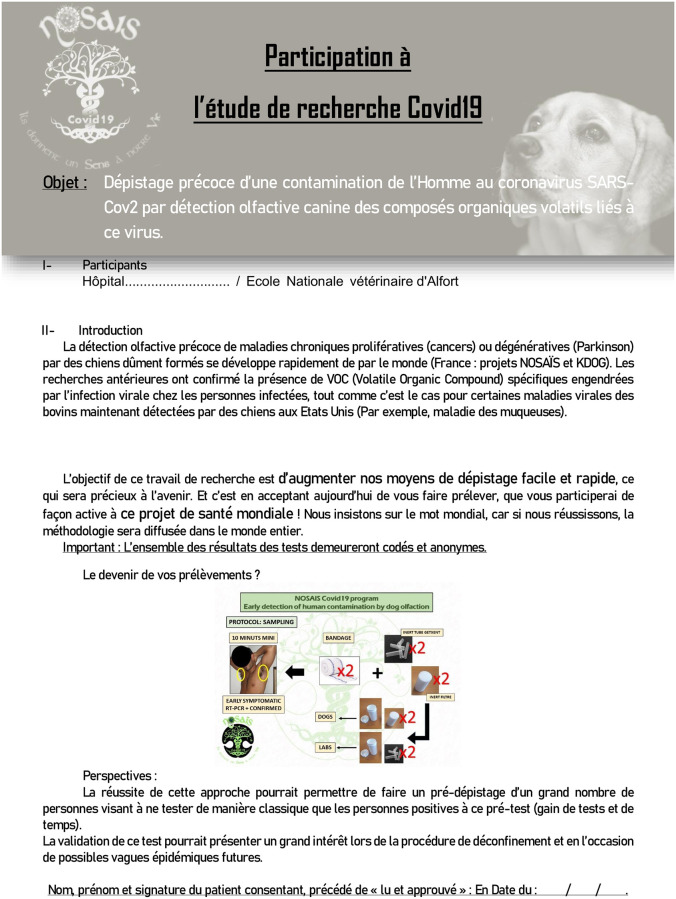
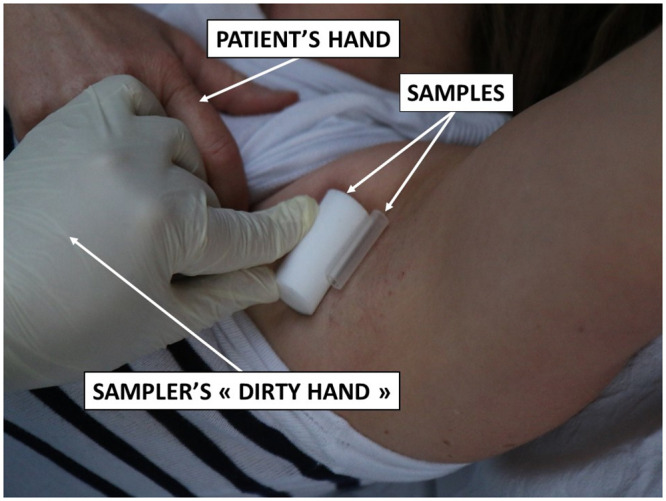
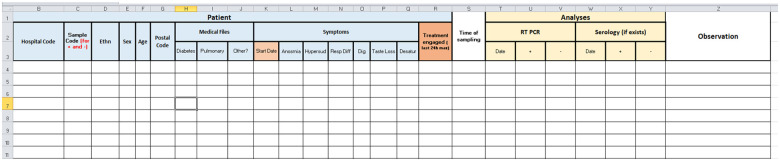
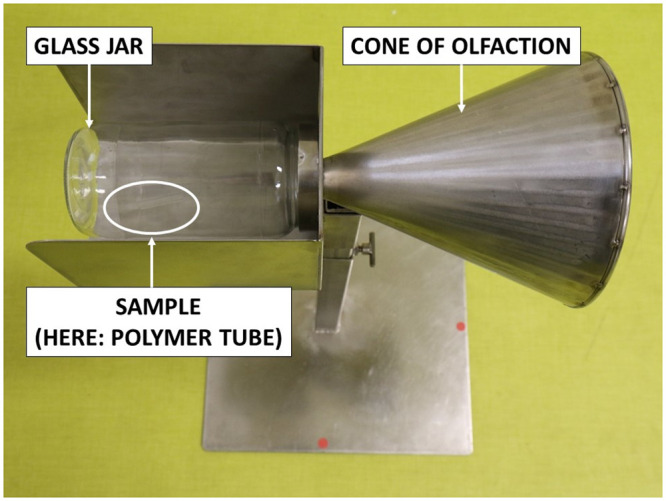
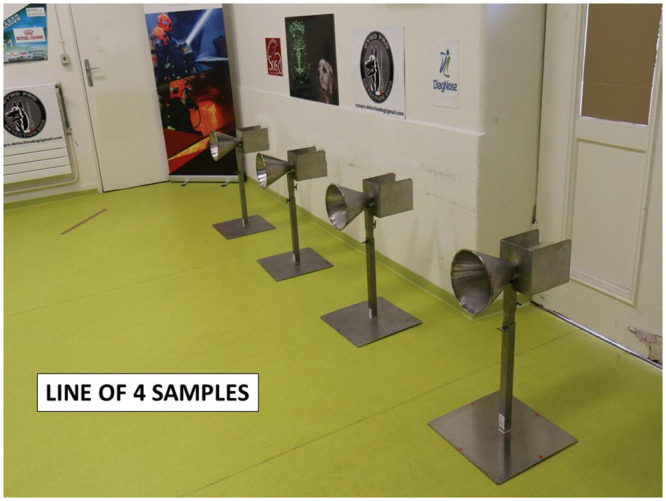
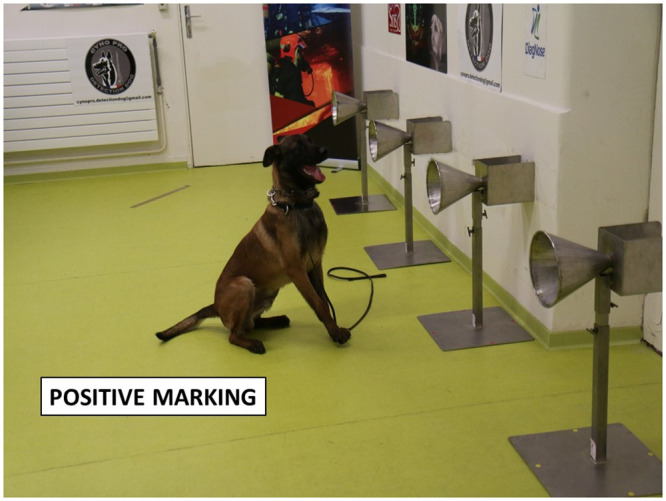
The aim of this proof-of-concept study was to evaluate if trained dogs could discriminate between sweat samples from symptomatic COVID-19 positive individuals (SARS-CoV-2 PCR positive) and those from asymptomatic COVID-19 negative individuals. The study was conducted at 2 sites (Paris, France, and Beirut, Lebanon), followed the same training and testing protocols, and involved six detection dogs (three explosive detection dogs, one search and rescue dog, and two colon cancer detection dogs). A total of 177 individuals were recruited for the study (95 symptomatic COVID-19 positive and 82 asymptomatic COVID-19 negative individuals) from five hospitals, and one underarm sweat sample per individual was collected. The dog training sessions lasted between one and three weeks. Once trained, the dog had to mark the COVID-19 positive sample randomly placed behind one of three or four olfactory cones (the other cones contained at least one COVID-19 negative sample and between zero and two mocks). During the testing session, a COVID-19 positive sample could be used up to a maximum of three times for one dog. The dog and its handler were both blinded to the COVID-positive sample location. The success rate per dog (i.e., the number of correct indications divided by the number of trials) ranged from 76% to 100%. The lower bound of the 95% confidence interval of the estimated success rate was most of the time higher than the success rate obtained by chance after removing the number of mocks from calculations. These results provide some evidence that detection dogs may be able to discriminate between sweat samples from symptomatic COVID-19 individuals and those from asymptomatic COVID-19 negative individuals. However, due to the limitations of this proof-of-concept study (including using some COVID-19 samples more than once and potential confounding biases), these results must be confirmed in validation studies.
Conflict of interest statement
DiagNose, Cynopro Detection Dogs, ICTS Europe, Biodesiv SAS, and Mario K9 provided support in the form of salaries for authors. This does not alter our adherence to PLOS ONE policies on sharing data and materials. There are no patents, products in development or marketed products associated with this research to declare.
Figures
References
-
- Hasell J. Testing early, testing late: four countries’ approaches to COVID-19 testing compared. 2020; https://ourworldindata.org/covid-testing-us-uk-korea-italy.
-
- Bijland LR, Bomers MK, Smulders YM. Smelling the diagnosis: a review on the use of scent in diagnosing disease. Neth J Med 2013,71:300–307. - PubMed
-
- Edwards TL, Brown CM, Schoon A, Cox C, Poling A. Animal olfactory detection of human diseases: Guidelines and systematic review. J Vet Behav 2017,20:59–73.
-
- Pirrone F, Albertini M. Olfactory detection of cancer by trained sniffer dogs: A systematic review of the literature. J Vet Behav 2017,19:105–117.
MeSH terms
LinkOut - more resources
Full Text Sources
Other Literature Sources
Medical
Miscellaneous
