


Semiochemicals containing lepidopteran sex pheromones: Wonderland for a natural product chemist
- PMID: 33304188
- PMCID: PMC7691580
- DOI: 10.1584/jpestics.D20-046
Semiochemicals containing lepidopteran sex pheromones: Wonderland for a natural product chemist
Abstract
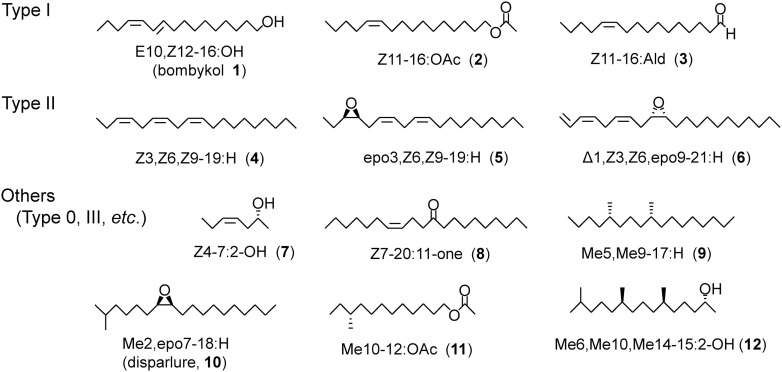
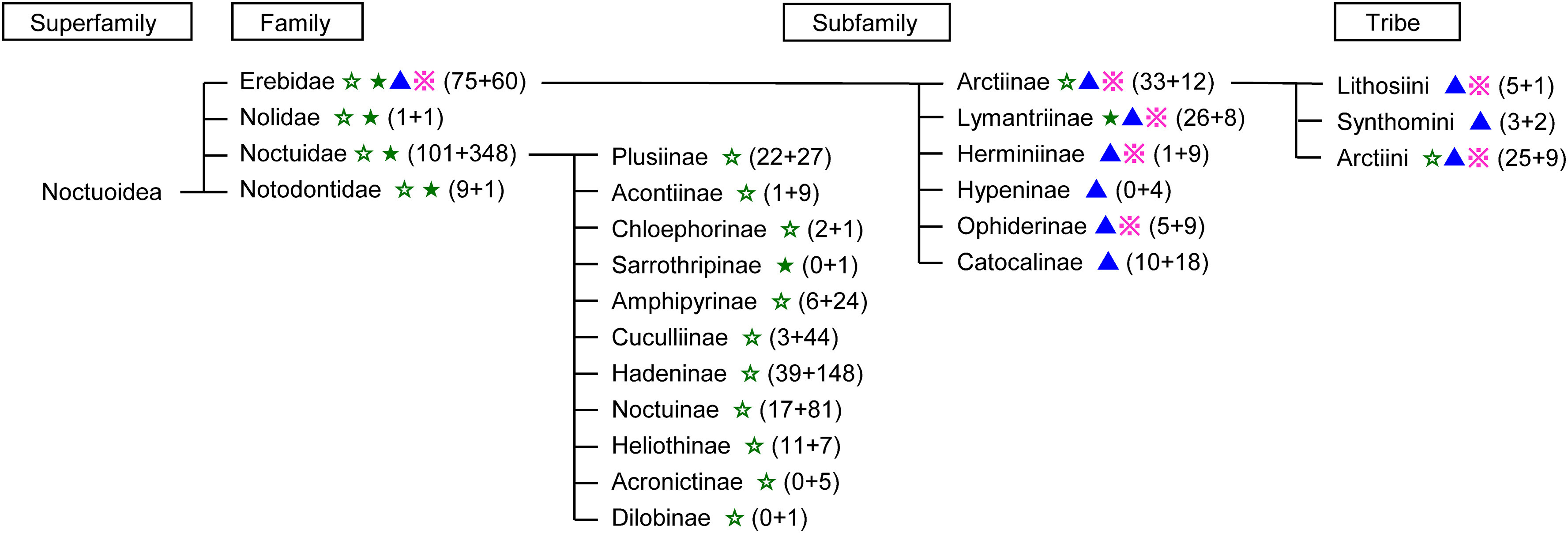
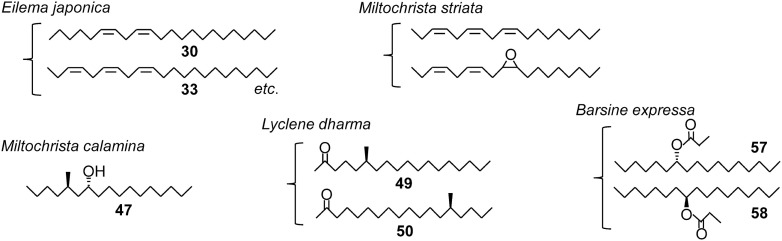
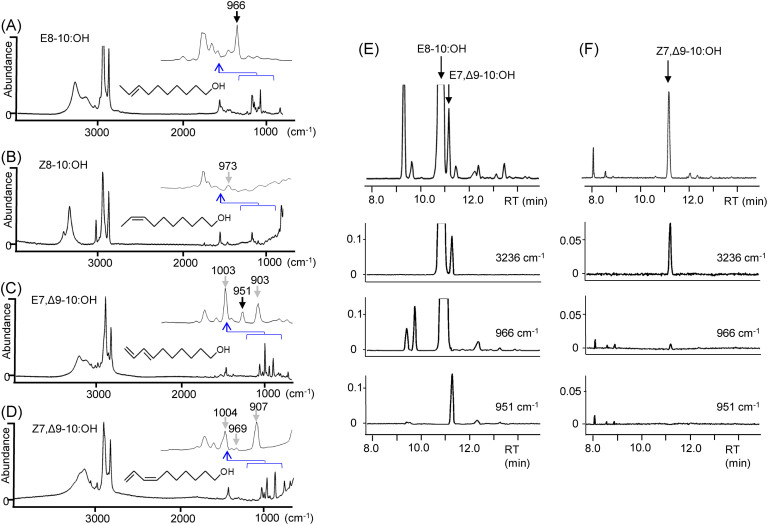
Since the first identification of bombykol, sex pheromones of about 700 moth species have been elucidated. Additionally, field evaluations of synthetic pheromones and their related compounds have revealed the male attraction of another 1,300 species. These pheromones and attractants are listed on the web-sites, "Pheromone Database, Part I." Pheromone components are classified according to their chemical structures into two major groups (Types I and II) and miscellaneous. Based on our previous review published in 2004, studies reported during the last two decades are highlighted here to provide information on the structure characteristics of newly identified pheromones, current techniques for structure determination, new enantioselective syntheses of methyl-branched pheromones, and the progress of biosynthetic research. Besides the moth sex pheromones, various pheromones and allomones from many arthropod species have been uncovered. These semiochemicals are being collected in the "Pheromone Database, Part II." The chemical diversity provides a wonderland for natural product chemists.
Keywords: Lepidoptera; SN2 reaction; chemical ecology; diagnostic ions; epoxidase; structural diversity.
© Pesticide Science Society of Japan 2020. This is an open access article distributed under the Creative Commons Attribution-NonCommercial-NoDerivatives 4.0 International (CC BY-NC-ND 4.0) License (https://creativecommons.org/licenses/by-nc-nd/4.0/).
Figures
References
-
- 1) A. Butenandt, R. Beckmann, D. Stamm and E. Hecker: Z. Naturforsch. B 14b, 283–284 (1959).
-
- 3) R. T. Cardé: “Ecological Theory and Integrated Pest Management,” ed. by M. Kogan, Cambridge University Press, New York, pp. 122–169, 2007.
