


How to measure the effects and potential adverse events of palliative sedation? An integrative review
- PMID: 33307989
- PMCID: PMC7897792
- DOI: 10.1177/0269216320974264
How to measure the effects and potential adverse events of palliative sedation? An integrative review
Abstract
Background: Palliative sedation is the monitored use of medications intended to relieve refractory suffering. The assessment of palliative sedation has been focused on the assess of the level of consciousness but a more comprehensive approach to assessment is needed.
Aim: To understand how the potential effects and possible adverse events of palliative sedation in Palliative Care patients are measured.
Design: Integrative review of most recent empirical research.
Data sources: Cochrane Library, Embase, Medline, PubMed, and CINAHL were searched (2010-2020) using the terms sedation, palliative care, terminal care, assessment. Limits included studies in English and adults. Inclusion criteria were: scientific assessment papers, effects and complications of palliative sedation; patients with incurable illness.
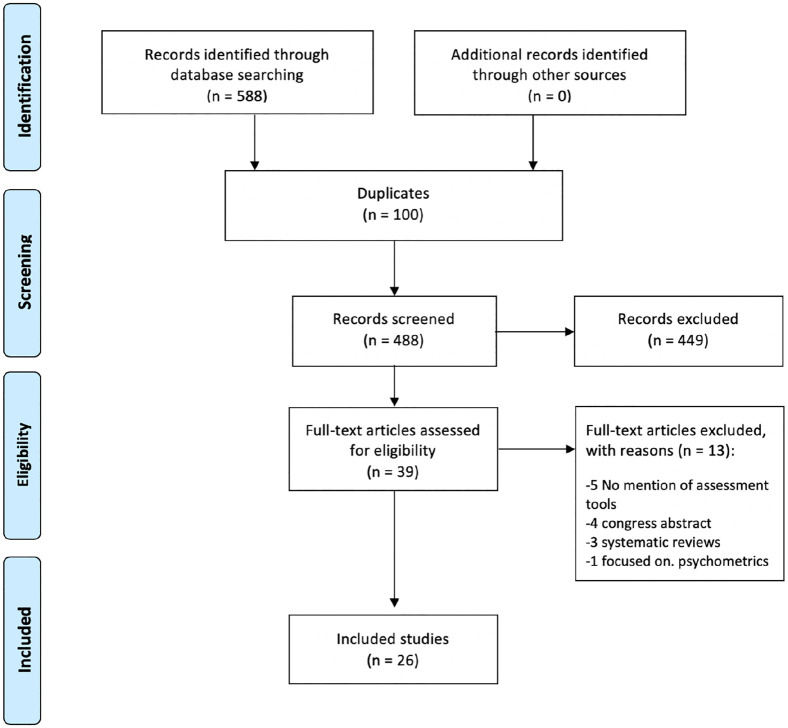
Results: Out of 588 titles, 26 fulfilled inclusion criteria. The Discomfort Scale-Dementia of Alzheimer Type and Patient Comfort Score were used to assess comfort. The Richmond Agitation-Sedation Scale and The Ramsay Sedation Scale are the most used to measure its effect. Refractory symptoms were assessed through multi-symptom or specific scales; except for psychological or existential distress. Delirium was assessed using the Memorial Delirium Assessment Scale and pain through the Critical Care Pain Observation Tool. The use of technical approaches to monitor effects is upcoming. There is lack of measurement of possible adverse events and variability in timing measurement.
Conclusions: There are palliative care validated instruments to assess the sedation effect but this review shows the need for a more standardized approach when assessing it. Instruments should be used within an experienced and trained expert, providing a holistic assessment.
Keywords: deep sedation; empirical research; hospice care; palliative care; palliative medicine; patient comfort; review; sedation (as the MeSH Terms refers only to one type of sedation); symptom assessment; terminal care; terminally ill.
Conflict of interest statement
Figures
References
-
- de Graeff A, Dean M. Palliative sedation therapy in the last weeks of life: a literature review and recommendations for standards. J Palliat Med 2007; 10(1): 67–85. - PubMed
-
- van Deijck RHPD, Hasselaar JGJ, Verhagen SCAHHVM, et al. Level of discomfort decreases after the administration of continuous palliative sedation: A prospective multicenter study in hospices and palliative care units. J Pain Symptom Manage 2016; 52(3): 361–369. - PubMed
-
- Cherny NI, Radbruch L. European association for palliative care (EAPC) recommended framework for the use of sedation in palliative care. Palliat Med 2009; 23(7): 581–593. - PubMed
-
- Abdul-Razzak A, Lemieux L, Snyman M, et al. Description of continuous palliative sedation practices in a large health region and comparison with clinical practice guidelines. J Palliat Med 2019; 22(9): 1052–1064. - PubMed
Publication types
MeSH terms
Substances
LinkOut - more resources
Full Text Sources
Medical
