


Towards understanding vaccine hesitancy and vaccination refusal in Austria
- PMID: 33313966
- PMCID: PMC8292253
- DOI: 10.1007/s00508-020-01777-9
Towards understanding vaccine hesitancy and vaccination refusal in Austria
Abstract
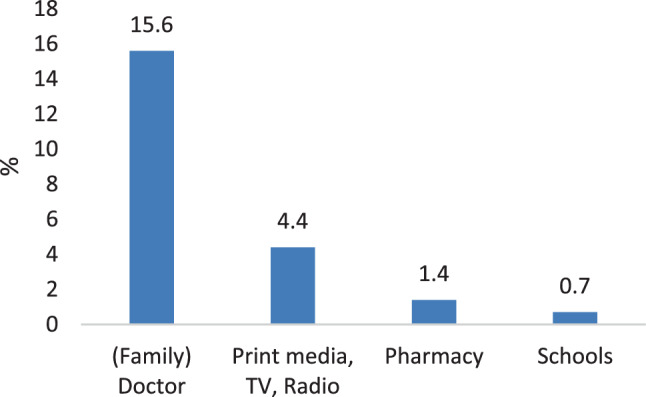
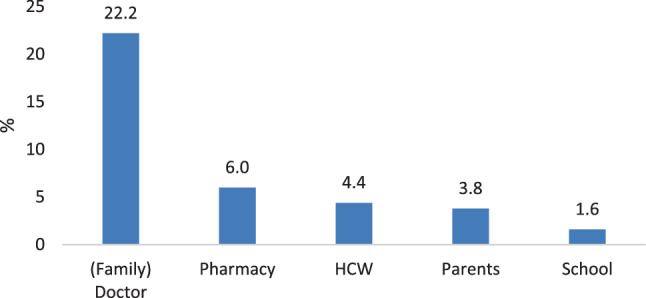
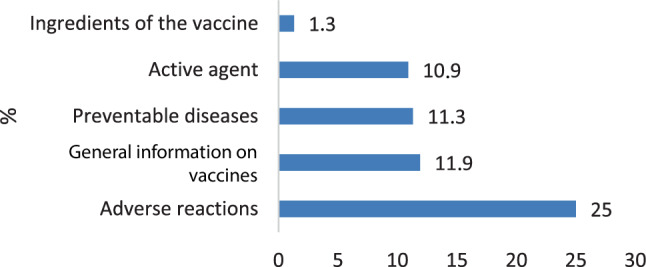
In Austria, data on vaccine hesitancy is scarce. Available studies suggest around 1-11% of parents refuse vaccination, while many more are hesitant and consider refraining from some but not all of the recommended vaccinations. However, the key drivers for vaccine hesitancy in Austria are largely unknown. To learn more about vaccination coverage, attitude towards and knowledge around immunization as well as views on mandatory vaccination, we conducted a survey in a rural Austrian lay population including adults and children. Two paper-based questionnaires, one for adults 16 years or older and one for children aged 6-15 years, were developed, then sent to all houses of a rural community in Austria as well as handed out at the local primary and middle school, respectively. Self-reported coverage rates of children and adults were found to be low. Within the surveyed population 3% of children had never been or do not get vaccinated. More than half (57%) of the survey participants had a positive attitude towards vaccines, 21% were without reserves, 16% were found skeptical and 5% had a generally negative attitude. Knowledge about immunization in general was poor. Younger adults and people with secondary education appear to be most skeptical and negative towards vaccination. Children's attitudes were closely linked to those of their parents. The major concern around vaccination in adults was fear of side effects. In adults, 54.2% support mandatory vaccination for Health Care Workers and 20.7% are against it. 39% of adults and 37% of children wanted more information on vaccination, preferably provided by physicians. Knowledge about disease prevention by vaccination should be improved and children could also benefit from an early age-appropriate vaccine education to strengthen health literacy. Physicians are the most trusted source of health information. Medical doctors should be aware of their very important role in transmitting trusted health information. This should include an up-to-date education in communicable disease prevention and immunization during their whole medical career. Furthermore, the curricula of health-care workers may need to be improved and harmonized concerning prevention and vaccination.
Keywords: Attitude; Children; Education; Health literacy; Knowledge; Rates.
© 2020. The Author(s).
Conflict of interest statement
A. Bauer, D. Tiefengraber and U. Wiedermann declare that they have no competing interests.
Figures



References
-
- WHO. Bi-annual meeting reports, including summary lists of the topics discussed and full-text details. 2016. http://www.who.int/vaccine_safety/committee/reports/en/. Last access: 26 Aug 2020.
-
- CDC . A CDC framework for preventing infectious diseases. Sustaining the essentials and innovating for the future. Atlanta: CDC; 2011.
-
- Plotkin SA, Orenstein WA, Offit PA, Edwards KM. Plotkin’s vaccines. 7. Amsterdam: Elsevier; 2018. A short history of vaccination.
MeSH terms
Substances
LinkOut - more resources
Full Text Sources
Medical
