Ketogenic diet and ketone bodies enhance the anticancer effects of PD-1 blockade
- PMID: 33320838
- PMCID: PMC7934884
- DOI: 10.1172/jci.insight.145207
Ketogenic diet and ketone bodies enhance the anticancer effects of PD-1 blockade
Abstract
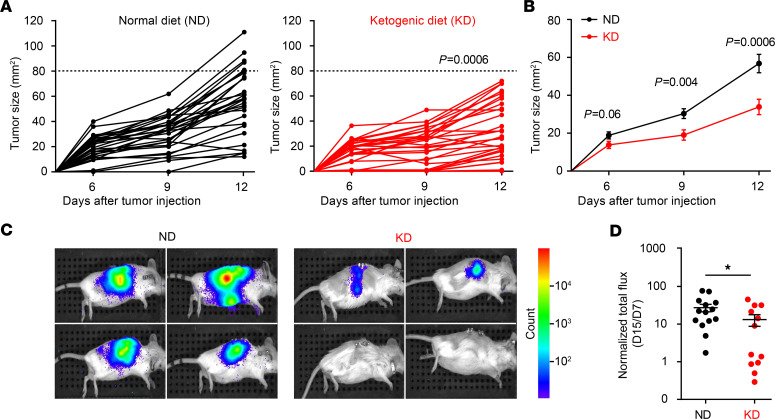
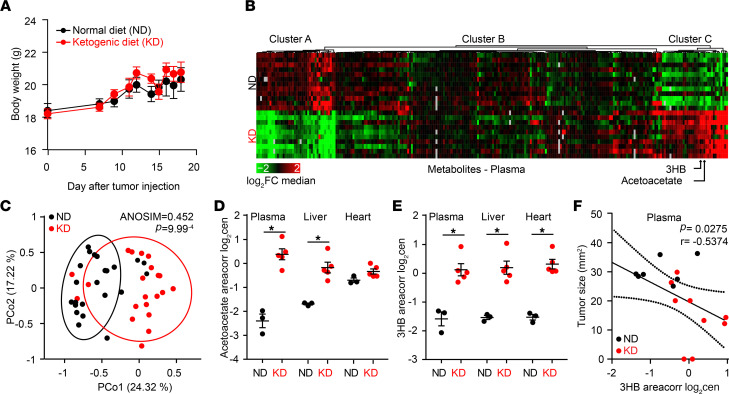
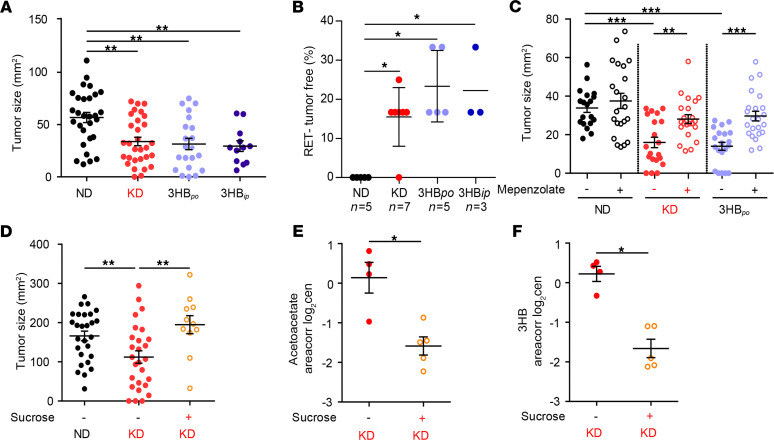
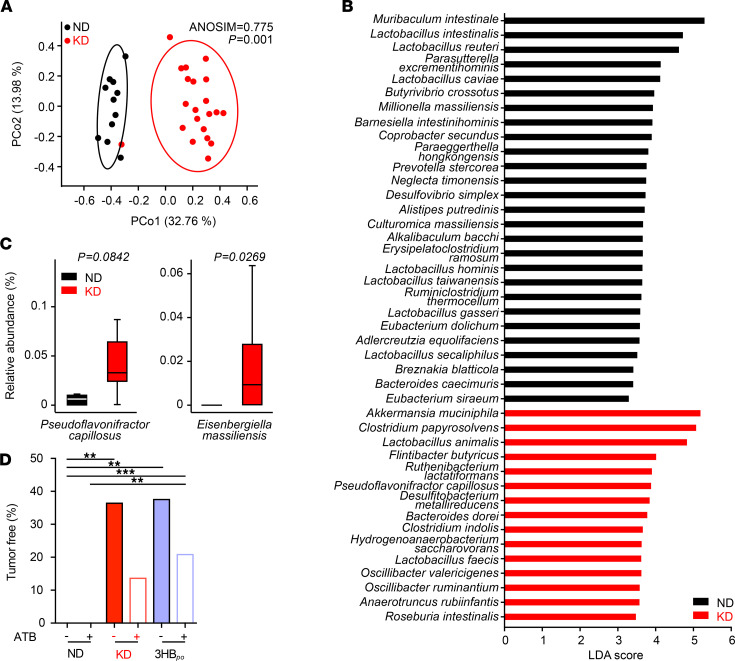
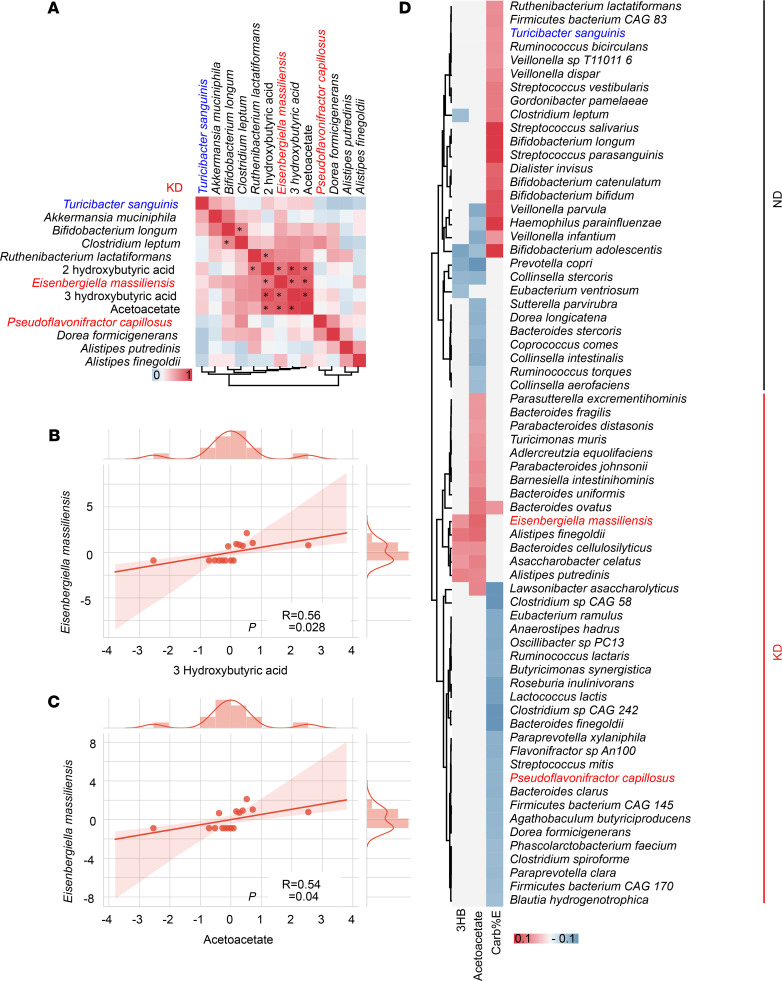
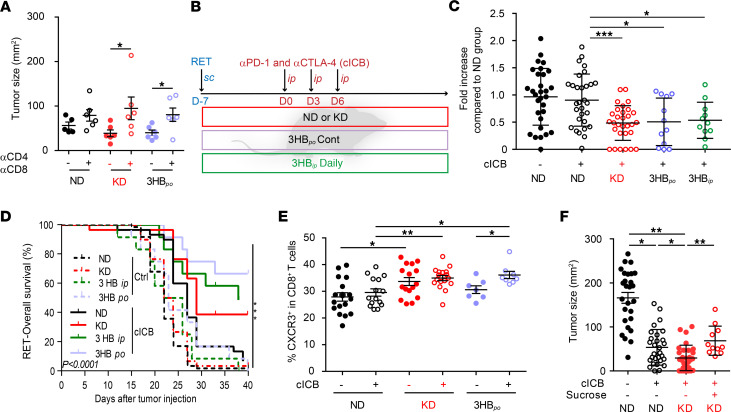
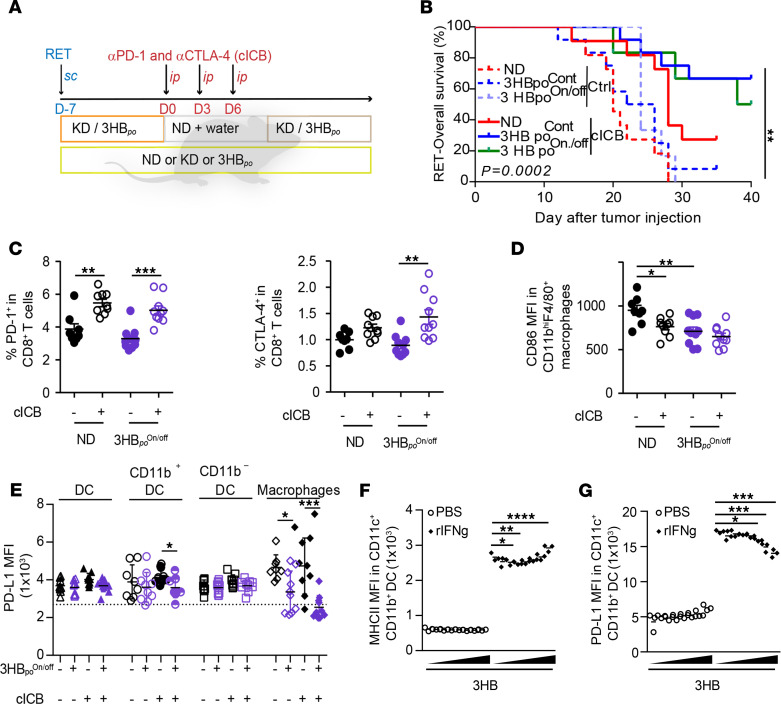
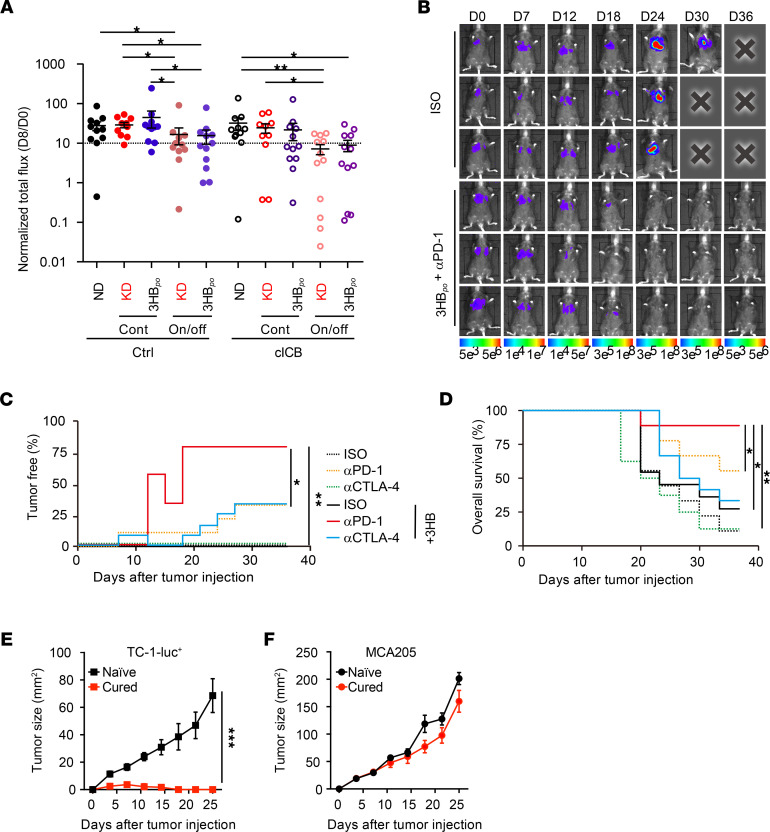
Limited experimental evidence bridges nutrition and cancer immunosurveillance. Here, we show that ketogenic diet (KD) - or its principal ketone body, 3-hydroxybutyrate (3HB), most specifically in intermittent scheduling - induced T cell-dependent tumor growth retardation of aggressive tumor models. In conditions in which anti-PD-1 alone or in combination with anti-CTLA-4 failed to reduce tumor growth in mice receiving a standard diet, KD, or oral supplementation of 3HB reestablished therapeutic responses. Supplementation of KD with sucrose (which breaks ketogenesis, abolishing 3HB production) or with a pharmacological antagonist of the 3HB receptor GPR109A abolished the antitumor effects. Mechanistically, 3HB prevented the immune checkpoint blockade-linked upregulation of PD-L1 on myeloid cells, while favoring the expansion of CXCR3+ T cells. KD induced compositional changes of the gut microbiota, with distinct species such as Eisenbergiella massiliensis commonly emerging in mice and humans subjected to carbohydrate-low diet interventions and highly correlating with serum concentrations of 3HB. Altogether, these results demonstrate that KD induces a 3HB-mediated antineoplastic effect that relies on T cell-mediated cancer immunosurveillance.
Keywords: Cancer; Immunotherapy; Metabolism; Mouse models; Oncology.
Conflict of interest statement
Figures
References
-
- Wei SC, et al. Fundamental mechanisms of immune checkpoint blockade therapy. Cancer Discov. 2018;8(9):1069–1086. doi: 10.1158/2159-8290.CD-18-0367. - DOI - PubMed
Publication types
MeSH terms
Substances
LinkOut - more resources
Full Text Sources
Other Literature Sources
Medical
Research Materials