


A cross-sectional study to determine factors affecting dental and medical students' preference for virtual learning during the COVID-19 outbreak
- PMID: 33324768
- PMCID: PMC7728427
- DOI: 10.1016/j.heliyon.2020.e05704
A cross-sectional study to determine factors affecting dental and medical students' preference for virtual learning during the COVID-19 outbreak
Abstract
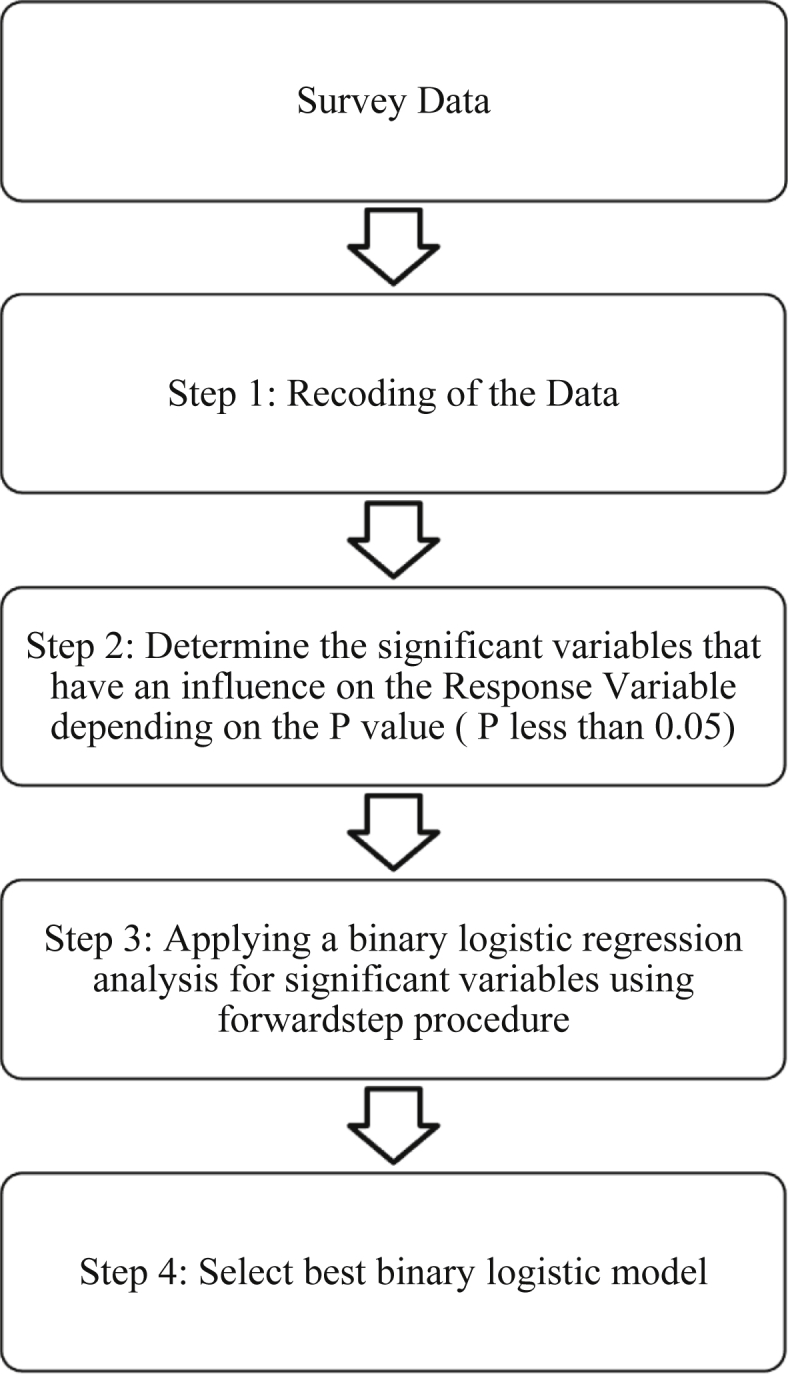
Virtual "online" teaching has been adopted by most universities around the world during the COVID-19 outbreak. This study aims to investigate the factors that might affect students' preference for virtual learning. Since a second wave of such pandemic is expected to occur, professors and teaching assistants may want to be prepared and aware to create an effective virtual learning environment for students. Using an online survey questionnaire, a total of 488 students in their basic science years of study (first to the third year) who are enrolled in dental and medical college responded to the online survey. The authors utilized a binary logistic regression model to estimate the impact of the nine explanatory variables (gender, student's year of study, accessibility of online tools, class engagement in virtual classes, GPA change during COVID-19 outbreak, class attendance in virtual vs. in-person lectures, type of study material, time saving for virtual classes, and anxiety level during the COVID-19 outbreak) on the students' preference for virtual learning. The analysis of variance showed that three out of the nine variables were not significant to the model: gender, study level, and study material. In addition, to understand the behavioral intention for the students during such pandemic, the online survey questionnaire captured students' voice on their willingness to wear masks, wash their hands, or both as well as their acceptance to take the vaccine once it is available. The results showed that 7.02 % of the students did not change simple health behaviors and 18.43% are not interested in taking the vaccine. This implies the importance of enacting new laws for reopening universities, applying high fines for violators, and obligating students to take the vaccine since university settings have high levels of social contact with populations from different communities and countries.
Keywords: Binary logistic regression; COVID-19 outbreak; Education; Propensity model; Student's health behavior adaptation; Virtual learning.
© 2020 The Authors.
Conflict of interest statement
The authors declare no conflict of interest.
Figures
References
LinkOut - more resources
Full Text Sources
