


Type IV secretion systems: Advances in structure, function, and activation
- PMID: 33326642
- PMCID: PMC8026593
- DOI: 10.1111/mmi.14670
Type IV secretion systems: Advances in structure, function, and activation
Abstract
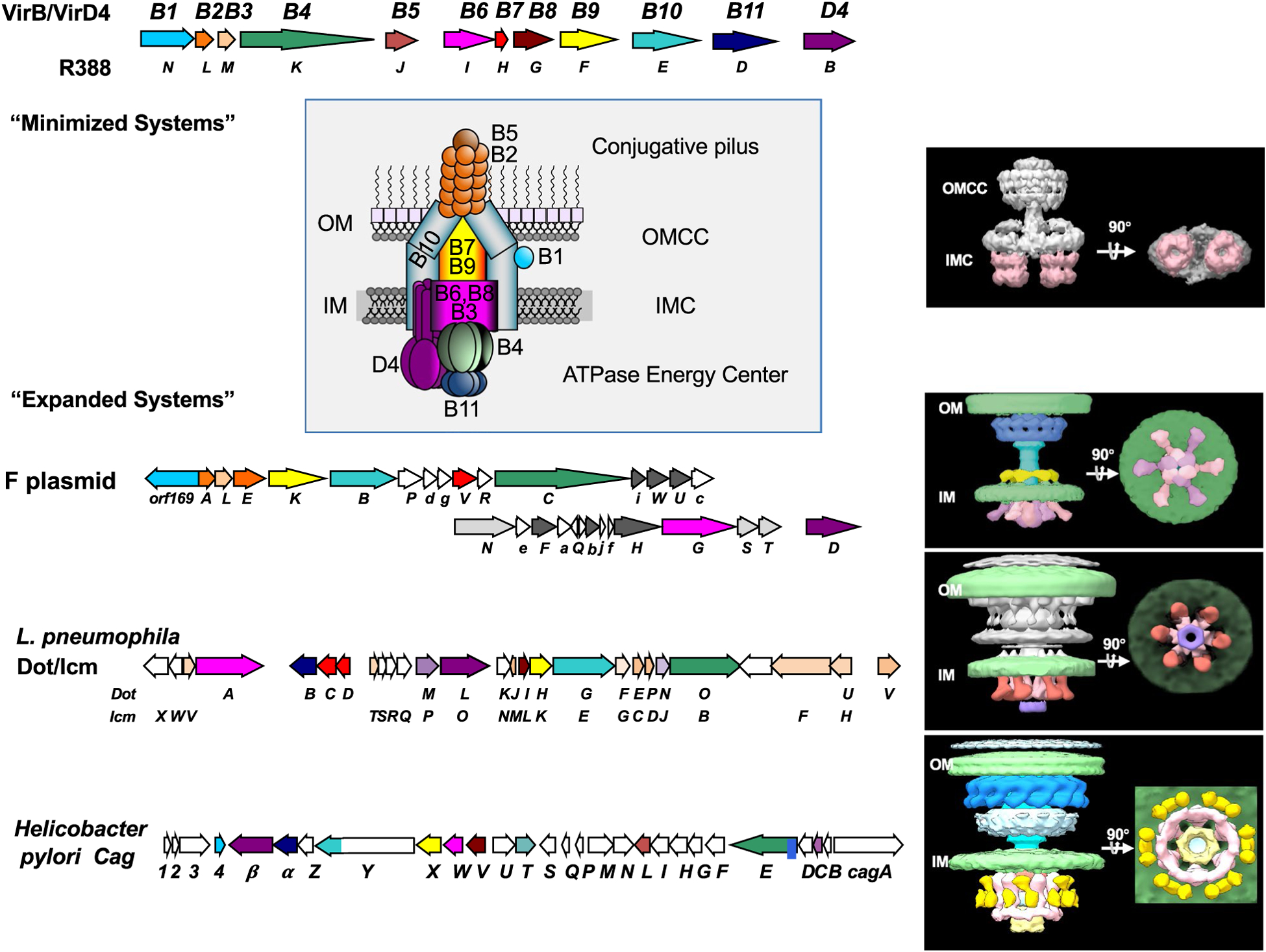
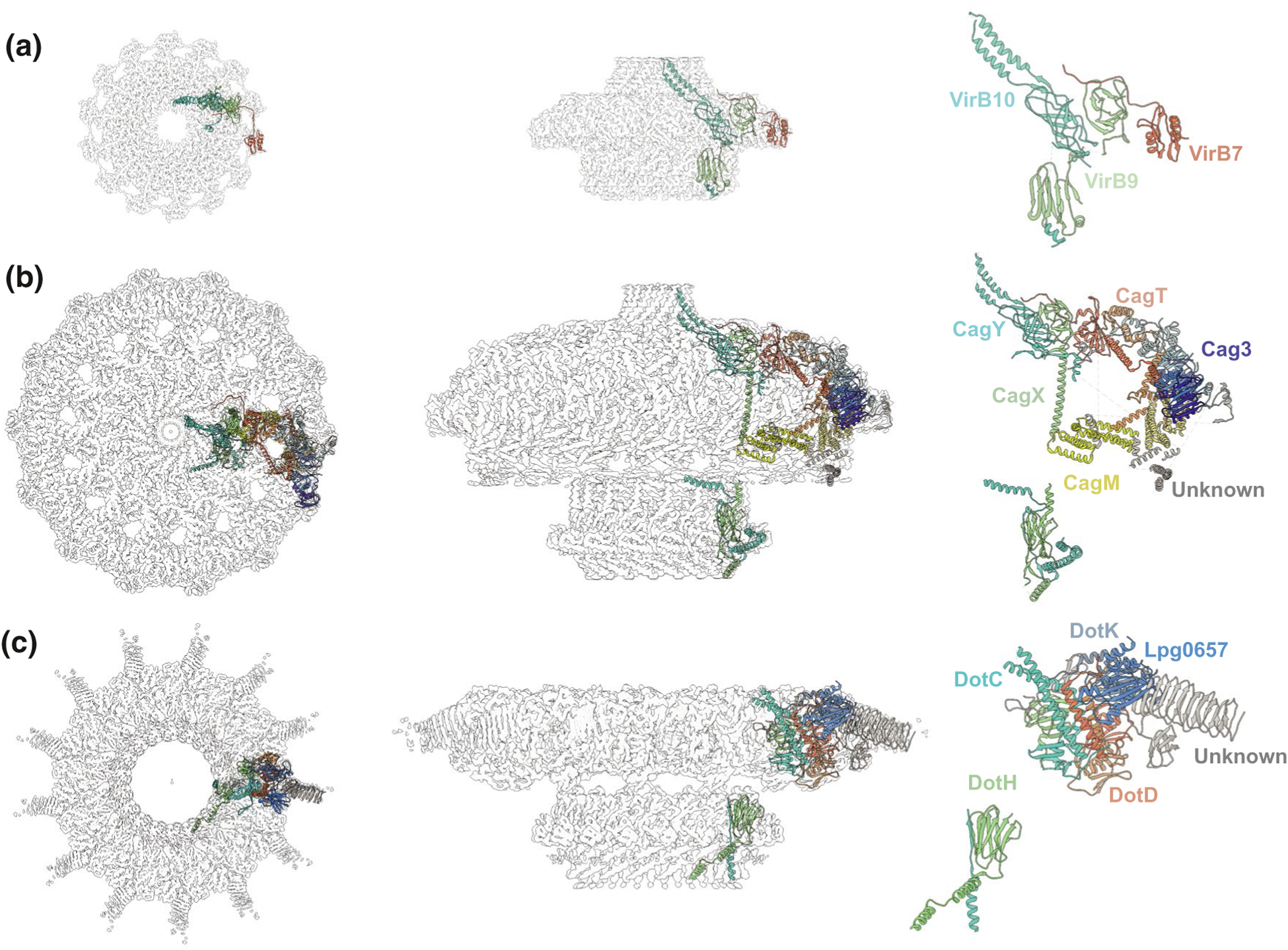
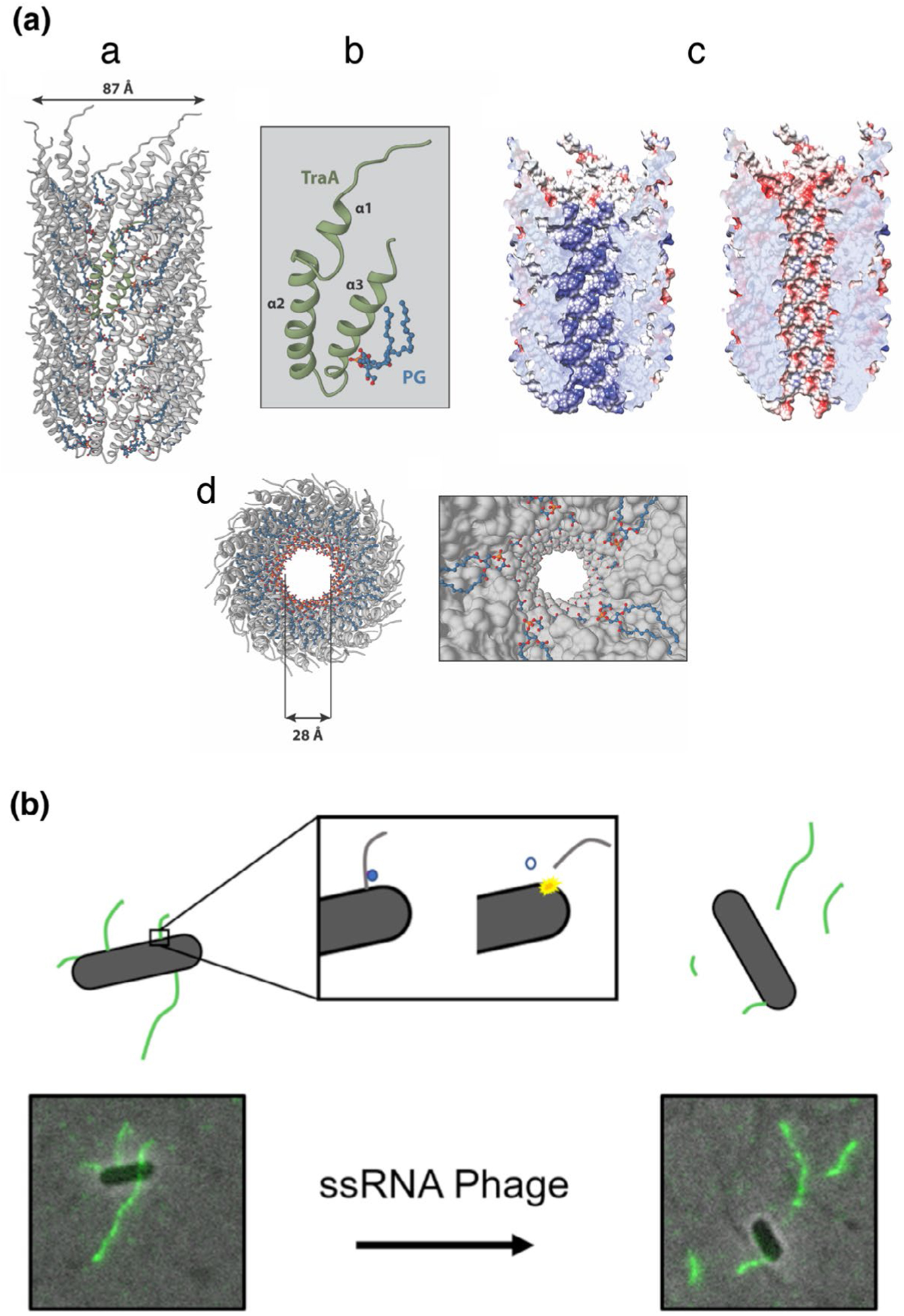
Bacterial type IV secretion systems (T4SSs) are a functionally diverse translocation superfamily. They consist mainly of two large subfamilies: (i) conjugation systems that mediate interbacterial DNA transfer and (ii) effector translocators that deliver effector macromolecules into prokaryotic or eukaryotic cells. A few other T4SSs export DNA or proteins to the milieu, or import exogenous DNA. The T4SSs are defined by 6 or 12 conserved "core" subunits that respectively elaborate "minimized" systems in Gram-positive or -negative bacteria. However, many "expanded" T4SSs are built from "core" subunits plus numerous others that are system-specific, which presumptively broadens functional capabilities. Recently, there has been exciting progress in defining T4SS assembly pathways and architectures using a combination of fluorescence and cryoelectron microscopy. This review will highlight advances in our knowledge of structure-function relationships for model Gram-negative bacterial T4SSs, including "minimized" systems resembling the Agrobacterium tumefaciens VirB/VirD4 T4SS and "expanded" systems represented by the Helicobacter pylori Cag, Legionella pneumophila Dot/Icm, and F plasmid-encoded Tra T4SSs. Detailed studies of these model systems are generating new insights, some at atomic resolution, to long-standing questions concerning mechanisms of substrate recruitment, T4SS channel architecture, conjugative pilus assembly, and machine adaptations contributing to T4SS functional versatility.
Keywords: conjugation; cryoelectron microscopy; cryoelectron tomography; effector translocation; pilus.
© 2021 John Wiley & Sons Ltd.
Figures
References
-
- Alvarez-Rodriguez I, Ugarte-Uribe B, de la Arada I, Arrondo JLR, Garbisu C and Alkorta I (2020b) Conjugative coupling proteins and the role of their domains in conjugation, secondary structure and in vivo subcellular location. Frontiers in Molecular Biosciences, 7, 185. 10.3389/fmolb.2020.00185 - DOI - PMC - PubMed
Publication types
MeSH terms
Substances
Grants and funding
LinkOut - more resources
Full Text Sources
Other Literature Sources
Molecular Biology Databases
