


Effects of COVID-19 Pandemic Confinement in Patients With Cognitive Impairment
- PMID: 33329337
- PMCID: PMC7732426
- DOI: 10.3389/fneur.2020.589901
Effects of COVID-19 Pandemic Confinement in Patients With Cognitive Impairment
Abstract
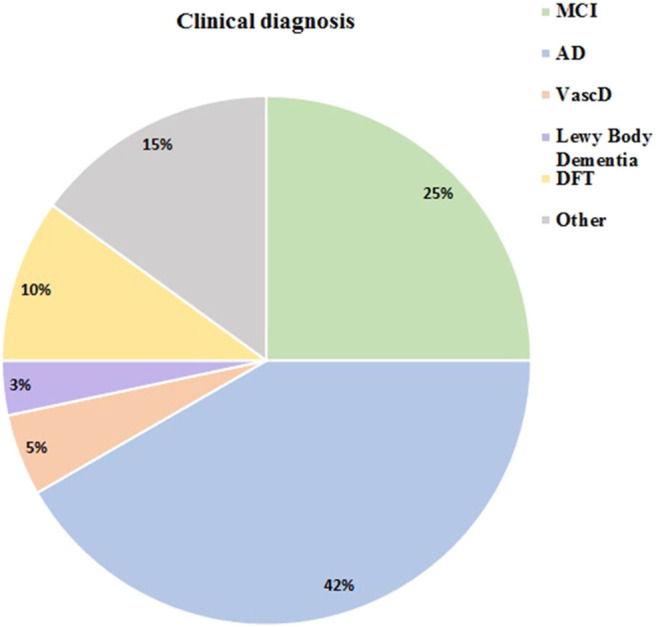
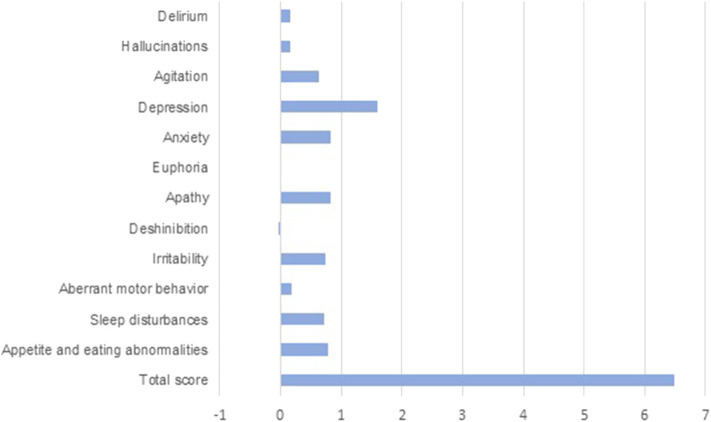
Introduction: State of emergency caused by COVID-19 pandemic and subsequent lockdown hit Spain on 14th March 2020 and lasted until 21st June 2020. Social isolation measures were applied. Medical attention was focused on COVID-19. Primary and social care were mainly performed by telephone. This exceptional situation may affect especially vulnerable patients such as people living with dementia. Our aim was to describe the influence of restrictive measures on patients living with mild cognitive decline and dementia evaluating SARS-CoV2 infection, changes in routines, cognitive decline stage, neuropsychiatric symptoms, delirium, falls, caregiver stress, and access to sanitary care. Materials and Methods: We gathered MCI and dementia patients with clinical follow-up before and after confinement from DegMar registry (Hospital del Mar). A telephone ad-hoc questionnaire was administered. Global status was assessed using CDR scale. Changes in neuropsychiatric symptoms were assessed by Neuropsychiatric Inventory (NPI) and retrospective interview for pre-confinement base characteristics. Results: We contacted a total of 60 patients, age 75.4 years ± 5,192. 53.3% were women. Alzheimer's Disease (41.7%) and Mild Cognitive Impairment (25%) were the most prevalent diagnosis. Remaining cases included different dementia disorders. A total of 10% of patients had been diagnosed with SARS-CoV-2. During confinement 70% of patients abandoned previous daily activities, 60% had cognitive worsening reported by relatives/caretakers, 15% presented delirium episodes, and 13% suffered increased incidence of falls. Caregivers reported an increased burden in 41% cases and burnout in 11% cases. 16% reported difficulties accessing medical care, 33% received medical phone assistance, 20% needed emergency care and 21% had changes in psychopharmacological therapies. Neuropsychiatric profile globally worsened (p < 0.000), also in particular items like agitation (p = 0.003), depression (p < 0.000), anxiety (p < 0.000) and changes in appetite (p = 0.004). Conclusion: SARS-CoV2-related lockdown resulted in an important effect over social and cognitive spheres and worsening of neuropsychiatric traits in patients living with mild cognitive decline and dementia. Although the uncertainty regarding the evolution of the pandemic makes strategy difficult, we need to reach patients and caregivers and develop adequate strategies to reinforce and adapt social and health care.
Keywords: COVID- 19; SARS - CoV-2; anxiety; cognitive impairment; dementia; depression; neuropsychiatric.
Copyright © 2020 Barguilla, Fernández-Lebrero, Estragués-Gázquez, García-Escobar, Navalpotro-Gómez, Manero, Puente-Periz, Roquer and Puig-Pijoan.
Figures

References
-
- World Health Organization Director-General's Opening Remarks at the Media Briefing on COVID-19–11 March (2020) Available online at: https://www.who.int/dg/speeches/detail/who-director-general-s-opening-re... (accessed October 06, 2020).
-
- Fernandez Rosa Impacto del brote de coronavirus en el índice bursátil español IBEX-35 de enero a julio de 2020. Statista. (2020). Available online at: https://es.statista.com/estadisticas/1104248/impacto-del-coronavirus-en-... (accessed November 06, 2020).
LinkOut - more resources
Full Text Sources
Miscellaneous
