


Prevalence and course of mood and anxiety disorders, and correlates of symptom severity in adolescents with type 1 diabetes: Results from diabetes LEAP
- PMID: 33331108
- PMCID: PMC8251968
- DOI: 10.1111/pedi.13174
Prevalence and course of mood and anxiety disorders, and correlates of symptom severity in adolescents with type 1 diabetes: Results from diabetes LEAP
Abstract
Objectives: We aim to determine the prevalence and the course of anxiety and mood disorders in Dutch adolescents (12-18 years old) with type 1 diabetes, and to examine correlates of symptom severity, including parental emotional distress.
Methods: Participants were 171 adolescents and 149 parents. The Diagnostic Interview Schedule for Children-IV was used to assess current, past year and lifetime anxiety and mood disorders in adolescents. Symptom severity and diabetes distress were measured with validated questionnaires. Correlates of these symptoms were examined using hierarchical regression analyses and included demographics (adolescent sex and age), clinical factors (diabetes duration, treatment modality, most recent glycated hemoglobin A1c ; all extracted from medical charts), adolescent diabetes distress, and parent emotional distress.
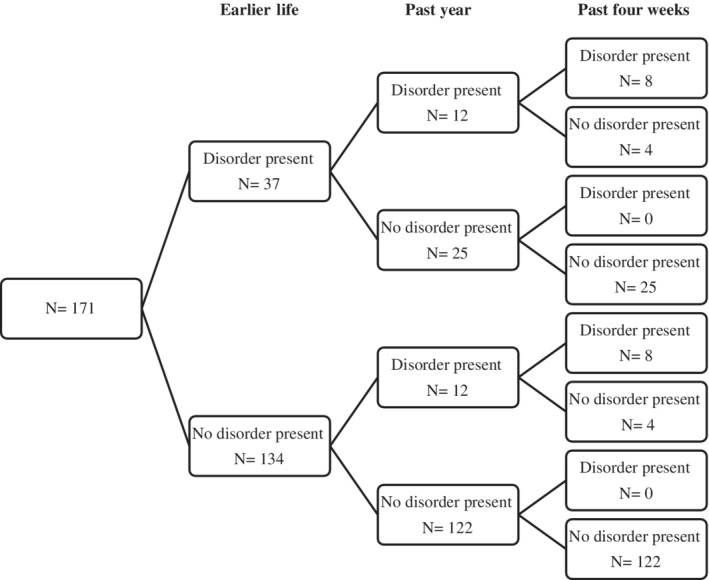
Results: Twenty-four (14%) adolescents met the criteria for ≥1 disorder(s) in the previous 12 months. Anxiety disorders were more prevalent than mood disorders (13% vs. 4%). Lifetime prevalence of anxiety and mood disorders was 29% (n = 49). The presence of any of these disorders earlier in life (from 5 years old up to 12 months prior to assessment) was associated with disorders in the past 12 months (OR = 4.88, p = 0.001). Higher adolescent diabetes distress was related to higher symptoms of anxiety (b = 0.07, p = 0.001) and depression (b = 0.13, p = 0.001), while demographics, clinical characteristics, and parental emotional distress were not related.
Conclusions: Anxiety and mood disorders are common among adolescents and related to earlier disorders. Higher diabetes distress was related to higher symptom severity. Clinicians are advised to address past psychological problems and remain vigilant of these problems.
Keywords: adolescents; anxiety; depression; type 1 diabetes.
© 2020 The Authors. Pediatric Diabetes published by John Wiley & Sons Ltd.
Conflict of interest statement
The authors have no conflicts of interest relevant to this article to disclose.
Figures

References
-
- Johnson B, Eiser C, Young V, Brierley S, Heller S. Prevalence of depression among young people with type 1 diabetes: a systematic review. Diabet Med. 2013;30(2):199‐208. - PubMed
-
- Buchberger B, Huppertz H, Krabbe L, Lux B, Mattivi JT, Siafarikas A. Symptoms of depression and anxiety in youth with type 1 diabetes: a systematic review and meta‐analysis. Psychoneuroendocrinology. 2016;70:70‐84. - PubMed
-
- Blanz BJ, Rensch‐Riemann BS, Fritz‐Sigmund DI, Schmidt MH. IDDM is a risk factor for adolescent psychiatric disorders. Diabetes Care. 1993;16(12):1579‐1587. - PubMed
Publication types
MeSH terms
LinkOut - more resources
Full Text Sources
Other Literature Sources
Medical
Miscellaneous
