


Therapeutic Potential of Cannabidiol (CBD) for Skin Health and Disorders
- PMID: 33335413
- PMCID: PMC7736837
- DOI: 10.2147/CCID.S286411
Therapeutic Potential of Cannabidiol (CBD) for Skin Health and Disorders
Abstract
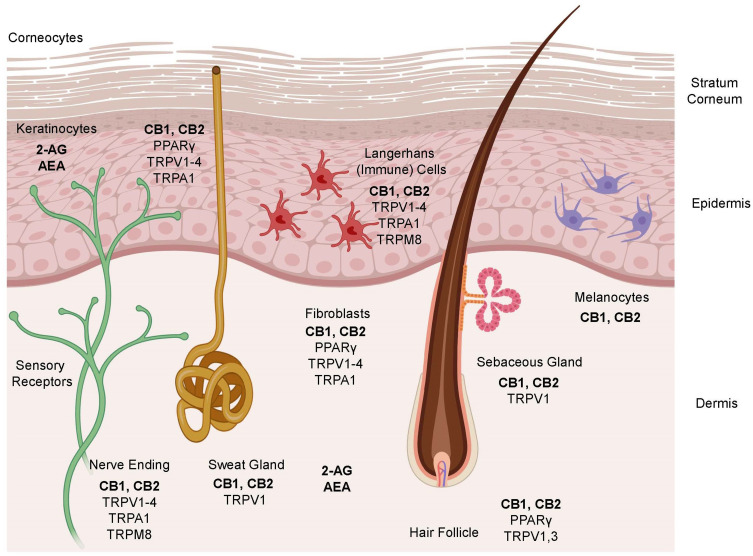
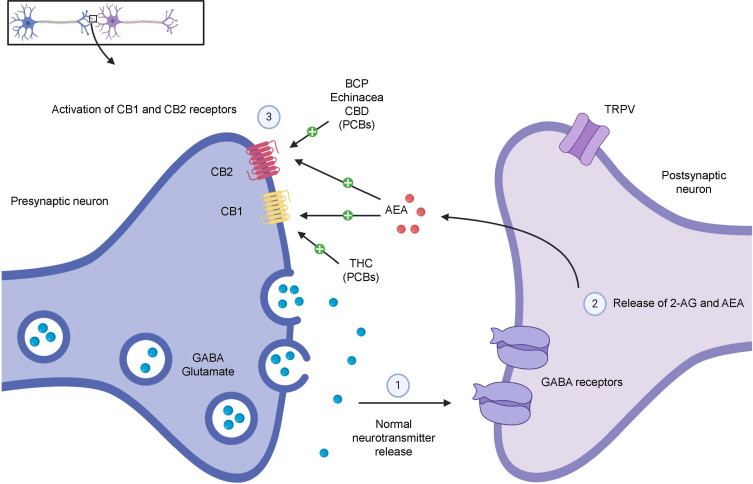
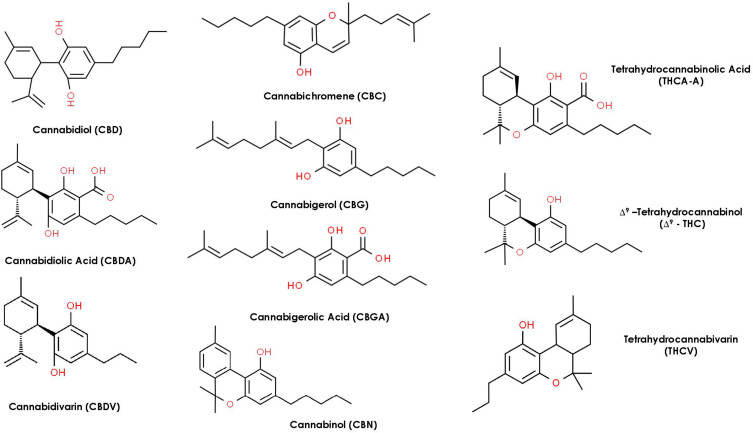
Though there is limited research confirming the purported topical benefits of cannabinoids, it is certain that cutaneous biology is modulated by the human endocannabinoid system (ECS). Receptors from the ECS have been identified in the skin and systemic abuse of synthetic cannabinoids, and their analogs, have also been associated with the manifestation of dermatological disorders, indicating the effects of the ECS on cutaneous biology. In particular, cannabidiol (CBD), a non-psychoactive compound from the cannabis plant, has garnered significant attention in recent years for its anecdotal therapeutic potential for various pathologies, including skin and cosmetic disorders. Though a body of preclinical evidence suggests topical application of CBD may be efficacious for some skin disorders, such as eczema, psoriasis, pruritis, and inflammatory conditions, confirmed clinical efficacy and elucidation of underlying molecular mechanisms have yet to be fully identified. This article provides an update on the advances in CBD research to date and the potential areas of future exploration.
Keywords: AEA; CB1; CB2; CBD; FAAH; cannabidiol; cannabinoids; endocannabinoid system; endocannabinoids; skin.
© 2020 Baswan et al.
Conflict of interest statement
All the authors are employees of Amway Corporation which has commercial offerings in the wellness space. The authors report no other potential conflicts of interest for this work.
Figures
References
-
- Tüting T, Gaffal E. Chapter 57 - regulatory role of cannabinoids for skin barrier functions and cutaneous inflammation In: Preedy VR, editor. Handbook of Cannabis and Related Pathologies. San Diego: Academic Press; 2017:543–549.
Publication types
LinkOut - more resources
Full Text Sources
Other Literature Sources
Medical
