


Patterns and predictors of referrals to allied health services for individuals with Parkinson's disease: A Parkinson's foundation (PF) QII study
- PMID: 33339716
- PMCID: PMC11283279
- DOI: 10.1016/j.parkreldis.2020.11.024
Patterns and predictors of referrals to allied health services for individuals with Parkinson's disease: A Parkinson's foundation (PF) QII study
Abstract
Introduction: Rehabilitation therapies are critical for optimizing quality-of-life and daily functions for individuals living with Parkinson's disease (PD). Thus, understanding the patterns of and under what conditions physicians make rehabilitation referrals is important for optimizing care.
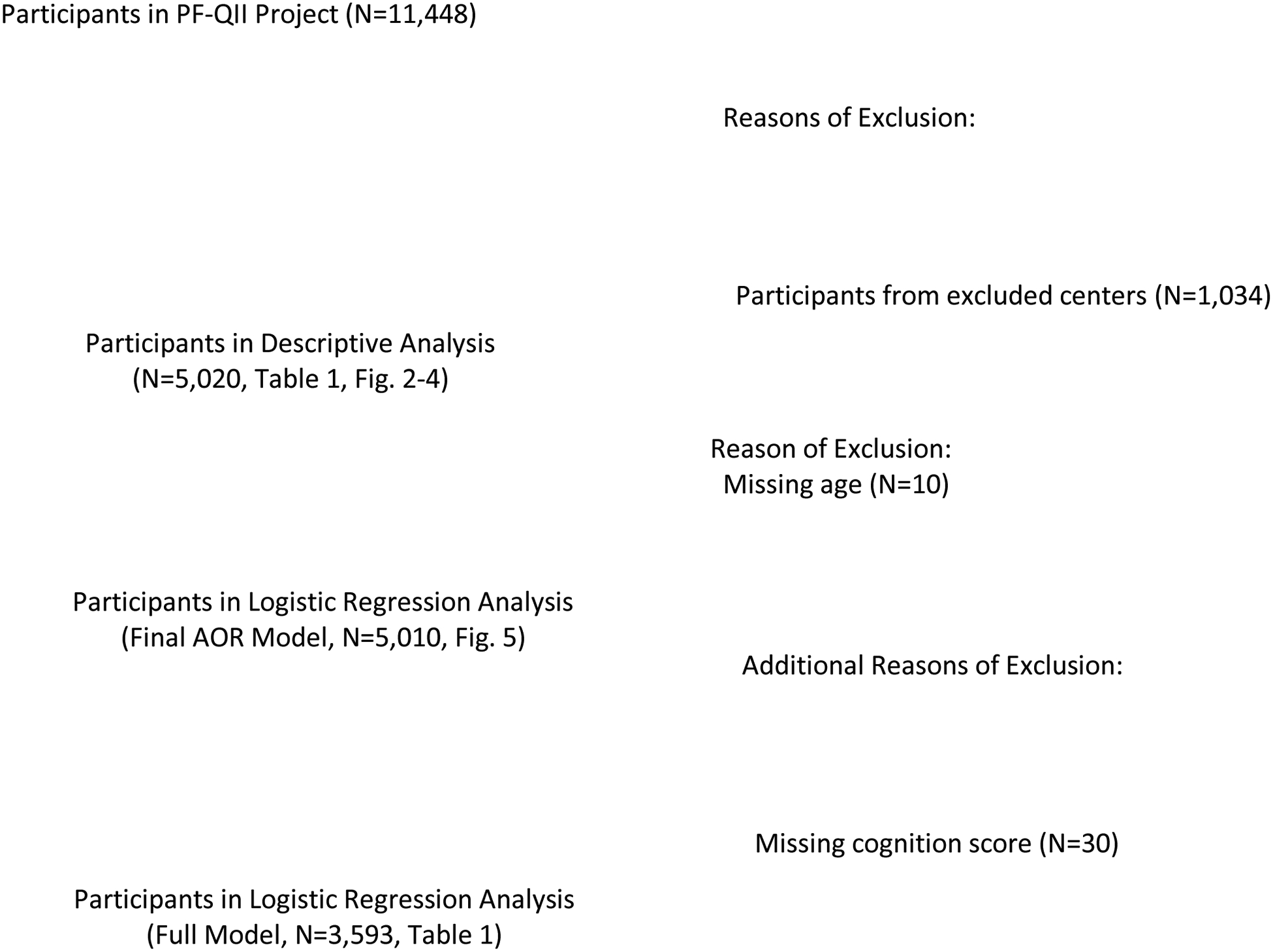
Method: We analyzed data from 5020 participants (4 countries) collected from 1/3/2016 to 4/20/2018 as part of the Parkinson's Foundation Quality Improvement Initiative (PF QII). Data were analyzed for single discipline and multidiscipline referrals to speech language pathology (SLP), physical therapy (PT), and occupational therapy (OT). Group comparisons (referred vs. not-referred) and regression procedures were implemented to determine demographic and clinical variables that were associated with an increased likelihood of rehabilitation referral.
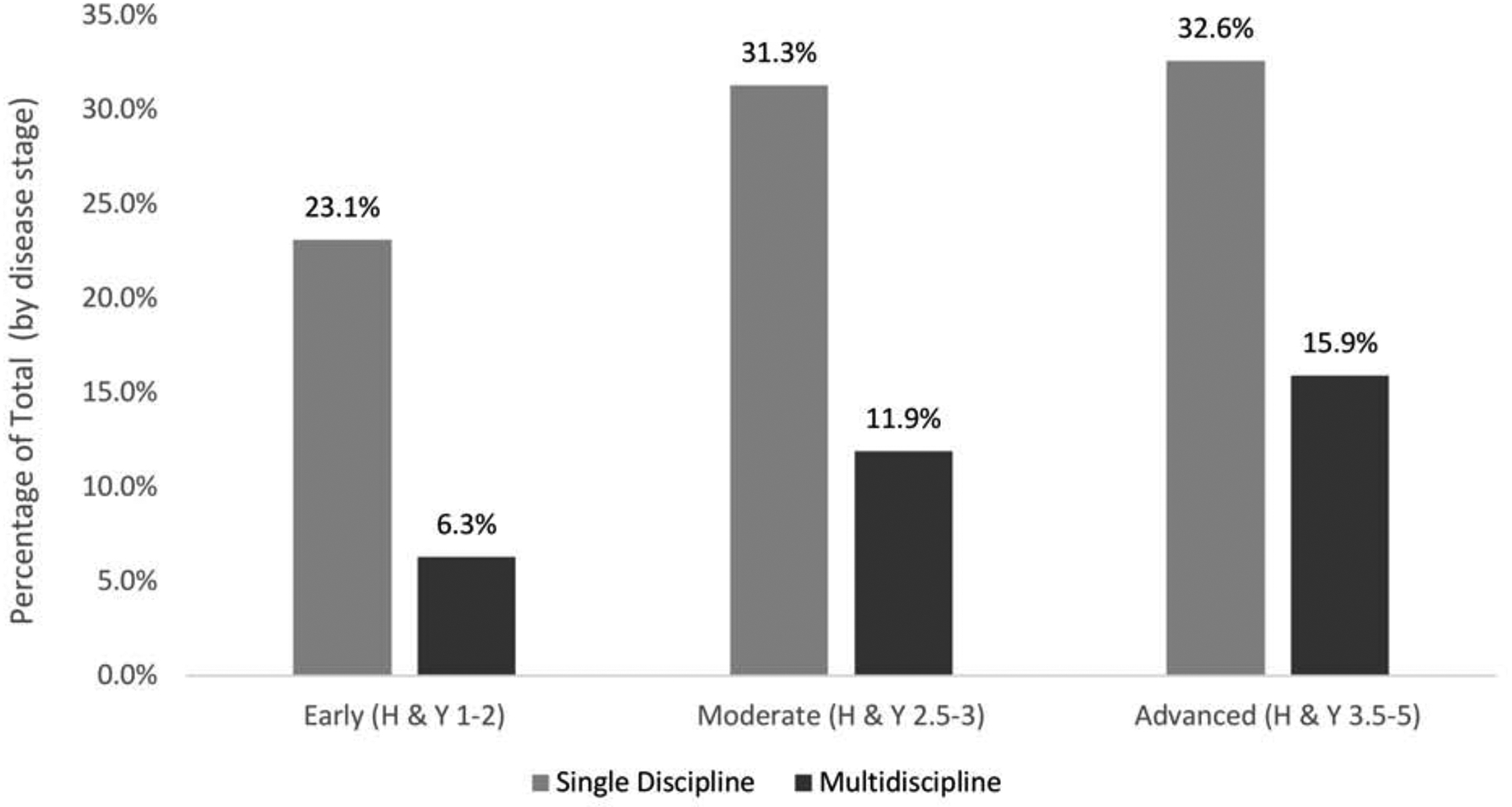
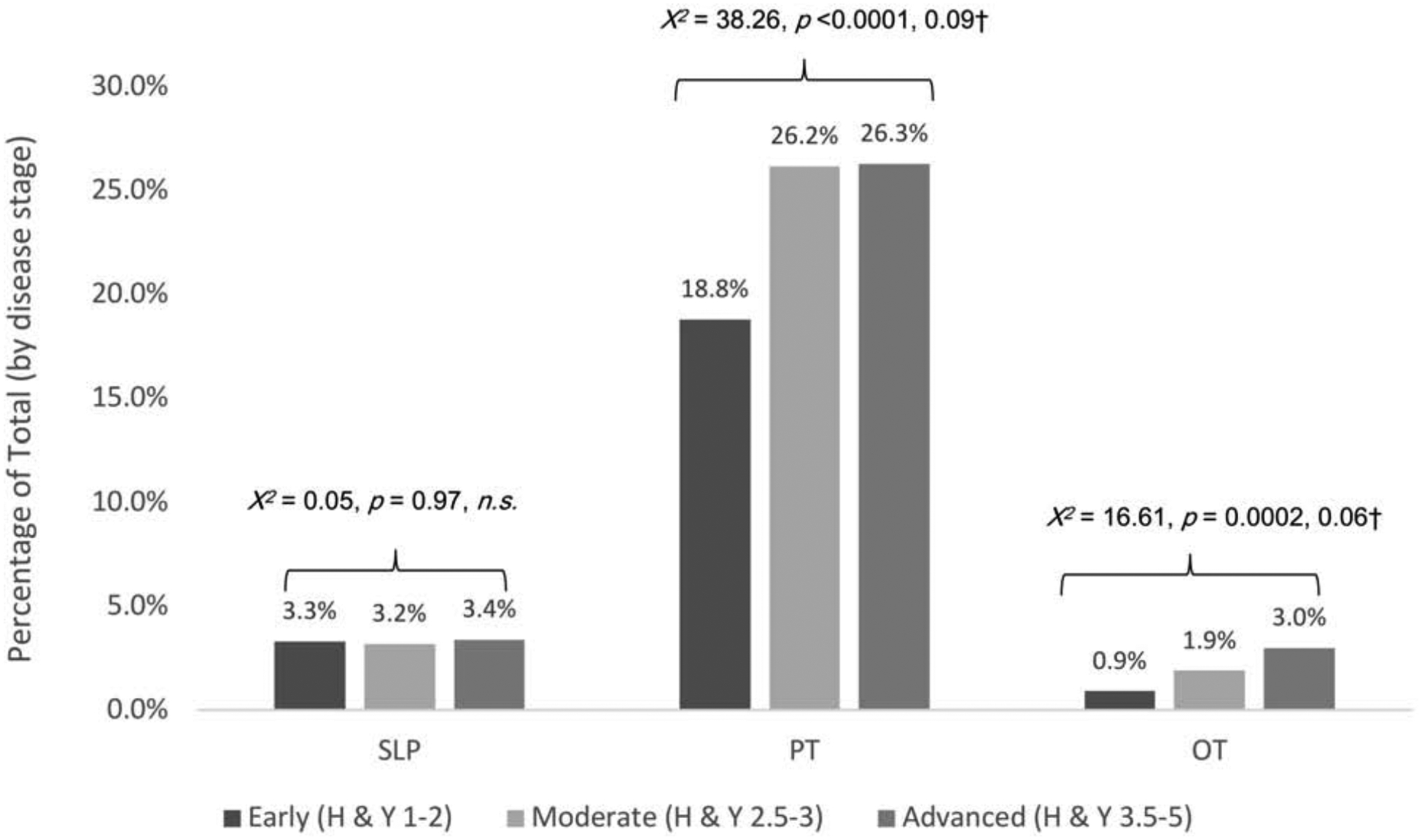
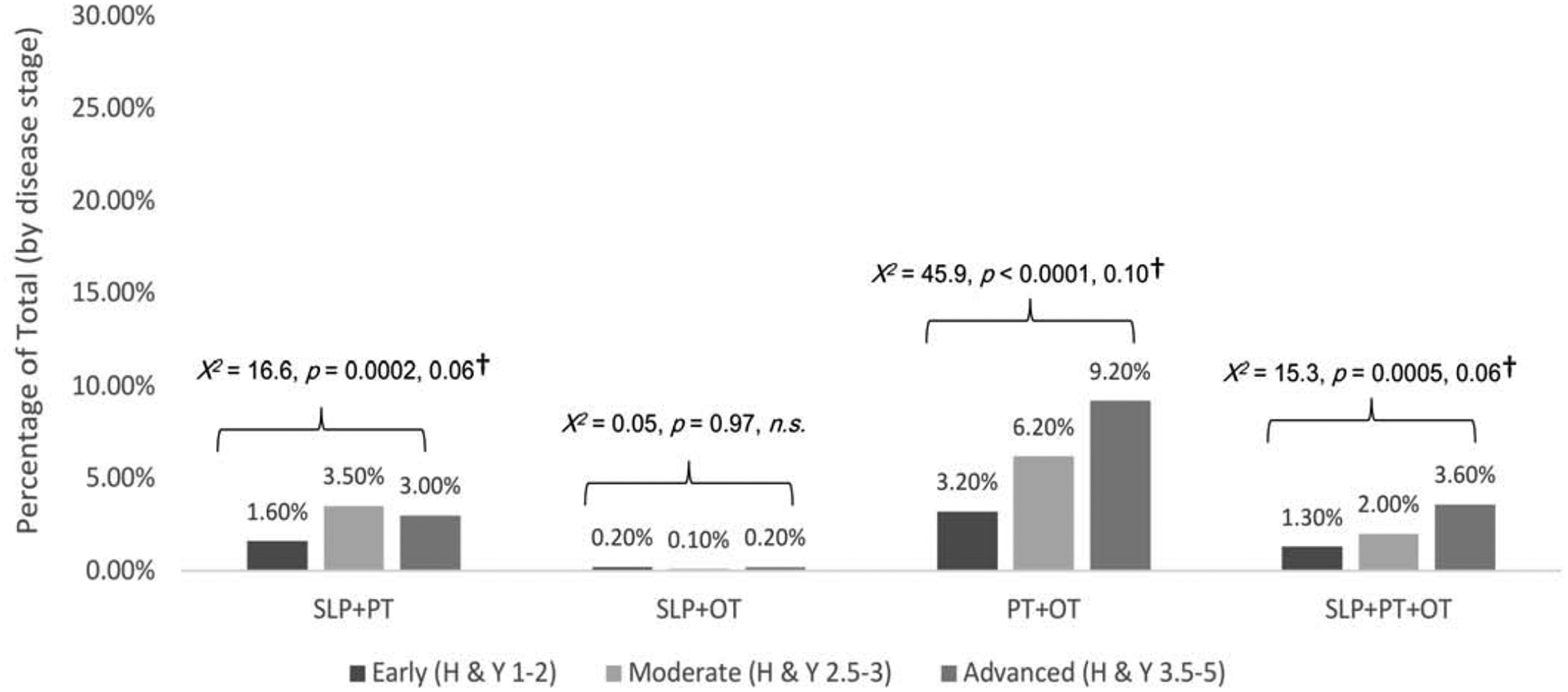
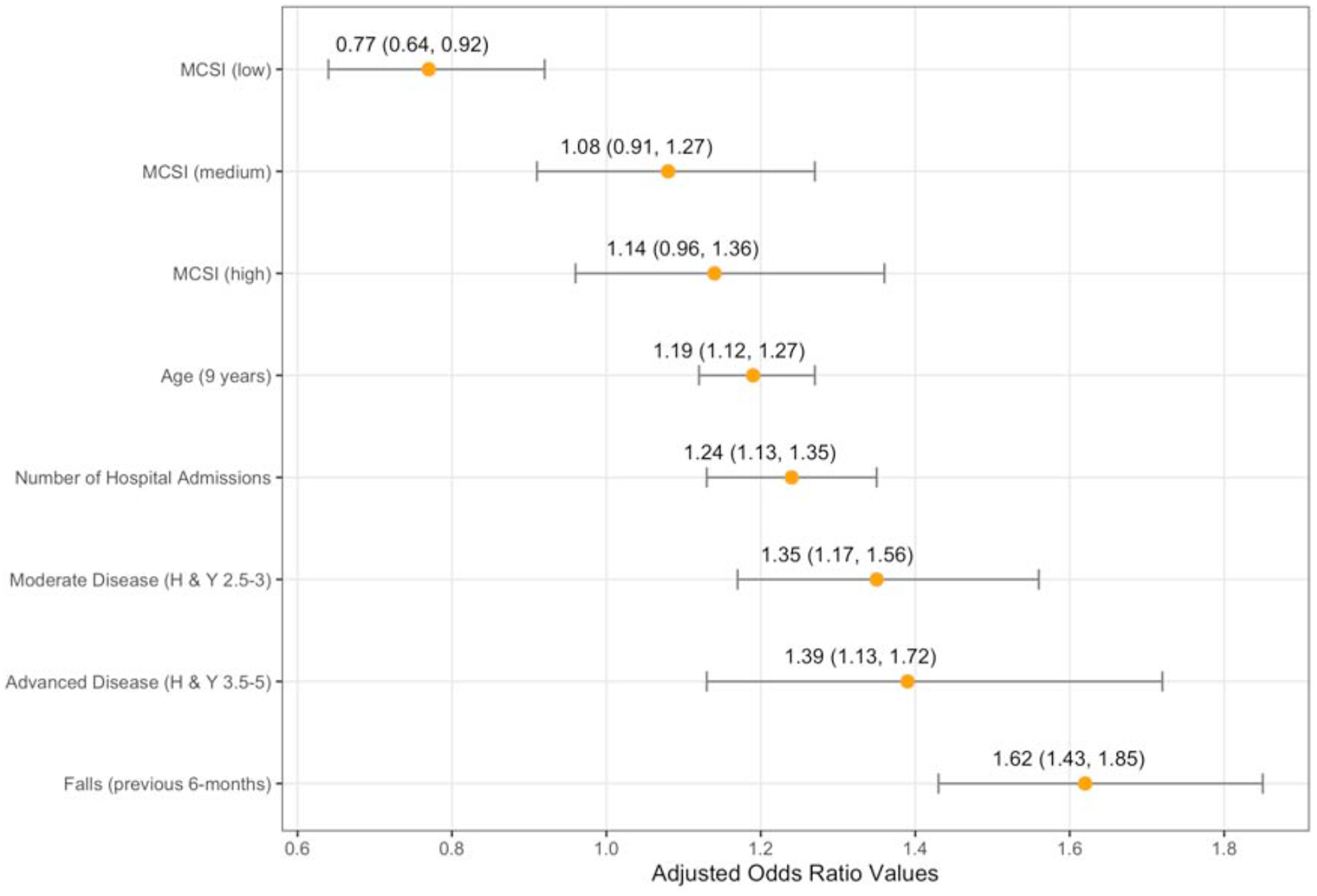
Results: 35.3% of participants were referred to rehabilitation services. Of these, 25.1% received a multidiscipline referral. There was a statistically significant effect of disease stage on both single discipline (χ2(2) = 45.1, p < 0.0001) and multidiscipline (χ2(2) = 74.2, p < 0.0001) referrals, with higher rates in later stages. Referred vs. not-referred participants differed significantly on a number of variables; however, only falls in the 6-months prior, advanced- and moderate-stage disease, older age, hospital admissions, and higher caregiver burden were associated with an increased likelihood of rehabilitation referral (adjusted odds ratios ≥ 1, Range = 1.08 to 1.62).
Conclusions: Despite evidence supporting multidiscipline and proactive rehabilitation in PD, the majority of referrals were made to a single service and may be reactions to falls or advancing disease. Data suggest there may be missed opportunities for optimizing care through proactive rehabilitation interventions.
Keywords: Allied health; Expert care centers; OT; Occupational therapy; PT; Parkinson's disease; Physical therapy; Physiotherapy; Referrals; Rehabilitation; SLP; Speech language pathology; Speech therapy; Utilization.
Copyright © 2020 Elsevier Ltd. All rights reserved.
Figures
Comment in
-
The sobering and puzzling reality of rehabilitation referrals for Parkinson disease.Parkinsonism Relat Disord. 2021 Feb;83:113-114. doi: 10.1016/j.parkreldis.2021.01.016. Epub 2021 Feb 1. Parkinsonism Relat Disord. 2021. PMID: 33551313 Free PMC article. No abstract available.
References
-
- Bryant M, Rintala D, Lai E, Protas E, Needs for rehabilitation services in veterans with Parkinson’s disease (PD), Mov. Disord 26 (2011) S290.
-
- Fullard ME, Thibault DP, Hill A, Fox J, Bhatti DE, Burack MA, Dahodwala N, Haberfeld E, Kern DS, Klepitskava OS, Urrea-Mendoza E, Myers P, Nutt J, Rafferty MR, Schwalb JM, Shulman LM, Willis AW, Parkinson Study Group Healthcare Outcomes and Disparities Working Group, Utilization of rehabilitation therapy services in Parkinson disease in the United States, Neurology. 89 (2017) 1162–1169. doi: 10.1212/WNL.0000000000004355. - DOI - PMC - PubMed
Publication types
MeSH terms
Grants and funding
LinkOut - more resources
Full Text Sources
Other Literature Sources
Medical
