Meta-Analysis
. 2021 Mar 1;1863(3):183533.
doi: 10.1016/j.bbamem.2020.183533. Epub 2020 Dec 17.

A 10-year meta-analysis of membrane protein structural biology: Detergents, membrane mimetics, and structure determination techniques

Affiliations
Meta-Analysis

A 10-year meta-analysis of membrane protein structural biology: Detergents, membrane mimetics, and structure determination techniques

Brendon C Choy et al. Biochim Biophys Acta Biomembr. .

Abstract

Structure determination of membrane proteins is critical to the molecular understanding of many life processes, yet it has historically been a technically challenging endeavor. This past decade has given rise to a number of technological advancements, techniques, and reagents, which have facilitated membrane protein structural biology, resulting in an ever-growing number of membrane protein structures determined. To collate these advances, we have mined available literature to analyze the purification and structure determination specifics for all uniquely solved membrane protein structures from 2010 to 2019. Our analyses demonstrate the strong impact of single-particle cryo-electron microscopy on the field and illustrate how this technique has affected detergent and membrane mimetic usage. Furthermore, we detail how different structure determination methods, taxonomic domains and protein classes have unique detergent/membrane mimetic profiles, highlighting the importance of tailoring their selection. Our analyses provide a quantitative overview of where the field of membrane protein structural biology stands and how it has developed over time. We anticipate that these will serve as a useful tool to streamline future membrane protein structure determination by guiding the choice of detergent/membrane mimetic.

Keywords: Amphipols; Detergent mimetics; Detergents; Membrane proteins; Nanodiscs; Single-particle cryo-electron microscopy; Structural biology; X-ray crystallography.


Conflict of interest statement

Declaration of competing interests

The authors declare that they have no known competing financial interests or personal relationships that could have appeared to influence the work reported in this paper.

E.E.P. Jr. was formerly employed by Anatrace Products, LLC, a manufacturer and vendor of detergents and lipids.

Figures
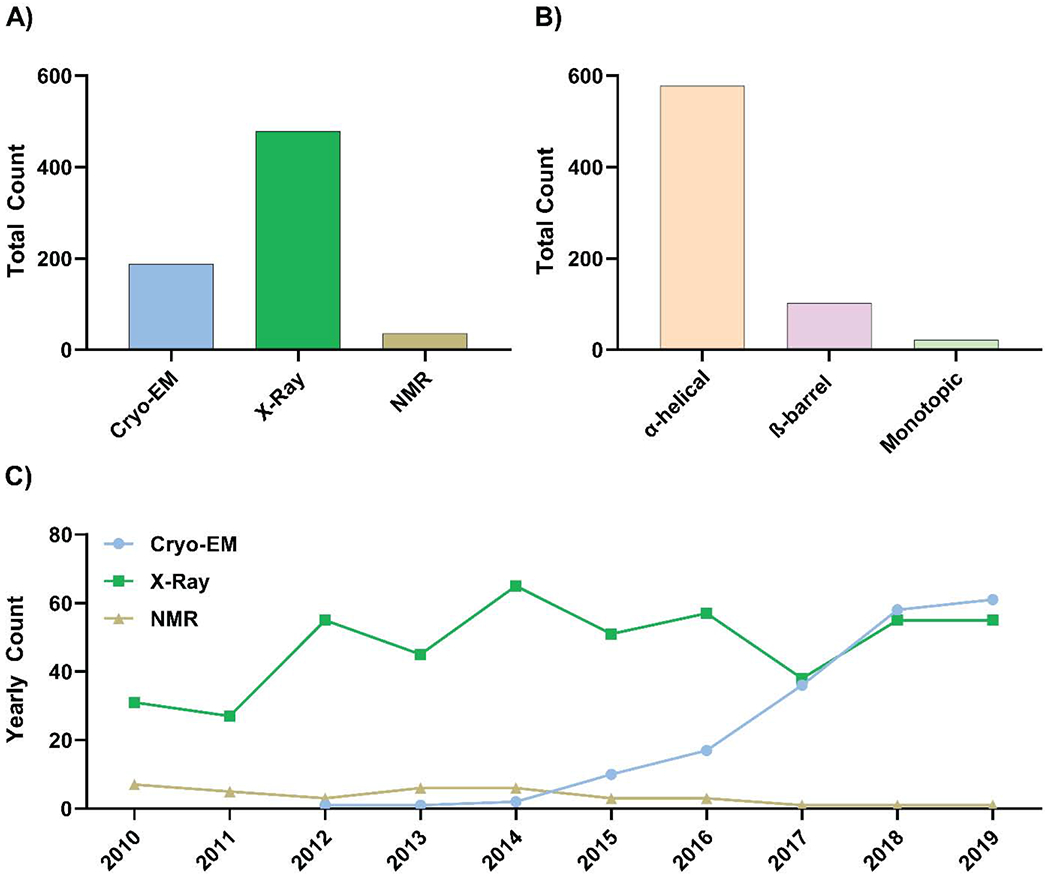
Figure 1:
Figure 1:. Methods used in membrane protein structural biology and an overview of topology of transmembrane proteins within the dataset.
A) The total number of unique membrane proteins structures solved by cryo-EM, X-ray crystallography, or NMR from 2010-2019. B) Total counts of unique alpha-helical, beta-barrel, or monotopic transmembrane protein structures solved from 2010-2019. C) Yearly counts of unique membrane protein structures solved using either single-particle cryo-EM, X-ray crystallography, or NMR from 2010-2019. For (A) and (C), X-ray crystallographic structures include those solved using bicelle, dialysis, LCP, micro-batch, and vapor diffusion.
Figure 2:
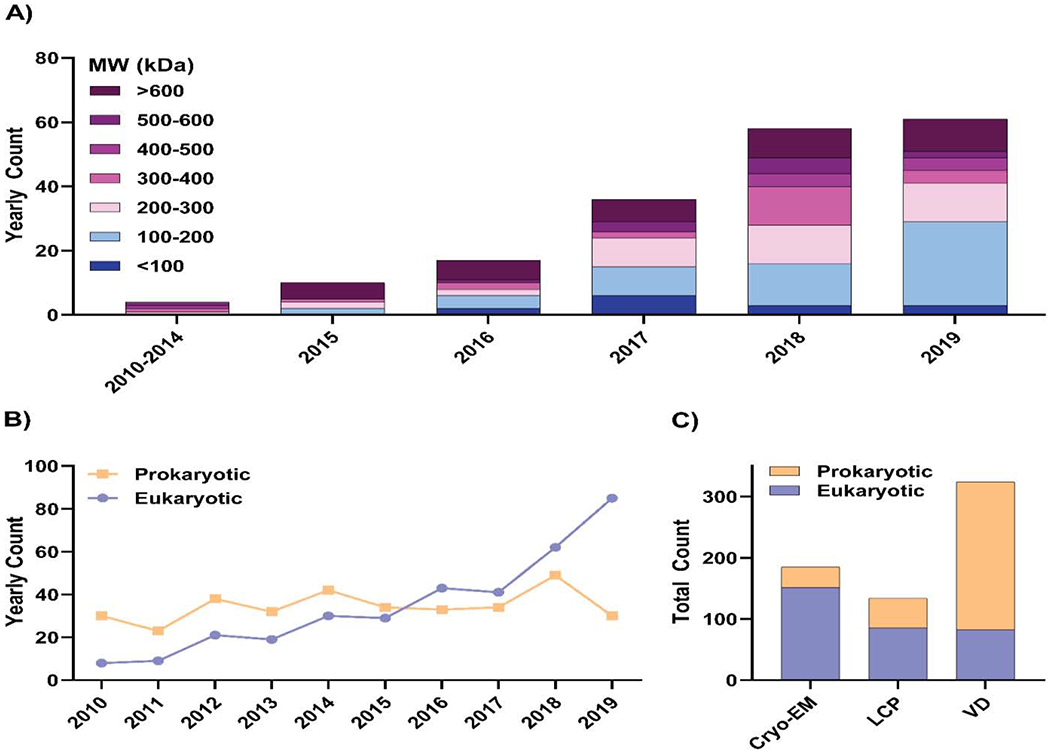
Figure 2:. Cryo-EM, the resolution revolution, and its influence on the nature of structures solved.
A) Yearly counts of unique single-particle cryo-EM membrane protein structures solved from 2010-2019 and a breakdown of their molecular weights in bins of 100 kDa. B) Yearly counts of unique prokaryotic and eukaryotic membrane protein structures solved from 2010-2019. C) Comparison of unique prokaryotic and eukaryotic membrane protein structures solved by either cryo-EM, LCP, or vapor diffusion (VD).
Figure 3:
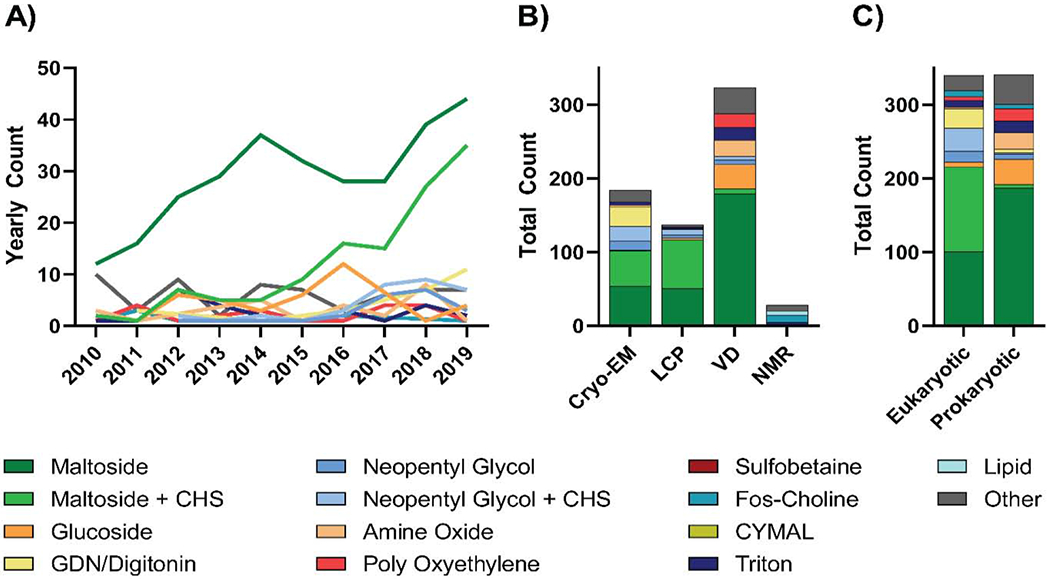
Figure 3:. Trends in detergents used for membrane protein solubilization.
A) Year-by-year analysis of detergent classes used for solubilization of membrane proteins with unique structures solved between 2010 and 2019. B) Analysis of solubilization detergents used for unique membrane protein structures solved by either single-particle cryo-EM, LCP, vapor diffusion (VD), or NMR from 2010 to 2019. C) Comparison of detergents used to solubilize prokaryotic and eukaryotic membrane proteins with unique structures from 2010-2019. For each analysis, detergents were classified as outlined in Table 1 and the least commonly used detergents were collapsed into an “other” category which represented coverage of no more than 10% of proteins analyzed.
Figure 4:
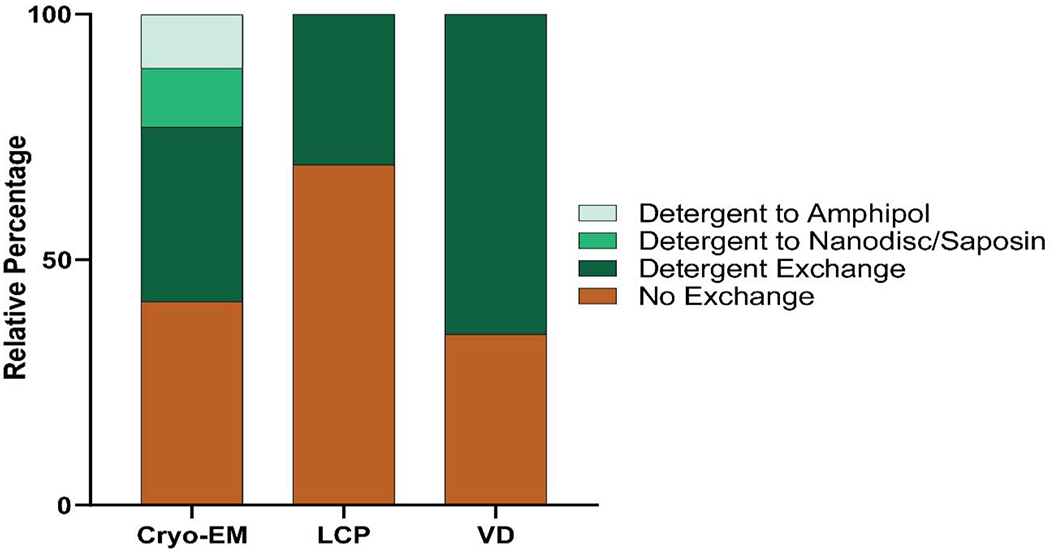
Figure 4:. Changes in conditions between solubilization and structure determination for different structure determination methods.
No exchange signifies that the protein was maintained in the same detergent condition throughout the entire protein purification and structure determination process. Detergent exchange signifies that detergent was exchanged into a different detergent. For single-particle cryo-EM specifically, proteins could also be exchanged into lipid nanodiscs/saposin or amphipols for structure determination.
Figure 5:
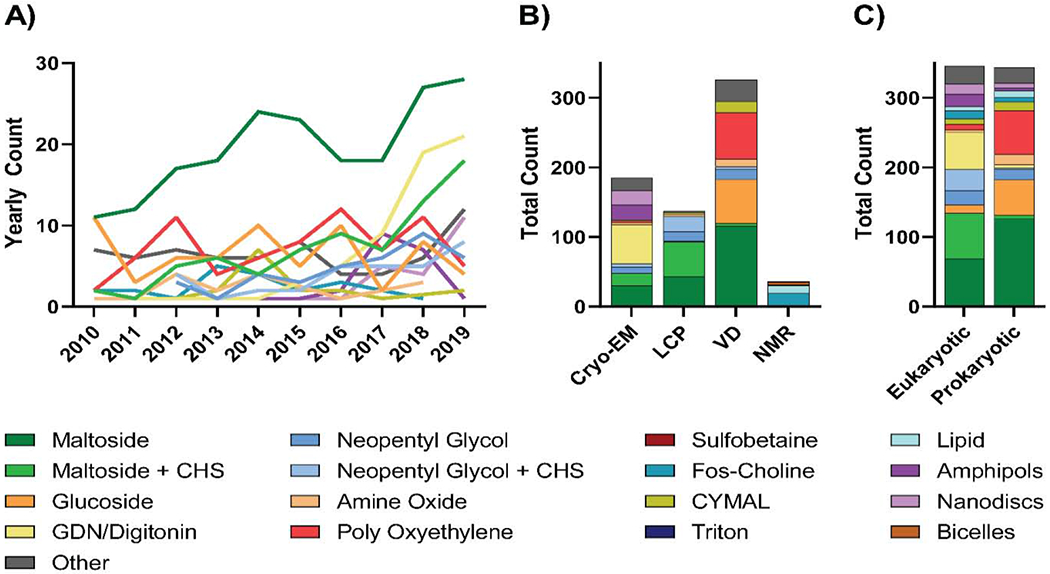
Figure 5:. Trends in structure determination conditions for membrane protein structures.
A) Year-by-year analysis of structure determination conditions used for unique membrane protein structures solved between 2010 and 2019. B) Analysis of structure determination conditions used for unique membrane protein structures solved using either single-particle cryo-EM, LCP, vapor diffusion (VD), NMR from 2010 to 2019. C) Comparison of structure determination conditions used for prokaryotic and eukaryotic membrane proteins with unique structures from 2010-2019. For each analysis, detergents were classified as outlined in Table 1 and the least commonly used detergents were collapsed into an “other” category which represented coverage of no more than 10% of proteins analyzed.
Figure 6:
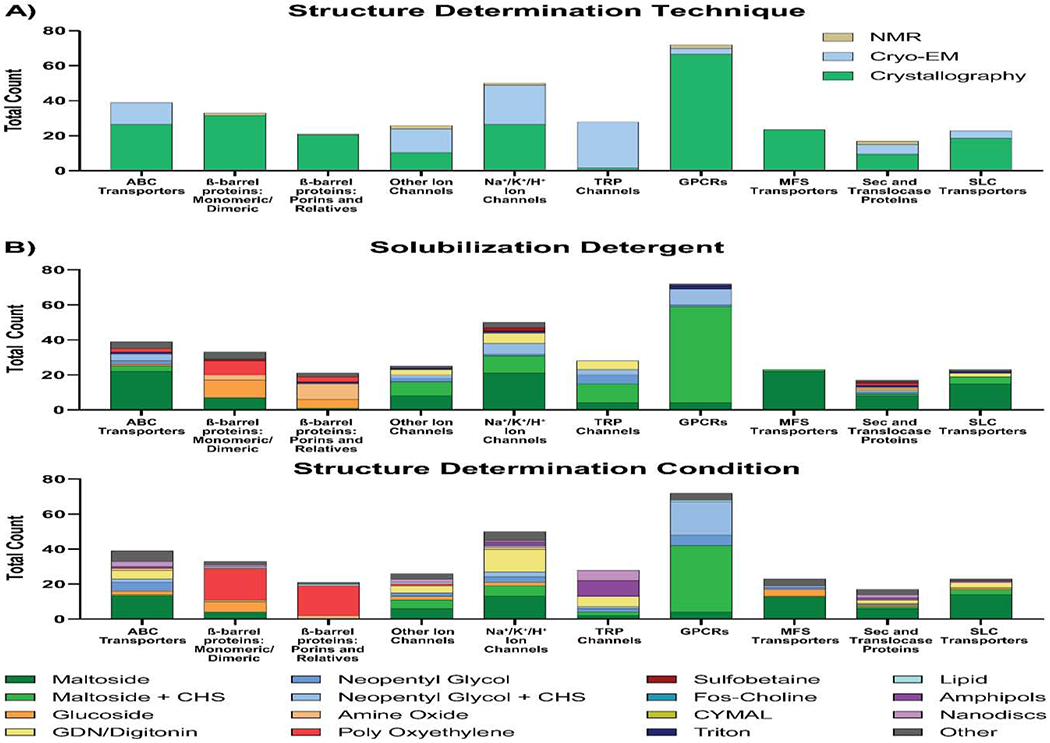
Figure 6:. Conditions used to solve structures of the ten most-commonly solved membrane proteins classes.
A) Structure determination techniques used to solve unique structures of the ten most commonly solved classes of membrane proteins, as classified by Dr. Stephen White’s Database at UC Irvine (https://blanco.biomol.uci.edu/mpstruc/) [13]. B) Analysis of the solubilization detergents (top) and the structure determination conditions (bottom) used for each protein class. For each analysis, detergents were classified as outlined in Table 1 and the least commonly used detergents were collapsed into an “other” category which represented coverage of no more than 10% of proteins analyzed.

References

    1. Fagerberg L, et al. Prediction of the human membrane proteome. Proteomics, 2010. 10(6): p. 1141–9. - PubMed
    1. Drews J, Drug discovery: a historical perspective. Science, 2000. 287(5460): p. 1960–4. - PubMed
    1. Overington JP, Al-Lazikani B, and Hopkins AL, How many drug targets are there? Nat Rev Drug Discov, 2006. 5(12): p. 993–6. - PubMed
    1. Berman HM, et al. The Protein Data Bank. Nucleic Acids Res, 2000. 28(1): p. 235–42. - PMC - PubMed
    1. Wiener MC, A pedestrian guide to membrane protein crystallization. Methods, 2004. 34(3): p. 364–72. - PubMed

Publication types

MeSH terms

LinkOut - more resources