


Antioxidant, Anti-Inflammatory and Anti-Angiogenic Properties of Citrus lumia Juice
- PMID: 33343362
- PMCID: PMC7744484
- DOI: 10.3389/fphar.2020.593506
Antioxidant, Anti-Inflammatory and Anti-Angiogenic Properties of Citrus lumia Juice
Abstract
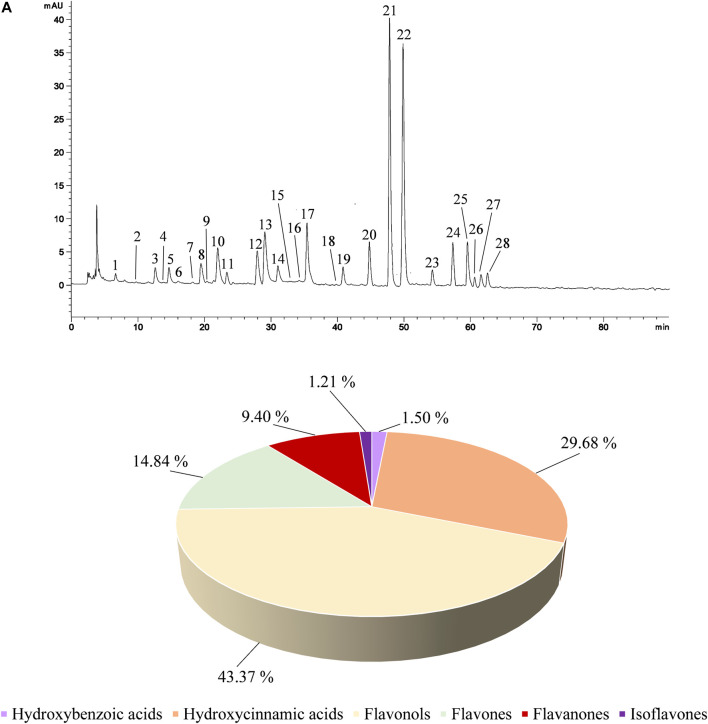
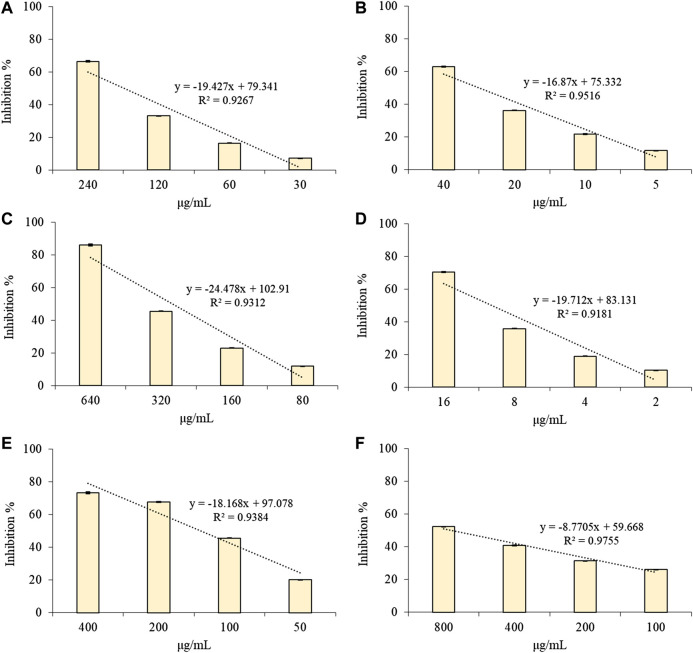
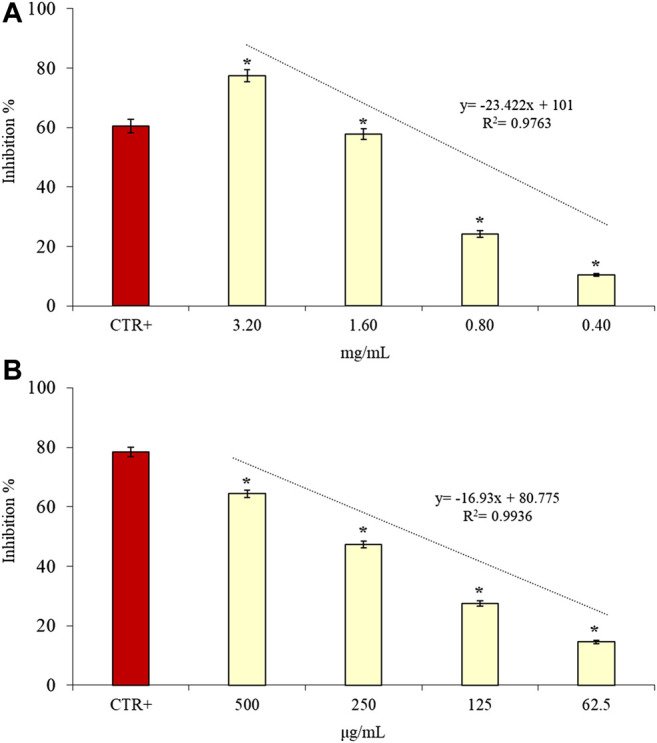
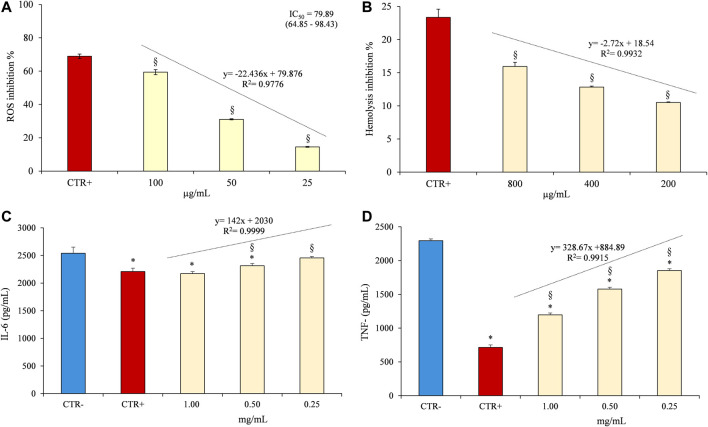
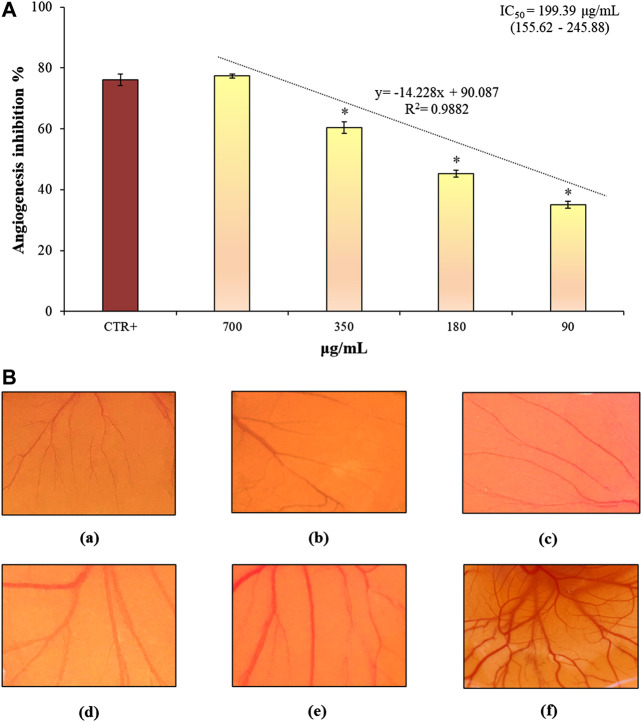
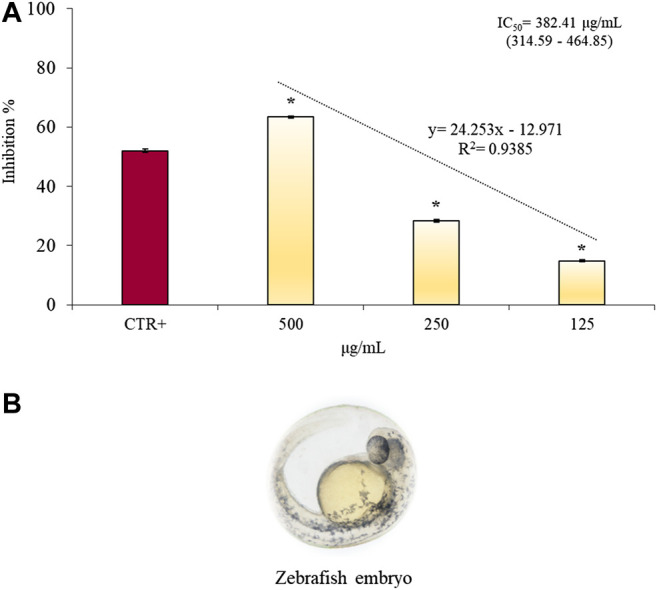
Citrus juices are a rich source of bioactive compounds with various and well-known health benefits. The aim of this study was to investigate the polyphenols and ascorbic acid content as well as to investigate the antioxidant, anti-inflammatory and anti-angiogenic properties of the juice of an ancient Mediterranean species, Citrus lumia Risso (CLJ). The antioxidant and anti-inflammatory activities were evaluated by several in vitro cell-free and cell-based assays, whereas two different in vivo models, the chick chorioallantoic membrane (CAM) and the zebrafish embryos, were used to characterize the anti-angiogenic properties. Twenty-eight polyphenols were identified by RP-LC-DAD-ESI-MS analysis (flavonoids 68.82% and phenolic acids 31.18%) with 1-caffeoyl-5-feruloylquinic acid and kaempferol 3'-rhamnoside, which represent the most abundant compounds (25.70 and 23.12%, respectively). HPLC-DAD analysis showed a high ascorbic acid content (352 mg/kg of CLJ), which contributes with polyphenols to the marked and dose-dependent antioxidant and anti-inflammatory properties observed. CLJ showed strong and dose-dependent anti-angiogenic activity as highlighted by the inhibition of blood vessel formation on CAMs and the decrease of endogenous alkaline phosphatase on zebrafish embryos. Moreover, within the concentration range tested, no dead or malformed embryos were recorded. Certainly, further studies are needed to investigate the molecular mechanisms underlying these promising biological effects, but considering the evidence of the present study, the use of CLJ as a ready-to drink safe prevention strategy for inflammatory-based diseases correlated to angiogenesis could be justified.
Keywords: anti-angiogenic; anti-inflammatory; antioxidant; ascorbic acid; chick chorioallantoic membrane; citrus juice; polyphenols; zebrafish embryos.
Copyright © 2020 Smeriglio, Denaro, D’Angelo, Germanò and Trombetta.
Conflict of interest statement
The authors declare that the research was conducted in the absence of any commercial or financial relationships that could be construed as a potential conflict of interest.
Figures
References
-
- Bazzicalupo M., Burlando B., Denaro M., Barreca D., Trombetta D., Smeriglio A., et al. (2019). Polyphenol characterization and skin-preserving properties of hydroalcoholic flower extract from Himantoglossum robertianum (orchidaceae). Plants 8 (11), 502–515. 10.3390/plants8110502 - DOI - PMC - PubMed
LinkOut - more resources
Full Text Sources
