


Porphyromonas gingivalis: Immune subversion activities and role in periodontal dysbiosis
- PMID: 33344104
- PMCID: PMC7747940
- DOI: 10.1007/s40496-020-00249-3
Porphyromonas gingivalis: Immune subversion activities and role in periodontal dysbiosis
Abstract
Purpose of review: This review summarizes mechanisms by which Porphyromonas gingivalis interacts with community members and the host so that it can persist in the periodontium under inflammatory conditions that drive periodontal disease.
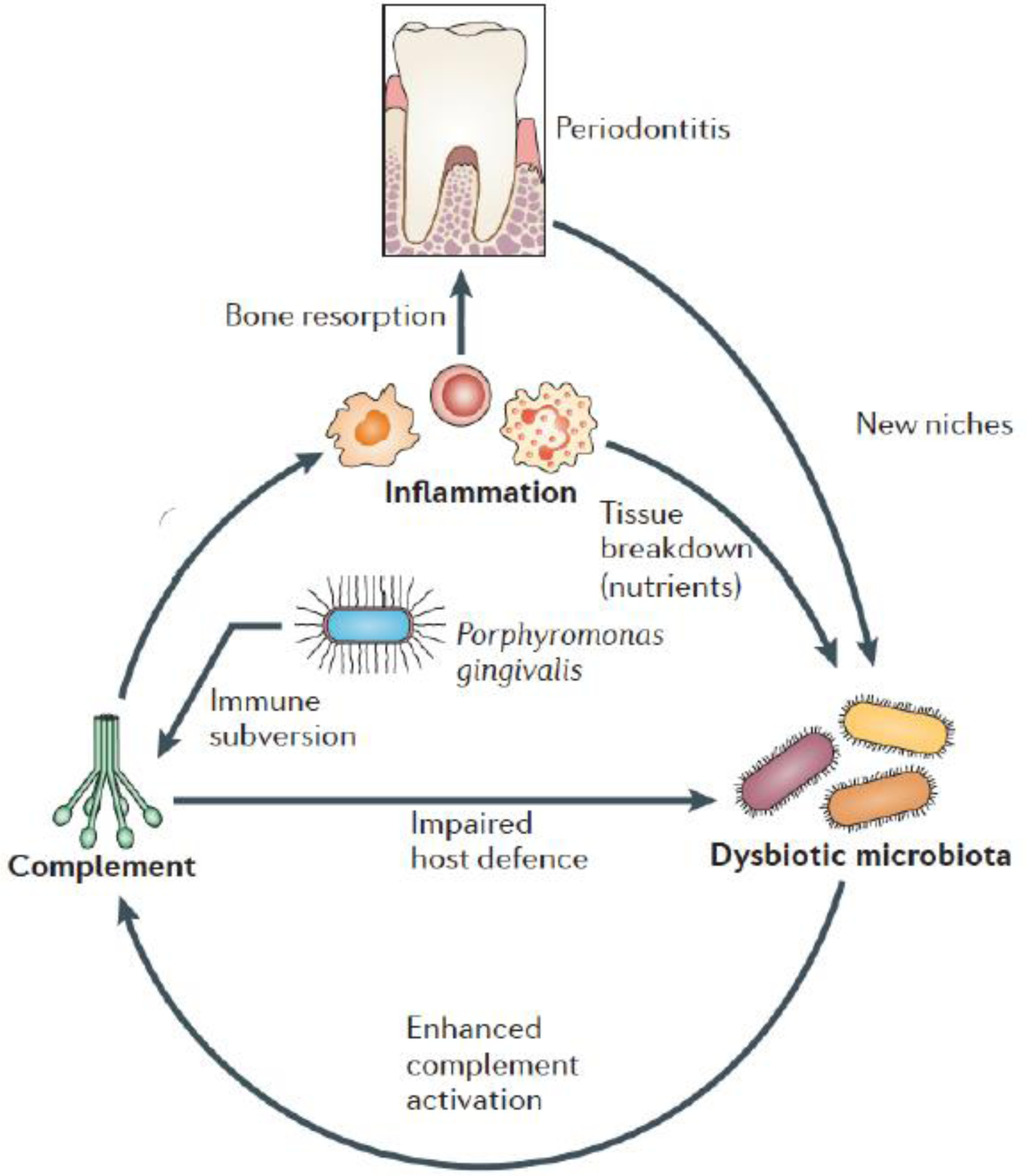
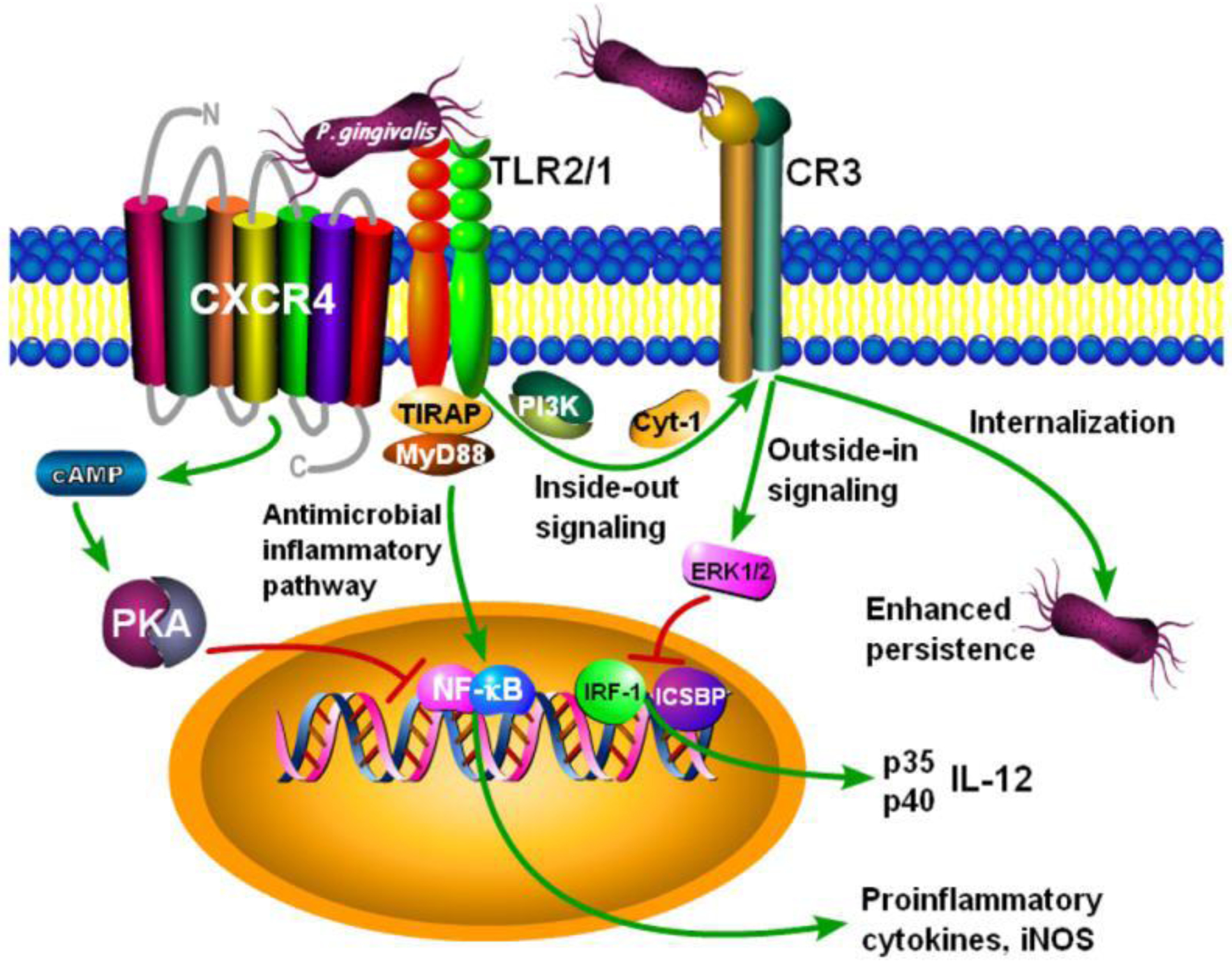
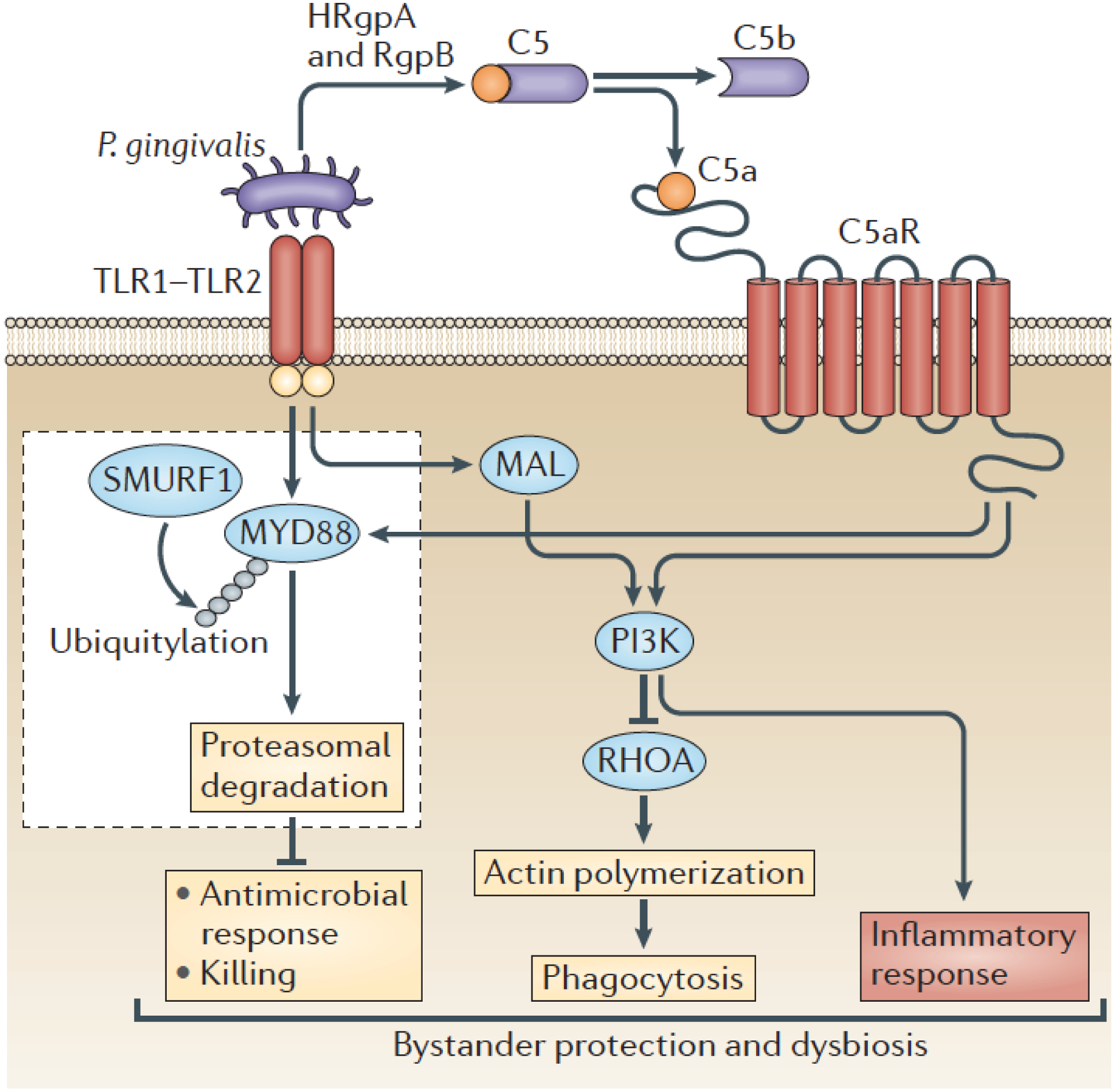
Recent findings: Recent advances indicate that, in great part, the pathogenicity of P. gingivalis is dependent upon its ability to establish residence in the subgingival environment and to subvert innate immunity in a manner that uncouples the nutritionally favorable (for the bacteria) inflammatory response from antimicrobial pathways. While the initial establishment of P. gingivalis is dependent upon interactions with early colonizing bacteria, the immune subversion strategies of P. gingivalis in turn benefit co-habiting species.
Summary: Specific interspecies interactions and subversion of the host response contribute to the emergence and persistence of dysbiotic communities and are thus targets of therapeutic approaches for the treatment of periodontitis.
Keywords: P. gingivalis; dysbiosis; immune subversion; inflammation; periodontitis.
Conflict of interest statement
Conflict of Interest: George Hajishengallis is an inventor of a patent that describes the use of complement inhibitors for therapeutic purposes in periodontal disease. Patricia I. Diaz declares that she has no conflict of interest.
Figures
References
-
- Socransky SS, Haffajee AD, Cugini MA, Smith C, Kent RL Jr. Microbial complexes in subgingival plaque. J Clin Periodontol. 1998;25(2):134–44. - PubMed
-
- Diaz PI, Hoare A, Hong BY. Subgingival Microbiome Shifts and Community Dynamics in Periodontal Diseases. Journal of the California Dental Association. 2016;44(7):421–35. - PubMed
-
- Dominy SS, Lynch C, Ermini F, Benedyk M, Marczyk A, Konradi A et al. Porphyromonas gingivalis in Alzheimer’s disease brains: Evidence for disease causation and treatment with small-molecule inhibitors. Sci Adv. 2019;5(1):eaau3333. - PMC - PubMed
-
••This study identified the presence of gingipains from the keystone pathogen Porphyromonas gingivalis in the brain of Alzheimer’s patients, and showed that inhibition of gingipains by small-molecule inhibitors reduced the P. gingivalis load in a preclinical brain infection model.
-
- Potempa J, Mydel P, Koziel J. The case for periodontitis in the pathogenesis of rheumatoid arthritis. Nature reviews Rheumatology. 2017;13(10):606–20. - PubMed
Grants and funding
LinkOut - more resources
Full Text Sources
Research Materials