Review
. 2020 Dec;6(12):e05684.
doi: 10.1016/j.heliyon.2020.e05684. Epub 2020 Dec 15.

Impact of age, sex, comorbidities and clinical symptoms on the severity of COVID-19 cases: A meta-analysis with 55 studies and 10014 cases

Affiliations
Review

Impact of age, sex, comorbidities and clinical symptoms on the severity of COVID-19 cases: A meta-analysis with 55 studies and 10014 cases

Md Abdul Barek et al. Heliyon. 2020 Dec.

Abstract

Purpose: Severe acute respiratory coronavirus 2 (SARS-CoV-2) cases are overgrowing globally and now become a pandemic. A meta-analysis was conducted to evaluate the impact of age, sex, comorbidities, and clinical characteristics on the severity of COVID-19 to help diagnose and evaluate the current outbreak in clinical decision-making.

Methods: PubMed, ScienceDirect, and BMC were searched to collect data about demographic, clinical characteristics, and comorbidities of COVID-19 patients. Meta-analysis was conducted with Review Manager 5.3. Publication bias was assessed using Egger's test and Begg-Mazumdar's rank correlation.

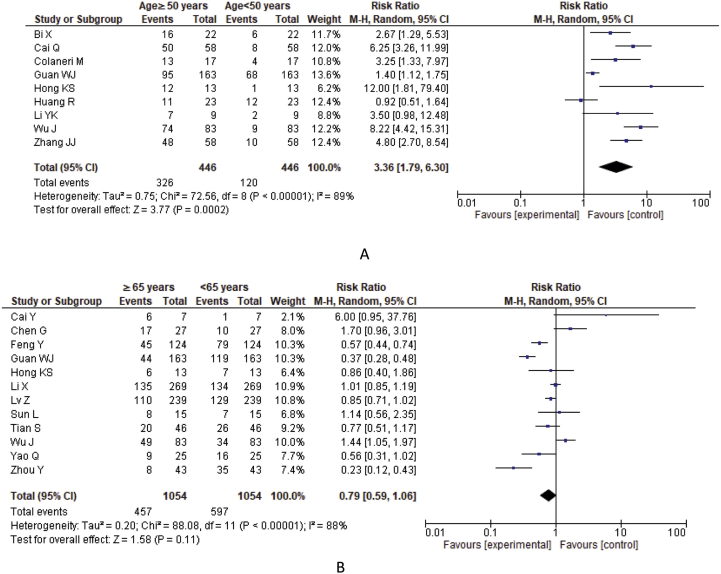
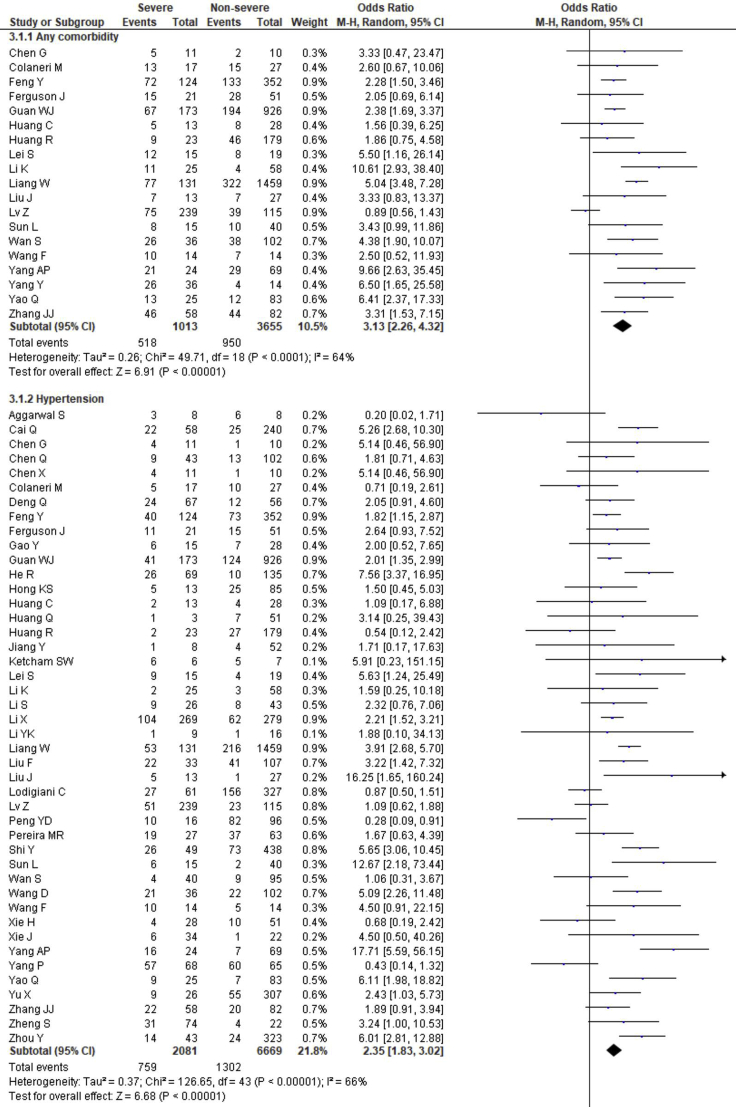
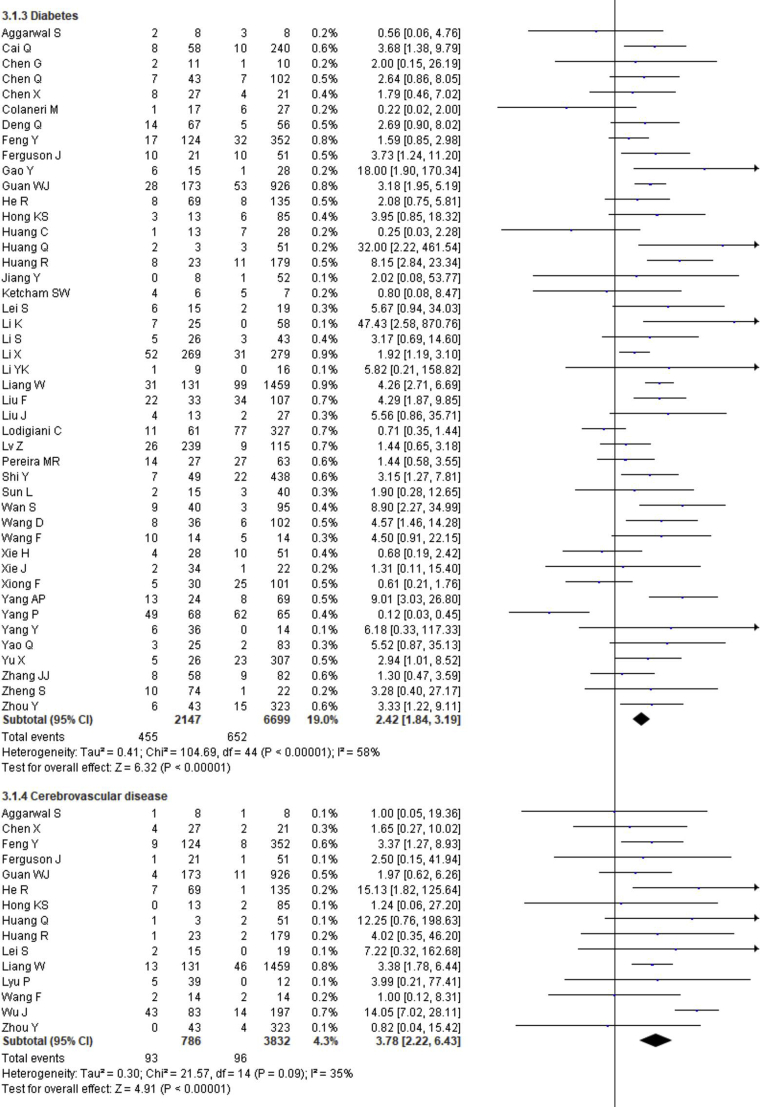
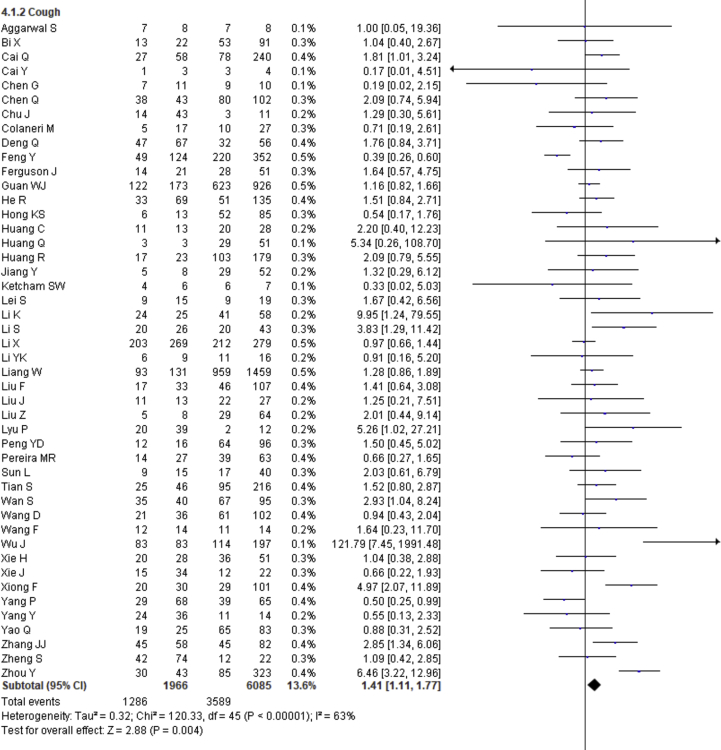
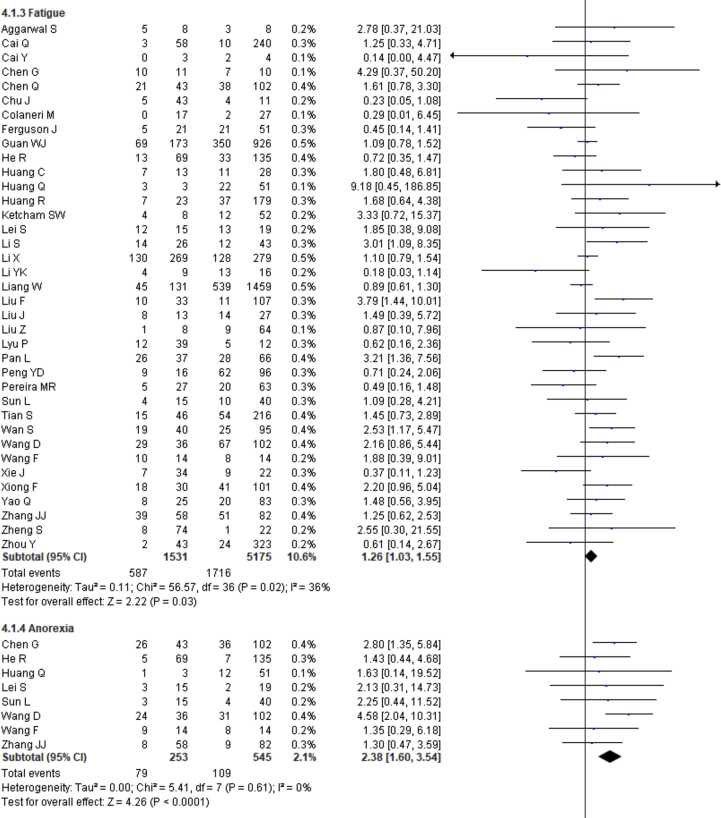
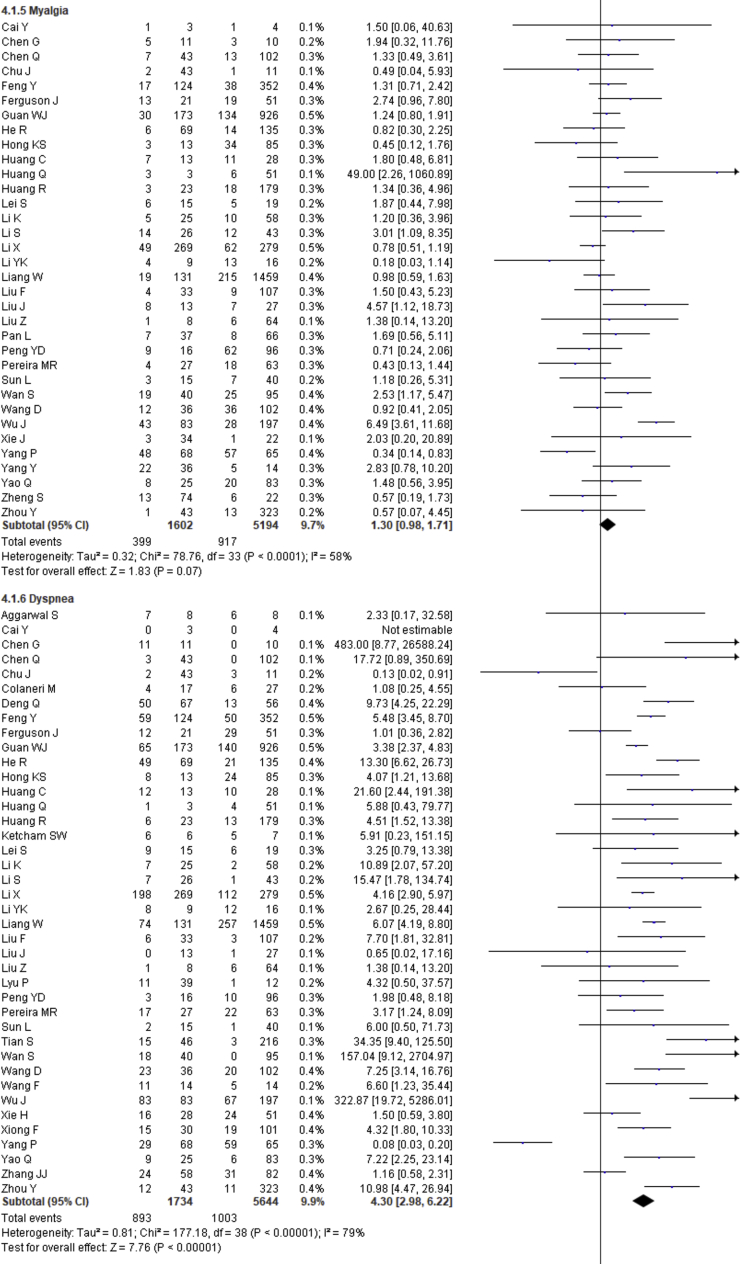
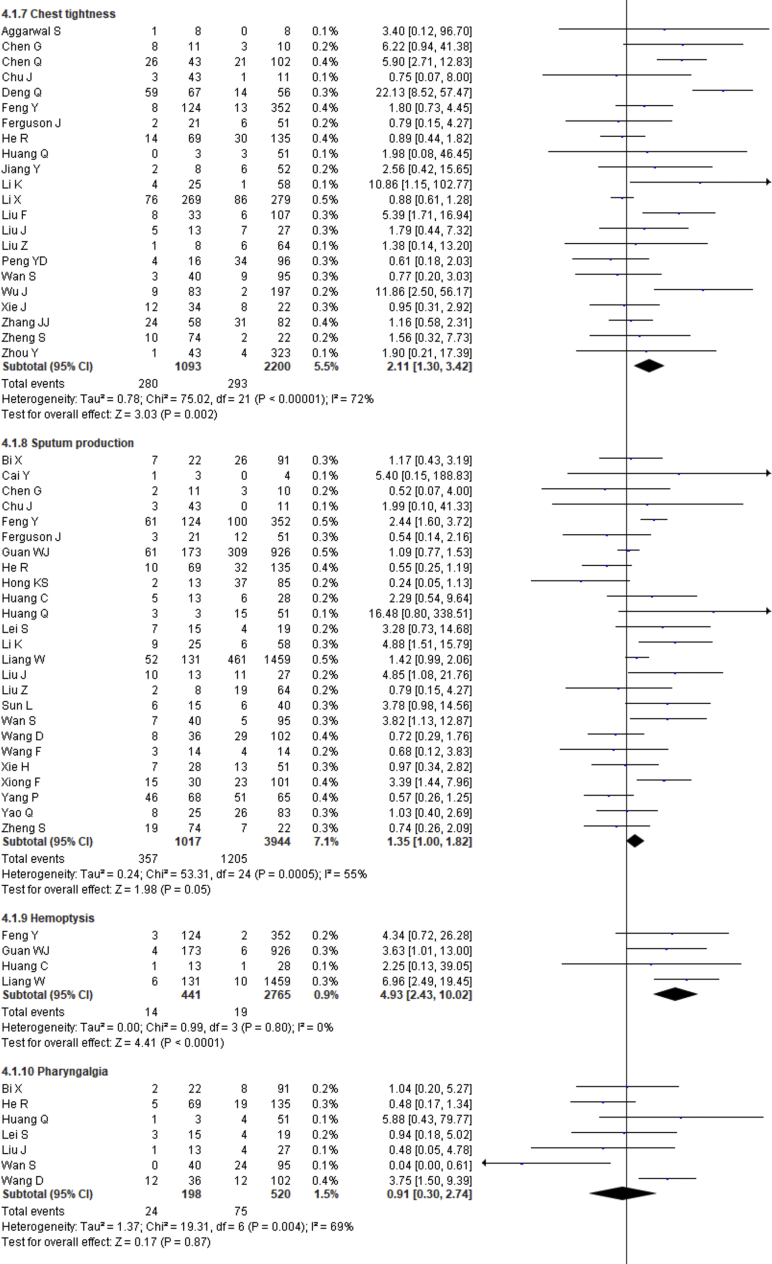
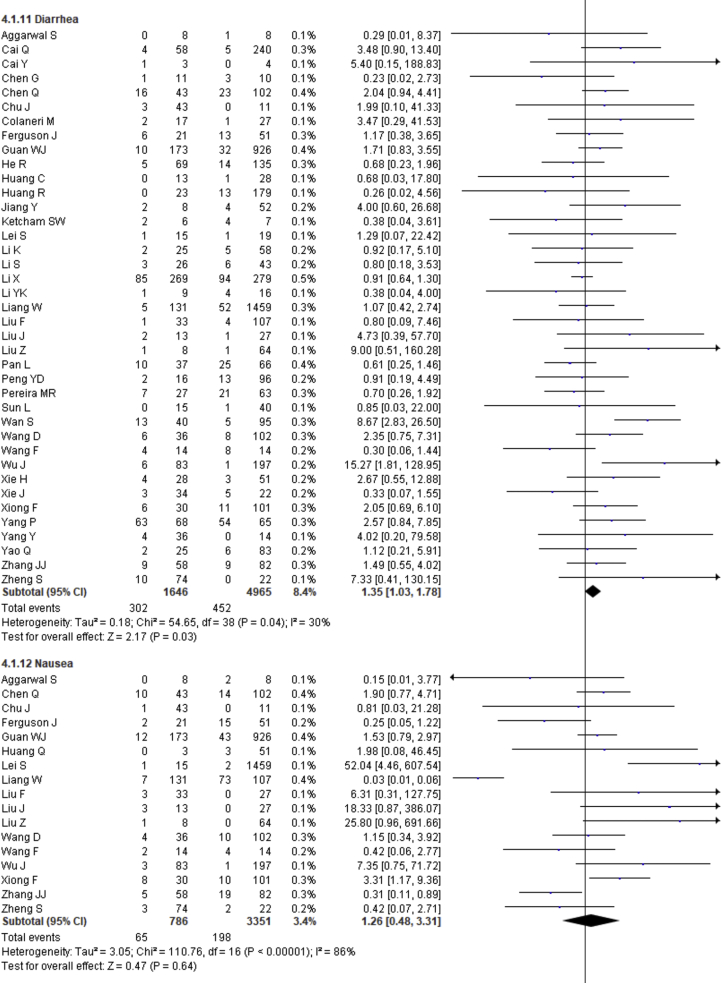
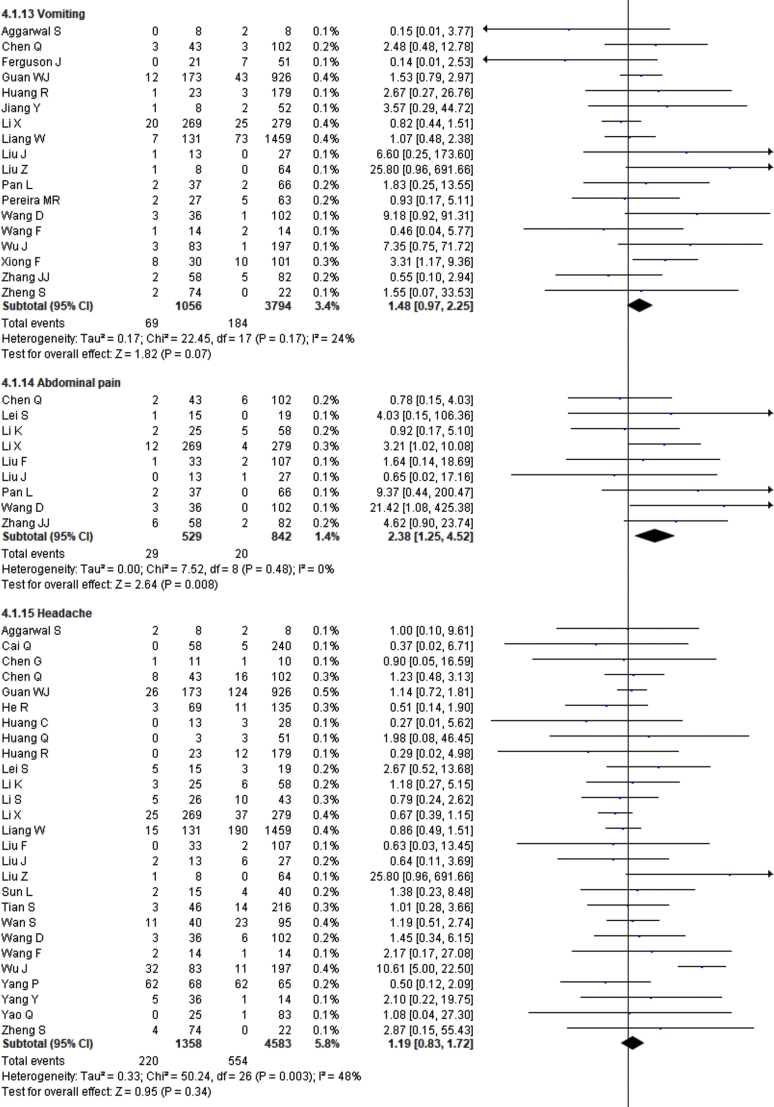
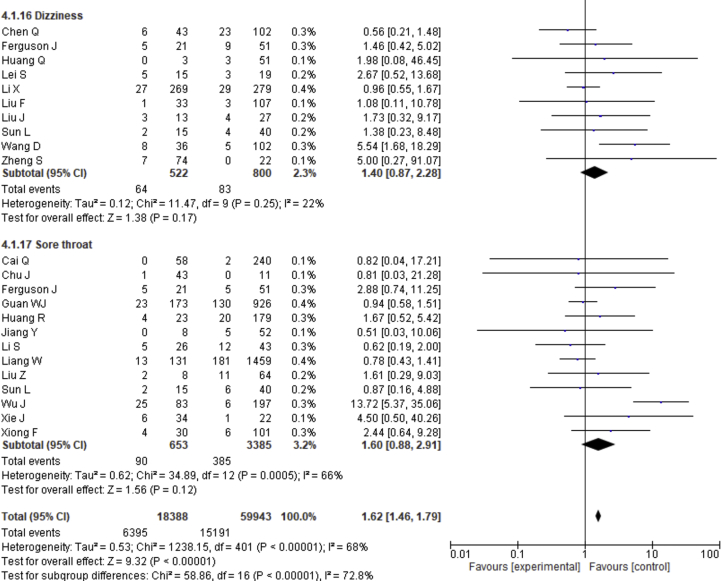
Results: Fifty-five studies were included in this meta-analysis, including 10014 patients with SARS-CoV-2 infection. Male cases and cases with an age of ≥50 years (OR = 2.41, p < 0.00001; RR = 3.36, p = 0.0002, respectively) were severely affected by SARS-CoV-2. Patients having age≥65 years are not associated (p = 0.110) with the severity of COVID-19. Presence of at least one comorbidity or hypertension, diabetes, cerebrovascular disease, cardiovascular diseases, respiratory disease, malignancy, chronic kidney disease and chronic liver diseases individually increased the severity of COVID-19 cases significantly (OR = 3.13, p < 0.00001; OR = 2.35, p < 0.00001; OR = 2.42, p < 0.00001; OR = 3.78, p < 0.00001; OR = 3.33, p < 0.00001; OR = 2.58, p < 0.00001; OR = 2.32, p < 0.00001; OR = 2.27, p = 0.0007; OR = 1.70, p = 0.003, respectively). Clinical manifestation such as fever, cough, fatigue, anorexia, dyspnea, chest tightness, hemoptysis, diarrhea and abdominal pain (OR = 1.68, p = 0.0001; OR = 1.41, p = 0.004; OR = 1.26, p = 0.03; OR = 2.38, p < 0.0001; OR = 4.30, p < 0.00001; OR = 2.11, p = 0.002; OR = 4.93, p < 0.0001; OR = 1.35, p = 0.03; OR = 2.38, p = 0.008, respectively) were significantly associated with the severity of cases. No association of severity was found with myalgia, pharyngalgia, nausea, vomiting, headache, dizziness and sore throat (p > 0.05). No publication bias was found in case of age (≥50 years, age≥65 years), comorbidities and clinical manifestations.

Conclusions: Males patients and elderly or older patients (age ≥50 years) are at higher risk of developing severity, whereas comorbidities and clinical manifestations could significantly affect the prognosis and severity of COVID-19.

Keywords: Clinical manifestation; Comorbidity; Covid-19; Critical care; Health informatics; Meta-analysis; Microbiology; Nonsevere; Pneumonia; Risk factor; Severe; Travel medicine; Viral disease; Virology.


Figures

Figure 1
Figure 1
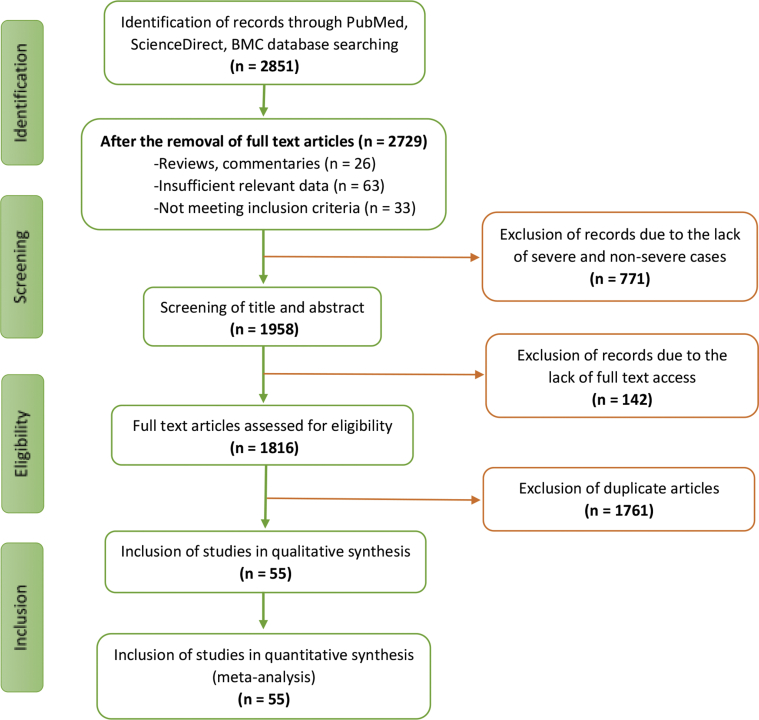
Flow chart illustrating the literature search and study selection.
Figure 2
Figure 2
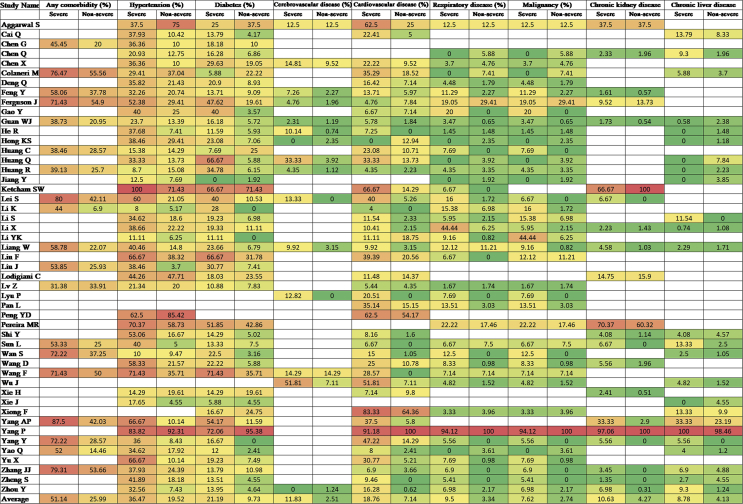
Comorbidities of COVID-19 cases of the included studies
Figure 3
Figure 3
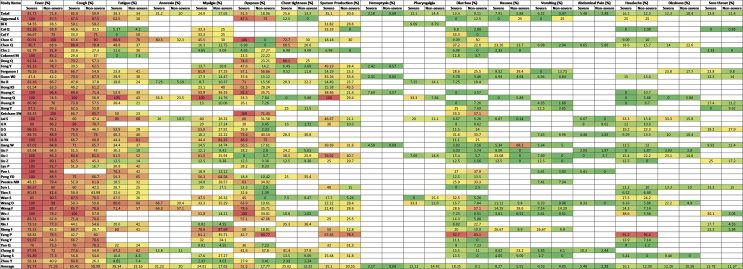
Clinical symptoms of COVID-19 cases of the included studies
Figure 4
Figure 4
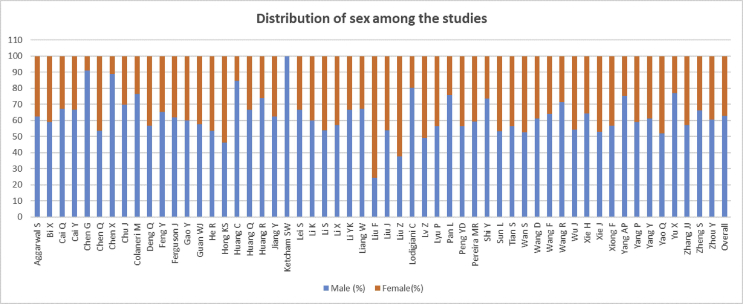
Distribution of sex of included studies to analyze the effect of sex on for the severity of COVID-19.
Figure 5
Figure 5
Meta-analysis for the effect of sex on the severity of COVID-19 cases. Forest plots depict the comparison of the incidences of male and female in severe and nonsevere patients.
Figure 6
Figure 6
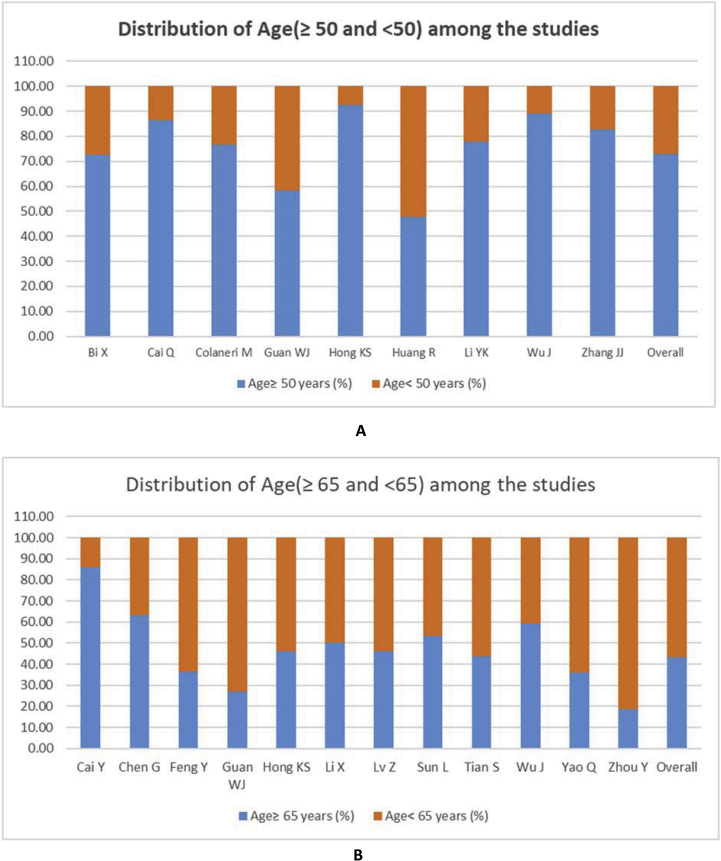
Distribution of age A. ≥ 50 Vs. <50 years and B. ≥ 65 and <65 years among the included studies to analyze the effect of age on for the severity of COVID-19.
Figure 7
Figure 7
Meta-analysis for the effect of age on the severity of COVID-19 cases. Forest plots depict the comparison of the incidences of A) age ≥50 vs. age<50 years B) age ≥65 vs. age<65 years in severe patients.
Figure 8
Figure 8
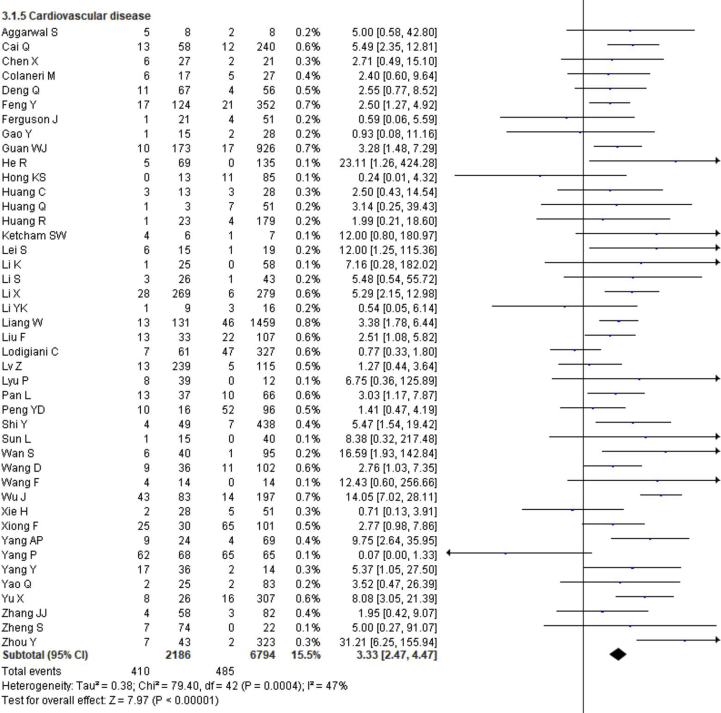
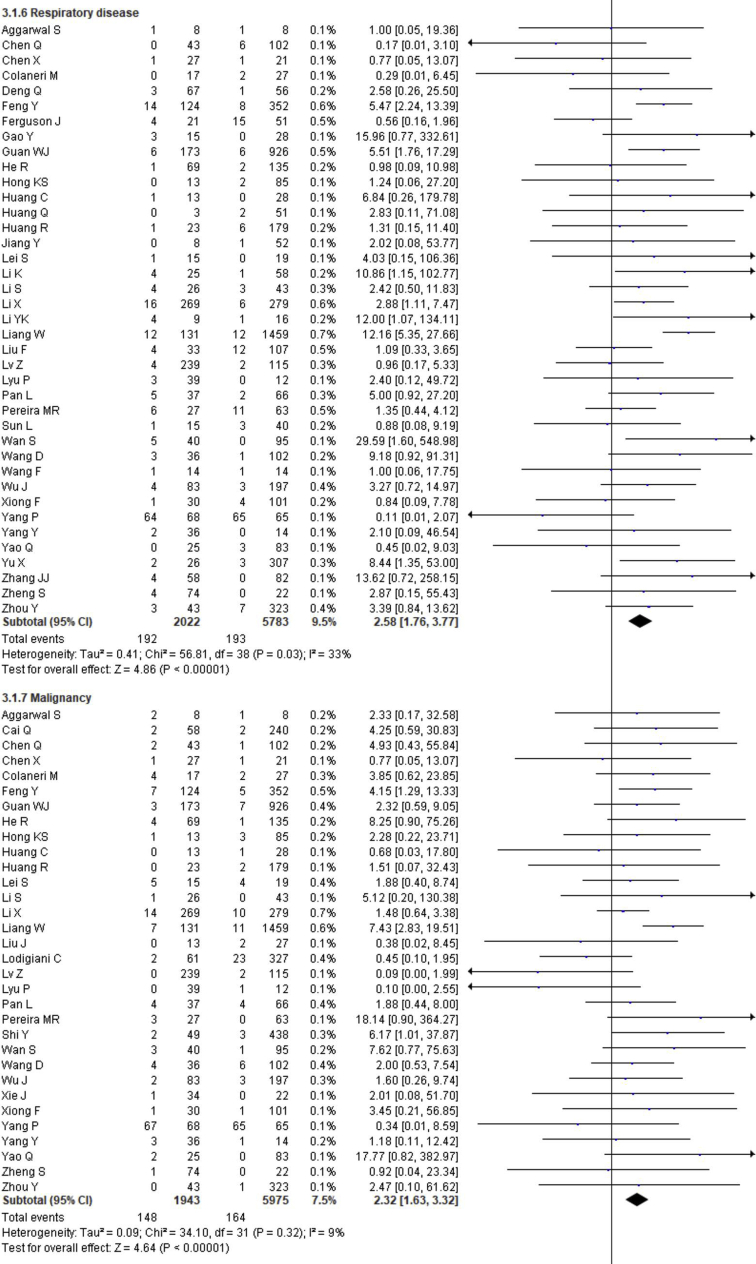
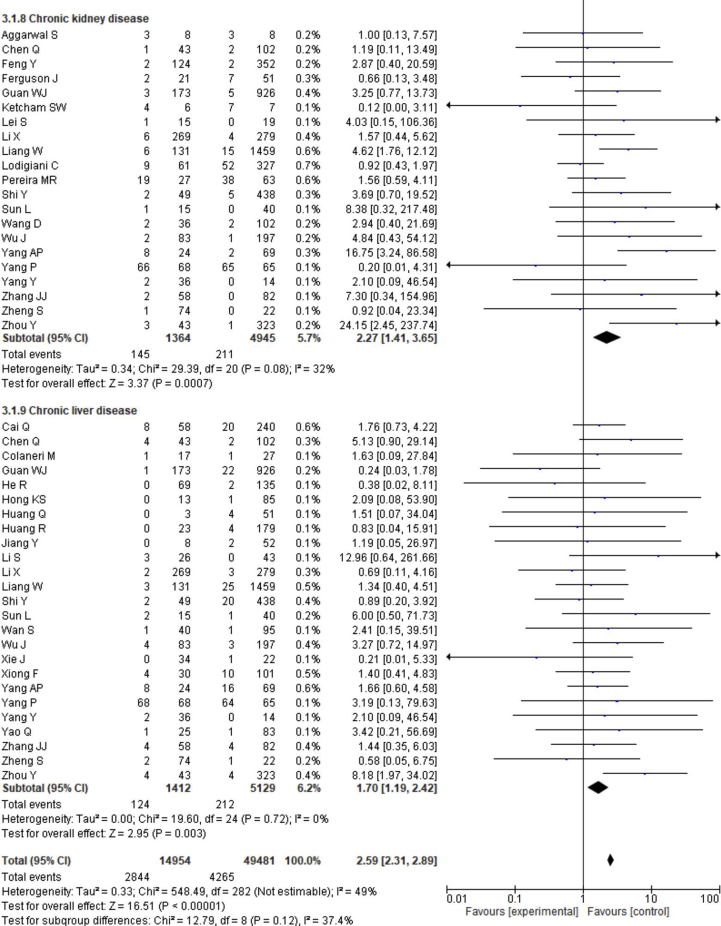
Meta-analysis for the effect of comorbidities on the severity of COVID-19 cases. Random effect model for any comorbidity, hypertension, diabetes, cerebrovascular disease, cardiovascular disease, respiratory disease, malignancy, chronic kidney disease and chronic liver disease.
Figure 8
Figure 8
Meta-analysis for the effect of comorbidities on the severity of COVID-19 cases. Random effect model for any comorbidity, hypertension, diabetes, cerebrovascular disease, cardiovascular disease, respiratory disease, malignancy, chronic kidney disease and chronic liver disease.
Figure 8
Figure 8
Meta-analysis for the effect of comorbidities on the severity of COVID-19 cases. Random effect model for any comorbidity, hypertension, diabetes, cerebrovascular disease, cardiovascular disease, respiratory disease, malignancy, chronic kidney disease and chronic liver disease.
Figure 8
Figure 8
Meta-analysis for the effect of comorbidities on the severity of COVID-19 cases. Random effect model for any comorbidity, hypertension, diabetes, cerebrovascular disease, cardiovascular disease, respiratory disease, malignancy, chronic kidney disease and chronic liver disease.
Figure 8
Figure 8
Meta-analysis for the effect of comorbidities on the severity of COVID-19 cases. Random effect model for any comorbidity, hypertension, diabetes, cerebrovascular disease, cardiovascular disease, respiratory disease, malignancy, chronic kidney disease and chronic liver disease.
Figure 9
Figure 9
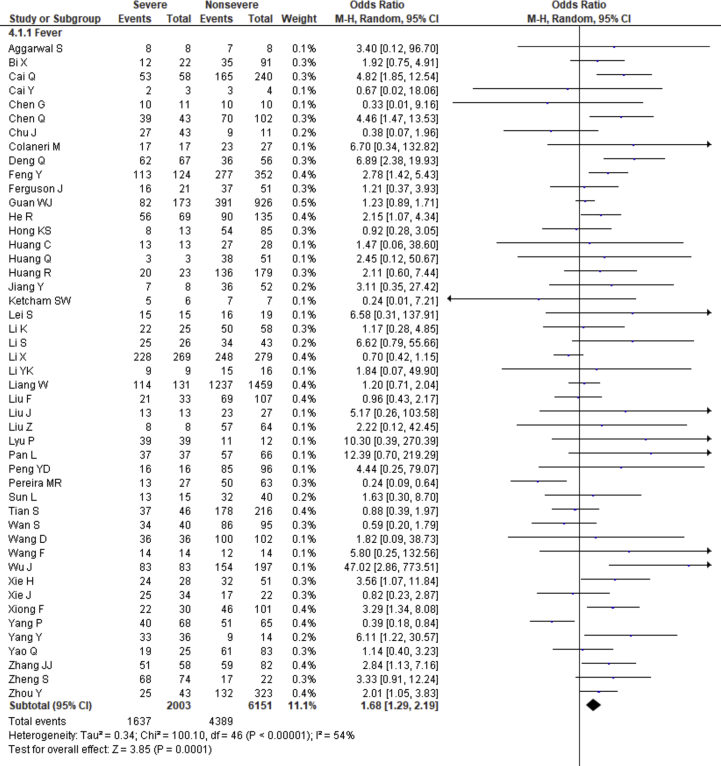
Meta-analysis for the effect of clinical symptoms on the severity of COVID-19 cases. Random effect model for fever, cough, fatigue, anorexia, myalgia, dyspnea, chest tightness, sputum production, hemoptysis, pharyngalgia, diarrhea, nausea, vomiting, abdominal pain, headache, dizziness and sore throat.
Figure 9
Figure 9
Meta-analysis for the effect of clinical symptoms on the severity of COVID-19 cases. Random effect model for fever, cough, fatigue, anorexia, myalgia, dyspnea, chest tightness, sputum production, hemoptysis, pharyngalgia, diarrhea, nausea, vomiting, abdominal pain, headache, dizziness and sore throat.
Figure 9
Figure 9
Meta-analysis for the effect of clinical symptoms on the severity of COVID-19 cases. Random effect model for fever, cough, fatigue, anorexia, myalgia, dyspnea, chest tightness, sputum production, hemoptysis, pharyngalgia, diarrhea, nausea, vomiting, abdominal pain, headache, dizziness and sore throat.
Figure 9
Figure 9
Meta-analysis for the effect of clinical symptoms on the severity of COVID-19 cases. Random effect model for fever, cough, fatigue, anorexia, myalgia, dyspnea, chest tightness, sputum production, hemoptysis, pharyngalgia, diarrhea, nausea, vomiting, abdominal pain, headache, dizziness and sore throat.
Figure 9
Figure 9
Meta-analysis for the effect of clinical symptoms on the severity of COVID-19 cases. Random effect model for fever, cough, fatigue, anorexia, myalgia, dyspnea, chest tightness, sputum production, hemoptysis, pharyngalgia, diarrhea, nausea, vomiting, abdominal pain, headache, dizziness and sore throat.
Figure 9
Figure 9
Meta-analysis for the effect of clinical symptoms on the severity of COVID-19 cases. Random effect model for fever, cough, fatigue, anorexia, myalgia, dyspnea, chest tightness, sputum production, hemoptysis, pharyngalgia, diarrhea, nausea, vomiting, abdominal pain, headache, dizziness and sore throat.
Figure 9
Figure 9
Meta-analysis for the effect of clinical symptoms on the severity of COVID-19 cases. Random effect model for fever, cough, fatigue, anorexia, myalgia, dyspnea, chest tightness, sputum production, hemoptysis, pharyngalgia, diarrhea, nausea, vomiting, abdominal pain, headache, dizziness and sore throat.
Figure 9
Figure 9
Meta-analysis for the effect of clinical symptoms on the severity of COVID-19 cases. Random effect model for fever, cough, fatigue, anorexia, myalgia, dyspnea, chest tightness, sputum production, hemoptysis, pharyngalgia, diarrhea, nausea, vomiting, abdominal pain, headache, dizziness and sore throat.

References

    1. Singh A.K., Singh A., Shaikh A., Singh R., Misra A. Chloroquine and hydroxychloroquine in the treatment of COVID-19 with or without diabetes: a systematic search and a narrative review with a special reference to India and other developing countries. Diabetes Metab. Syndrome. 2020;14(3):241–246. - PMC - PubMed
    1. World Health Organization . 2020. WHO Director-General's Opening Remarks at the media Briefing on COVID-19 - March 11 2020.https://www.who.int/dg/speeches/detail/who-director-general-s-opening-re...
    1. Gupta R., Ghosh A., Singh A.K., Misra A. Clinical considerations for patients with diabetes in times of COVID-19 epidemic. Diabetes Metab. Syndrome. 2020;14(3):211–212. - PMC - PubMed
    1. Fisher D., Heymann D. Q&A: the novel coronavirus outbreak causing COVID-19. BMC Med. 2020;18(1):57. - PMC - PubMed
    1. Rodriguez-Morales A.J., Cardona-Ospina J.A., Gutiérrez-Ocampo E. Clinical, laboratory and imaging features of COVID-19: a systematic review and meta-analysis. Travel Med. Infect. Di. 2020;34:101623. - PMC - PubMed

LinkOut - more resources