


Systematic review and meta-analysis of human transcriptomics reveals neuroinflammation, deficient energy metabolism, and proteostasis failure across neurodegeneration
- PMID: 33347974
- PMCID: PMC7856076
- DOI: 10.1016/j.nbd.2020.105225
Systematic review and meta-analysis of human transcriptomics reveals neuroinflammation, deficient energy metabolism, and proteostasis failure across neurodegeneration
Abstract
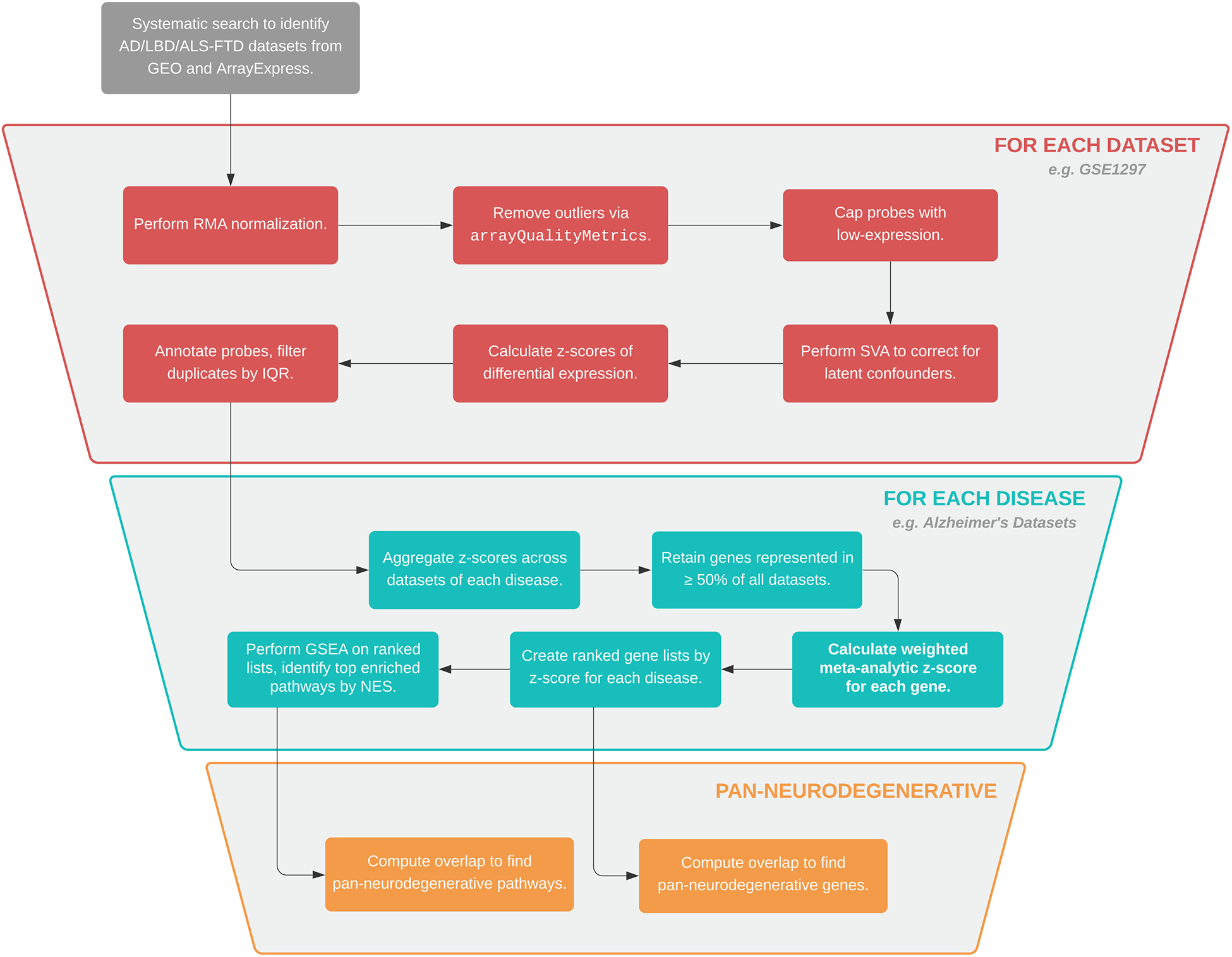
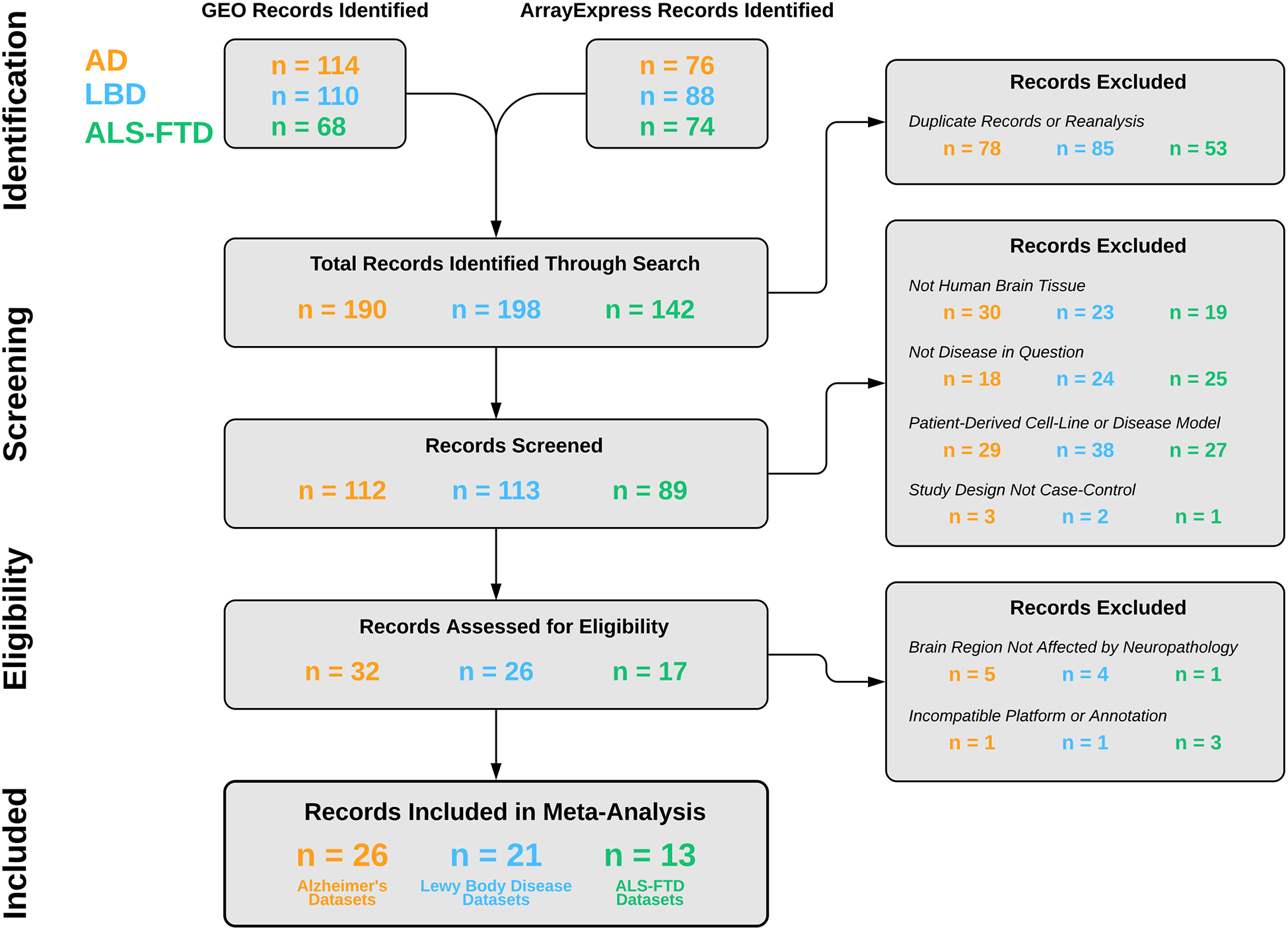
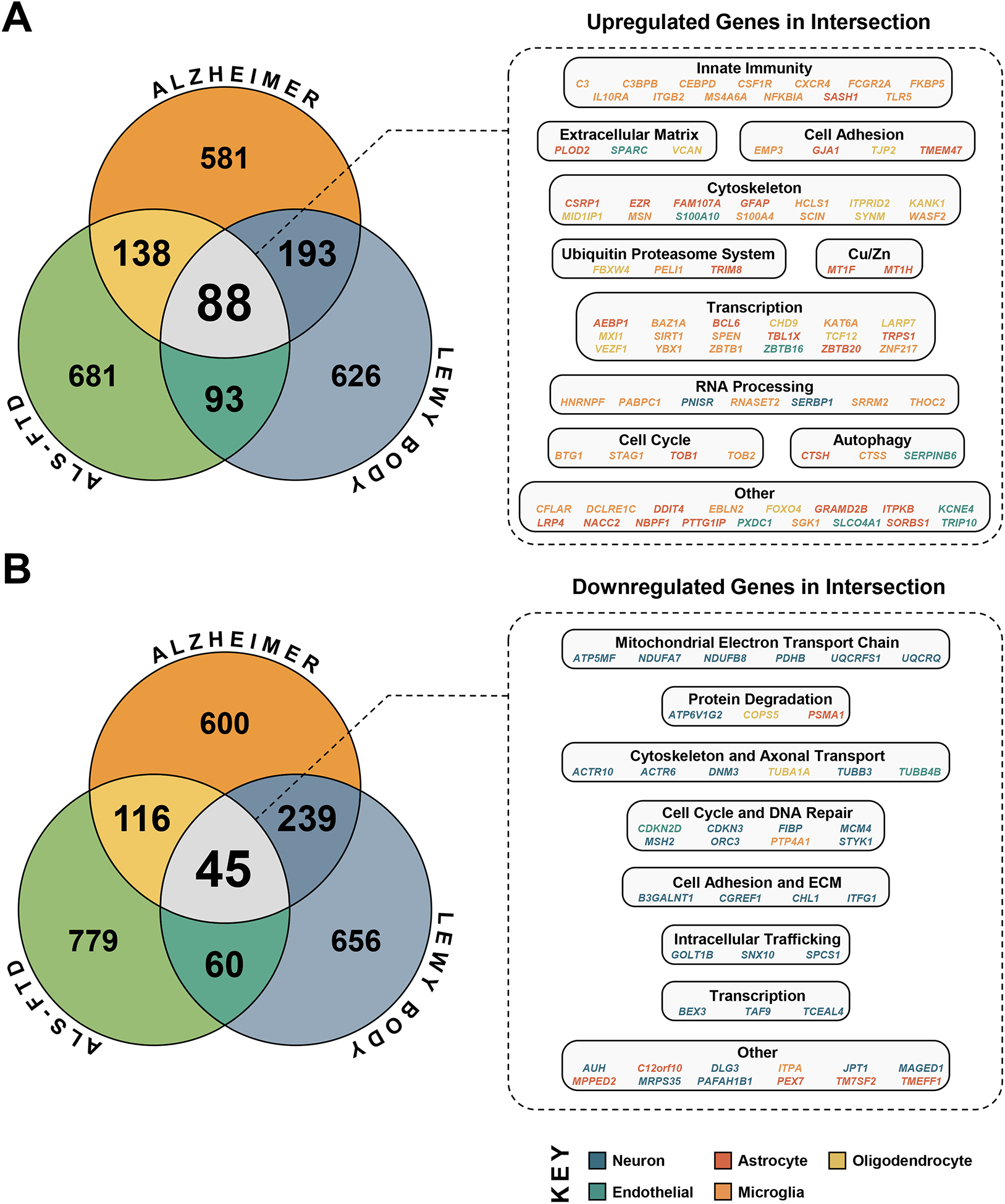
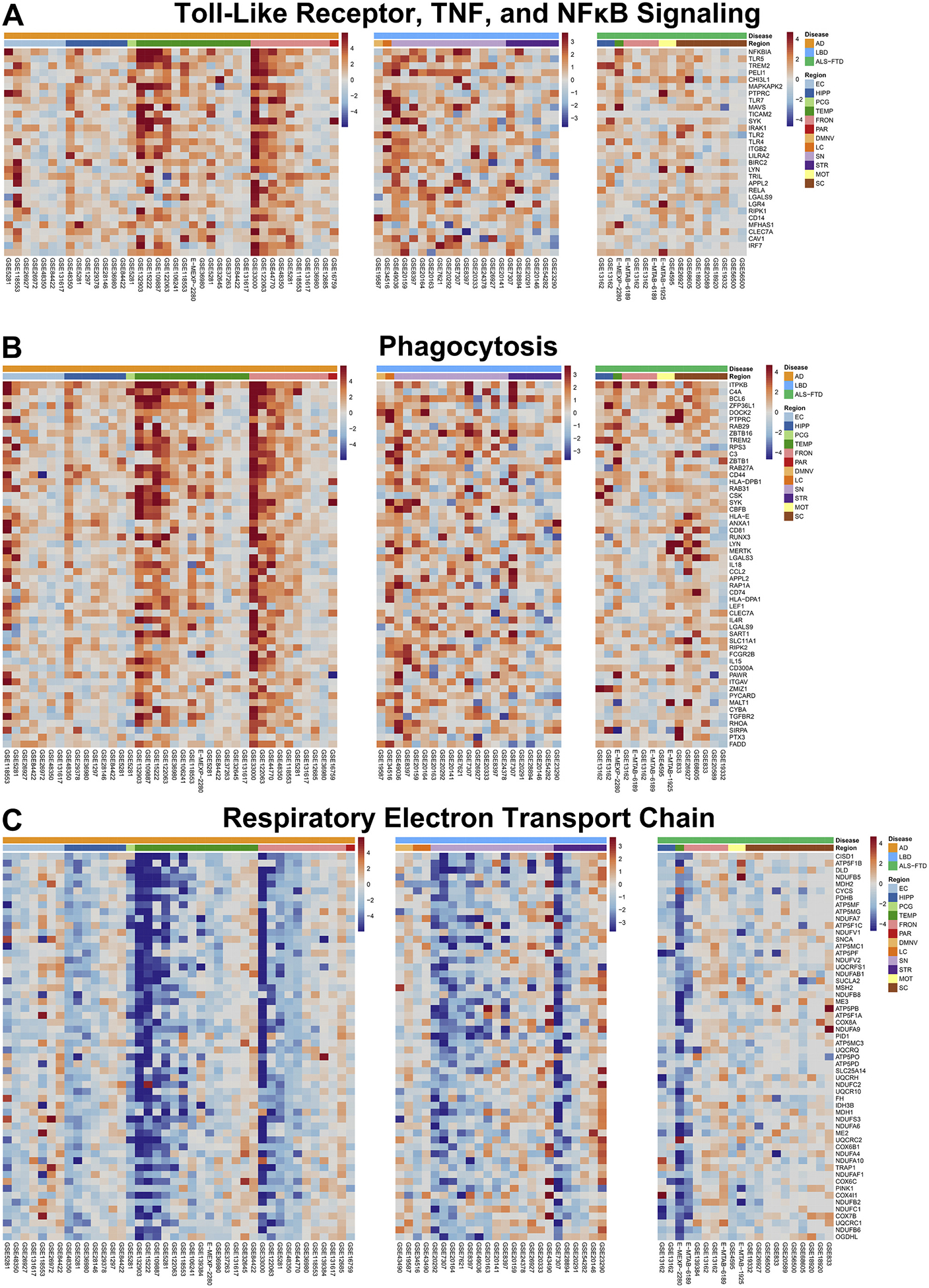
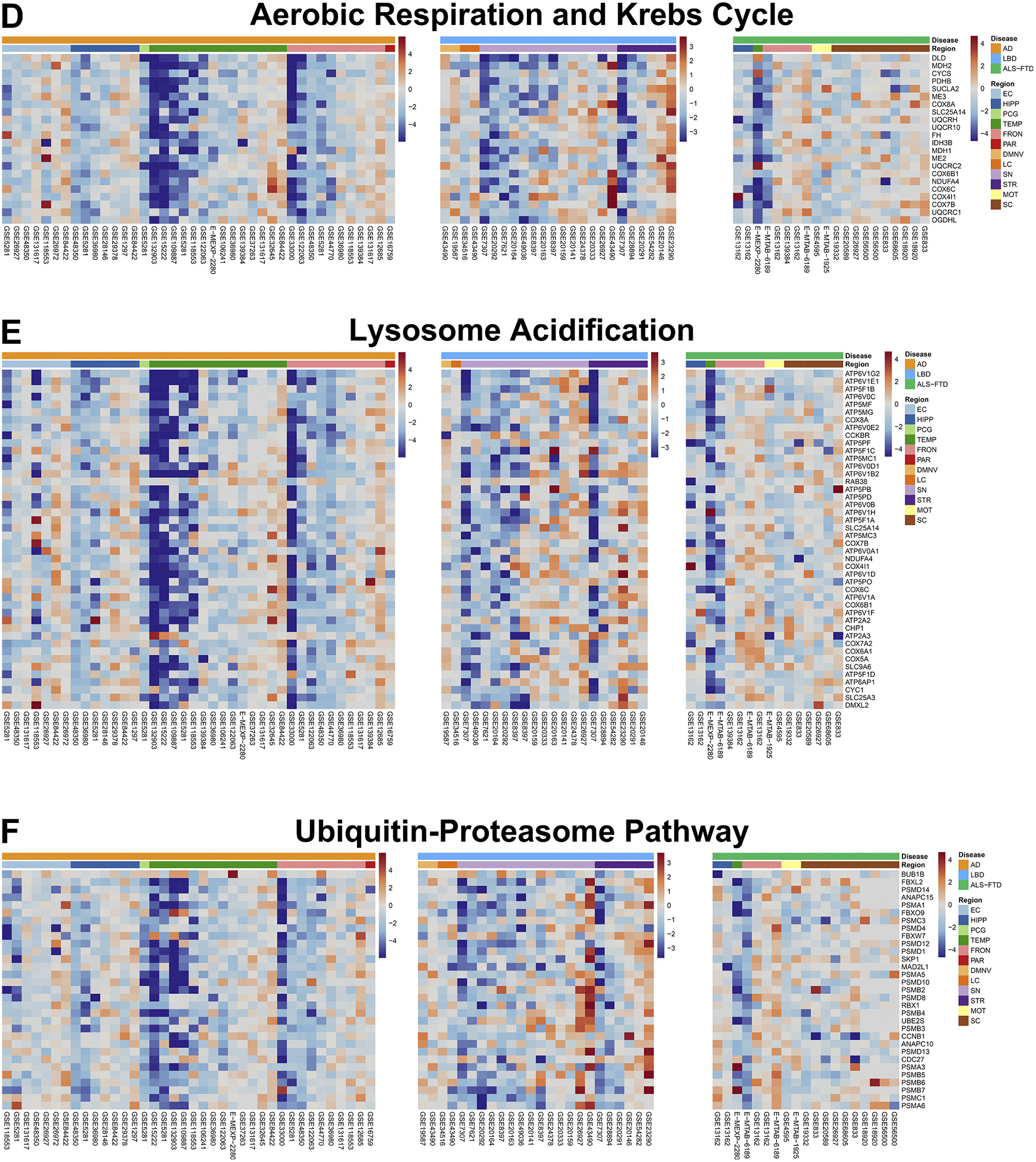
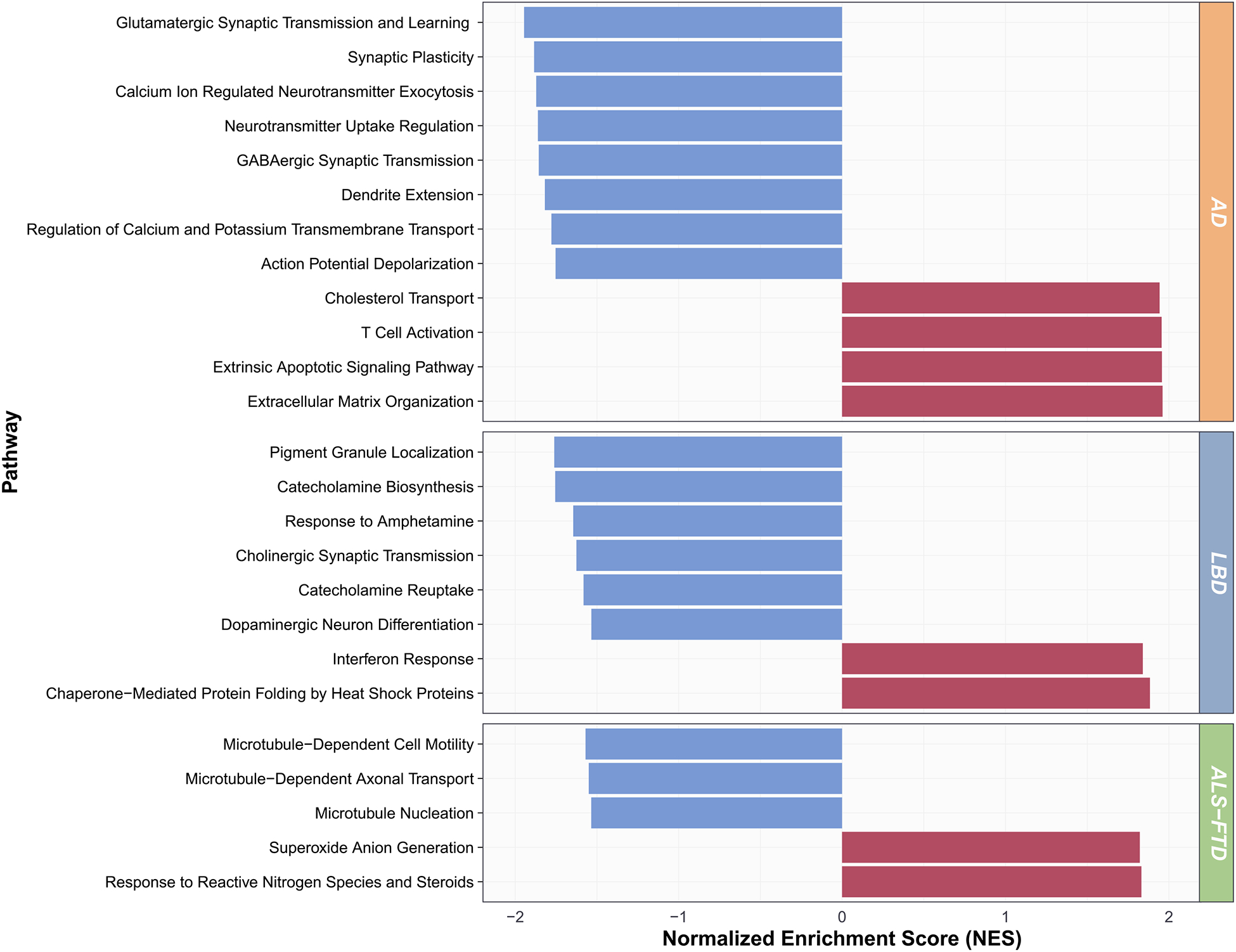
Neurodegenerative disorders such as Alzheimer's disease (AD), Lewy body diseases (LBD), and the amyotrophic lateral sclerosis and frontotemporal dementia (ALS-FTD) spectrum are defined by the accumulation of specific misfolded protein aggregates. However, the mechanisms by which each proteinopathy leads to neurodegeneration remain elusive. We hypothesized that there is a common "pan-neurodegenerative" gene expression signature driving pathophysiology across these clinically and pathologically diverse proteinopathies. To test this hypothesis, we performed a systematic review of human CNS transcriptomics datasets from AD, LBD, and ALS-FTD patients and age-matched controls in the Gene Expression Omnibus (GEO) and ArrayExpress databases, followed by consistent processing of each dataset, meta-analysis, pathway enrichment, and overlap analyses. After applying pre-specified eligibility criteria and stringent data pre-processing, a total of 2600 samples from 26 AD, 21 LBD, and 13 ALS-FTD datasets were included in the meta-analysis. The pan-neurodegenerative gene signature is characterized by an upregulation of innate immunity, cytoskeleton, and transcription and RNA processing genes, and a downregulation of the mitochondrial electron transport chain. Pathway enrichment analyses also revealed the upregulation of neuroinflammation (including Toll-like receptor, TNF, and NFκB signaling) and phagocytosis, and the downregulation of mitochondrial oxidative phosphorylation, lysosomal acidification, and ubiquitin-proteasome pathways. Our findings suggest that neuroinflammation and a failure in both neuronal energy metabolism and protein degradation systems are consistent features underlying neurodegenerative diseases, despite differences in the extent of neuronal loss and brain regions involved.
Keywords: Alzheimer's disease; Amyotrophic lateral sclerosis; Frontotemporal dementia; Lewy body diseases; Meta-analysis; Mitochondrial energy metabolism; Neurodegeneration; Neuroinflammation; Proteostasis; Transcriptomics.
Copyright © 2020 The Authors. Published by Elsevier Inc. All rights reserved.
Conflict of interest statement
Declaration of Competing Interest
The authors declare no competing financial interests.
Figures
References
-
- Alshikho MJ, Zürcher NR, Loggia ML, Cernasov P, Reynolds B, Pijanowski O, Chonde DB, Izquierdo Garcia D, Mainero C, Catana C, Chan J, Babu S, Paganoni S, Hooker JM, Atassi N, 2018. Integrated magnetic resonance imaging and [11 C]-PBR28 positron emission tomographic imaging in amyotrophic lateral sclerosis. Ann. Neurol 83, 1186–1197. 10.1002/ana.25251. - DOI - PMC - PubMed
-
- Ashburner M, Ball CA, Blake JA, Botstein D, Butler H, Cherry JM, Davis AP, Dolinski K, Dwight SS, Eppig JT, Harris MA, Hill DP, Issel-Tarver L, Kasarskis A, Lewis S, Matese JC, Richardson JE, Ringwald M, Rubin GM, Sherlock G, 2000. Gene ontology: tool for the unification of biology. Nat. Genet 25, 25–29. 10.1038/75556. - DOI - PMC - PubMed
Publication types
MeSH terms
Substances
Grants and funding
LinkOut - more resources
Full Text Sources
Other Literature Sources
Medical
Miscellaneous
