


The influence of interstitial cells of Cajal loss and aging on slow wave conduction velocity in the human stomach
- PMID: 33355992
- PMCID: PMC7757374
- DOI: 10.14814/phy2.14659
The influence of interstitial cells of Cajal loss and aging on slow wave conduction velocity in the human stomach
Abstract
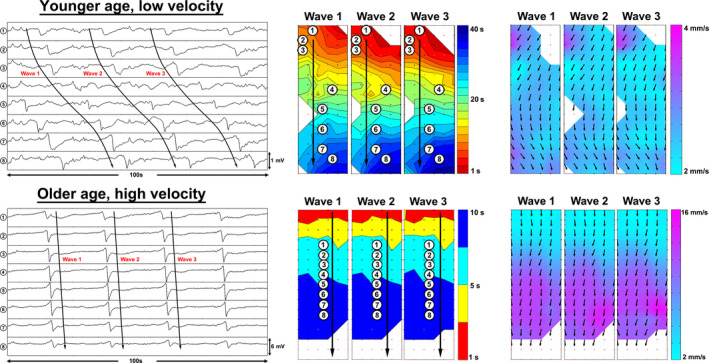
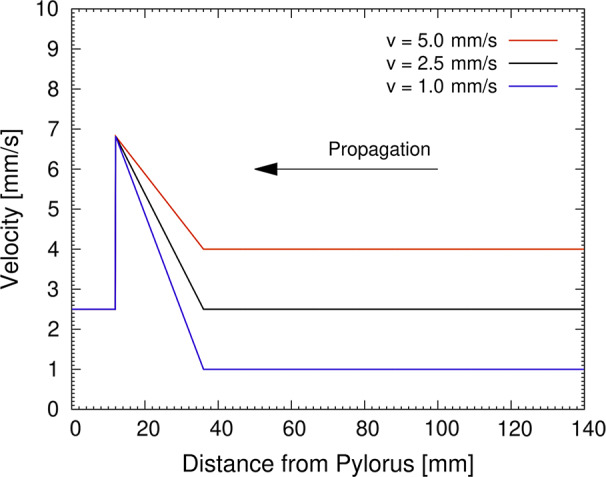
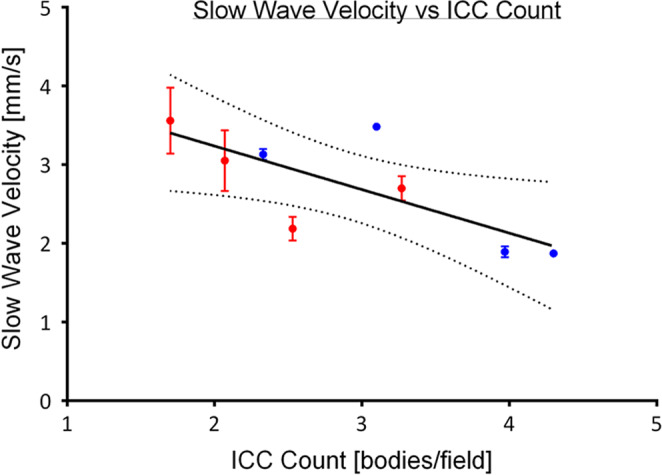
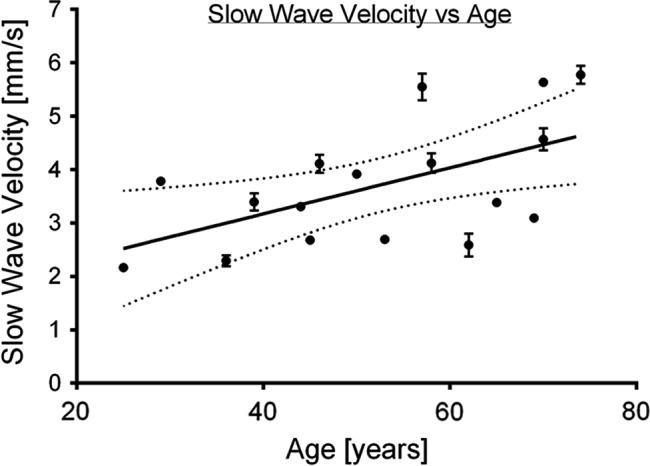
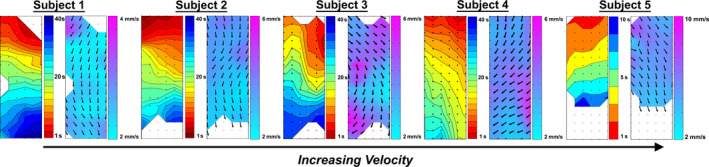
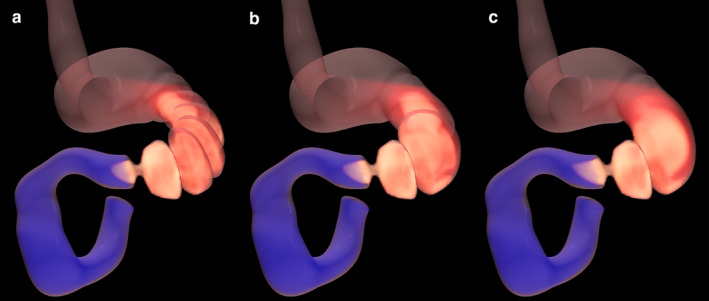
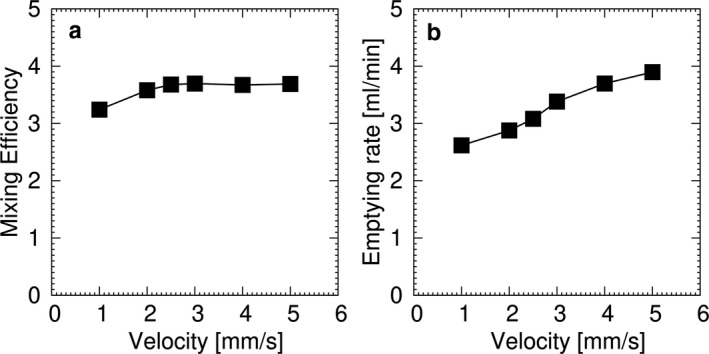
Loss of interstitial cells of Cajal (ICC) has been associated with gastric dysfunction and is also observed during normal aging at ~13% reduction per decade. The impact of ICC loss on gastric slow wave conduction velocity is currently undefined. This study correlated human gastric slow wave velocity with ICC loss and aging. High-resolution gastric slow wave mapping data were screened from a database of 42 patients with severe gastric dysfunction (n = 20) and controls (n = 22). Correlations were performed between corpus slow wave conduction parameters (frequency, velocity, and amplitude) and corpus ICC counts in patients, and with age in controls. Physiological parameters were further integrated into computational models of gastric mixing. Patients: ICC count demonstrated a negative correlation with slow wave velocity in the corpus (i.e., higher velocities with reduced ICC; r2 = .55; p = .03). ICC count did not correlate with extracellular slow wave amplitude (p = .12) or frequency (p = .84). Aging: Age was positively correlated with slow wave velocity in the corpus (range: 25-74 years; r2 = .32; p = .02). Age did not correlate with extracellular slow wave amplitude (p = .40) or frequency (p = .34). Computational simulations demonstrated that the gastric emptying rate would increase at higher slow wave velocities. ICC loss and aging are associated with a higher slow wave velocity. The reason for these relationships is unexplained and merit further investigation. Increased slow wave velocity may modulate gastric emptying higher, although in gastroparesis other pathological factors must dominate to prevent emptying.
Keywords: aging; computational simulation; human; interstitial cells of Cajal (ICC); slow wave velocity; stomach.
© 2020 The Authors. Physiological Reports published by Wiley Periodicals LLC on behalf of The Physiological Society and the American Physiological Society.
Conflict of interest statement
TRA, PD, AG, NP, LKC, GOG hold intellectual property in the field of gastric electrophysiology evaluation of FlexiMap Ltd. TRA, PD, NP, LKC, GOG are shareholders of FlexiMap Ltd.
Figures
References
-
- Angeli, T. , Cheng, L. , Du, P. , Wang, T. H. , Bernard, C. E. , Vannucchi, M. G. , Faussone‐Pellegrini, M. S. , Lahr, C. , Vather, R. , Windsor, J. A. , Farrugia, G. , Abell, T. L. , & O'Grady, G. (2015). Loss of interstitial cells of Cajal and patterns of gastric dysrhythmia in patients with chronic unexplained nausea and vomiting. Gastroenterology, 149(1), 56–66.e55. - PMC - PubMed
-
- Angeli, T. , Du, P. , Paskaranandavadivel, N. , Janssen, P. W. , Beyder, A. , Lentle, R. G. , Bissett, I. P. , Cheng, L. K. , & O'Grady, G. (2013). The bioelectrical basis and validity of gastrointestinal extracellular slow wave recordings. Journal of Physiology, 591(Pt 18), 4567–4579. - PMC - PubMed
-
- Berry, R. , Miyagawa, T. , Paskaranandavadivel, N. , Du, P. , Angeli, T. R. , Trew, M. L. , Windsor, J. A. , Imai, Y. , O'Grady, G. , & Cheng, L. K. (2016). Functional physiology of the human terminal antrum defined by high‐resolution electrical mapping and computational modeling. American Journal of Physiology. Gastrointestinal and Liver Physiology, 311(5), G895–G902. - PMC - PubMed
-
- Du, P. , O'Grady, G. , Egbuji, J. U. , Lammers, W. J. , Budgett, D. , Nielsen, P. , Windsor, J. A. , Pullan, A. J. , & Cheng, L. K. (2009). High‐resolution mapping of in vivo gastrointestinal slow wave activity using flexible printed circuit board electrodes: Methodology and validation. Annals of Biomedical Engineering, 37(4), 839–846. - PMC - PubMed
Publication types
MeSH terms
LinkOut - more resources
Full Text Sources
Medical
