


Intralacrimal Sustained Delivery of Rapamycin Shows Therapeutic Effects without Systemic Toxicity in a Mouse Model of Autoimmune Dacryoadenitis Characteristic of Sjögren's Syndrome
- PMID: 33356170
- PMCID: PMC8015671
- DOI: 10.1021/acs.biomac.0c01468
Intralacrimal Sustained Delivery of Rapamycin Shows Therapeutic Effects without Systemic Toxicity in a Mouse Model of Autoimmune Dacryoadenitis Characteristic of Sjögren's Syndrome
Abstract
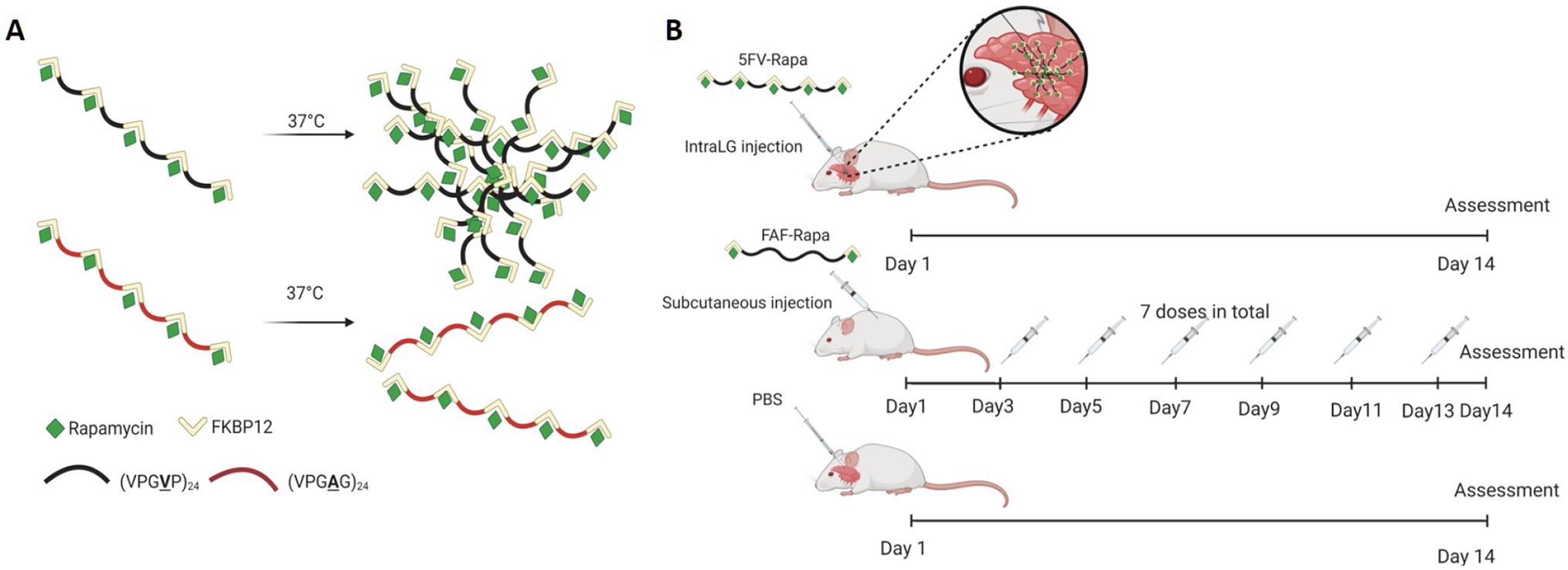
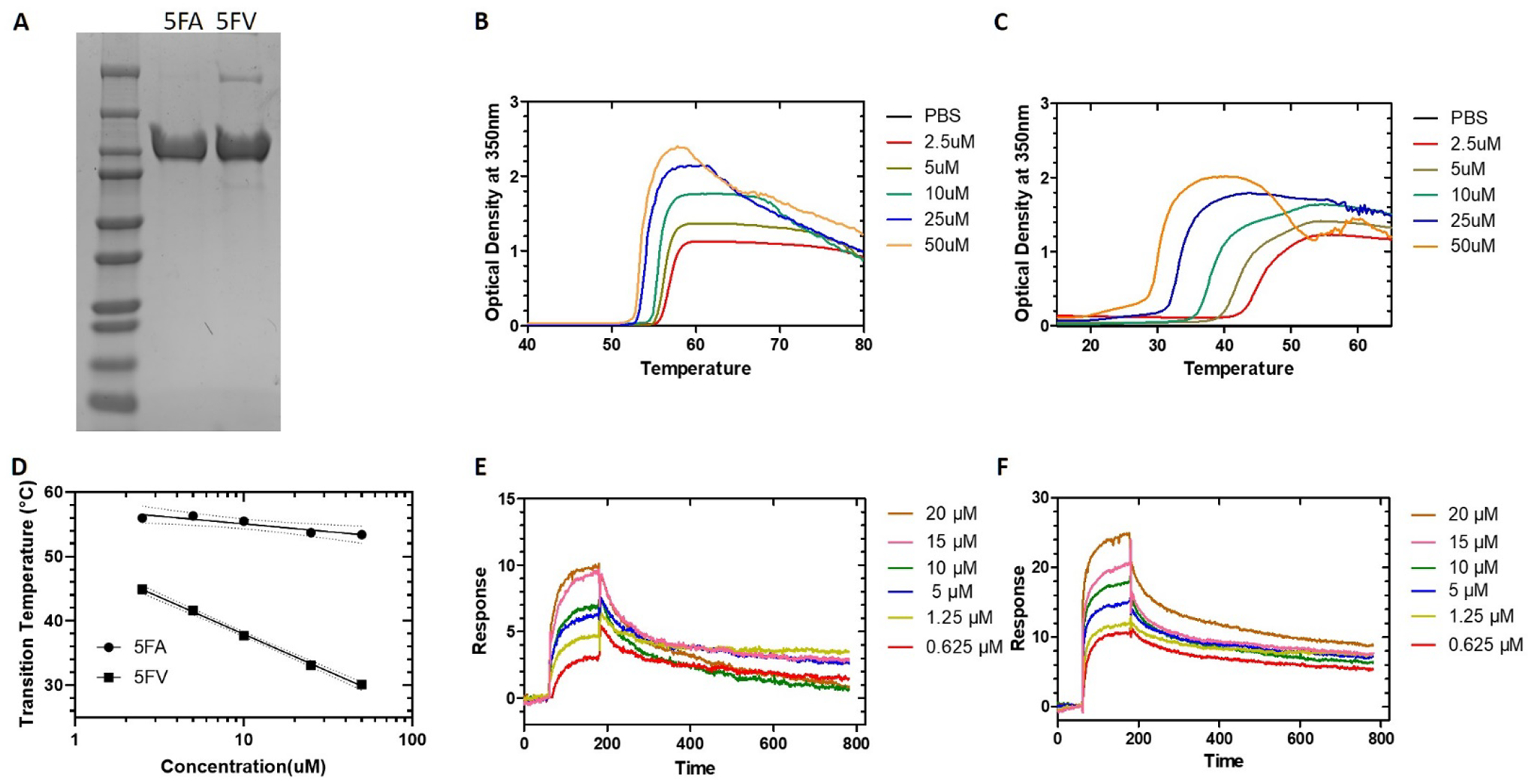
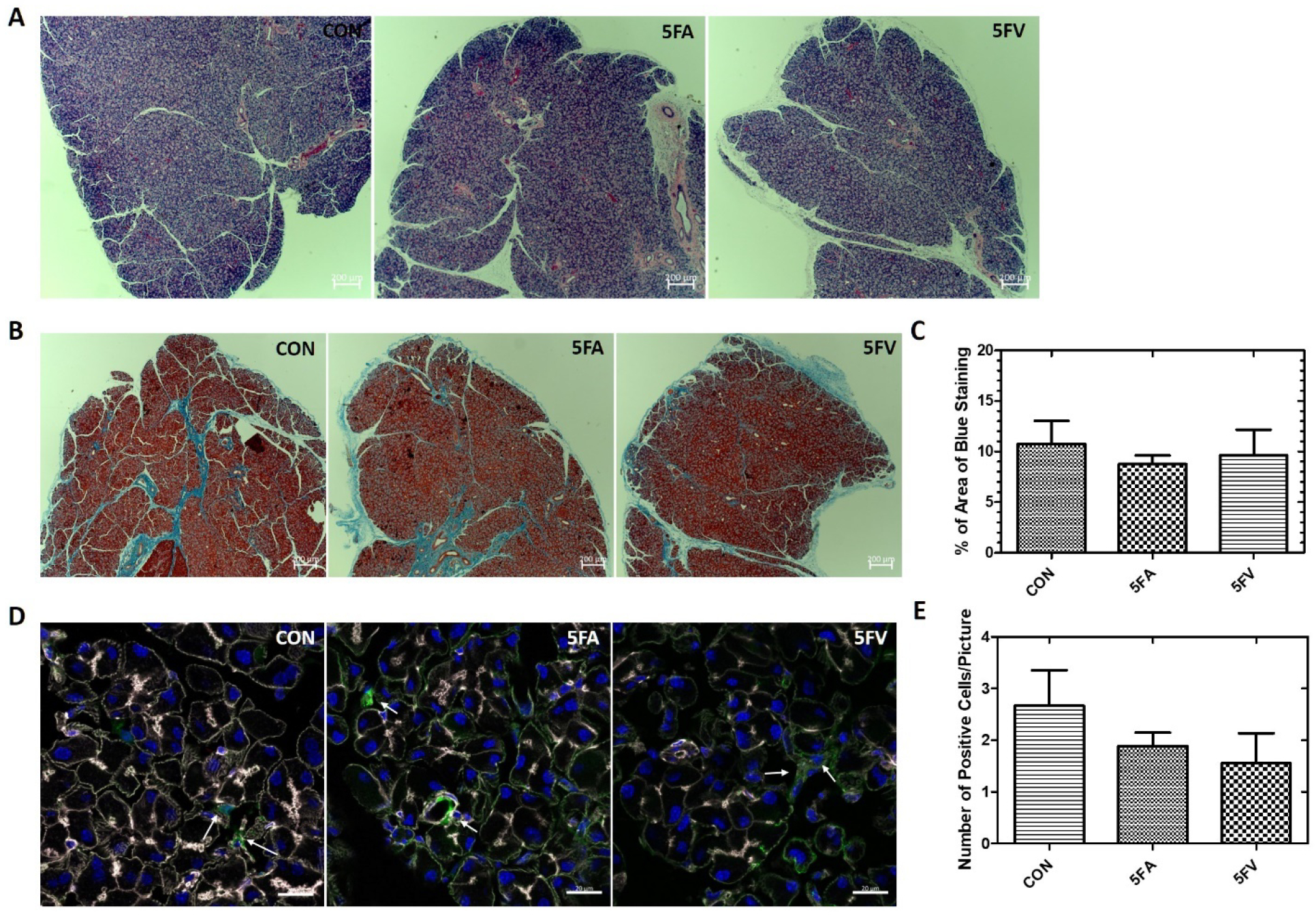
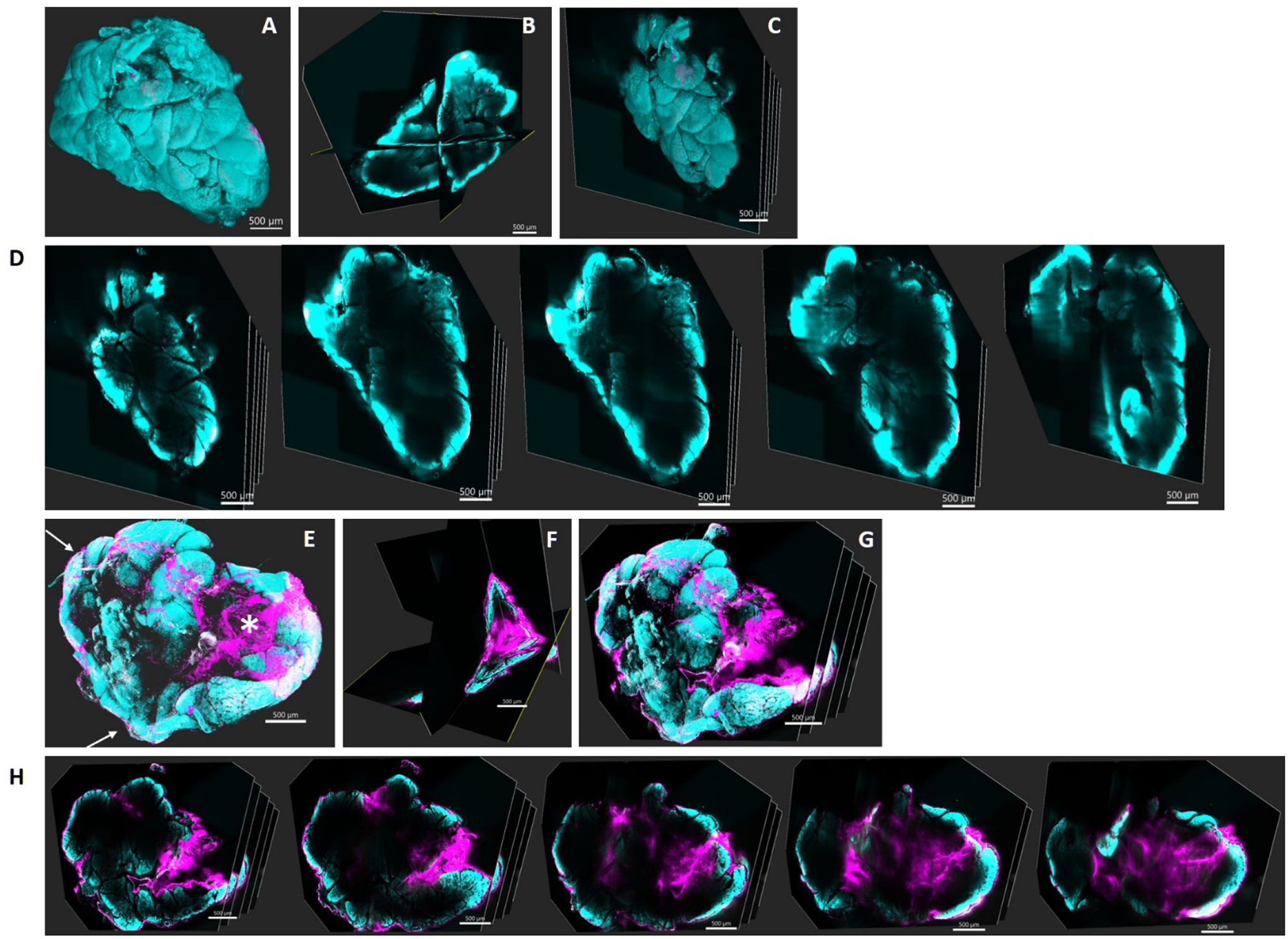
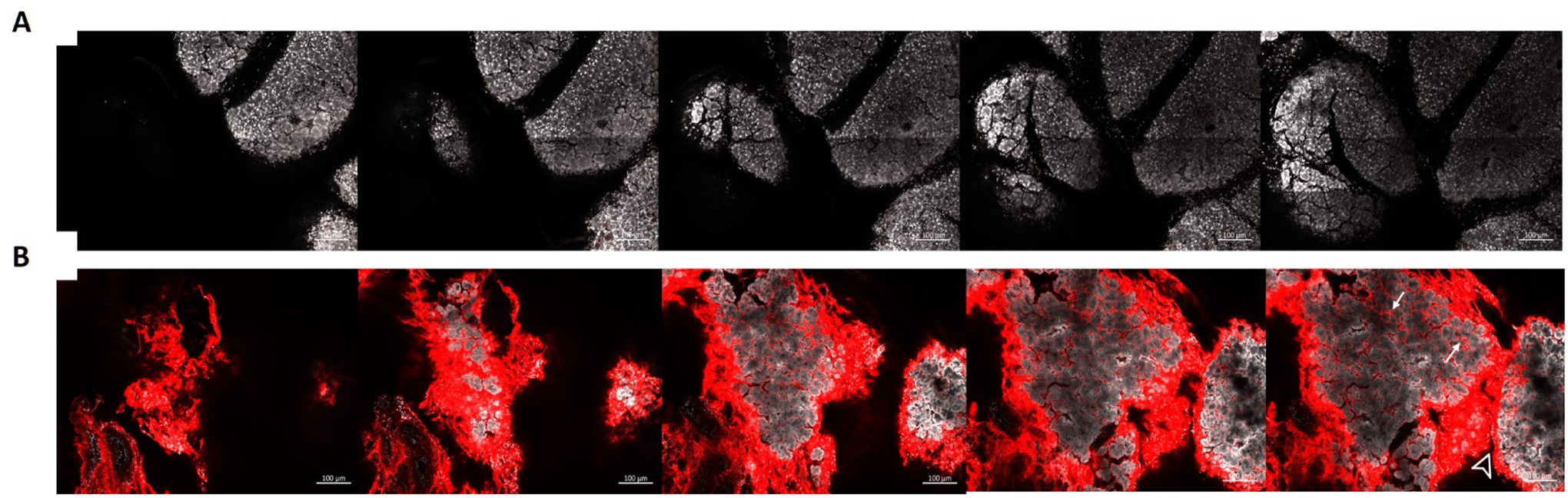
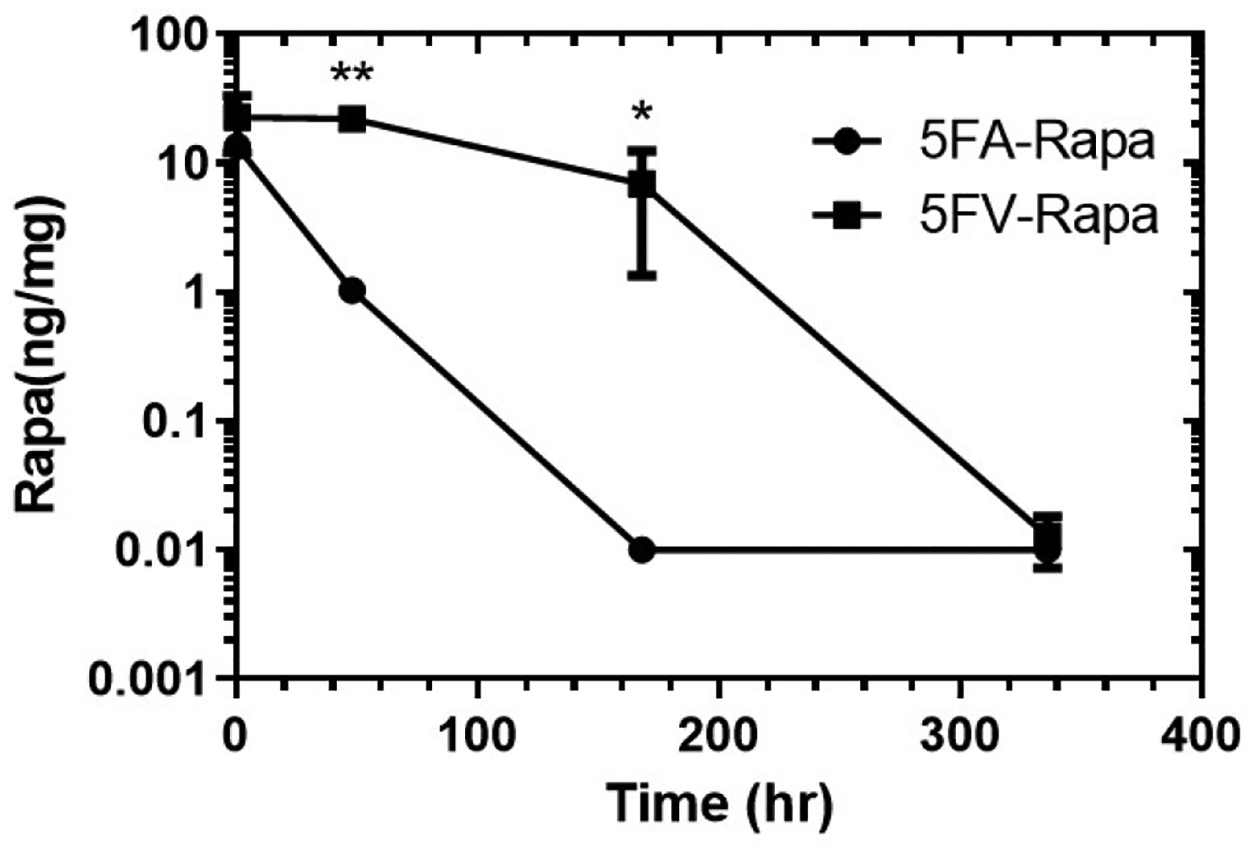
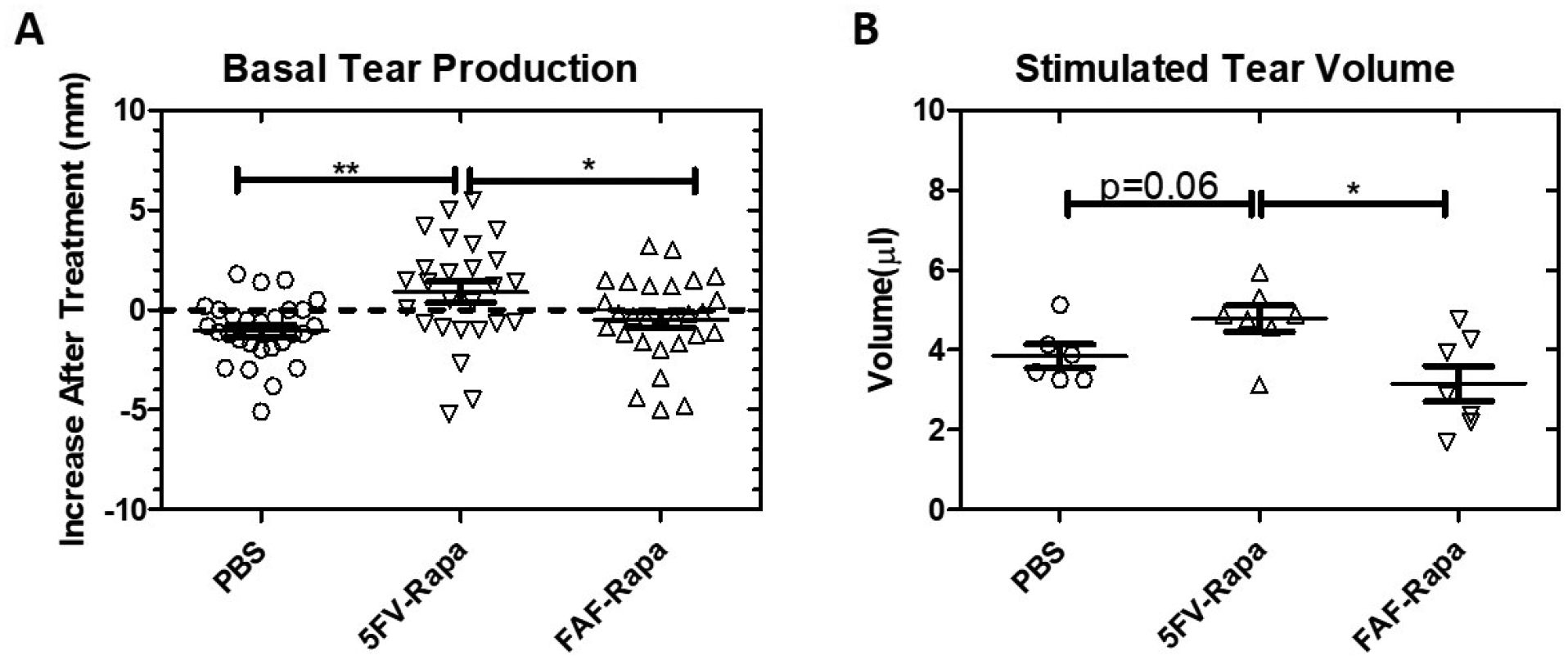
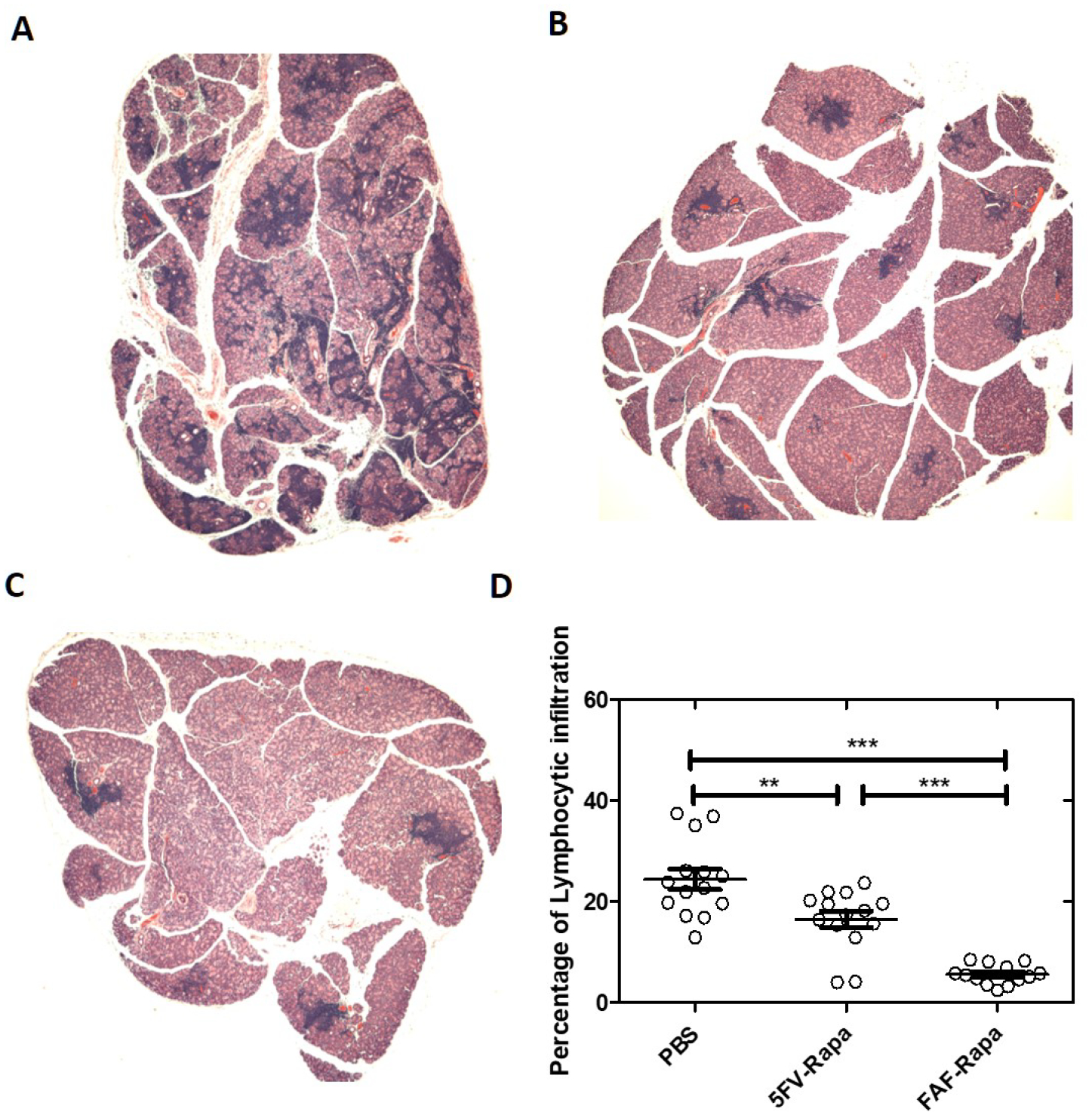
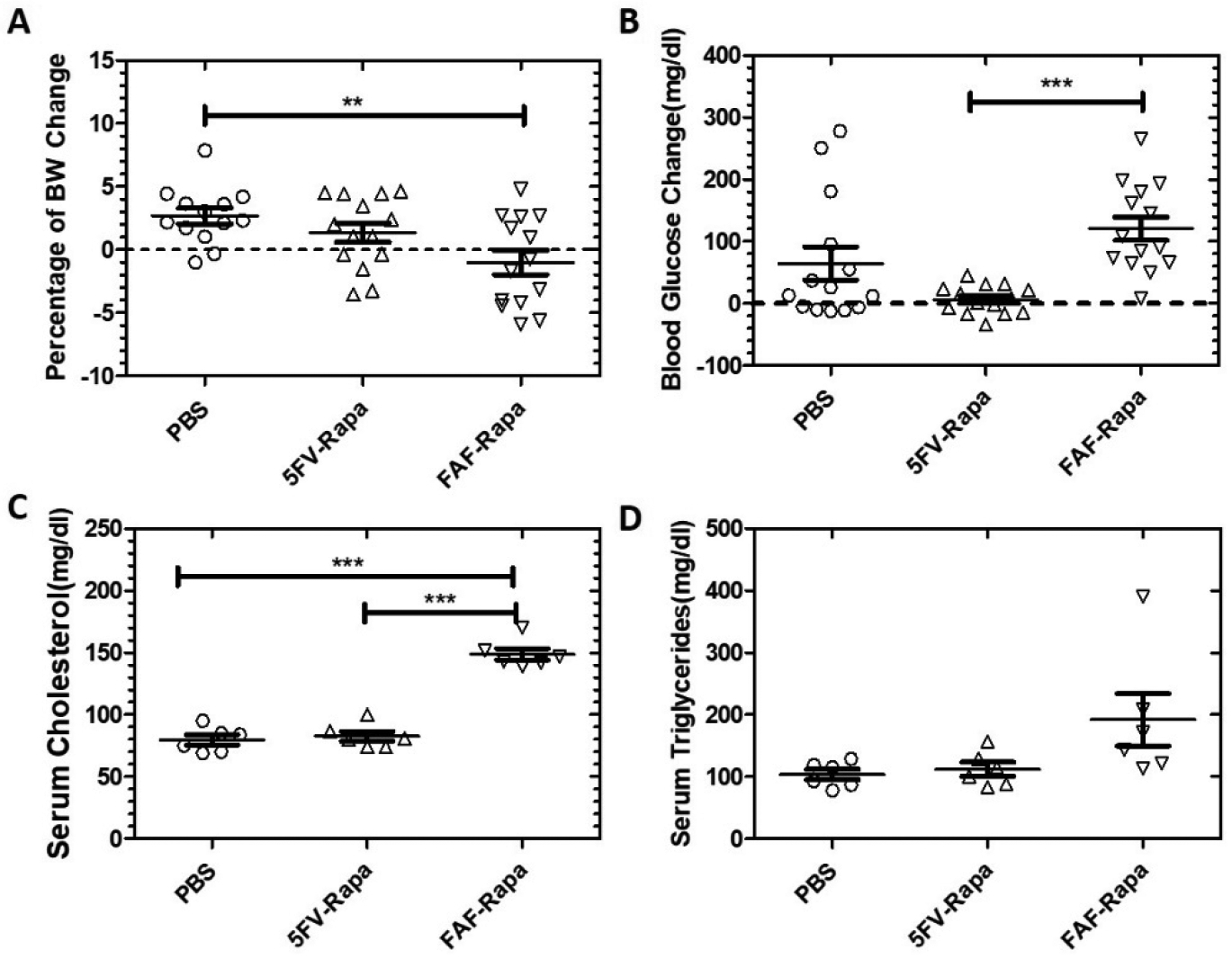
Sjögren's syndrome (SS) is an autoimmune disease associated with severe exocrinopathy, which is characterized by profound lymphocytic infiltration (dacryoadenitis) and loss of function of the tear-producing lacrimal glands (LGs). Systemic administration of Rapamycin (Rapa) significantly reduces LG inflammation in the male Nonobese Diabetic (NOD) model of SS-associated autoimmune dacryoadenitis. However, the systemic toxicity of this potent immunosuppressant limits its application. As an alternative, this paper reports an intra-LG delivery method using a depot formulation comprised of a thermoresponsive elastin-like polypeptide (ELP) and FKBP, the cognate receptor for Rapa (5FV). Depot formation was confirmed in excised whole LG using cleared tissue and observation by both laser-scanning confocal and lightsheet microscopy. The LG depot was evaluated for safety, efficacy, and intra-LG pharmacokinetics in the NOD mouse disease model. Intra-LG injection with the depot formulation (5FV) retained Rapa in the LG for a mean residence time (MRT) of 75.6 h compared to Rapa delivery complexed with a soluble carrier control (5FA), which had a MRT of 11.7 h in the LG. Compared to systemic delivery of Rapa every other day for 2 weeks (seven doses), a single intra-LG depot of Rapa representing 16-fold less total drug was sufficient to inhibit LG inflammation and improve tear production. This treatment modality further reduced markers of hyperglycemia and hyperlipidemia while showing no evidence of necrosis or fibrosis in the LG. This approach represents a potential new therapy for SS-related autoimmune dacryoadenitis, which may be adapted for local delivery at other sites of inflammation; furthermore, these findings reveal the utility of optical imaging for monitoring the disposition of locally administered therapeutics.
Figures
References
-
- Lemp MA, Dry eye (Keratoconjunctivitis Sicca), rheumatoid arthritis, and Sjogren’s syndrome. Am. J. Ophthalmol 2005, 140, (5), 898–9. - PubMed
-
- Nocturne G; Mariette X, Sjogren Syndrome-associated lymphomas: an update on pathogenesis and management. Br. J. Haematol 2015, 168, (3), 317–27. - PubMed
-
- Qin B; Wang J; Yang Z; Yang M; Ma N; Huang F; Zhong R, Epidemiology of primary Sjogren’s syndrome: a systematic review and meta-analysis. Ann. Rheum. Dis 2015, 74, (11), 1983–9. - PubMed
-
- Foulks GN; Forstot SL; Donshik PC; Forstot JZ; Goldstein MH; Lemp MA; Nelson JD; Nichols KK; Pflugfelder SC; Tanzer JM; Asbell P; Hammitt K; Jacobs DS, Clinical Guidelines for Management of Dry Eye Associated with Sjögren Disease. Ocul. Surf 2015, 13, (2), 118–132. - PubMed
Publication types
MeSH terms
Substances
Grants and funding
LinkOut - more resources
Full Text Sources
Medical
Research Materials
