


Key Metabolic Functions of β-Arrestins: Studies with Novel Mouse Models
- PMID: 33358450
- PMCID: PMC7855863
- DOI: 10.1016/j.tem.2020.11.008
Key Metabolic Functions of β-Arrestins: Studies with Novel Mouse Models
Abstract
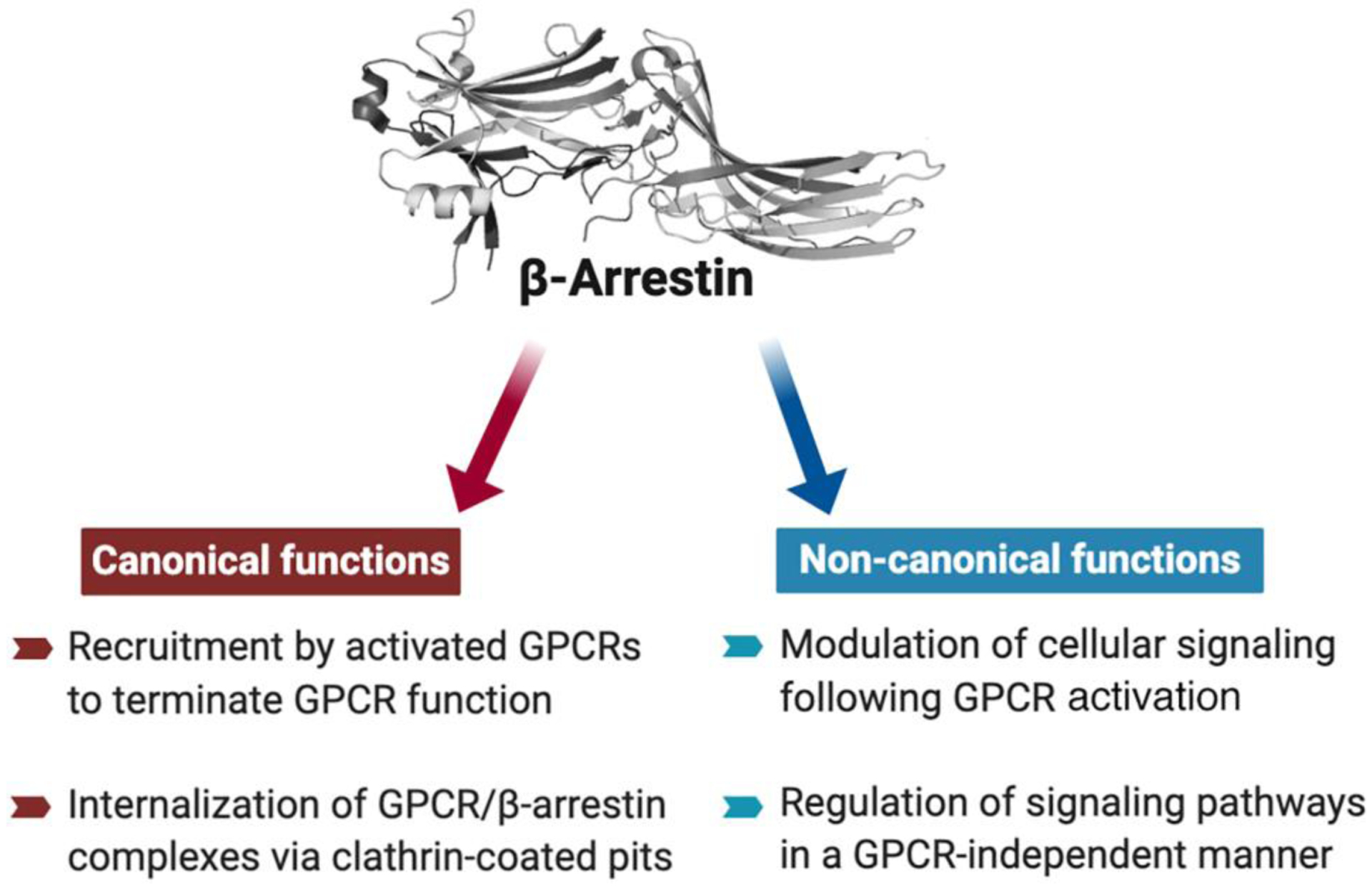
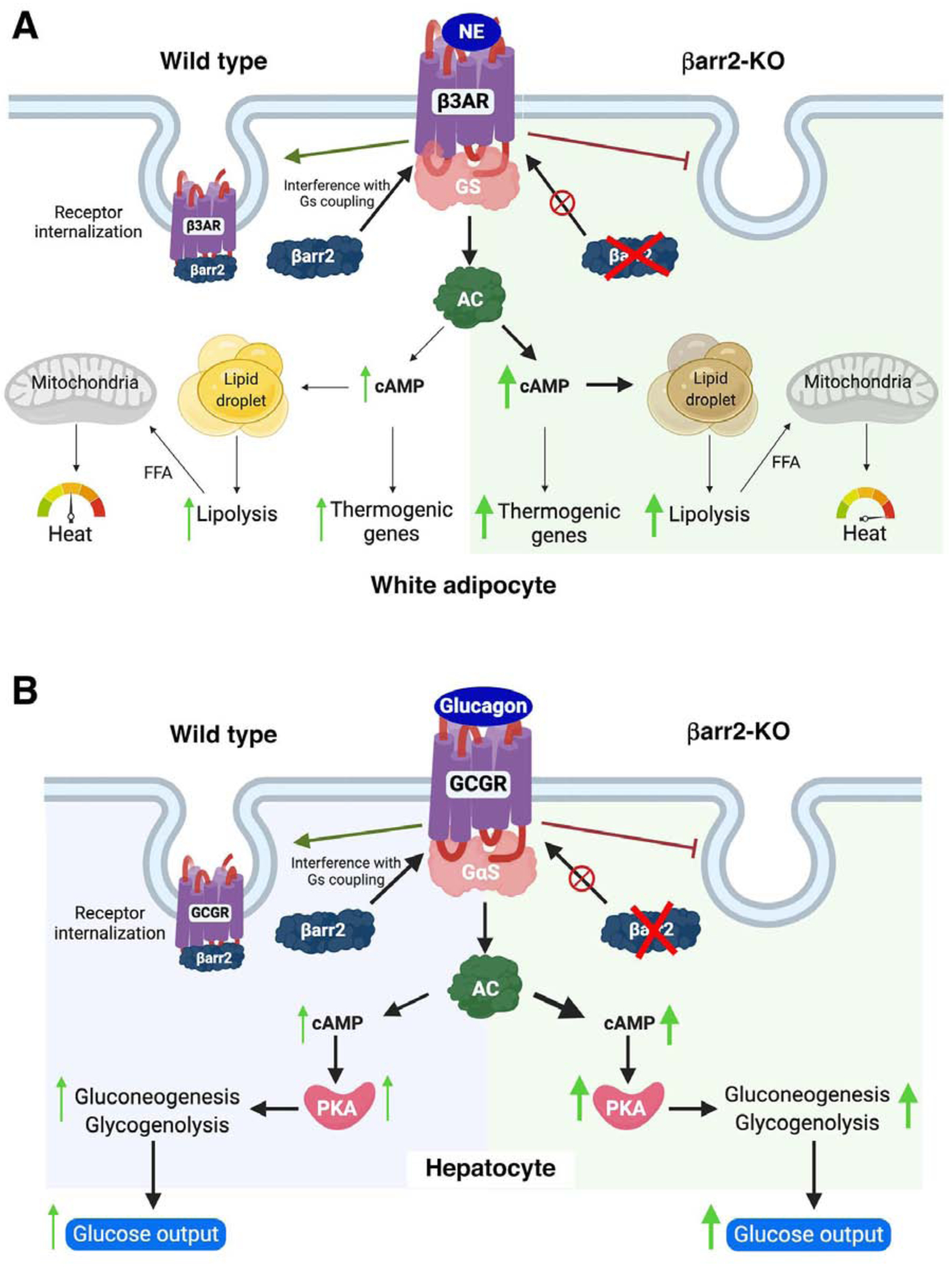
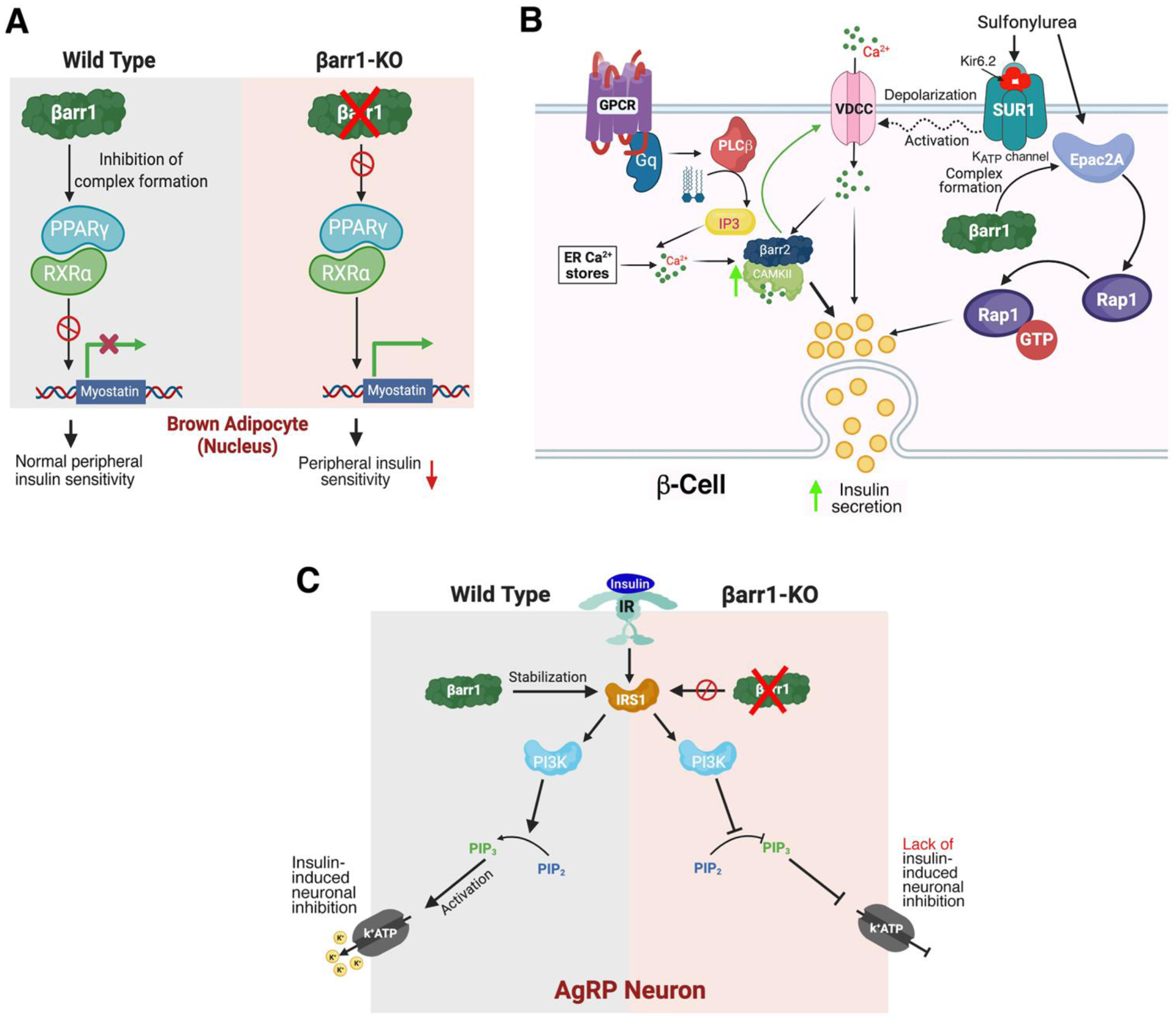
β-Arrestin-1 and -2 are intracellular proteins that are able to inhibit signaling via G protein-coupled receptors (GPCRs). However, both proteins can also modulate cellular functions in a G protein-independent fashion. During the past few years, studies with mutant mice selectivity lacking β-arrestin-1 and/or -2 in metabolically important cell types have led to novel insights into the mechanisms through which β-arrestins regulate key metabolic processes in vivo, including whole-body glucose and energy homeostasis. The novel information gained from these studies should inform the development of novel drugs, including β-arrestin- or G protein-biased GPCR ligands, that could prove useful for the therapy of several important pathophysiological conditions, including type 2 diabetes and obesity.
Keywords: G protein-coupled receptors; diabetes; metabolism; mutant mice; obesity; β-arrestins.
Published by Elsevier Ltd.
Conflict of interest statement
Disclosure Statement
The authors have no financial conflicts of interest to disclose.
Figures
References
-
- Pierce KL and Lefkowitz RJ (2001) Classical and new roles of beta-arrestins in the regulation of G-protein-coupled receptors. Nat Rev Neurosci 2 (10), 727–33. - PubMed
Publication types
MeSH terms
Substances
Grants and funding
LinkOut - more resources
Full Text Sources
Other Literature Sources
Miscellaneous
