


Gender Differences in Perceived Stigma and Coping Strategies Among People Living with HIV/AIDS at Jugal Hospital, Harar, Ethiopia
- PMID: 33364862
- PMCID: PMC7750813
- DOI: 10.2147/PRBM.S283969
Gender Differences in Perceived Stigma and Coping Strategies Among People Living with HIV/AIDS at Jugal Hospital, Harar, Ethiopia
Abstract
Background: HIV/AIDS is among the most devastating diseases, having multiple effects on the health and well-being of people living with HIV/AIDS (PLWHA). There is a paucity of studies that examined the gender differences in perceived stigma among PLWHA and the different coping strategies that they use in Ethiopia.
Objective: To assess the gender differences in perceived stigma and coping strategies among PLWHA.
Methods: A comparative cross-sectional study was conducted at Jugal Hospital, Harar, eastern Ethiopia from May 01 to July 30, 2018. A total of 412 (206 females and 206 males) PLWHA were included. Face-to-face interviewer-administered data were collected. Perceived HIV stigma was assessed using the Berger HIV stigma scale. Similarly, the coping strategies were assessed using the Brief Coping Orientation to Problems Experienced (Brief COPE) scale. The data were analyzed using STATA version 13.
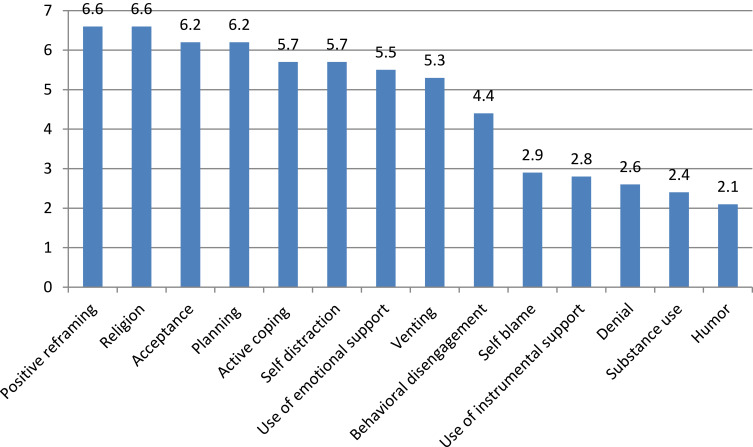
Results: The mean Berger stigma scale score was 65.3±11.3. The overall perceived stigma mean score was not statistically different between males and females (64.8±10.8 vs 65.8±11.7, p=0.407). Among the four subscales, women reported a higher level of disclosure stigma than men (21.1±5.5 vs 20.3±5.5; p=0.006). Regarding maladaptive coping strategies, men often used substances compared to women (2.8±1.5 vs 2.1±0.4; p<0.001). However, women use behavioral disengagement (4.6±1.1 vs 4.2±1.1; p=0.002) and self-distraction (5.9±1.5 vs 5.5±1.7; p=0.019) more often than men. Females used a higher level of adaptive coping strategies compared to males (42.5±4.9 vs 40.9±6.3, p=0.005). Furthermore, females were found to use more emotional-focused coping than males (27.6±3.2 vs 26.4±4.0; p<0.001).
Conclusion: Women reported a higher level of disclosure stigma than men and the types of coping strategies used vary between male and female. Thus, interventions to support PLWHA must take into account the gender differences in terms of perceived stigma.
Keywords: Ethiopia; PLWHA; coping strategies; perceived stigma.
© 2020 Ataro et al.
Conflict of interest statement
The authors report no conflicts of interest in this work.
Figures
References
-
- Brimlow DL, Cook JS, Seaton R. Stigma and HIV/AIDS: A Review of the Literature. Rockville, MD: US Department of Health and Human Services; 2003.
-
- Nyblade L, Pande R, Mathur S, et al. Disentangling HIV and AIDS stigma in Ethiopia, Tanzania and Zambia. 2003.
-
- Brown L, Macintyre K, Trujillo L. Interventions to reduce HIV/AIDS stigma: what have we learned? AIDS Educ Prev. 2003;15(1):49–69. - PubMed
-
- Silva R, Rocha V, Davim RMB, Torres G. Ways of coping with AIDS: opinion of mothers with HIV children. Rev Lat Am Enfermagem. 2008;16(2):260–265. - PubMed
-
- Deichert NT, Fekete EM, Boarts JM, Druley JA, Delahanty DL. Emotional support and affect: associations with health behaviors and active coping efforts in men living with HIV. AIDS Behav. 2008;12(1):139–145. - PubMed
LinkOut - more resources
Full Text Sources
