


Not all mitochondrial DNAs are made equal and the nucleus knows it
- PMID: 33369015
- PMCID: PMC7985871
- DOI: 10.1002/iub.2434
Not all mitochondrial DNAs are made equal and the nucleus knows it
Abstract
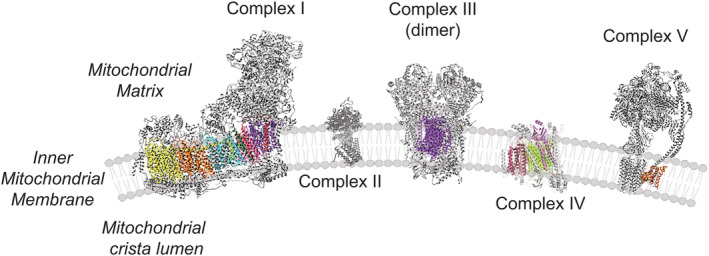
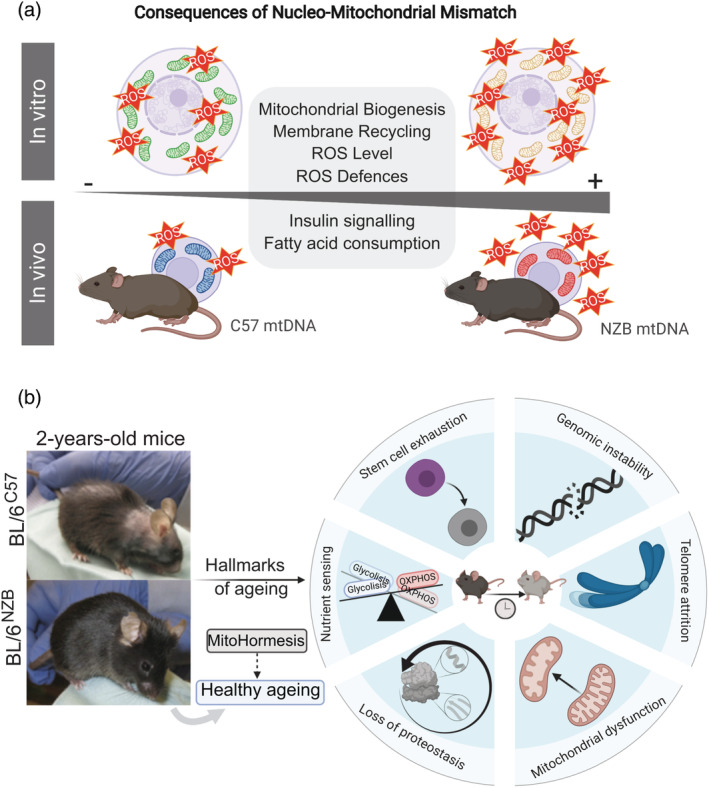
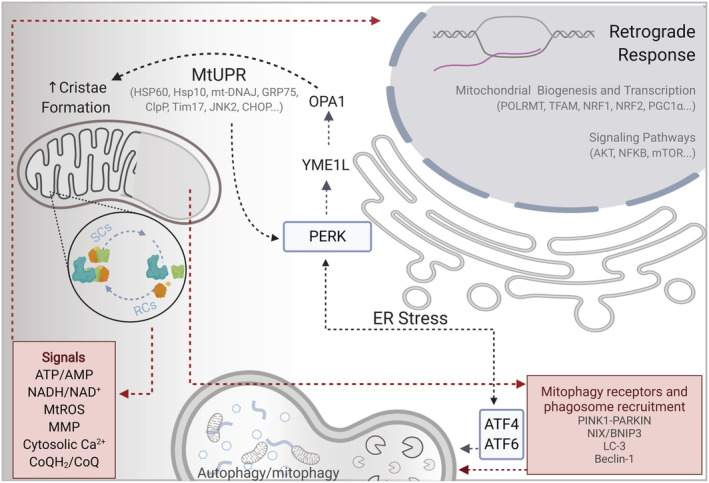
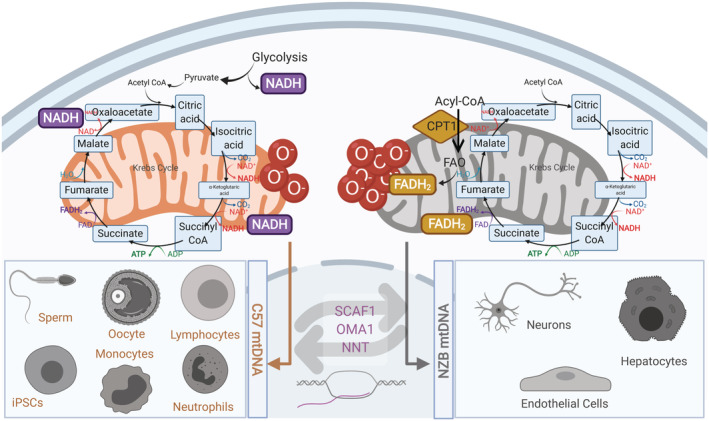
The oxidative phosphorylation (OXPHOS) system is the only structure in animal cells with components encoded by two genomes, maternally transmitted mitochondrial DNA (mtDNA), and biparentally transmitted nuclear DNA (nDNA). MtDNA-encoded genes have to physically assemble with their counterparts encoded in the nucleus to build together the functional respiratory complexes. Therefore, structural and functional matching requirements between the protein subunits of these molecular complexes are rigorous. The crosstalk between nDNA and mtDNA needs to overcome some challenges, as the nuclear-encoded factors have to be imported into the mitochondria in a correct quantity and match the high number of organelles and genomes per mitochondria that encode and synthesize their own components locally. The cell is able to sense the mito-nuclear match through changes in the activity of the OXPHOS system, modulation of the mitochondrial biogenesis, or reactive oxygen species production. This implies that a complex signaling cascade should optimize OXPHOS performance to the cellular-specific requirements, which will depend on cell type, environmental conditions, and life stage. Therefore, the mitochondria would function as a cellular metabolic information hub integrating critical information that would feedback the nucleus for it to respond accordingly. Here, we review the current understanding of the complex interaction between mtDNA and nDNA.
Keywords: cytoplasmic communication; intergenomic coadaptation; mito-nuclear interactions; mitochondrial DNA; mitochondrial haplotypes; nucleo-mitochondrial mismatch; respiratory complexes and supercomplexes; retrograde responses.
© 2020 The Authors. IUBMB Life published by Wiley Periodicals LLC on behalf of International Union of Biochemistry and Molecular Biology.
Conflict of interest statement
The authors declare no competing financial interests.
Figures
References
-
- Sagan L. On the origin of mitosing cells. J Theor Biol. 1967;14:255–274. - PubMed
-
- Brocks JJ, Logan GA, Buick R, Summons RE. Archean molecular fossils and the early rise of eukaryotes. Science. 1999;285:1033–1036. - PubMed
-
- Kump LR, Barley ME. Increased subaerial volcanism and the rise of atmospheric oxygen 2.5 billion years ago. Nature. 2007;448:1033–1036. - PubMed
Publication types
MeSH terms
Substances
LinkOut - more resources
Full Text Sources
