Review
. 2021 Jul;236(7):4888-4901.
doi: 10.1002/jcp.30247. Epub 2020 Dec 28.

Erythroferrone structure, function, and physiology: Iron homeostasis and beyond

Affiliations
Review

Erythroferrone structure, function, and physiology: Iron homeostasis and beyond

Daniel N Srole et al. J Cell Physiol. 2021 Jul.

Abstract

Erythroferrone (ERFE) is the main erythroid regulator of hepcidin, the homeostatic hormone controlling plasma iron levels and total body iron. When the release of erythropoietin from the kidney stimulates the production of new red blood cells, it also increases the synthesis of ERFE in bone marrow erythroblasts. Increased ERFE then suppresses hepcidin synthesis, thereby mobilizing cellular iron stores for use in heme and hemoglobin synthesis. Recent mechanistic studies have shown that ERFE suppresses hepcidin transcription by inhibiting bone morphogenetic protein signaling in hepatocytes. In ineffective erythropoiesis, pathological overproduction of ERFE by an expanded population of erythroblasts suppresses hepcidin and causes iron overload, even in non-transfused patients. ERFE may be a useful biomarker of ineffective erythropoiesis and an attractive target for treating its systemic effects.

Keywords: bone morphogenetic proteins; erythroferrone; hepcidin; ineffective erythropoiesis; iron homeostasis; β-thalassemia.


Conflict of interest statement

Conflict of Interest Statement

TG is a scientific co-founder of Intrinsic LifeSciences and Silarus Pharma and has consulted for ADARx, Akebia, Pharmacosmos, Ionis, Gossamer Bio, Global Blood Therapeutics, American Regent, Disc Medicine, and Rockwell Scientific. TG is also listed as an inventor on patents related to erythroferrone. DNS declares no conflicts.

Figures
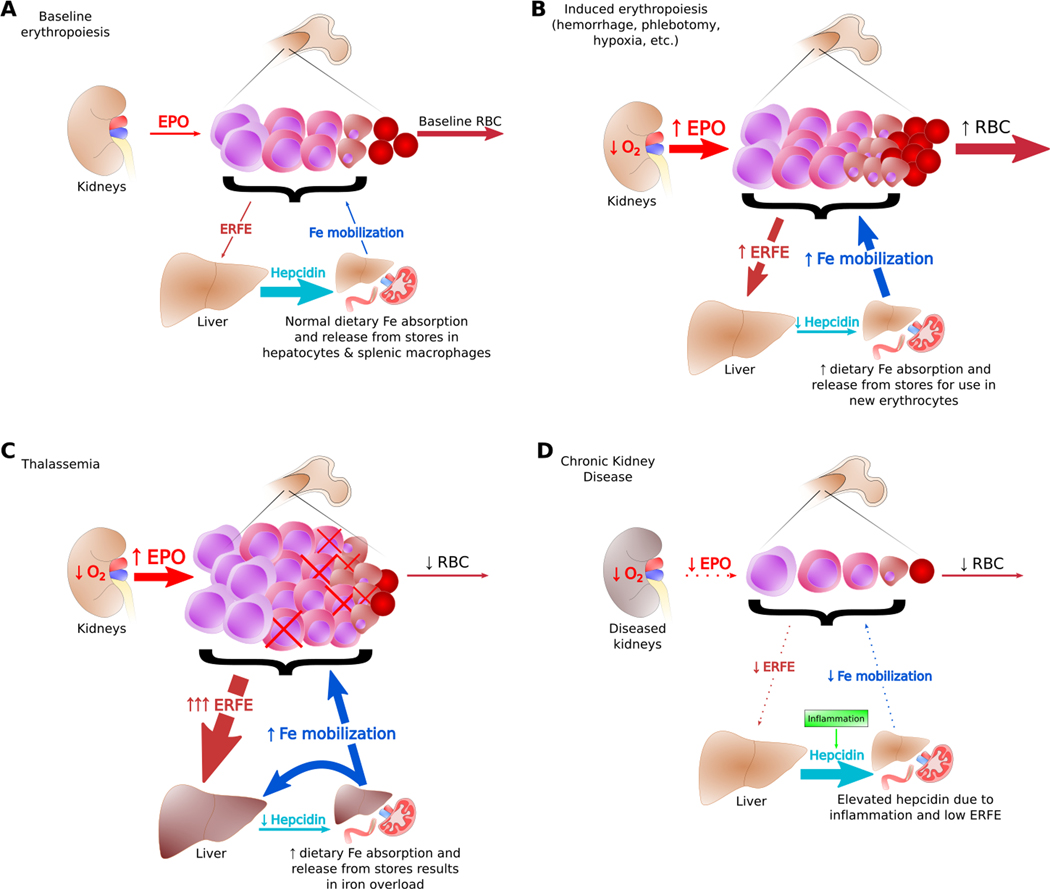
Figure 1.
Figure 1.. Effective and Ineffective Erythropoiesis
(A) Baseline erythropoiesis generates red blood cells to replace old and damaged cells. Physiological levels of ERFE and hepcidin at baseline provide sufficient iron for steady state production of erythrocytes. (B) When the kidneys sense cellular hypoxia, they secrete EPO which stimulates erythropoiesis and the production of ERFE. As ERFE suppresses hepcidin, iron is mobilized from stores for use by the expanded population of maturing red blood cells. (C) In β-thalassemia, most erythroblasts do not generate mature erythrocytes, causing anemia and tissue hypoxia. This results in high levels of EPO and ERFE, chronically low hepcidin, and iron overload. (D) In chronic kidney disease, low EPO production, low clearance of hepcidin by the kidney, and inflammation can lead to low iron availability in the erythroid system.
Figure 2.
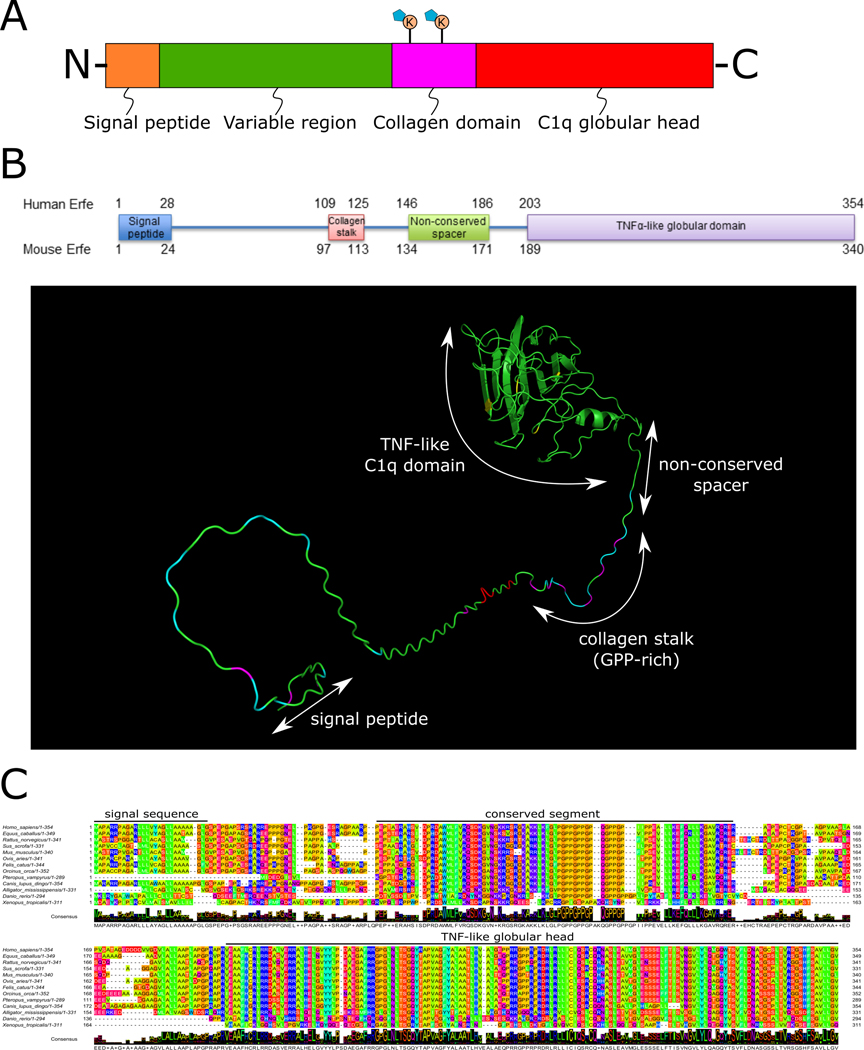
Figure 2.. The C1q/TNF-related protein (CTRP) and ERFE Structure
(A) The generalized domain structure of CTRPs. The signal peptide directs the protein for secretion and is removed in the final form. The variable region is the least conserved domain between CTRP family members. The collagen domain is glycine- and proline-rich and may contain glycosylated lysine residues known to promote multimerization (e.g. adiponectin). The C1q globular head is predicted to be the most structured part of the protein and is highly conserved between CTRP family members. (B) Human and murine erythroferrone domains and prediction of folded structure. (C) Erythroferrone sequence alignment across vertebrate species highlighting the conserved segments.
Figure 3.
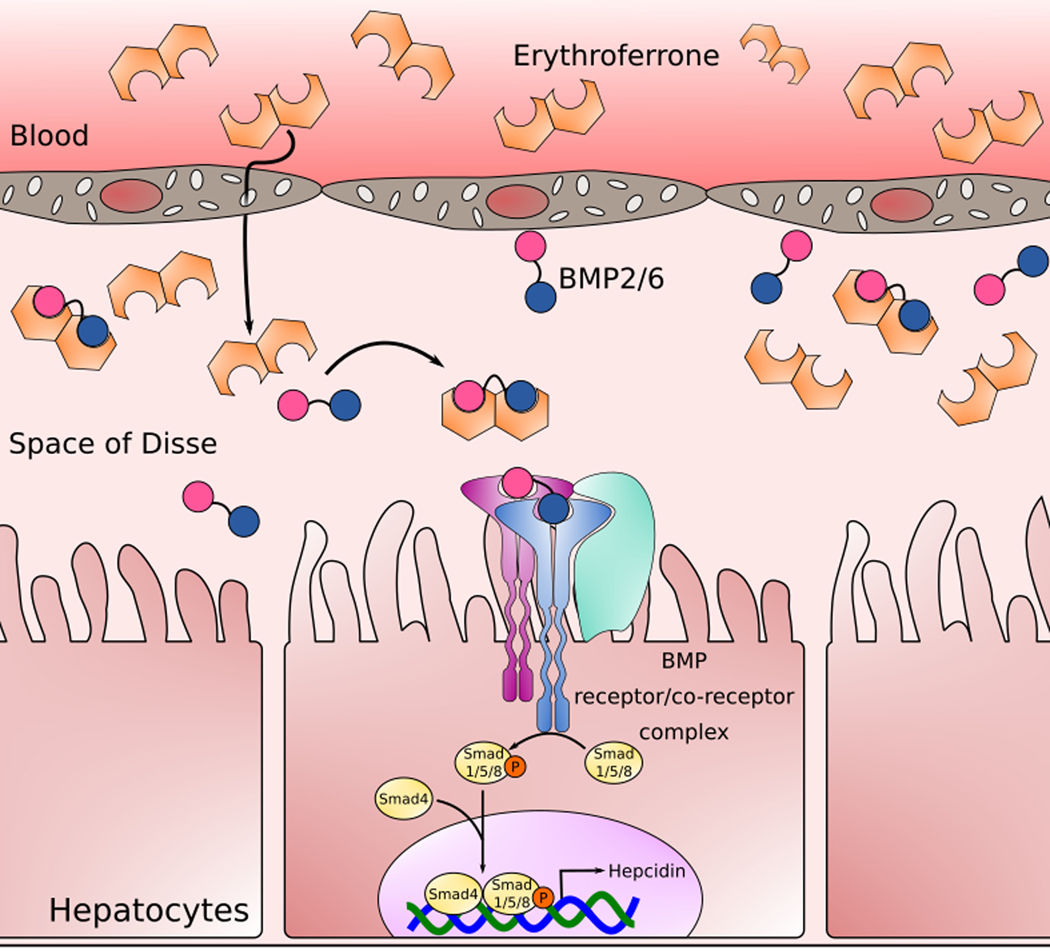
Figure 3.. Erythroferrone Mechanism of Action
Erythroferrone molecules secreted into blood by erythroblasts in the marrow reach the liver where it permeates through fenestrations in sinusoidal endothelial cells into the Space of Disse, a perisinusoidal space separating hepatocytes from sinusoidal endothelial cells. Sinusoidal endothelial cells secrete BMP2/6 heterodimers, but ERFE sequesters these before they engage the BMP receptor complex on hepatocytes, lowering activation of the Smad1/5/8 signal transduction pathway, and reducing hepcidin transcription.
Figure 4.
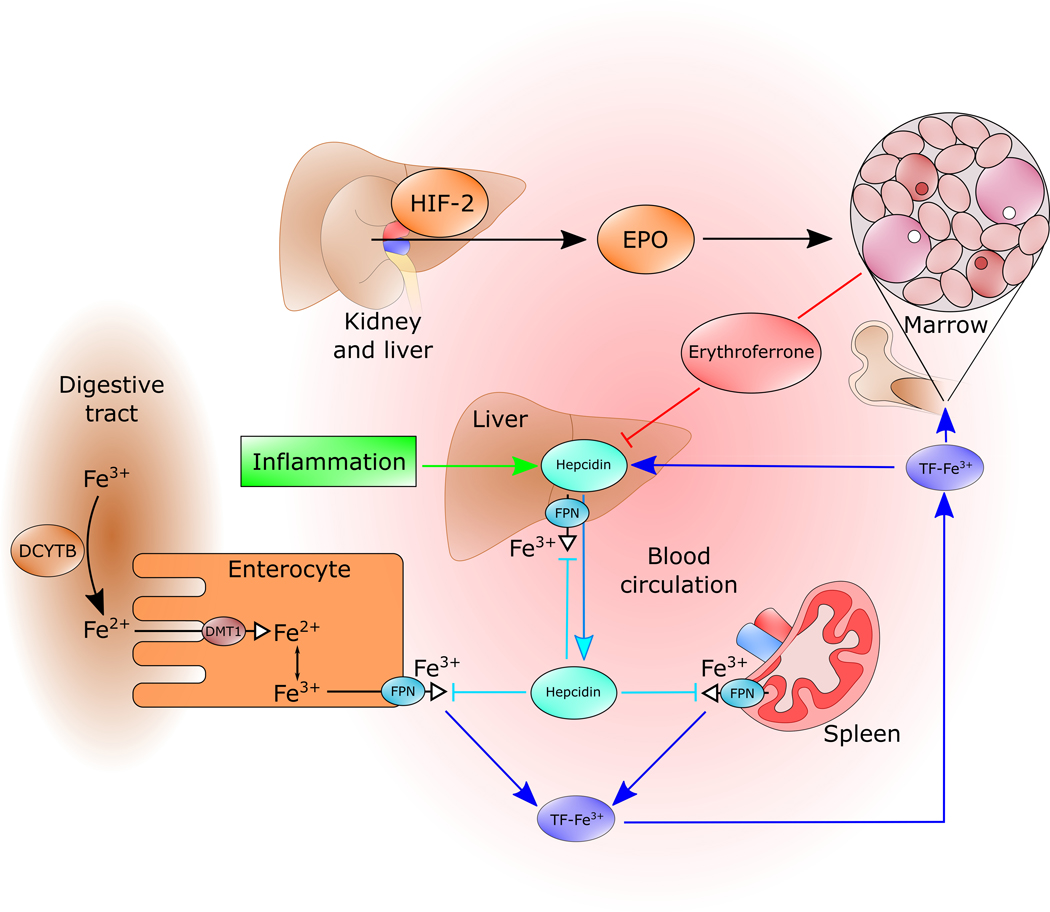
Figure 4.. ERFE-Hepcidin-Ferroportin Axis
Interstitial fibroblasts in the kidney and hepatocytes in the liver respond to cellular hypoxia by HIF-2 induced transcription and production of EPO. EPO stimulates the expansion of erythroblasts as well as increasing production of ERFE. ERFE inhibits the transcription of hepatic hepcidin thereby stabilizing the cellular iron exporter ferroportin on the surfaces of hepatocytes and macrophages. Cellular iron stores are then mobilized into plasma to be used for hemoglobin synthesis by the expanded population of maturing erythrocytes. EPO, erythropoietin; ERFE, erythroferrone; HIF-2, hypoxia-inducible factor 2.

References

    1. Andolfo Immacolata, Barbara Eleni Rosato Roberta Marra, Gianluca De Rosa Francesco Manna, Gambale Antonella, Iolascon Achille, and Russo Roberta. 2019. “The BMP-SMAD Pathway Mediates the Impaired Hepatic Iron Metabolism Associated with the ERFE-A260S Variant.” American Journal of Hematology 94(11):1227–35. doi: 10.1002/ajh.25613. - DOI - PubMed
    1. Anemia Work Group. 2012. “KDIGO Clinical Practice Guideline for Anemia in Chronic Kidney Disease.” Kidney International Supplements 2(4):279–335. doi: 10.1038/kisup.2012.40. - DOI
    1. Arezes João, Foy Niall, Kirsty McHugh Doris Quinkert, Benard Susan, Sawant Anagha, Frost Joe N., Armitage Andrew E., Pasricha Sant-Rayn, Pei Jin Lim May S. Tam, Lavallie Edward, Pittman Debra D., Cunningham Orla, Lambert Matthew, Murphy John E., Draper Simon J., Jasuja Reema, and Drakesmith Hal. 2020. “Antibodies against the Erythroferrone N-Terminal Domain Prevent Hepcidin Suppression and Ameliorate Murine Thalassemia.” Blood 135(8):547–57. doi: 10.1182/blood.2019003140. - DOI - PMC - PubMed
    1. Arezes João, Foy Niall, Kirsty McHugh Anagha Sawant, Quinkert Doris, Terraube Virginie, Brinth Alette, Tam May, LaVallie Edward R., Taylor Stephen, Armitage Andrew E., Sant-Rayn Pasricha, Cunningham Orla, Lambert Matthew, Draper Simon J., Jasuja Reema, and Drakesmith Hal. 2018. “Erythroferrone Inhibits the Induction of Hepcidin by BMP6.” Blood 132(14):1473–77. doi: 10.1182/blood-2018-06-857995. - DOI - PMC - PubMed

    1. Aschemeyer Sharraya, Gabayan Victoria, Ganz Tomas, Nemeth Elizabeta, and Kautz Léon. 2017. “Erythroferrone and Matriptase-2 Independently Regulate Hepcidin Expression.” American Journal of Hematology 92(5):E61–63. doi: 10.1002/ajh.24672. - DOI - PMC - PubMed

Publication types