Time gap between the onset and diagnosis in Werner syndrome: a nationwide survey and the 2020 registry in Japan
- PMID: 33373317
- PMCID: PMC7803551
- DOI: 10.18632/aging.202441
Time gap between the onset and diagnosis in Werner syndrome: a nationwide survey and the 2020 registry in Japan
Abstract
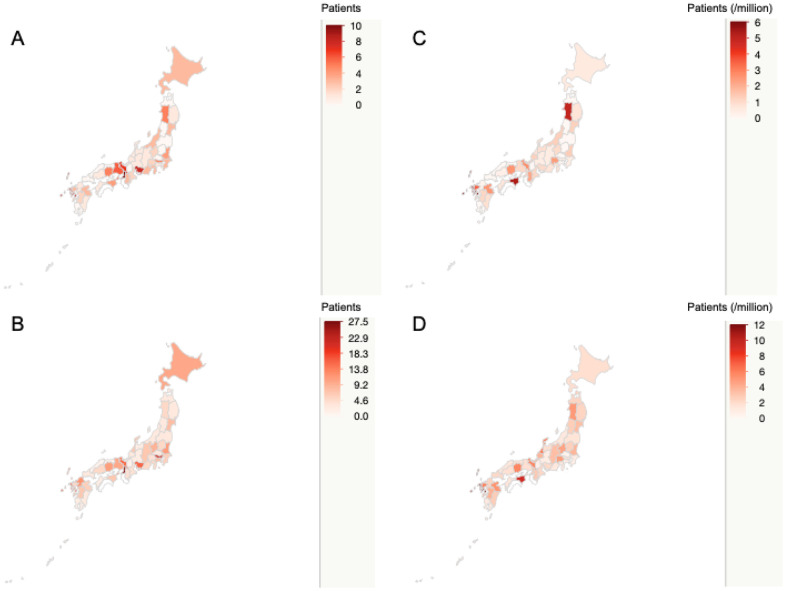
Patients with Werner syndrome present with diverse signs of aging that begin in adolescence. A Japanese nationwide survey was conducted to establish a registry that could clarify the disease profile of patients with Werner syndrome. The questionnaires were sent to 7888 doctors. The survey identified 116 patients diagnosed with Werner syndrome based on the diagnosis criteria. Forty patients were enrolled in the registry. Data on clinical symptoms, treatment information, and laboratory examination from patients who provided informed consent were collected. The data at enrollment were analyzed. The patients' average age at enrollment was 50.1±7.5 years. The mean onset age was 26.1±9.5 years, but the mean age at diagnosis was 42.5±8.6 years. Average height and weight of the study patients were lower than those of Japanese individuals. Almost all patients experienced hair change and cataracts. More than 60% of patients presented with glycolipid abnormalities. Overall, 15% of patients had a history of foot amputation. Approximately 30% of the patients' parents had a consanguineous marriage. The average grip strength, walking speed, and skeletal muscle mass index met the diagnostic criteria for sarcopenia. The registry revealed that there are opportunities for early diagnosis and intervention; therefore, sensitization about the disease is needed.
Keywords: Werner syndrome; nationwide survey; premature aging; registry; sarcopenia.
Conflict of interest statement
Figures
References
-
- Matsumoto T, Imamura O, Yamabe Y, Kuromitsu J, Tokutake Y, Shimamoto A, Suzuki N, Satoh M, Kitao S, Ichikawa K, Kataoka H, Sugawara K, Thomas W, et al. Mutation and haplotype analyses of the Werner’s syndrome gene based on its genomic structure: genetic epidemiology in the Japanese population. Hum Genet. 1997; 100:123–30. 10.1007/s004390050477 - DOI - PubMed
Publication types
MeSH terms
Supplementary concepts
LinkOut - more resources
Full Text Sources
Miscellaneous