


MRI surveillance of boys with X-linked adrenoleukodystrophy identified by newborn screening: Meta-analysis and consensus guidelines
- PMID: 33373467
- PMCID: PMC8113077
- DOI: 10.1002/jimd.12356
MRI surveillance of boys with X-linked adrenoleukodystrophy identified by newborn screening: Meta-analysis and consensus guidelines
Abstract
Background: Among boys with X-Linked adrenoleukodystrophy, a subset will develop childhood cerebral adrenoleukodystrophy (CCALD). CCALD is typically lethal without hematopoietic stem cell transplant before or soon after symptom onset. We sought to establish evidence-based guidelines detailing the neuroimaging surveillance of boys with neurologically asymptomatic adrenoleukodystrophy.
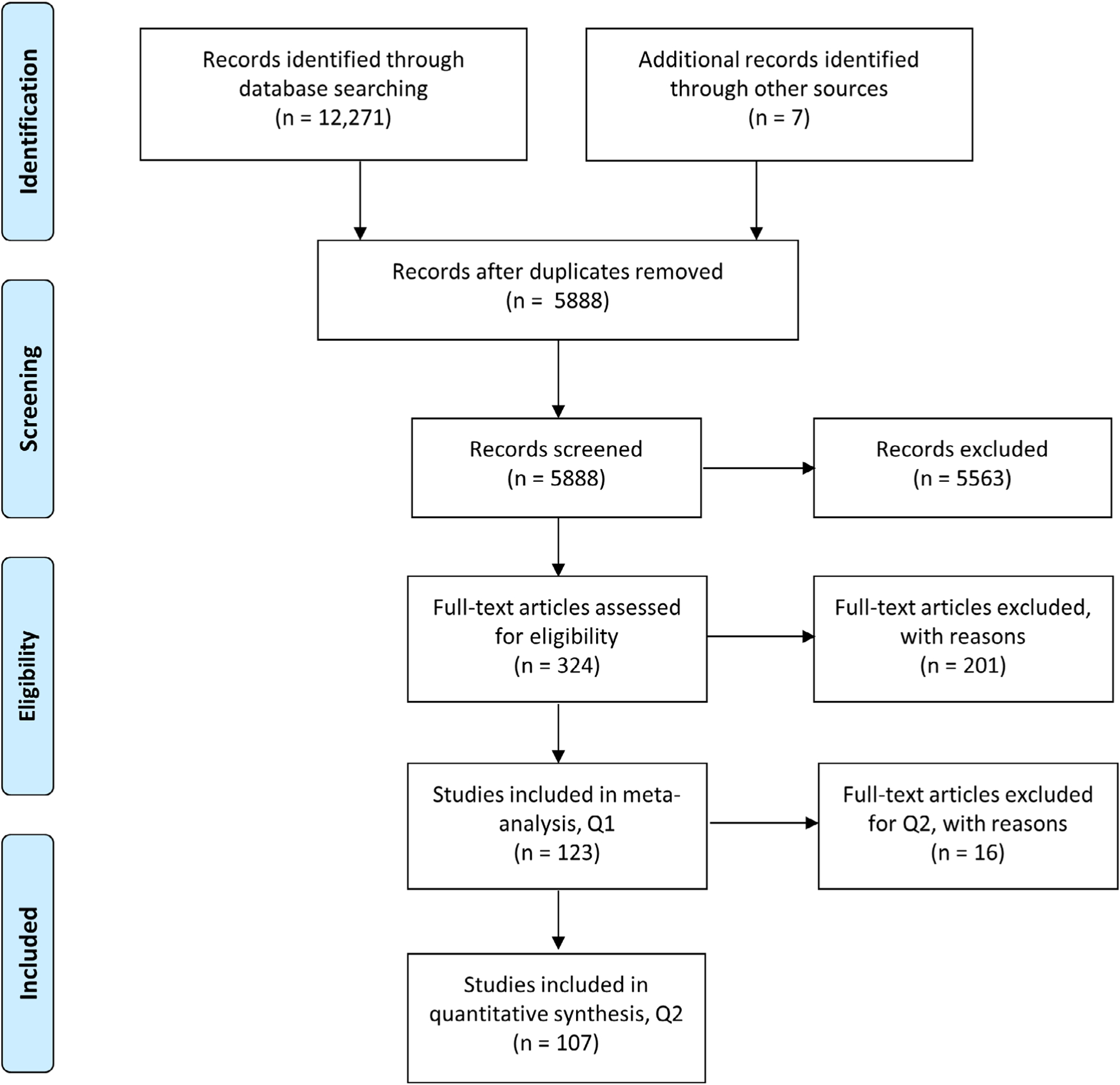
Methods: To establish the most frequent age and diagnostic neuroimaging modality for CCALD, we completed a meta-analysis of relevant studies published between January 1, 1970 and September 10, 2019. We used the consensus development conference method to incorporate the resulting data into guidelines to inform the timing and techniques for neuroimaging surveillance. Final guideline agreement was defined as >80% consensus.
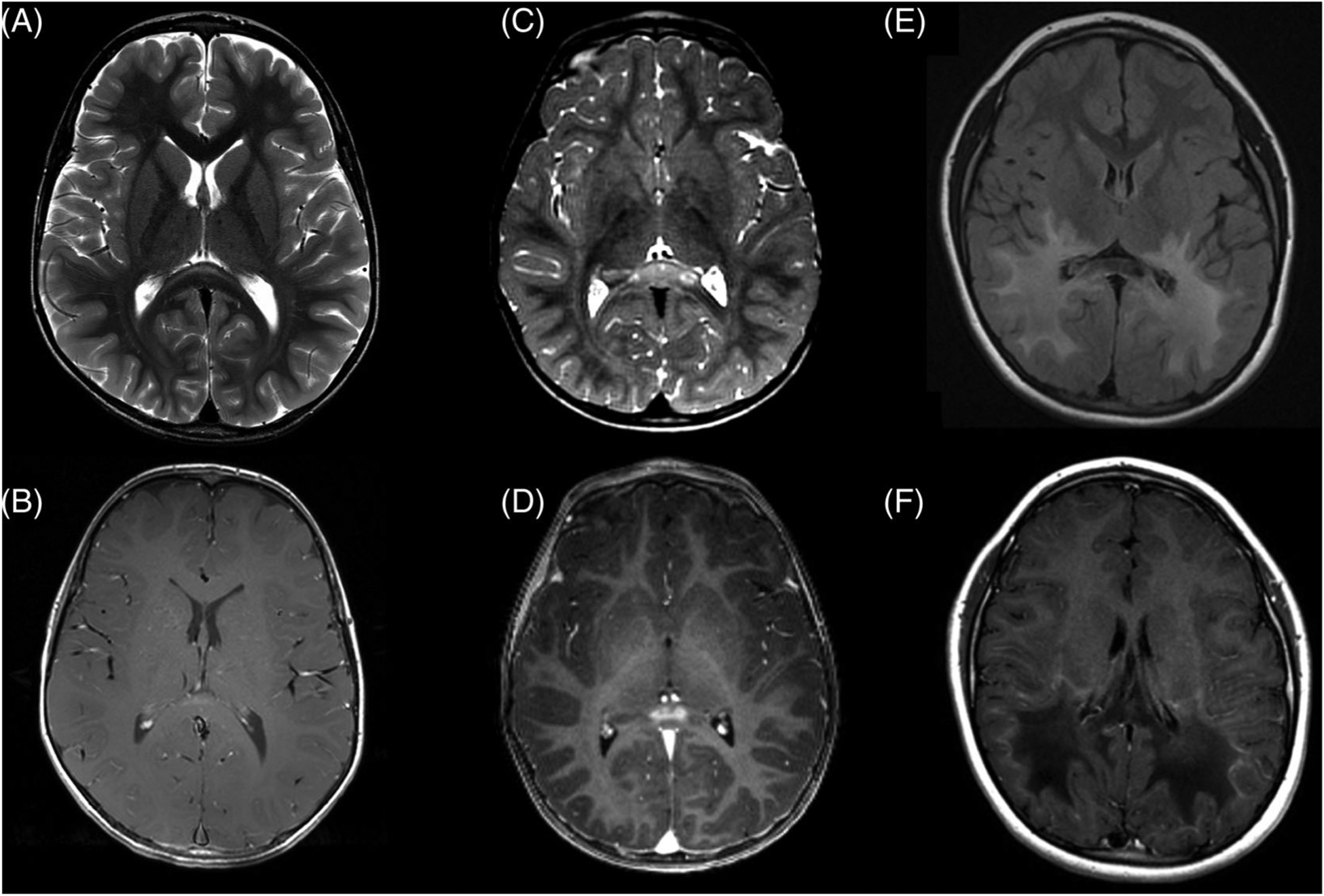
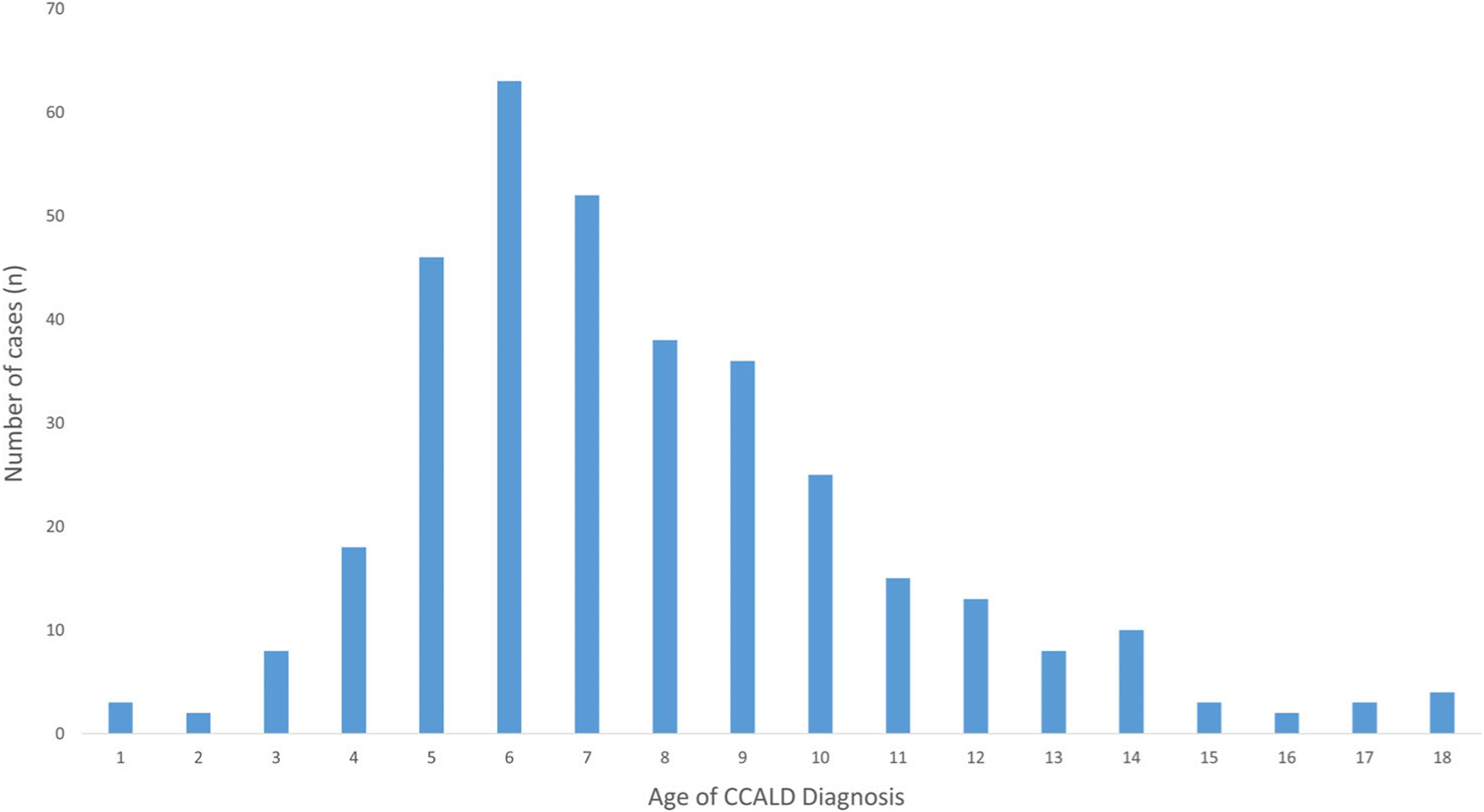
Results: One hundred twenty-three studies met inclusion criteria yielding 1285 patients. The overall mean age of CCALD diagnosis is 7.91 years old. The median age of CCALD diagnosis calculated from individual patient data is 7.0 years old (IQR: 6.0-9.5, n = 349). Ninety percent of patients were diagnosed between 3 and 12. Conventional MRI was most frequently reported, comprised most often of T2-weighted and contrast-enhanced T1-weighted MRI. The expert panel achieved 95.7% consensus on the following surveillance parameters: (a) Obtain an MRI between 12 and 18 months old. (b) Obtain a second MRI 1 year after baseline. (c) Between 3 and 12 years old, obtain a contrast-enhanced MRI every 6 months. (d) After 12 years, obtain an annual MRI.
Conclusion: Boys with adrenoleukodystrophy identified early in life should be monitored with serial brain MRIs during the period of highest risk for conversion to CCALD.
Keywords: MRI; adrenoleukodystrophy; cerebral; childhood; imaging; newborn screening; surveillance.
© 2020 SSIEM.
Conflict of interest statement
CONFLICT OF INTEREST
E. S. is the Founder of the Aidan Jack Seeger Foundation (AJSF). The AJSF provided support for in-person meetings during which these guidelines were generated, presented, and revised. The other authors have no financial relationships or conflicts of interest relevant to this article to disclose.
Figures
References
-
- Bezman L, Moser HW. Incidence of X-linked adrenoleukodystrophy and the relative frequency of its phenotypes. Am J Med Genet. 1998;76:415–419. - PubMed
Publication types
MeSH terms
Grants and funding
LinkOut - more resources
Full Text Sources
Other Literature Sources
Medical
Miscellaneous
