


Update on Safety Profiles of Vitamins B1, B6, and B12: A Narrative Review
- PMID: 33376337
- PMCID: PMC7764703
- DOI: 10.2147/TCRM.S274122
Update on Safety Profiles of Vitamins B1, B6, and B12: A Narrative Review
Abstract
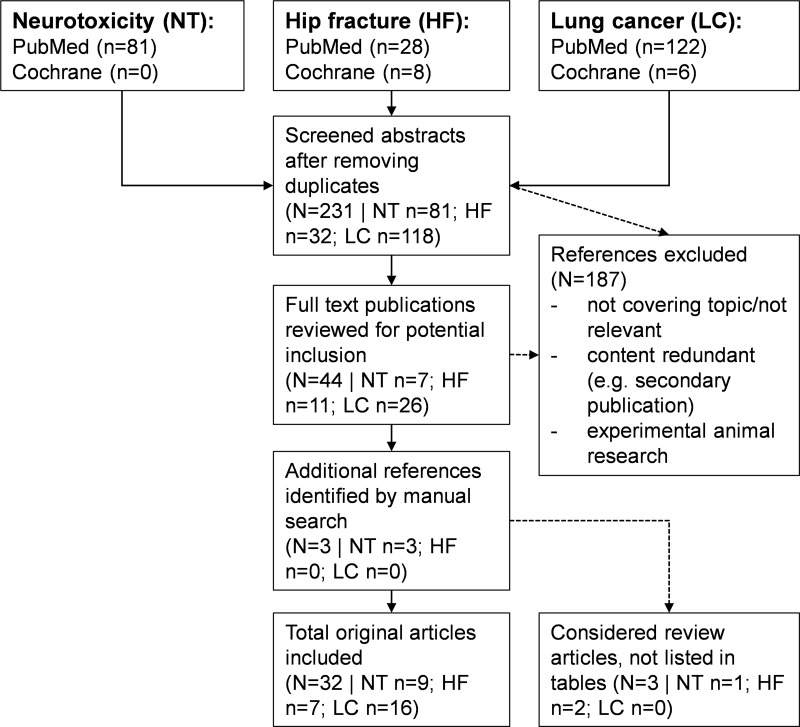
The neurotropic B vitamins B1 (thiamine), B6 (pyridoxine), and B12 (cobalamin) are essential for proper functioning of the nervous system. Deficiencies may induce neurological disorders like peripheral neuropathy (PN) and mainly occur in vulnerable populations (eg, elderly, diabetics, alcoholics). As epidemiologic cohort studies raised safety concerns about vitamin B6/B12 intake being potentially associated with increased risks of hip fracture (HF) and lung cancer (LC), we explored these aspects and performed comprehensive literature searches. However, we suggest not to neglect actual high-risk factors (eg, smoking in LC, higher age in HF) by focusing on individual nutrients, but to examine the complex interaction of numerous factors involved in disease development. Because it warrants continued consideration, we also provide an update on neurotoxicity associated with vitamin B6. We consider that neurological side effects due to vitamin B6 intake are rare and only occur with high daily doses and/or longer treatment duration. The benefit-risk ratio of high-dose treatment with neurotropic B vitamins in indications like PN is therefore considered advantageous, particularly if dosing recommendations are followed and serum levels monitored.
Keywords: cobalamin; hip fracture; lung cancer; neurotoxicity; neurotropic B vitamins; pyridoxine; safety; thiamine.
© 2020 Calderon-Ospina et al.
Conflict of interest statement
The work was funded by P&G Health International. C. Calderon-Ospina holds consultative activities for P&G Health International and reports personal fees from them outside the submitted work. The authors report no other potential conflicts of interest for this work.
Figures
References
-
- Zempleni J, Suttie JW, Gregory JF III, Stover PJ. Handbook of Vitamins. 5th ed. CRC Press; 2013.
Publication types
LinkOut - more resources
Full Text Sources
Research Materials
Miscellaneous
