Review
. 2020 Dec 28;6(1):2.
doi: 10.3390/tropicalmed6010002.

History, Rats, Fleas, and Opossums. II. The Decline and Resurgence of Flea-Borne Typhus in the United States, 1945-2019

Affiliations
Review

History, Rats, Fleas, and Opossums. II. The Decline and Resurgence of Flea-Borne Typhus in the United States, 1945-2019

Gregory M Anstead. Trop Med Infect Dis. .

Abstract

Flea-borne typhus, due to Rickettsia typhi and R. felis, is an infection causing fever, headache, rash, and diverse organ manifestations that can result in critical illness or death. This is the second part of a two-part series describing the rise, decline, and resurgence of flea-borne typhus (FBT) in the United States over the last century. These studies illustrate the influence of historical events, social conditions, technology, and public health interventions on the prevalence of a vector-borne disease. Flea-borne typhus was an emerging disease, primarily in the Southern USA and California, from 1910 to 1945. The primary reservoirs in this period were the rats Rattus norvegicus and Ra. rattus and the main vector was the Oriental rat flea (Xenopsylla cheopis). The period 1930 to 1945 saw a dramatic rise in the number of reported cases. This was due to conditions favorable to the proliferation of rodents and their fleas during the Depression and World War II years, including: dilapidated, overcrowded housing; poor environmental sanitation; and the difficulty of importing insecticides and rodenticides during wartime. About 42,000 cases were reported between 1931-1946, and the actual number of cases may have been three-fold higher. The number of annual cases of FBT peaked in 1944 at 5401 cases. American involvement in World War II, in the short term, further perpetuated the epidemic of FBT by the increased production of food crops in the American South and by promoting crowded and unsanitary conditions in the Southern cities. However, ultimately, World War II proved to be a powerful catalyst in the control of FBT by improving standards of living and providing the tools for typhus control, such as synthetic insecticides and novel rodenticides. A vigorous program for the control of FBT was conducted by the US Public Health Service from 1945 to 1952, using insecticides, rodenticides, and environmental sanitation and remediation. Government programs and relative economic prosperity in the South also resulted in slum clearance and improved housing, which reduced rodent harborage. By 1956, the number of cases of FBT in the United States had dropped dramatically to only 98. Federally funded projects for rat control continued until the mid-1980s. Effective antibiotics for FBT, such as the tetracyclines, came into clinical practice in the late 1940s. The first diagnostic test for FBT, the Weil-Felix test, was found to have inadequate sensitivity and specificity and was replaced by complement fixation in the 1940s and the indirect fluorescent antibody test in the 1980s. A second organism causing FBT, R. felis, was discovered in 1990. Flea-borne typhus persists in the United States, primarily in South and Central Texas, the Los Angeles area, and Hawaii. In the former two areas, the opossum (Didelphis virginiana) and cats have replaced rats as the primary reservoirs, with the cat flea (Ctenocephalides felis) now as the most important vector. In Hawaii, 73% of cases occur in Maui County because it has lower rainfall than other areas. Despite great successes against FBT in the post-World War II era, it has proved difficult to eliminate because it is now associated with our companion animals, stray pets, opossums, and the cat flea, an abundant and non-selective vector. In the new millennium, cases of FBT are increasing in Texas and California. In 2018-2019, Los Angeles County experienced a resurgence of FBT, with rats as the reservoir.

Keywords: Rickettsa typhi; Rickettsia felis; flea; insecticide; opossums; rats; rodenticide.


Conflict of interest statement

The author declares that there are no conflicts of interest regarding the publication of this paper.

Figures
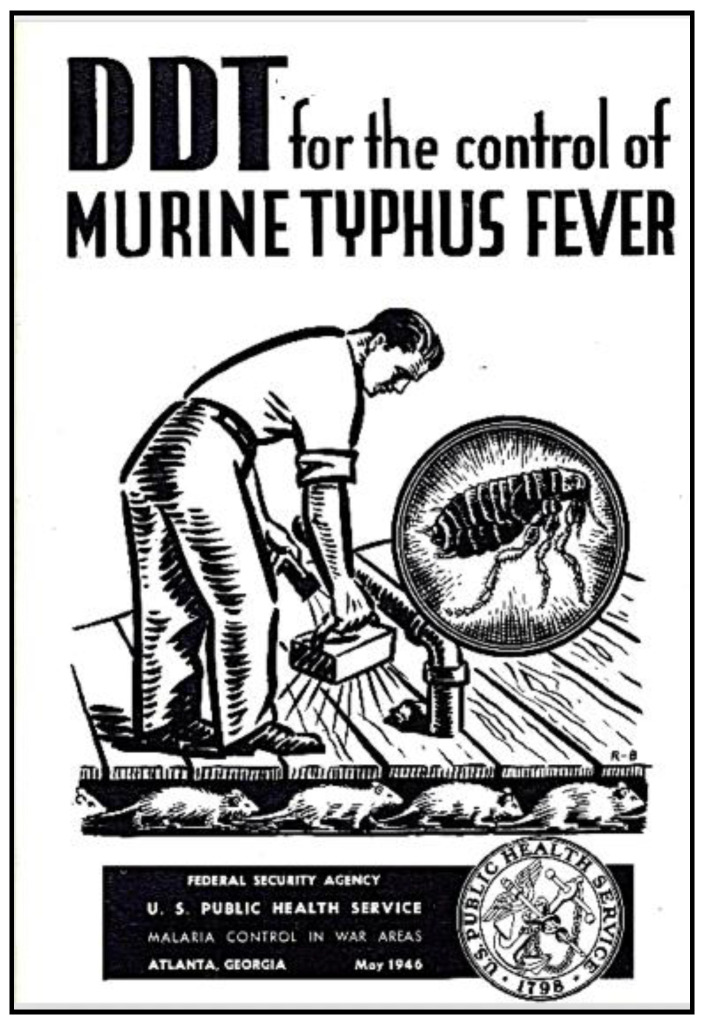
Figure 1
Figure 1
Cover of the 1946 United States Public Health Service pamphlet that first described the use of dichlorodiphenyltrichloroethane (DDT) for flea-borne typhus control [27].
Figure 2
Figure 2
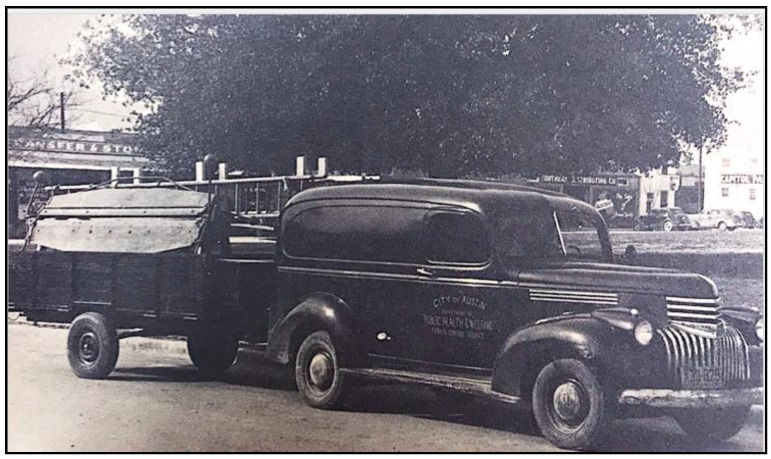
Typhus Control Truck. City of Austin, Dept of Public Health and Welfare, Typhus Control Service. Photograph published in Texas Health Bulletin, July 1949, with the caption “DDT dust, dispensed from spraying units such as the one pulled by the panel truck, destroyed typhus-transmitting fleas within 5–7 days after application to rat runs.”
Figure 3
Figure 3
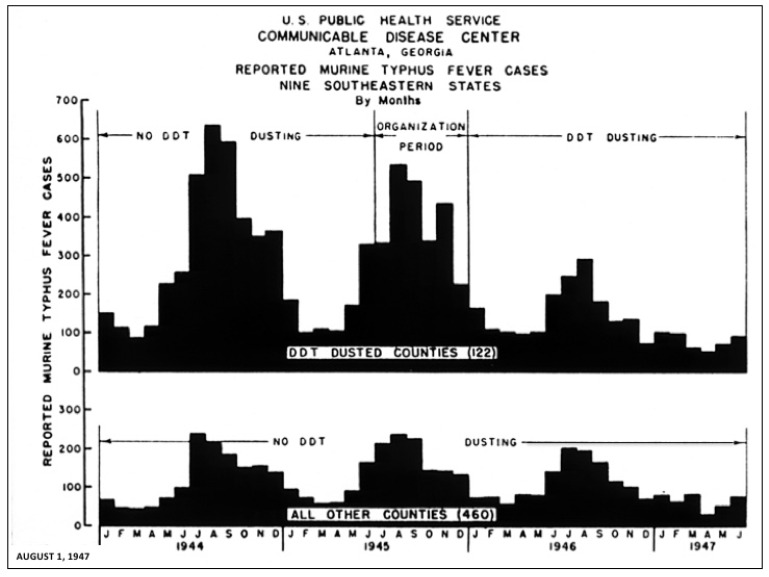
A graph showing the number of cases of flea-borne typhus in nine Southern states over time in areas treated (above) and untreated (below), showing the decrease in the treated areas, as compared to the untreated areas [28].
Figure 4
Figure 4
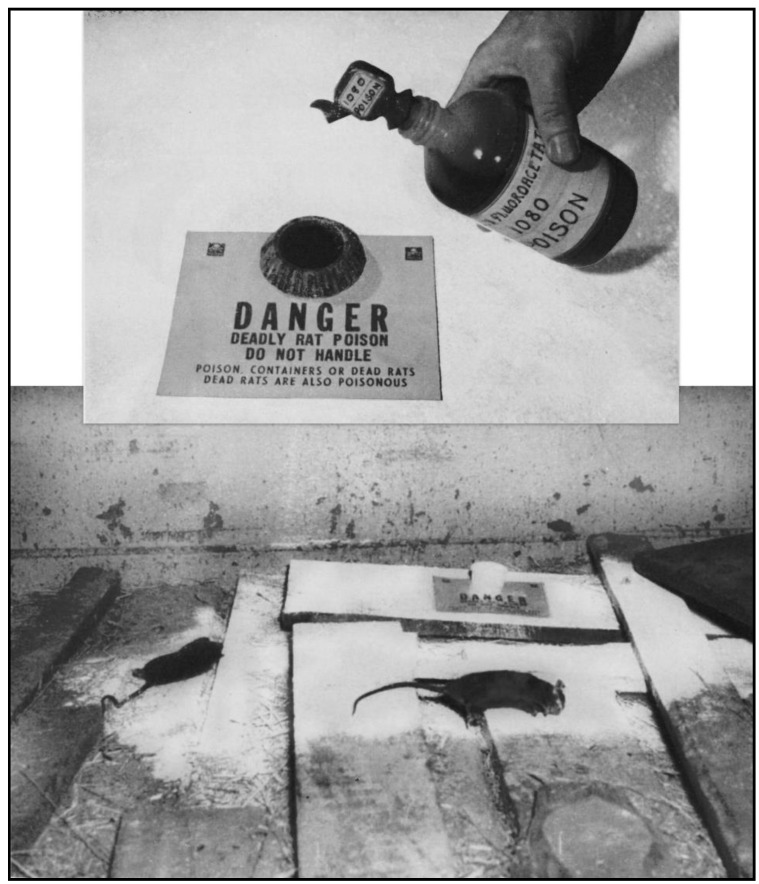
Above: Compound 1080 bait station. Below: Rats in a ship’s hold killed by 1080 (the white powder is dichlorodiphenyltrichloroethane (DDT) dust) [53].
Figure 5
Figure 5
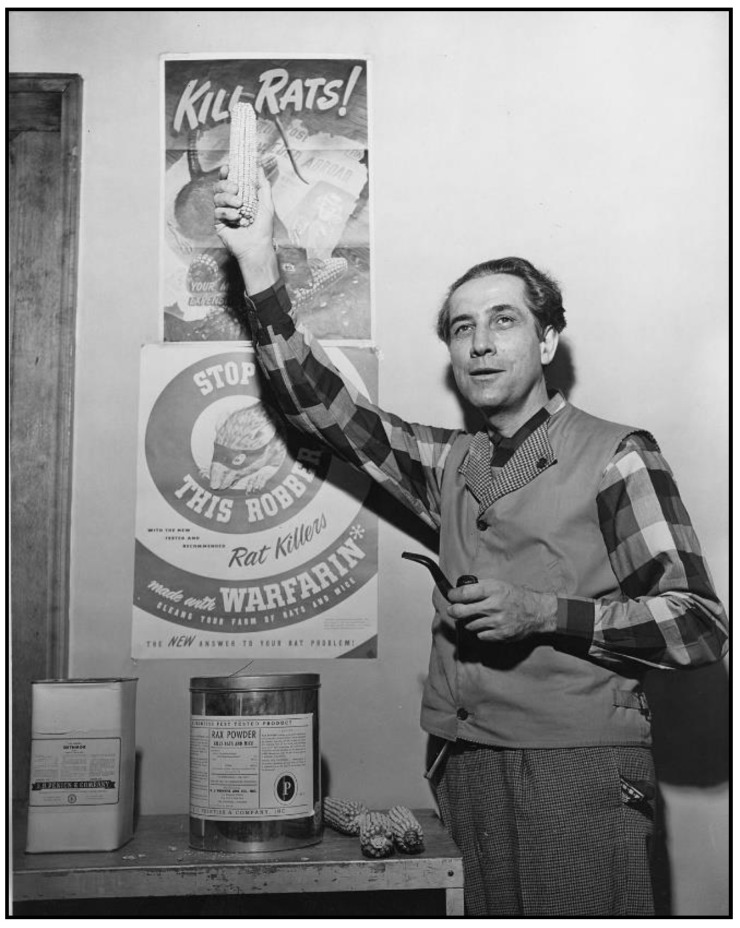
Karl Paul Link, Professor of Agricultural Chemistry at the University of Wisconsin, standing in front of a poster advertising Warfarin, a compound he and fellow researchers patented with the Wisconsin Alumni Research Foundation [81].
Figure 6
Figure 6
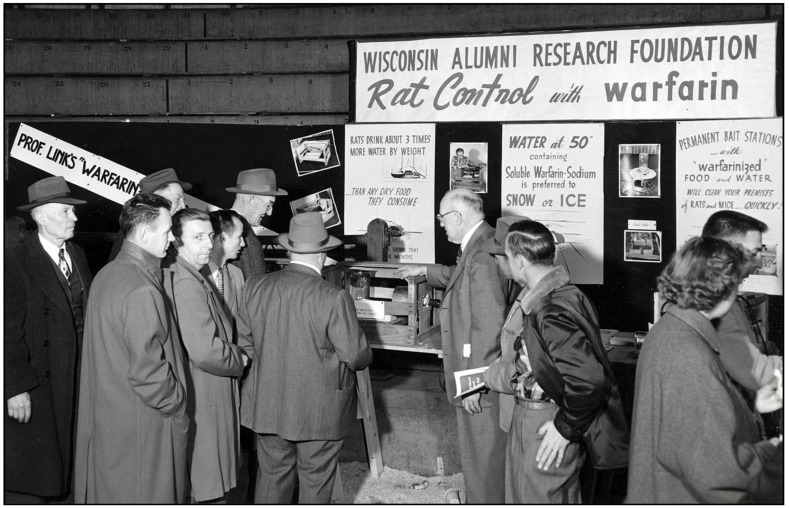
Attendees examine a poster presenting Karl Link’s work on rat extermination with warfarin during the 1954 Farm and Home Week exhibit of the University of Wisconsin College of Agriculture [82].
Figure 7
Figure 7
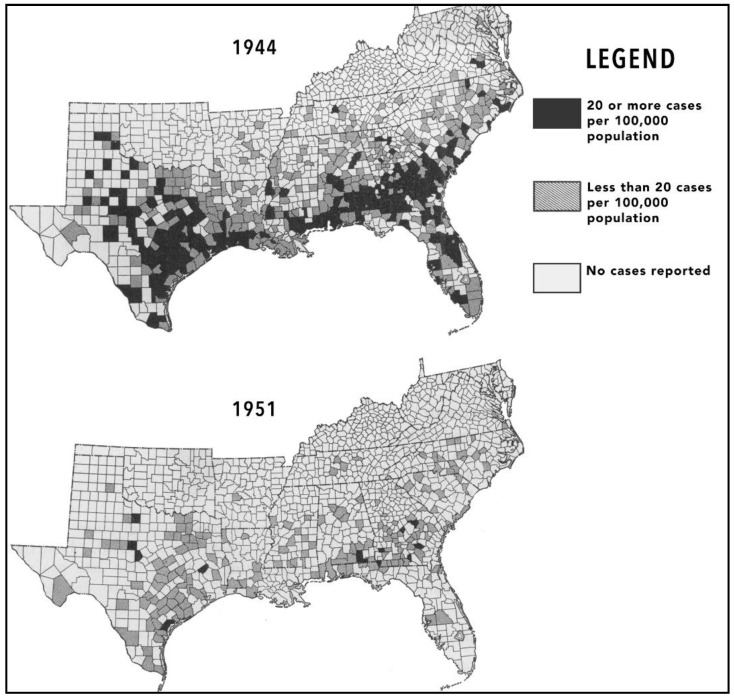
Map showing decreasing cases and geographic contraction of FBT in the United States from 1944 to 1951 [92].
Figure 8
Figure 8
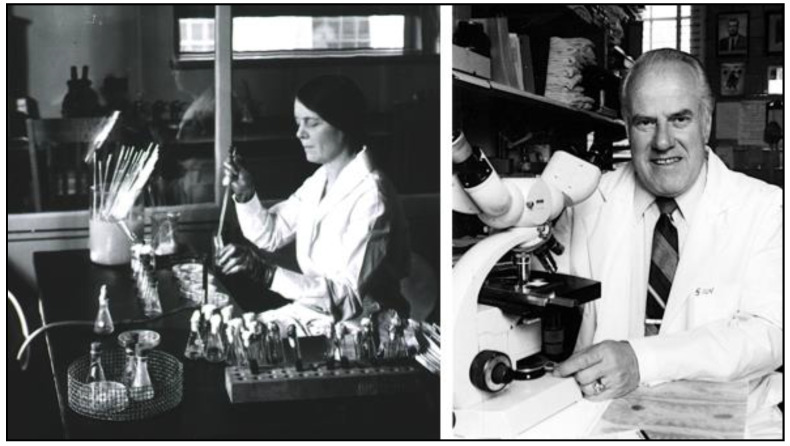
The Innovators. Left. Ida A. Bengtson PhD, the bacteriologist in the United States Public Health Service Hygienic Laboratory who developed the complement fixation serologic test for flea-borne typhus [128,129]. Right: Willy Burgdorfer PhD, director of the team at the Rocky Mountain Laboratory that developed the indirect fluorescent antibody serologic test for flea-borne typhus [134].
Figure 9
Figure 9
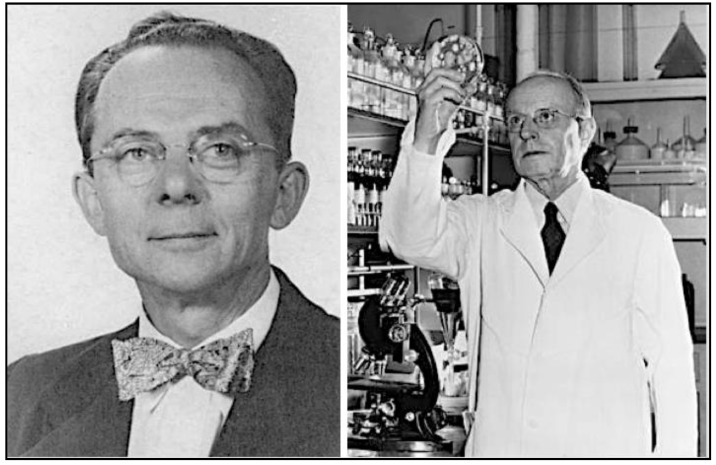
The Bioprospectors. Left. Paul R. Burkholder, the Yale University botanist who discovered chloramphenicol in a soil sample [163,164]. Right. Benjamin Duggar, the botanist at Lederle Laboratories who discovered chlortetracycline in the soil [169].
Figure 10
Figure 10
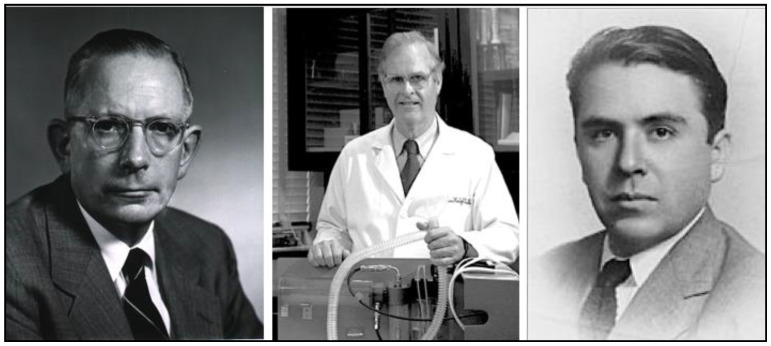
The Clinical Investigators. Left. Joseph E. Smadel MD of the Walter Reed Army Medical Center and the NIH. Smadel, Herbert Ley Jr., and Theodore E. Woodward first treated FBT patients with chloramphenicol. In 1962, Smadel received the Albert Lasker Clinical Medical Research Award “for outstanding contributions to the understanding, diagnosis, and treatment of virus and rickettsial diseases…” [174]. Center. Vernon Knight MD. Along with Francisco Ruiz-Sanchez, Amado Ruiz-Sanchez, and Walsh McDermott, Knight conducted the first trial of chlortetracycline against FBT [171]. Right. Francisco Ruiz-Sanchez MD [175].
Figure 11
Figure 11
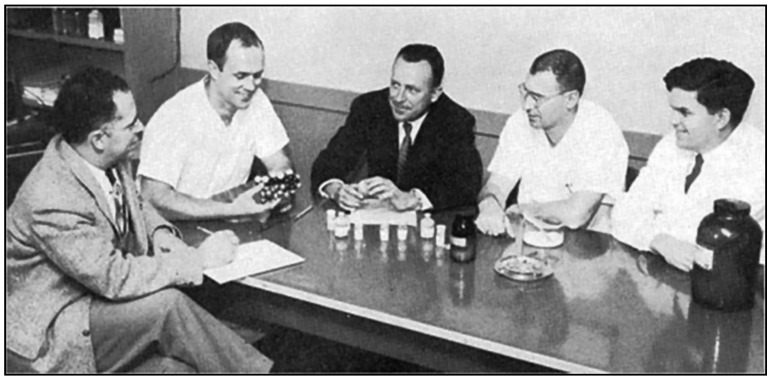
The Chemists. Pfizer Research in Brooklyn, NY. Members of the tetracycline structure determination and synthesis team (left to right): Frederick Pilgrim, Lloyd Conover, Karl Brunings, Phil Gordon, and Charles Stephens [167].
Figure 12
Figure 12
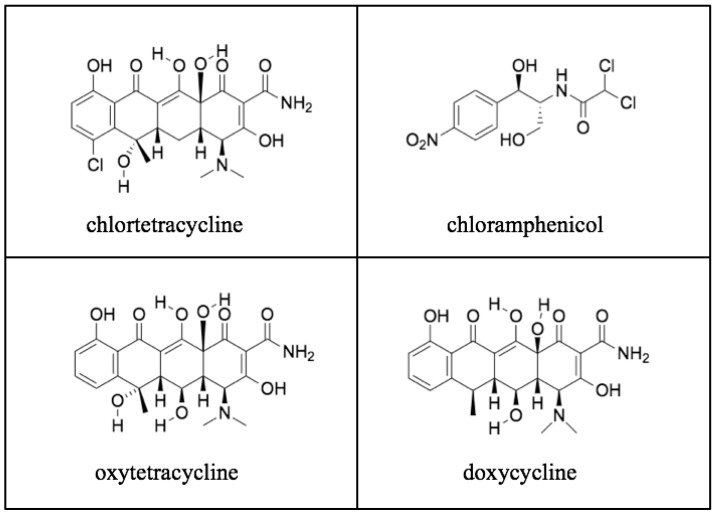
The New Antibiotics: chloramphenicol (1947), chlortetracycline (1948), oxytetracycline (1948), and doxycycline, synthesized in two steps from oxytetracycline, in 1967.
Figure 13
Figure 13
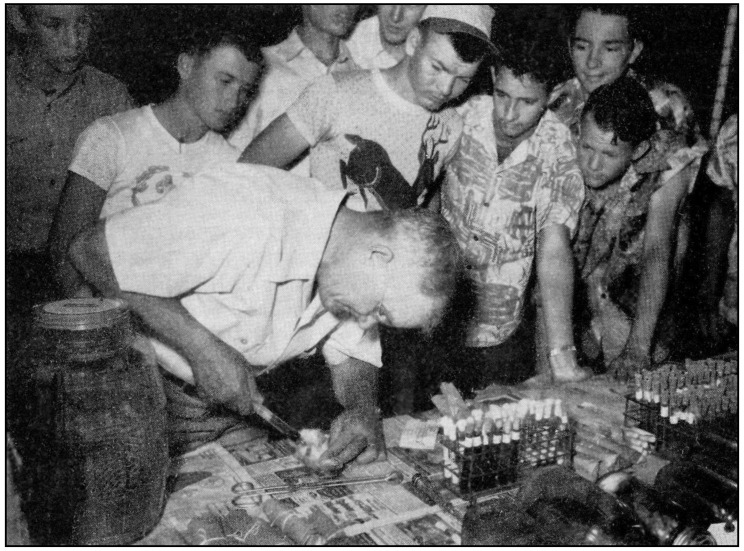
The Students and their Mentor. The original caption read: “A group of high school agricultural students watch a typhus control technician bleed rats which they trapped on their farms. The 36 boys in the Future Farmers of America chapter trapped 80 rats in three nights” [204]. The jars are filled with dead rats.
Figure 14
Figure 14
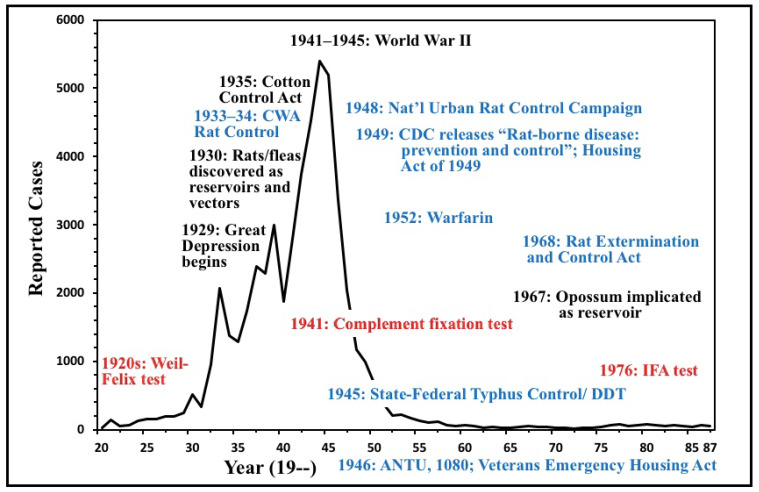
Epidemiologic curve of flea-borne typhus in the United States, 1920–1987 [2]. There are superimposed time points for: major developments in diagnostic testing (red); historical events that affected the epidemiology [4] (black); and the introduction of technologies and programs for typhus control (blue). (CWA is the Civil Works Administration).

References

    1. Chueng T.A., Koch K.R., Anstead G.M., Agarwal A.N., Dayton C.L. Case Report: Early doxycycline therapy for potential rickettsiosis in critically ill patients in flea-borne typhus-endemic areas. Am. J. Trop. Med. Hyg. 2019;101:863–869. doi: 10.4269/ajtmh.19-0118. - DOI - PMC - PubMed
    1. Azad A.F. Epidemiology of murine typhus. Ann. Rev. Entomol. 1990;35:553–569. doi: 10.1146/annurev.en.35.010190.003005. - DOI - PubMed
    1. Brown L.D., Banajee K.H., Foil L.D., Macaluso K.R. Transmission mechanisms of an emerging insect-borne rickettsial pathogen. Parasites Vectors. 2016;9:237. doi: 10.1186/s13071-016-1511-8. - DOI - PMC - PubMed
    1. Anstead G.M. History, rats, fleas, and opossums: The ascendency of flea-borne typhus in the United States, 1910–1944. Trop. Med. Infect. Dis. 2020;5:37. doi: 10.3390/tropicalmed5010037. - DOI - PMC - PubMed
    1. Smadel J.E. Status of the rickettsioses in the United States. Ann. Intern. Med. 1959;51:421–435. doi: 10.7326/0003-4819-51-3-421. - DOI - PubMed

LinkOut - more resources