


Positron Emission Tomography Imaging of the Endocannabinoid System: Opportunities and Challenges in Radiotracer Development
- PMID: 33379862
- PMCID: PMC7877880
- DOI: 10.1021/acs.jmedchem.0c01459
Positron Emission Tomography Imaging of the Endocannabinoid System: Opportunities and Challenges in Radiotracer Development
Abstract
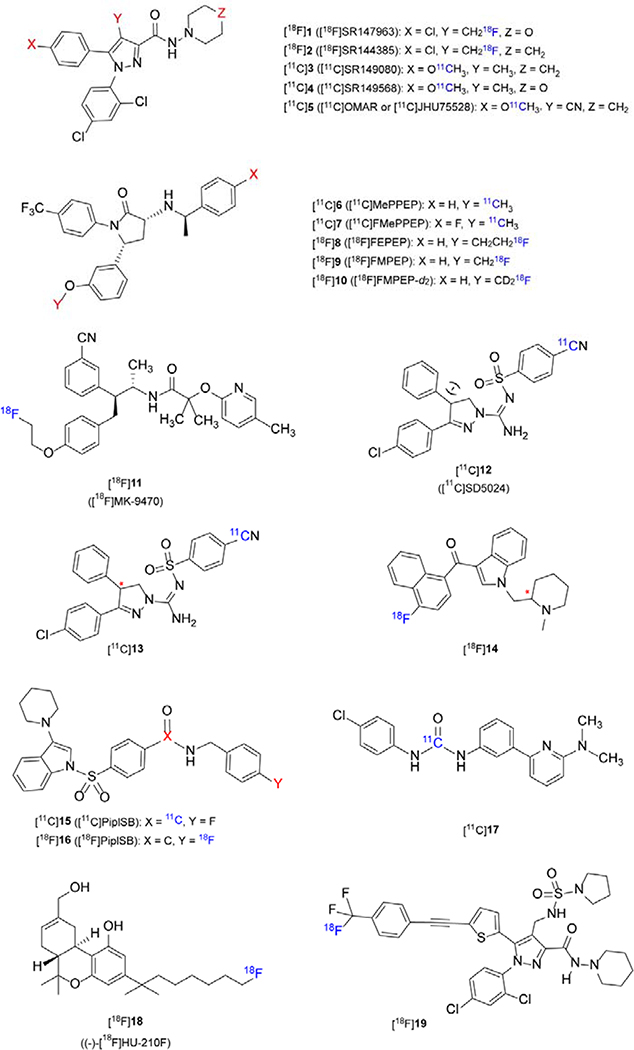
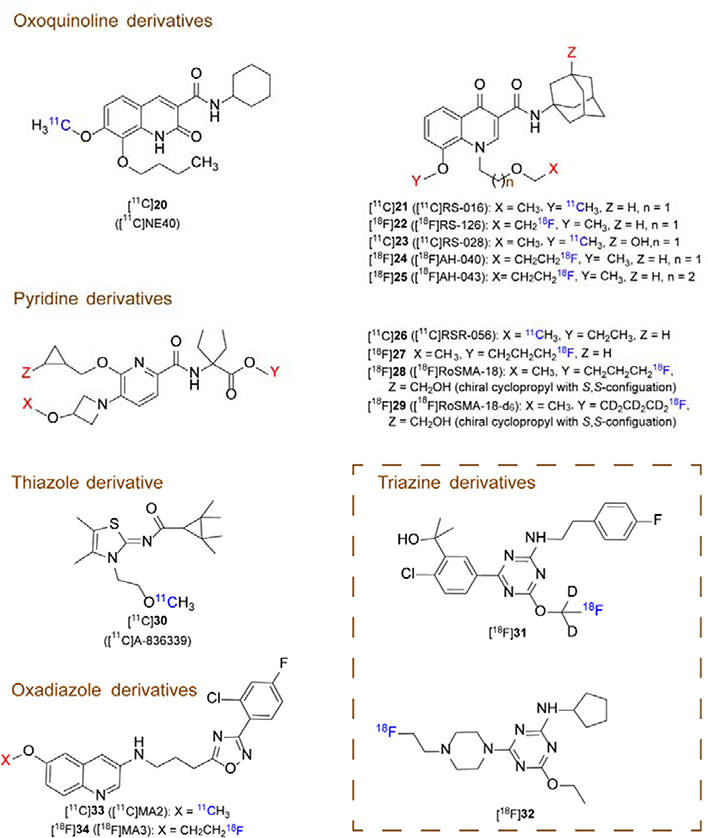
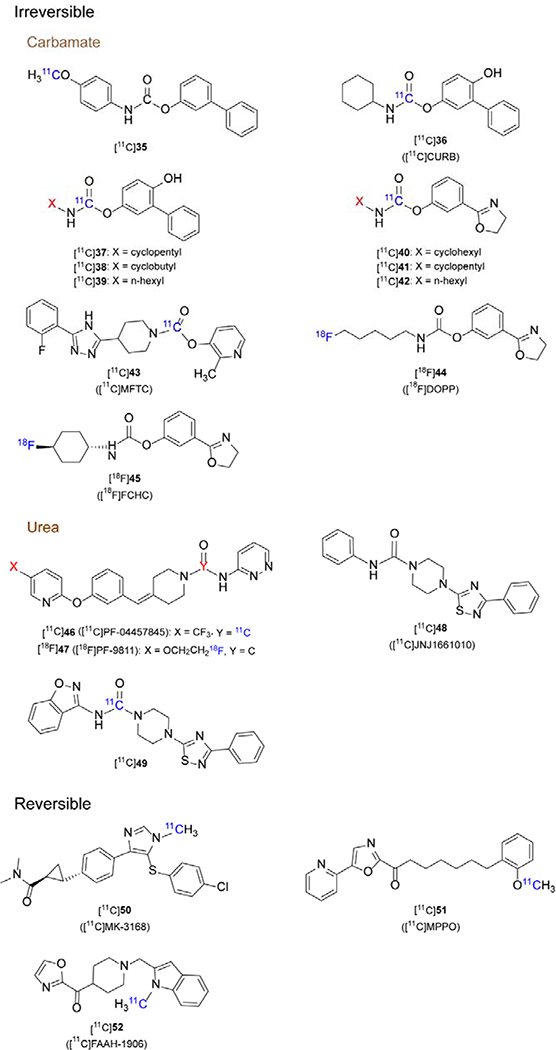
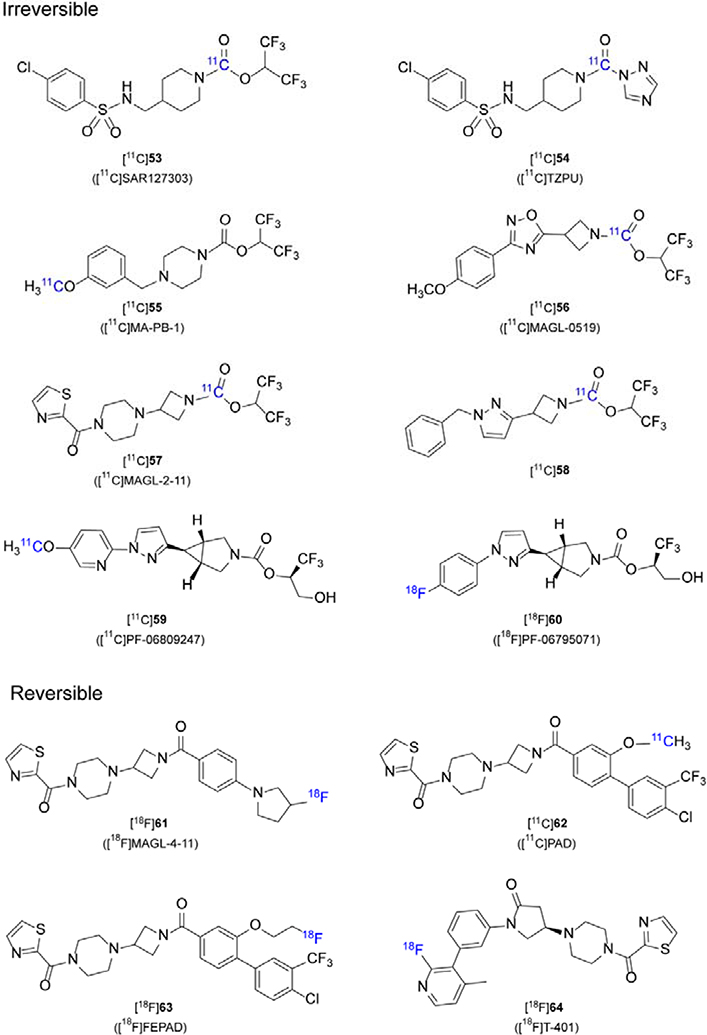
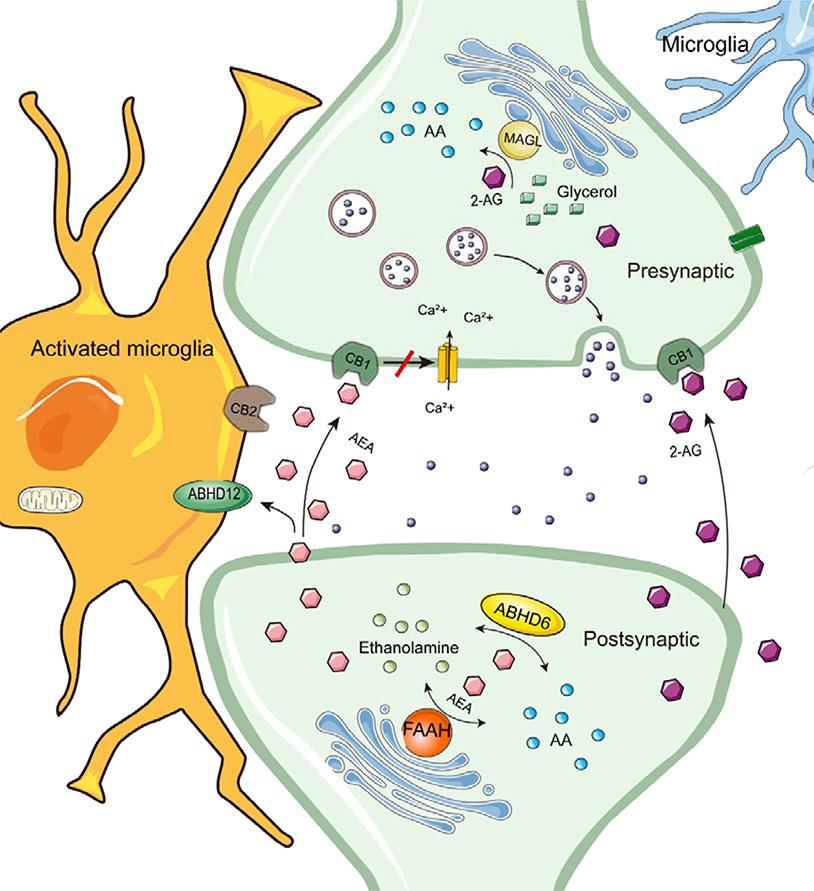
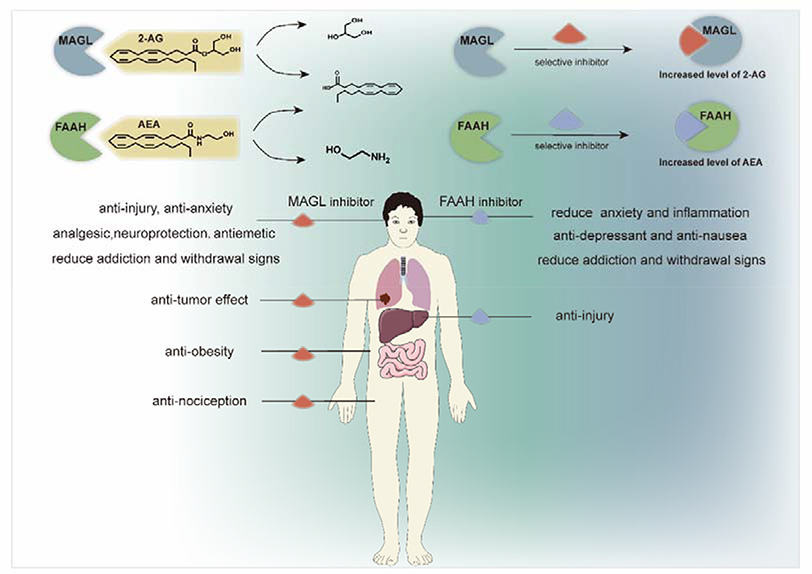
The endocannabinoid system (ECS) is involved in a wide range of biological functions and comprises cannabinoid receptors and enzymes responsible for endocannabinoid synthesis and degradation. Over the past 2 decades, significant advances toward developing drugs and positron emission tomography (PET) tracers targeting different components of the ECS have been made. Herein, we summarized the recent development of PET tracers for imaging cannabinoid receptors 1 (CB1R) and 2 (CB2R) as well as the key enzymes monoacylglycerol lipase (MAGL) and fatty acid amide hydrolase (FAAH), particularly focusing on PET neuroimaging applications. State-of-the-art PET tracers for the ECS will be reviewed including their chemical design, pharmacological properties, radiolabeling, as well as preclinical and human PET imaging. In addition, this review addresses the current challenges for ECS PET biomarker development and highlights the important role of PET ligands to study disease pathophysiology as well as to facilitate drug discovery.
Conflict of interest statement
The authors declare no competing financial interest.
Figures
References
-
- Katona I; Freund TF Endocannabinoid signaling as a synaptic circuit breaker in neurological disease. Nat. Med 2008, 14, 923–930. - PubMed
-
- Ligresti A; De Petrocellis L; Di Marzo V From phytocannabinoids to cannabinoid receptors and endocannabinoids: pleiotropic physiological and pathological roles through complex pharmacology. Physiol. Rev 2016, 96, 1593–1659. - PubMed
-
- Ohno-Shosaku T; Tanimura A; Hashimotodani Y; Kano M Endocannabinoids and retrograde modulation of synaptic transmission. Neuroscientist 2012, 18, 119–132. - PubMed
-
- Ueda N; Tsuboi K; Uyama T Metabolism of endocannabinoids and related N-acylethanolamines: canonical and alternative pathways. FEBS J 2013, 280, 1874–1894. - PubMed
Publication types
MeSH terms
Substances
Grants and funding
LinkOut - more resources
Full Text Sources
Other Literature Sources
Miscellaneous
