


Confection Confusion: Interplay Between Diet, Taste, and Nutrition
- PMID: 33384209
- PMCID: PMC8021035
- DOI: 10.1016/j.tem.2020.11.011
Confection Confusion: Interplay Between Diet, Taste, and Nutrition
Abstract
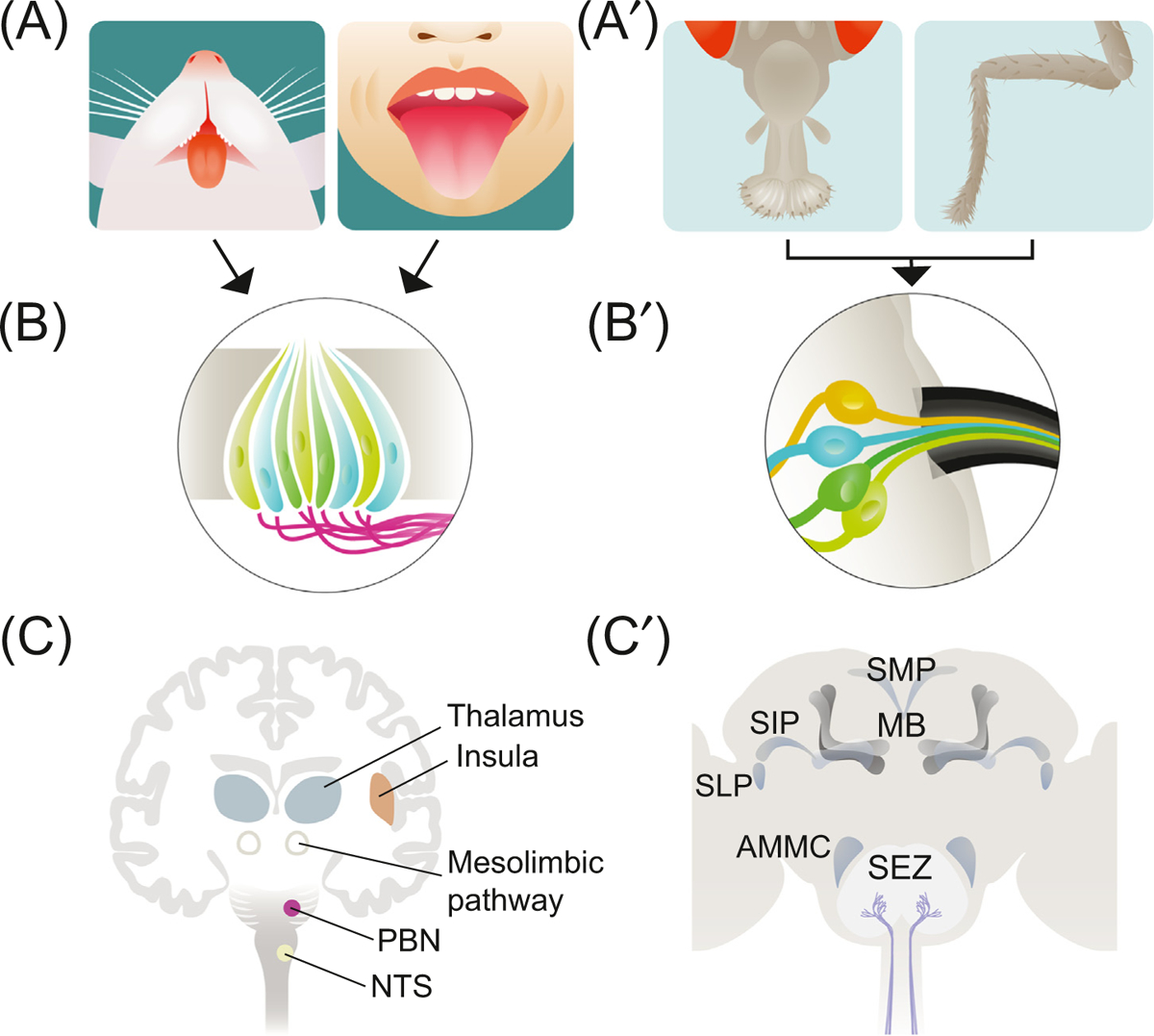
Although genetics shapes our sense of taste to prefer some foods over others, taste sensation is plastic and changes with age, disease state, and nutrition. We have known for decades that diet composition can influence the way we perceive foods, but many questions remain unanswered, particularly regarding the effects of chemosensory plasticity on feeding behavior. Here, we review recent evidence on the effects of high-nutrient diets, especially high dietary sugar, on sweet taste in vinegar flies, rodents, and humans, and discuss open questions about molecular and neural mechanisms and research priorities. We also consider ways in which diet-dependent chemosensory plasticity may influence food intake and play a role in the etiology of obesity and metabolic disease. Understanding the interplay between nutrition, taste sensation, and feeding will help us define the role of the food environment in mediating chronic disease and design better public health strategies to combat it.
Keywords: chemosensory plasticity; diet composition; molecular mechanisms; obesity; taste.
Copyright © 2020 The Authors. Published by Elsevier Ltd.. All rights reserved.
Figures

References
-
- Beauchamp Gary K. and Jiang Peihua (2015) Comparative biology of taste: insights into mechanism and function. Flavour 4, 9
-
- Glendinning JI et al. (2001) Selective adaptation to noxious foods by a herbivorous insect. J. Exp. Biol 204, 3355–3367 - PubMed
-
- Bertino M et al. (1982) Long-term reduction in dietary sodium alters the taste of salt. Am. J. Clin. Nutr 36, 1134–1144 - PubMed
Publication types
MeSH terms
Grants and funding
LinkOut - more resources
Full Text Sources
Other Literature Sources
Medical
