


Research Priorities to End the Adolescent HIV Epidemic in the United States: Viewpoint
- PMID: 33393918
- PMCID: PMC7813632
- DOI: 10.2196/22279
Research Priorities to End the Adolescent HIV Epidemic in the United States: Viewpoint
Abstract
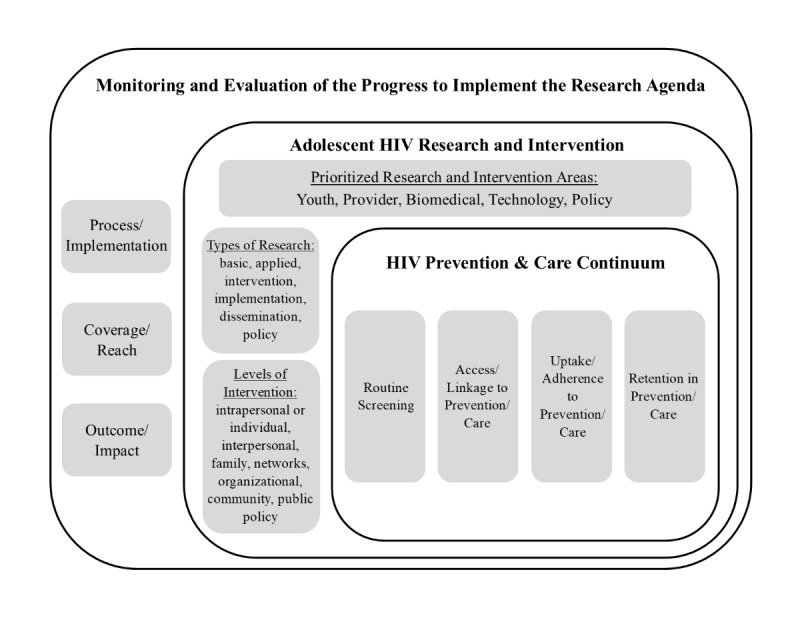
Youth represent 21% of new HIV diagnoses in the United States. Gay, bisexual, and transgender (GBT) youth, particularly those from communities of color, and youth who are homeless, incarcerated, in institutional settings, or engaging in transactional sex are most greatly impacted. Compared with adults, youth have lower levels of HIV serostatus awareness, uptake of antiretroviral therapy (ART), and adherence. Widespread availability of ART has revolutionized prevention and treatment for both youth at high risk for HIV acquisition and youth living with HIV, increasing the need to integrate behavioral interventions with biomedical strategies. The investigators of the Adolescent Medicine Trials Network for HIV/AIDS Interventions (ATN) completed a research prioritization process in 2019, focusing on research gaps to be addressed to effectively control HIV spread among American youth. The investigators prioritized research in the following areas: (1) innovative interventions for youth to increase screening, uptake, engagement, and retention in HIV prevention (eg, pre-exposure prophylaxis) and treatment services; (2) structural changes in health systems to facilitate routine delivery of HIV services; (3) biomedical strategies to increase ART impact, prevent HIV transmission, and cure HIV; (4) mobile technologies to reduce implementation costs and increase acceptability of HIV interventions; and (5) data-informed policies to reduce HIV-related disparities and increase support and services for GBT youth and youth living with HIV. ATN's research priorities provide a roadmap for addressing the HIV epidemic among youth. To reach this goal, researchers, policy makers, and health care providers must work together to develop, test, and disseminate novel biobehavioral interventions for youth.
Keywords: HIV/AIDS; adolescents.
©M Isabel Fernandez, Gary W Harper, Lisa B Hightow-Weidman, Bill G Kapogiannis, Kenneth H Mayer, Jeffrey T Parsons, Mary Jane Rotheram-Borus, Arlene C Seña, Patrick S Sullivan. Originally published in JMIR Research Protocols (http://www.researchprotocols.org), 04.01.2021.
Conflict of interest statement
Conflicts of Interest: ACS receives support from a Gilead FOCUS grant. The other authors have no conflicts to declare.
Figures
References
-
- HIV Surveillance Reports: Diagnoses of HIV Infection in the United States and Dependent Areas, 2015. US Centers for Disease Control and Prevention. [2017-01-27]. https://www.cdc.gov/hiv/library/reports/hiv-surveillance.html.
-
- HIV Among Youth. US Centers for Disease Control and Prevention. [2017-01-27]. https://www.cdc.gov/hiv/group/age/youth/index.html.
-
- HIV and Gay and Bisexual Men. US Centers for Disease Control and Prevention. [2017-01-27]. https://www.cdc.gov/hiv/group/msm/index.html.
-
- Romero EG, Teplin LA, McClelland GM, Abram KM, Welty LJ, Washburn JJ. A longitudinal study of the prevalence, development, and persistence of HIV/sexually transmitted infection risk behaviors in delinquent youth: implications for health care in the community. Pediatrics. 2007 May;119(5):e1126–41. doi: 10.1542/peds.2006-0128. http://europepmc.org/abstract/MED/17473083 - DOI - PMC - PubMed
Grants and funding
LinkOut - more resources
Full Text Sources
Other Literature Sources
