


Markers Associated with COVID-19 Susceptibility, Resistance, and Severity
- PMID: 33396584
- PMCID: PMC7823574
- DOI: 10.3390/v13010045
Markers Associated with COVID-19 Susceptibility, Resistance, and Severity
Abstract
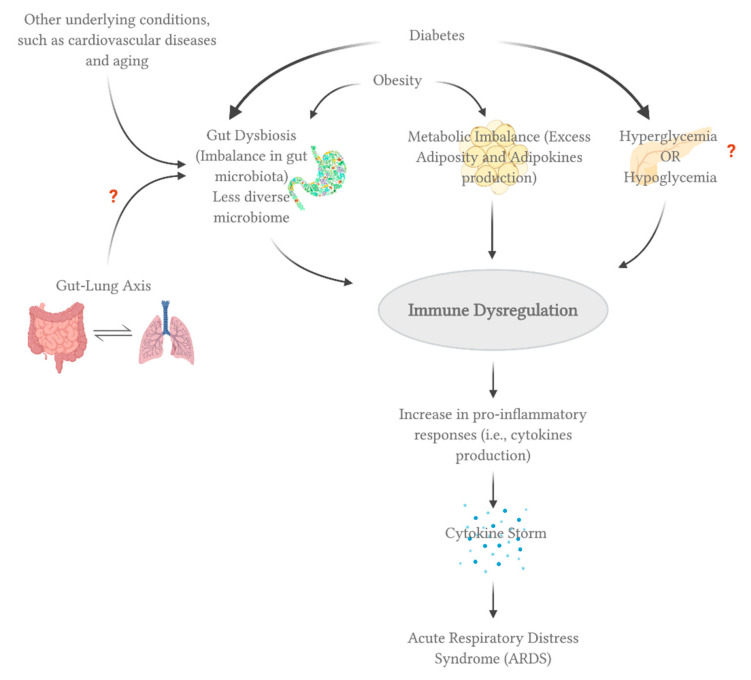
In December 2019, the latest member of the coronavirus family, severe acute respiratory syndrome coronavirus 2 (SARS-CoV-2), emerged in Wuhan, China, leading to the outbreak of an unusual viral pneumonia known as coronavirus disease 2019 (COVID-19). COVID-19 was then declared as a pandemic in March 2020 by the World Health Organization (WHO). The initial mortality rate of COVID-19 declared by WHO was 2%; however, this rate has increased to 3.4% as of 3 March 2020. People of all ages can be infected with SARS-CoV-2, but those aged 60 or above and those with underlying medical conditions are more prone to develop severe symptoms that may lead to death. Patients with severe infection usually experience a hyper pro-inflammatory immune reaction (i.e., cytokine storm) causing acute respiratory distress syndrome (ARDS), which has been shown to be the leading cause of death in COVID-19 patients. However, the factors associated with COVID-19 susceptibility, resistance and severity remain poorly understood. In this review, we thoroughly explore the correlation between various host, viral and environmental markers, and SARS-CoV-2 in terms of susceptibility and severity.
Keywords: COVID-19; SARS; pathogenesis; resistance; susceptibility.
Conflict of interest statement
All authors declare no conflict of interest.
Figures
References
-
- Coronavirus Disease (COVID-19) Situation Reports. [(accessed on 25 June 2020)]; Available online: https://www.who.int/emergencies/diseases/novel-coronavirus-2019/situatio....
Publication types
MeSH terms
Substances
Grants and funding
LinkOut - more resources
Full Text Sources
Medical
Miscellaneous
