


The decline of mammal functional and evolutionary diversity worldwide
- PMID: 33397807
- PMCID: PMC7826328
- DOI: 10.1073/pnas.1921849118
The decline of mammal functional and evolutionary diversity worldwide
Abstract
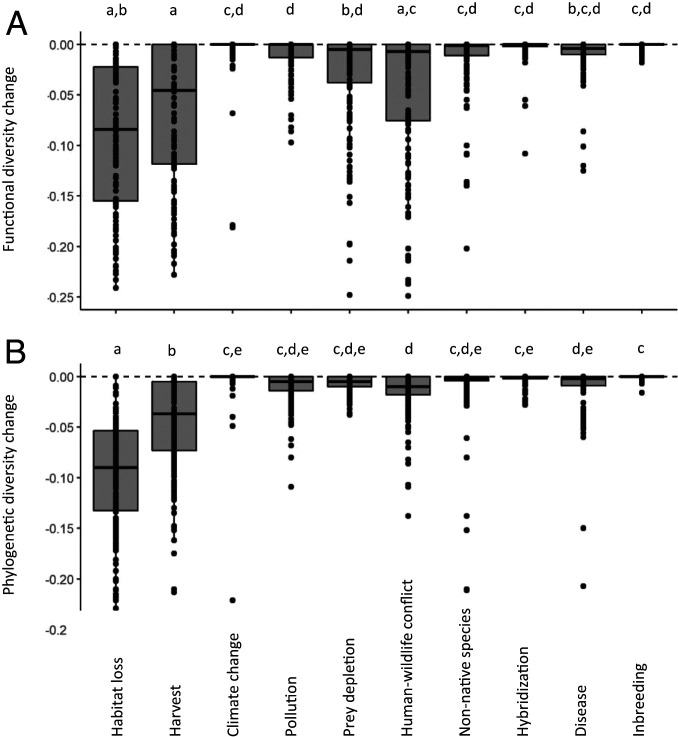
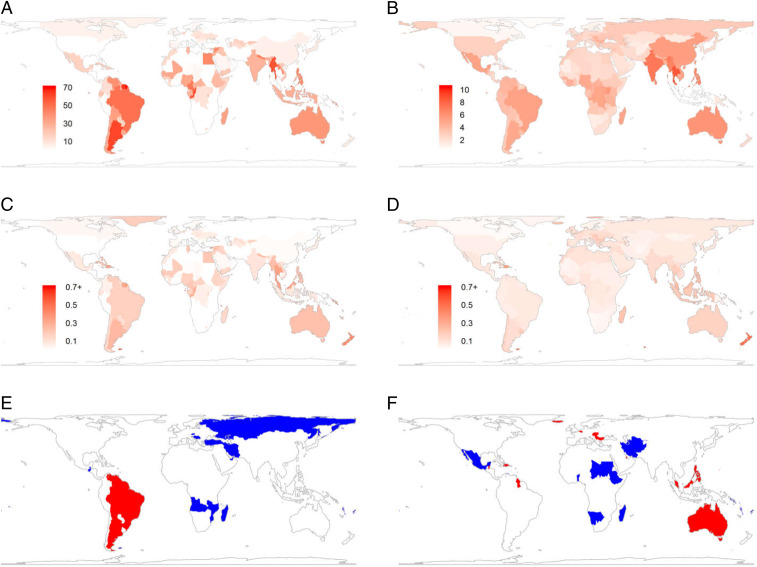
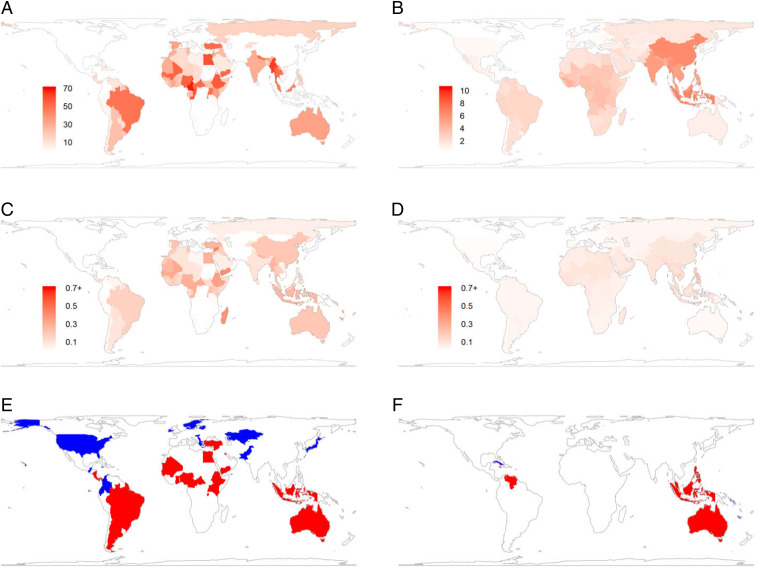
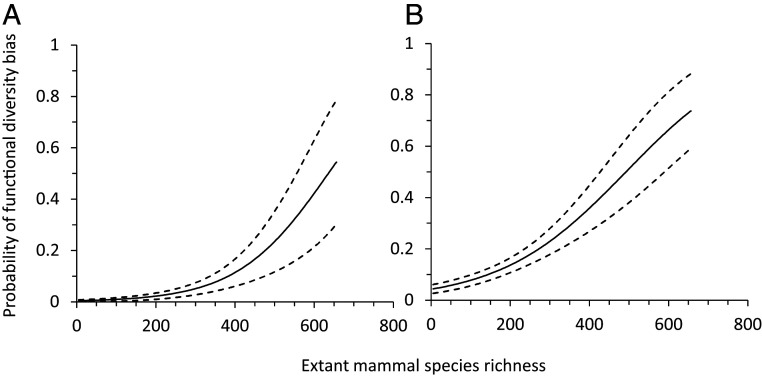
Biodiversity is declining worldwide. Because species interact with one another and with their environment, losses of particular organisms alter the function of ecosystems. Our understanding of the global rates and specific causes of functional decline remains limited, however. Species losses also reduce the cumulative amount of extant evolutionary history ("phylogenetic diversity" [PD]) in communities-our biodiversity heritage. Here we provide a global assessment of how each known anthropogenic threat is driving declines in functional diversity (FD) and PD, using terrestrial mammals as a case study. We find that habitat loss and harvest (e.g., legal hunting, poaching, snaring) are by far the biggest drivers of ongoing FD and PD loss. Declines in FD in high-biodiversity countries, particularly in Southeast Asia and South America, are greater than would be expected if species losses were random with respect to ecological function. Among functional guilds, herbivores are disproportionately likely to be declining from harvest, with important implications for plant communities and nutrient cycling. Frugivores are particularly likely to be declining from both harvest and habitat loss, with potential ramifications for seed dispersal and even forest carbon storage. Globally, phylogenetically unique species do not have an elevated risk of decline, but in areas such as Australia and parts of Southeast Asia, both habitat loss and harvest are biased toward phylogenetically unique species. Enhanced conservation efforts, including a renewed focus on harvest sustainability, are urgently needed to prevent the deterioration of ecosystem function, especially in the South American and equatorial Asian tropics.
Keywords: bushmeat hunting; conservation; habitat loss; harvest; phylogenetic diversity.
Conflict of interest statement
The authors declare no competing interest.
Figures
References
-
- Tilman D., et al. , Future threats to biodiversity and pathways to their prevention. Nature 546, 73–81 (2017). - PubMed
-
- WWF Ed. , Living Planet Report—2018: Aiming Higher, Grooten M. and Almond R. E. A., Eds. (World Wildlife Fund for Nature, 2018).
-
- Pimm S. L., et al. , The biodiversity of species and their rates of extinction, distribution, and protection. Science 344, 1246752 (2014). - PubMed
Publication types
MeSH terms
LinkOut - more resources
Full Text Sources
Other Literature Sources
