


Tigecycline antibacterial activity, clinical effectiveness, and mechanisms and epidemiology of resistance: narrative review
- PMID: 33403565
- PMCID: PMC7785128
- DOI: 10.1007/s10096-020-04121-1
Tigecycline antibacterial activity, clinical effectiveness, and mechanisms and epidemiology of resistance: narrative review
Abstract
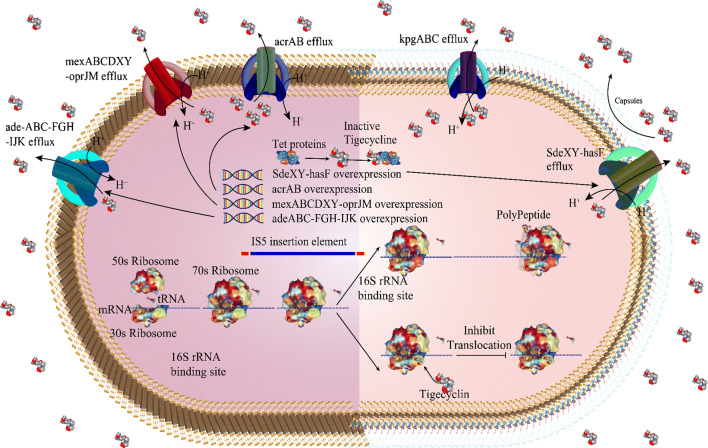
Tigecycline is unique glycylcycline class of semisynthetic antimicrobial agents developed for the treatment of polymicrobial infections caused by multidrug-resistant Gram-positive and Gram-negative pathogens. Tigecycline evades the main tetracycline resistance genetic mechanisms, such as tetracycline-specific efflux pump acquisition and ribosomal protection, via the addition of a glycyclamide moiety to the 9-position of minocycline. The use of the parenteral form of tigecycline is approved for complicated skin and skin structure infections (excluding diabetes foot infection), complicated intra-abdominal infections, and community-acquired bacterial pneumonia in adults. New evidence also suggests the effectiveness of tigecycline for the treatment of severe Clostridioides difficile infections. Tigecycline showed in vitro susceptibility to Coxiella spp., Rickettsia spp., and multidrug-resistant Neisseria gonnorrhoeae strains which indicate the possible use of tigecycline in the treatment of infections caused by these pathogens. Except for intrinsic, or often reported resistance in some Gram-negatives, tigecycline is effective against a wide range of multidrug-resistant nosocomial pathogens. Herein, we summarize the currently available data on tigecycline pharmacokinetics and pharmacodynamics, its mechanism of action, the epidemiology of tigecycline resistance, and its clinical effectiveness.
Keywords: Tigecycline antibacterial activity; Tigecycline clinical Effectiveness; Tigecycline resistance.
© 2021. Springer-Verlag GmbH Germany, part of Springer Nature.
Conflict of interest statement
Authors declare that they have no competing interests.
Figures
References
-
- FDA U FDA drug safety communication: increased risk of death with Tygacil (tigecycline) compared to other antibiotics used to treat similar infections (1 September 2010).
Publication types
MeSH terms
Substances
LinkOut - more resources
Full Text Sources
Other Literature Sources
Medical
Miscellaneous
