


A buprenorphine-validated rat model of opioid use disorder optimized to study sex differences in vulnerability to relapse
- PMID: 33404740
- PMCID: PMC7786148
- DOI: 10.1007/s00213-020-05750-2
A buprenorphine-validated rat model of opioid use disorder optimized to study sex differences in vulnerability to relapse
Abstract
Rationale: Opioid use disorder (OUD) is a major epidemic in the USA. Despite evidence indicating that OUD may be particularly severe for women, preclinical models have yet to establish sex as a major factor in OUD.
Objectives: Here, we examined sex differences in vulnerability to relapse following intermittent access fentanyl self-administration and protracted abstinence and used buprenorphine, the FDA-approved treatment for OUD, to test the validity of our model.
Methods: Following acquisition of fentanyl self-administration under one of two training conditions, male and female rats were given extended, 24-h/day access to fentanyl (0.25 μg/kg/infusion, 10 days) using an intermittent access procedure. Vulnerability to relapse was assessed using an extinction/cue-induced reinstatement procedure following 14 days of abstinence; buprenorphine (0 or 3 mg/kg/day) was administered throughout abstinence.
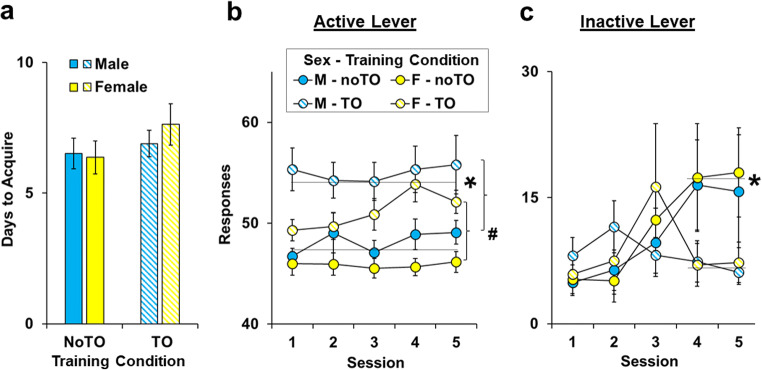
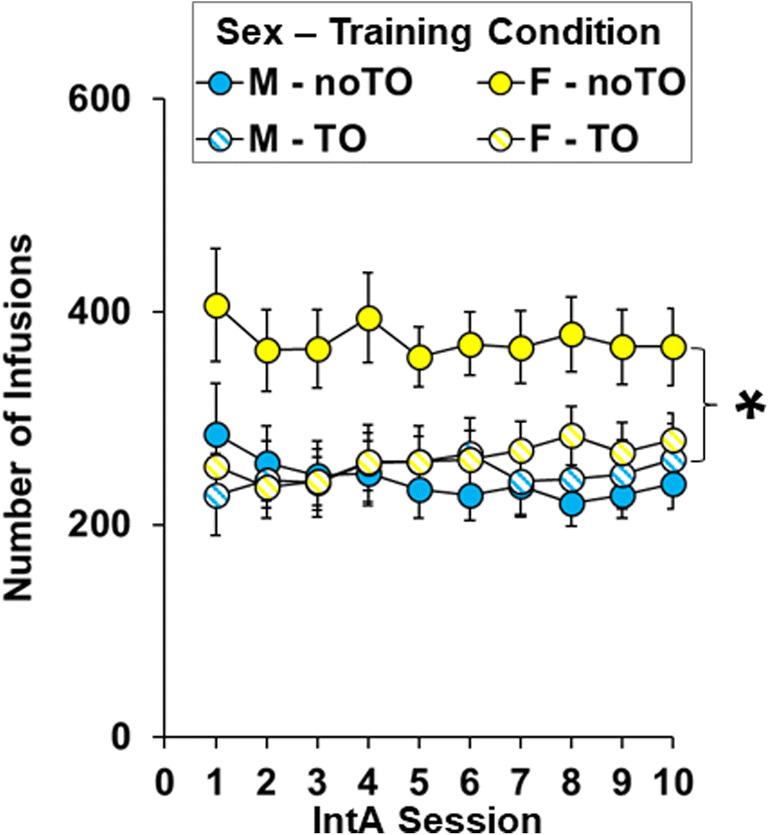
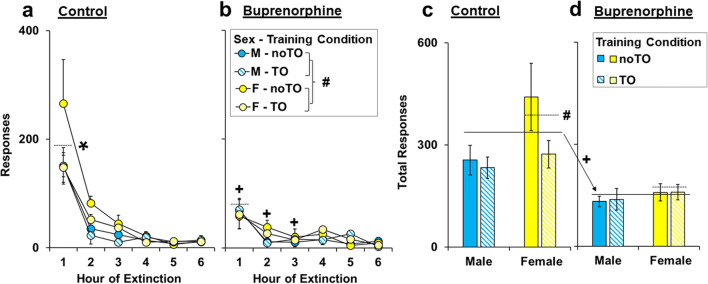
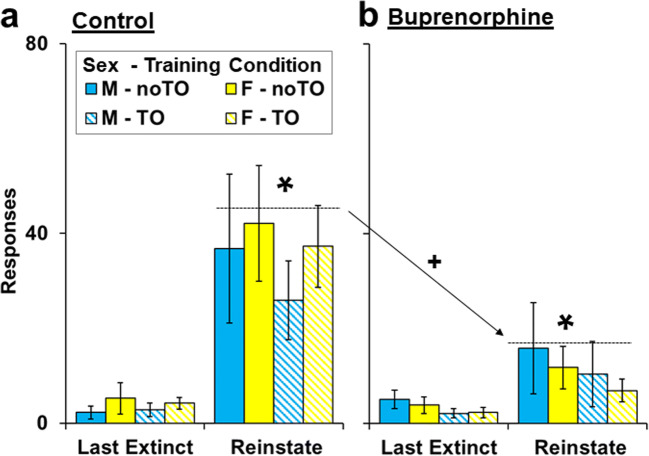
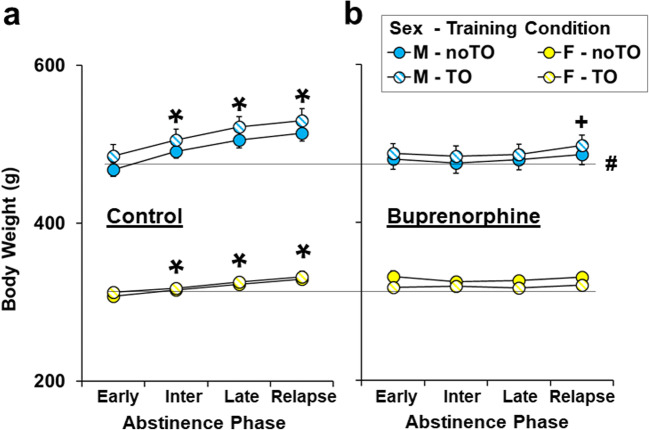
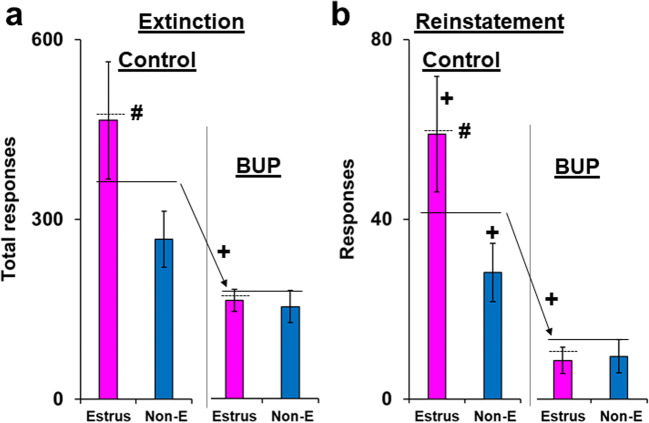
Results: Levels of drug-seeking were high following extended-access fentanyl self-administration and abstinence; buprenorphine markedly decreased drug-seeking supporting the validity of our relapse model. Females self-administered more fentanyl and responded at higher levels during subsequent extinction testing. Buprenorphine was effective in both sexes and eliminated sex and estrous phase differences in drug-seeking. Interestingly, the inclusion of a time-out during training had a major impact on later fentanyl self-administration in females, but not males, indicating that the initial exposure conditions can persistently impact vulnerability in females.
Conclusions: These findings demonstrate the utility of this rat model for determining sex and hormonal influences on the development and treatment of OUD.
Keywords: Addiction-like phenotype; Buprenorphine; Fentanyl; Intermittent access; Opioid; Self-administration; Sex differences; Treatment.
Conflict of interest statement
The authors declare that they have no competing interests.
Figures

References
-
- Allain F, Roberts DCS, Lévesque D, Samaha A-N. Intermittent intake of rapid cocaine injections promotes robust psychomotor sensitization, increased incentive motivation for the drug and mGlu2/3 receptor dysregulation. Neuropharmacology. 2017;117:227–237. doi: 10.1016/j.neuropharm.2017.01.026. - DOI - PubMed
MeSH terms
Substances
Grants and funding
LinkOut - more resources
Full Text Sources
Other Literature Sources
Medical
