


Non-celiac wheat sensitivity: rationality and irrationality of a gluten-free diet in individuals affected with non-celiac disease: a review
- PMID: 33407153
- PMCID: PMC7788993
- DOI: 10.1186/s12876-020-01568-6
Non-celiac wheat sensitivity: rationality and irrationality of a gluten-free diet in individuals affected with non-celiac disease: a review
Abstract
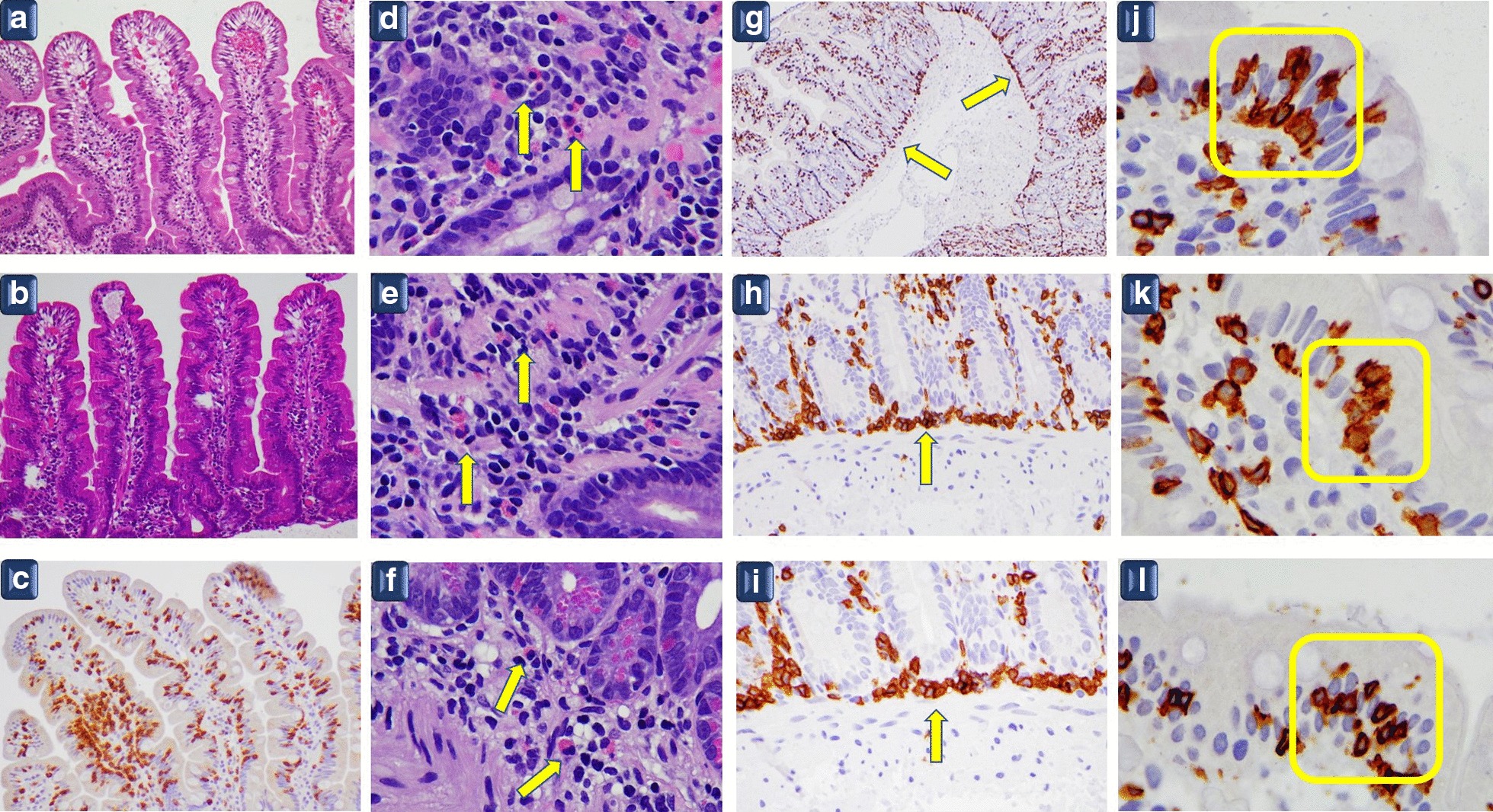
Non-celiac gluten or wheat sensitivity (NCWS) is a "clinical entity induced by the ingestion of wheat leading to intestinal and/or extraintestinal symptoms that improve once the wheat-containing foodstuff is removed from the diet, and celiac disease and wheat allergy have been excluded". This mostly accepted definition raises several points that remain controversial on this condition. In the present review, the authors summarize the most recent advances in the clinic and research on NCWS through an accurate analysis of different studies. We screened PubMed, Medline, Embase, and Scopus using the keywords "non-celiac gluten sensitivity", "non-celiac wheat sensitivity", and "diagnosis". We would like to emphasize two main points, including (A) the controversial clinical and etiological aspects in different trials and experiences with particular attention to the Salerno criteria for the diagnosis of NCWS and (B) the histological aspects. The etiology of NCWS remains controversial, and the relationship with irritable bowel syndrome is obscure. Histologically, the duodenal mucosa may show a variable pattern from unremarkable to a slight increase in the number of T lymphocytes in the superficial epithelium of villi. The endorsement of this disease is based on a positive response to a gluten-free diet for a limited period, followed by the reappearance of symptoms after gluten challenge. The Salerno expert criteria may help to diagnose NCWS accurately. Social media and inaccurate interpretation of websites may jeopardize the diagnostic process if individuals self-label as gluten intolerant.
Keywords: Allergy; Celiac disease; Duodenum; Irritable bowel syndrome; Wheat.
Conflict of interest statement
None.
Figures
References
-
- Akhondi H, Ross AB. Gluten and associated medical problems. In: StatPearls. edn. Treasure Island (FL); 2019. - PubMed
Publication types
MeSH terms
Substances
Grants and funding
LinkOut - more resources
Full Text Sources
Other Literature Sources
Medical
