


Remotely delivered information, training and support for informal caregivers of people with dementia
- PMID: 33417236
- PMCID: PMC8094510
- DOI: 10.1002/14651858.CD006440.pub3
Remotely delivered information, training and support for informal caregivers of people with dementia
Abstract
Background: Many people with dementia are cared for at home by unpaid informal caregivers, usually family members. Caregivers may experience a range of physical, emotional, financial and social harms, which are often described collectively as caregiver burden. The degree of burden experienced is associated with characteristics of the caregiver, such as gender, and characteristics of the person with dementia, such as dementia stage, and the presence of behavioural problems or neuropsychiatric disturbances. It is a strong predictor of admission to residential care for people with dementia. Psychoeducational interventions might prevent or reduce caregiver burden. Overall, they are intended to improve caregivers' knowledge about the disease and its care; to increase caregivers' sense of competence and their ability to cope with difficult situations; to relieve feelings of isolation and allow caregivers to attend to their own emotional and physical needs. These interventions are heterogeneous, varying in their theoretical framework, components, and delivery formats. Interventions that are delivered remotely, using printed materials, telephone or video technologies, may be particularly suitable for caregivers who have difficulty accessing face-to-face services because of their own health problems, poor access to transport, or absence of substitute care. During the COVID-19 pandemic, containment measures in many countries required people to be isolated in their homes, including people with dementia and their family carers. In such circumstances, there is no alternative to remote delivery of interventions.
Objectives: To assess the efficacy and acceptability of remotely delivered interventions aiming to reduce burden and improve mood and quality of life of informal caregivers of people with dementia.
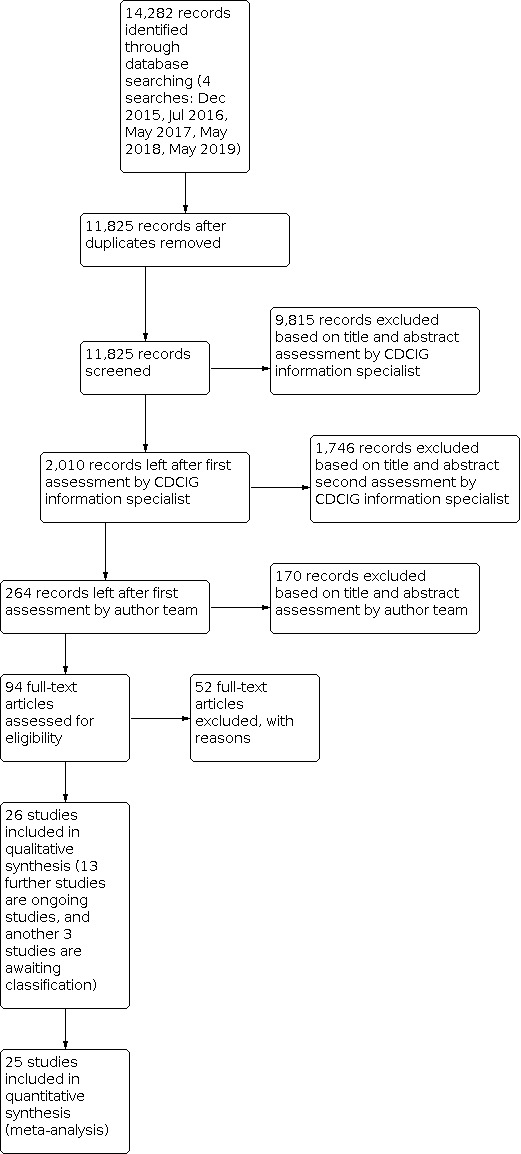
Search methods: We searched the Specialised Register of the Cochrane Dementia and Cognitive Improvement Group, MEDLINE, Embase and four other databases, as well as two international trials registries, on 10 April 2020. We also examined the bibliographies of relevant review papers and published trials.
Selection criteria: We included only randomised controlled trials that assessed the remote delivery of structured interventions for informal caregivers who were providing care for people with dementia living at home. Caregivers had to be unpaid adults (relatives or members of the person's community). The interventions could be delivered using printed materials, the telephone, the Internet or a mixture of these, but could not involve any face-to-face contact with professionals. We categorised intervention components as information, training or support. Information interventions included two key elements: (i) they provided standardised information, and (ii) the caregiver played a passive role. Support interventions promoted interaction with other people (professionals or peers). Training interventions trained caregivers in practical skills to manage care. We excluded interventions that were primarily individual psychotherapy. Our primary outcomes were caregiver burden, mood, health-related quality of life and dropout for any reason. Secondary outcomes were caregiver knowledge and skills, use of health and social care resources, admission of the person with dementia to institutional care, and quality of life of the person with dementia.
Data collection and analysis: Study selection, data extraction and assessment of the risk of bias in included studies were done independently by two review authors. We used the Template for Intervention Description and Replication (TIDieR) to describe the interventions. We conducted meta-analyses using a random-effects model to derive estimates of effect size. We used GRADE methods to describe our degree of certainty about effect estimates.
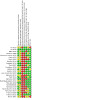
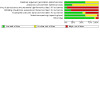
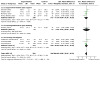
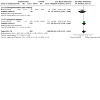
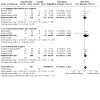
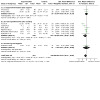
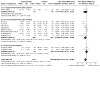
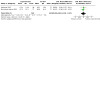
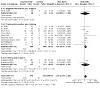
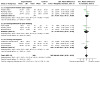
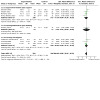
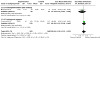
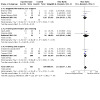
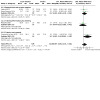
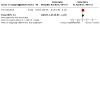
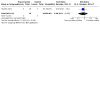
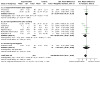
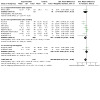
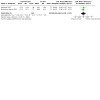
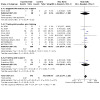
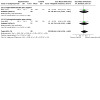
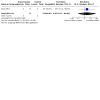
Main results: We included 26 studies in this review (2367 participants). We compared (1) interventions involving training, support or both, with or without information (experimental interventions) with usual treatment, waiting list or attention control (12 studies, 944 participants); and (2) the same experimental interventions with provision of information alone (14 studies, 1423 participants). We downgraded evidence for study limitations and, for some outcomes, for inconsistency between studies. There was a frequent risk of bias from self-rating of subjective outcomes by participants who were not blind to the intervention. Randomisation methods were not always well-reported and there was potential for attrition bias in some studies. Therefore, all evidence was of moderate or low certainty. In the comparison of experimental interventions with usual treatment, waiting list or attention control, we found that the experimental interventions probably have little or no effect on caregiver burden (nine studies, 597 participants; standardised mean difference (SMD) -0.06, 95% confidence interval (CI) -0.35 to 0.23); depressive symptoms (eight studies, 638 participants; SMD -0.05, 95% CI -0.22 to 0.12); or health-related quality of life (two studies, 311 participants; SMD 0.10, 95% CI -0.13 to 0.32). The experimental interventions probably result in little or no difference in dropout for any reason (eight studies, 661 participants; risk ratio (RR) 1.15, 95% CI 0.87 to 1.53). In the comparison of experimental interventions with a control condition of information alone, we found that experimental interventions may result in a slight reduction in caregiver burden (nine studies, 650 participants; SMD -0.24, 95% CI -0.51 to 0.04); probably result in a slight improvement in depressive symptoms (11 studies, 1100 participants; SMD -0.25, 95% CI -0.43 to -0.06); may result in little or no difference in caregiver health-related quality of life (two studies, 257 participants; SMD -0.03, 95% CI -0.28 to 0.21); and probably result in an increase in dropouts for any reason (12 studies, 1266 participants; RR 1.51, 95% CI 1.04 to 2.20).
Authors' conclusions: Remotely delivered interventions including support, training or both, with or without information, may slightly reduce caregiver burden and improve caregiver depressive symptoms when compared with provision of information alone, but not when compared with usual treatment, waiting list or attention control. They seem to make little or no difference to health-related quality of life. Caregivers receiving training or support were more likely than those receiving information alone to drop out of the studies, which might limit applicability. The efficacy of these interventions may depend on the nature and availability of usual services in the study settings.
Antecedentes: Muchas personas con demencia son atendidas en casa por cuidadores informales no remunerados, generalmente miembros de la familia. Los cuidadores pueden sufrir una serie de efectos perjudiciales físicos, emocionales, económicos y sociales, que a menudo se describen colectivamente como una carga para el cuidador. El grado de carga que se experimenta está asociado con las características del cuidador, como el género, y con las características de la persona con demencia, como la etapa de la demencia, y la presencia de problemas de comportamiento o trastornos neuropsiquiátricos. Es un fuerte predictor del ingreso en una residencia para personas con demencia. Las intervenciones psicoeducativas pueden prevenir o reducir la carga del cuidador. En general, tienen como objetivo mejorar los conocimientos de los cuidadores sobre la enfermedad y su cuidado; aumentar el sentido de competencia de los cuidadores y su capacidad para afrontar situaciones difíciles; aliviar los sentimientos de aislamiento y permitir que los cuidadores atiendan sus propias necesidades emocionales y físicas. Estas intervenciones son heterogéneas y varían en su marco teórico, sus componentes y sus formatos de administración. Las intervenciones que se realizan a distancia, utilizando material impreso, el teléfono o las tecnologías de vídeo, pueden ser particularmente adecuadas para los cuidadores que tienen dificultades para acceder a los servicios de forma presencial debido a sus propios problemas de salud, al escaso acceso al transporte o a la falta de un cuidado alternativo. Durante la pandemia de covid‐19, las medidas de contención en muchos países exigían que las personas estuvieran aisladas en sus hogares, incluidas las personas con demencia y sus familiares cuidadores. En tales circunstancias, no hay alternativa a la realización de intervenciones a distancia.
Objetivos: Evaluar la eficacia y la aceptabilidad de las intervenciones realizadas a distancia con el fin de reducir la carga y mejorar el estado de ánimo y la calidad de vida de los cuidadores informales de personas con demencia. MÉTODOS DE BÚSQUEDA: El 10 de abril de 2020 se realizaron búsquedas en el Registro especializado del Grupo Cochrane de Demencia y trastornos cognitivos (Cochrane Dementia and Cognitive Improvement Group), MEDLINE, Embase y otras cuatro bases de datos, así como en dos registros internacionales de ensayos. También se examinaron las bibliografías de documentos de revisión pertinentes y de ensayos publicados. CRITERIOS DE SELECCIÓN: Sólo se incluyeron los ensayos controlados aleatorizados que evaluaron la administración a distancia de intervenciones estructuradas para los cuidadores informales que atendían a personas con demencia que vivían en el domicilio. Los cuidadores debían ser adultos no remunerados (parientes o miembros de la comunidad de la persona). Las intervenciones se podían realizar utilizando materiales impresos, el teléfono, la internet o una mezcla de estos, pero no podían implicar un contacto presencial con profesionales. Los componentes de la intervención se clasificaron como información, formación o apoyo. Las intervenciones de información incluyeron dos elementos clave: i) proporcionaron información estandarizada, y ii) el cuidador desempeñaba un papel pasivo. Las intervenciones de apoyo promovieron la interacción con otras personas (profesionales o iguales). Las intervenciones de formación entrenaron a los cuidadores en habilidades prácticas para proporcionar la atención. Se excluyeron las intervenciones que consistieron principalmente en psicoterapia individual. Los desenlaces principales fueron la carga del cuidador, el estado de ánimo, la calidad de vida relacionada con la salud y el abandono por cualquier motivo. Los desenlaces secundarios fueron los conocimientos y aptitudes de los cuidadores, la utilización de los recursos de atención sanitaria y social, el ingreso de la persona con demencia en una institución y la calidad de vida de la persona con demencia. OBTENCIÓN Y ANÁLISIS DE LOS DATOS: Dos autores de la revisión realizaron de forma independiente la selección de los estudios, la extracción de los datos y la evaluación del riesgo de sesgo de los estudios incluidos. Se utilizó la Template for Intervention Description and Replication (TIDieR) para describir las intervenciones. Los metanálisis se realizaron mediante un modelo de efectos aleatorios para obtener las estimaciones del tamaño del efecto. Se utilizaron los métodos GRADE para describir el grado de certeza sobre las estimaciones del efecto.
Resultados principales: En esta revisión se incluyeron 26 estudios (2367 participantes). Se compararon (1) las intervenciones que incluyeron formación, apoyo o ambos, con o sin información (intervenciones experimentales) con el tratamiento habitual, una lista de espera o el control de la atención (12 estudios, 944 participantes); y (2) las mismas intervenciones experimentales con el suministro de información solamente (14 estudios, 1423 participantes). La calidad de la evidencia se redujo por las limitaciones de los estudios y, en el caso de algunos desenlaces, por la falta de consistencia entre los estudios. Hubo un riesgo frecuente de sesgo debido a la autocalificación de los desenlaces subjetivos por parte de participantes que no estaban cegados a la intervención. Los métodos de asignación al azar no siempre se informaron bien y hubo un posible sesgo de desgaste en algunos estudios. Por lo tanto, toda la evidencia fue de certeza moderada o baja. En la comparación de las intervenciones experimentales con el tratamiento habitual, una lista de espera o el control de la atención, se encontró que las intervenciones experimentales probablemente tienen poco o ningún efecto sobre la carga del cuidador (nueve estudios, 597 participantes; diferencia de medias estandarizada [DME] ‐0,06; intervalo de confianza [IC] del 95%: ‐0,35 a 0,23); los síntomas depresivos (ocho estudios, 638 participantes; DME ‐0,05; IC del 95%: ‐0,22 a 0,12) o la calidad de vida relacionada con la salud (dos estudios, 311 participantes; DME 0,10; IC del 95%: ‐0,13 a 0,32). Las intervenciones experimentales probablemente dan lugar a poca o ninguna diferencia en el abandono por cualquier motivo (ocho estudios, 661 participantes; razón de riesgos [RR] 1,15; IC del 95%: 0,87 a 1,53). En la comparación de las intervenciones experimentales con una condición control de información sola, se encontró que las intervenciones experimentales pueden dar lugar a una leve reducción de la carga del cuidador (nueve estudios, 650 participantes; DME ‐0,24; IC del 95%: ‐0,51 a 0,04); probablemente dan lugar a una leve mejoría de los síntomas depresivos (11 estudios, 1100 participantes; DME ‐0,25; IC del 95%: ‐0,43 a ‐0,06); podrían dar lugar a poca o ninguna diferencia en la calidad de vida relacionada con la salud de los cuidadores (dos estudios, 257 participantes; DME ‐0,03; IC del 95%: ‐0,28 a 0,21); y probablemente dé lugar a un aumento de los abandonos por cualquier motivo (12 estudios, 1266 participantes; RR 1,51; IC del 95%: 1,04 a 2,20).
Conclusiones de los autores: Las intervenciones realizadas a distancia, como el apoyo, la formación o ambas, con o sin información, podrían reducir ligeramente la carga del cuidador y mejorar los síntomas depresivos del cuidador en comparación con el suministro de información únicamente, pero no en comparación con el tratamiento habitual, una lista de espera o el control de la atención. Parecen dar lugar a poca o ninguna diferencia en la calidad de vida relacionada con la salud. Los cuidadores que recibieron formación o apoyo tuvieron más probabilidades de abandonar los estudios que los que recibieron sólo información, lo que podría limitar la aplicabilidad. La eficacia de esas intervenciones puede depender de la naturaleza y la disponibilidad de los servicios habituales en los ámbitos de estudio.
Trial registration: ClinicalTrials.gov NCT03552159 NCT01430286 NCT00416078 NCT00056316 NCT01700556 NCT02420535 NCT02463708 NCT02806583.
Copyright © 2021 The Cochrane Collaboration. Published by John Wiley & Sons, Ltd.
Conflict of interest statement
EGF: none known
JB: none known
JRR: none known
BSZ: none known
IS: none known
JM: none known
Figures

Update of
References
References to studies included in this review
Au 2015 {published data only}
-
- Au A. Developing volunteer-assisted behavioral activation teleprograms to meet the needs of Chinese dementia caregivers. Clinical Gerontologist 2015;38:190-202. [DOI: 10.1080/07317115.2015.1008118] - DOI
Au 2019 {published data only}
-
- Au A, Yip H-M, Lai S, Ngai S, Cheng S-T, Losada A, et al. Telephone-based behavioral activation intervention for dementia family caregivers: outcomes and mediation effect of a randomized controlled trial. Patient Education and Counseling 2019;102:2049-59. [DOI: 10.1016/j.pec.2019.06.009] - DOI - PubMed
Blom 2015 {published data only}
Brennan 1995 {published data only}
-
- Brennan PF, Moore SM, Smyth KA. ComputerLink: electronic support for the home caregiver. ANS. Advances in Nursing Science 1991;13(4):14-27. - PubMed
-
- Brennan P F, Moore S M, Smyth K A. The effects of a special computer network on caregivers of persons with Alzheimer's disease. Nursing Research 1995;44(3):166-72. - PubMed
Cristancho‐Lacroix 2015 {published data only}
-
- Cristancho-Lacroix V, Wrobel J, Cantegreil-Kallen I, Dub T, Rouquette A, Rigaud AS. A web-based psychoeducational program for informal caregivers of patients with Alzheimer's disease: a pilot randomized controlled trial. Journal of Medical Internet Research 2015;17(5):e117. [DOI: 10.2196/jmir.3717] - DOI - PMC - PubMed
Czaja 2013 {published data only}
Davis 2004 {published data only}
-
- Davis LL, Burgio LD, Buckwalter KC, Weaver M. A comparison of in-home and telephone-based skill training interventions with caregivers of persons with dementia. Journal of Mental Health and Aging 2004;10(1):31-44.
Dowling 2014 {published data only}
-
- Dowling GA, Merrilees J, Mastick J, Chang VY, Hubbard E, Moskowitz JT. Life enhancing activities for family caregivers of people with frontotemporal dementia. Alzheimer Disease and Associated Disorders 2014;28:175-81. - PubMed
-
- Life Enhancing Activities for Family Caregivers (LEAF). NCT01825681 2013. [https://clinicaltrials.gov/show/NCT01825681]
Duggleby 2018 {published data only}
-
- Duggleby W, Ploeg J, McAiney C, Peacock S, Fisher K, Ghosh S, et al. Web-based intervention for family carers of persons with dementia and multiple chronic conditions (My Tools 4 Care): pragmatic randomized controlled trial. Journal of Medical Internet Research 2018;20(6):e10484. [DOI: 10.2196/10484] - DOI - PMC - PubMed
Gant 2007 {published data only}
Gustafson 2019 {published data only}
Hattink 2015 {published data only}
-
- Hattink B, Meiland F, Roest H, Kevern P, Abiuso F, Bengtsson J, et al. Web-Based STAR E-Learning Course Increases Empathy and Understanding in Dementia Caregivers: Results from a Randomized Controlled Trial in the Netherlands and the United Kingdom. Journal of Medical Internet Research 2015;17(10):e241. [DOI: 10.2196/jmir.4025] [http://courses.startraining.eu/] - DOI - PMC - PubMed
Hayden 2012 {unpublished data only}
-
- NCT00416078. Online caregiver psychoeducation and support: improving outcomes in AD/ADRD. NCT00416078 2006.
Huis in het Veld 2020 {published data only}
-
- Huis in het Veld JG, Willemse BM, Asch IFM, Groot Zwaaftink RBM, Verkade P-J, Twisk JWR, et al. Online self-management support for family caregivers dealing with behavior changes in relatives with dementia (Part 2): randomized controlled trial. Journal of Medical Internet Research 2020;22(2):e13001. [DOI: 10.2196/13001] - DOI - PMC - PubMed
-
- Huis in het Veld JG, Willemse BM, Asch IFM, Groot Zwaaftink RBM, Verkade P-J, Veldhuijzen NJ, et al. Online self-management support for family caregivers to help them manage behavior changes in their relative with dementia: study protocol for a randomized controlled trial and a process evaluation. Journal of Medical Internet Research Research Protocols 2017;6(11):e239. [DOI: 10.2196/resprot.8365] - DOI - PMC - PubMed
Kajiyama 2013 {published data only}
-
- Kajiyama B, Thompson LW, Eto-Iwase T, Yamashita M, Di Mario J, Marian Tzuang Y, Gallagher-Thompson D. Exploring the effectiveness of an Internet-based program for reducing caregiver distress using the iCare Stress Management e-Training Program. Aging Mental Health 2013;17(5):544-54. [DOI: 10.1080/13607863.2013.775641] - DOI - PMC - PubMed
-
- NCT01378195. iCare Stress Management e-Training for Dementia Family Caregivers. NCT01378195 2013. [https://clinicaltrials.gov/show/nct01378195]
Kwok 2013 {published data only}
Mahoney 2003 {published data only}
-
- Mahoney DF, Tarlow BJ, Jones RN. Effects of an automated telephone support system on caregiver burden and anxiety: findings from the REACH for TLC intervention study. Gerontologist 2003;43(4):556-67. - PubMed
Martindale‐Adams 2013 {published data only}
-
- Martindale-Adams J, Nichols LO, Burns R, Graney MJ, Zuber J. A trial of dementia caregiver telephone support. Canadian Journal of Nursing Research 2013;45(4):30-48. - PubMed
Metcalfe 2019 {published data only}
-
- Diehl-Schmid J, Metcalfe A, Jones B, Schwertel U, Kurz A. A multi-center randomised controlled pilot study of an e-learning course for family caregivers of patients with young onset dementia. In: Neuro-degenerative diseases conference. 2017.
-
- Kurz A, Bakker C, Böhm M, Diehl-Schmid J, Dubois B, Ferreira C, et al. RHAPSODY-Internet-based support for caregivers of people with young onset dementia: program design and methods of a pilot study. International Psychogeriatrics / IPA 2016;28(12):2091-9. [DOI: 10.1017/S1041610216001186] - DOI - PubMed
-
- Metcalfe A, Boucault S, Aloui S, Hergueta T, Dubois M. The feasibility of an internet based support program for informal caregivers of adults with early-onset dementia: a multi-centre RCT study in England, France and Germany. In: Alzheimer's International Conference, AAIC 2017; UK. 2017:P1168.
-
- Metcalfe A, Jones B, Mayer J, Gage H, Oyebode J, Boucault S, et al. Online information and support for carers of people with young-onset dementia: a multi-site randomised controlled pilot study. International Journal of Geriatric Psychiatry 2019;34(10):1455-64. [DOI: 10.1002/gps.5154] - DOI - PubMed
-
- RHAPSODY: a pilot study evaluating the usability and benefits of an online learning program for carers of people with young onset dementia. DRKS00009891. [http://www.drks.de/DRKS00009891]
NCT00056316 {unpublished data only}
-
- NCT00056316. Reducing depression in dementia caregivers. ClinicalTrials.gov 2003. [NCT00056316]
NCT03417219 {unpublished data only}
-
- NCT03417219. Mobile tablet education to advance caregiver health (MTEACHing). NCT03417219 2018.
Nunez‐Naveira 2016 {published data only}
Torkamani 2014 {published data only}
-
- Torkamani M, McDonald L, Saez Aguayo I, Kanios C, Katsanou MN, Madeley L, et al. A randomized controlled pilot study to evaluate a technology platform for the assisted living of people with dementia and their carers. Journal of Alzheimers Disease 2014;41(2):515-23. [DOI: 10.3233/JAD-132156] - DOI - PubMed
Tremont 2008 {published data only}
Tremont 2015 {published data only (unpublished sought but not used)}
Winter 2007 {published data only}
References to studies excluded from this review
Au 2014 {published data only}
-
- Au A, Wong M K, Leung L M, Leung P, Wong A. Telephone-assisted pleasant-event scheduling to enhance well-being of caregivers of people with dementia: a randomised controlled trial. Hong Kong Medical Journal 2014;20(Suppl 3):S30-S33. - PubMed
Barnes 2018 {published data only}
-
- Barnes CJ, Markham C. A pilot study to evaluate the effectiveness of an individualized and cognitive behavioural communication intervention for informal carers of people with dementia: the Talking Sense programme. International Journal of Language & Communication Disorders 2018;53(3):615-27. [DOI: 10.1111/1460-6984.12375] - DOI - PubMed
-
- NCT01481363. The talking sense communication programme for dementia carers. NCT01481363 2011. [https://clinicaltrials.gov/show/nct01481363]
Beauchamp 2005 {published data only}
-
- Beauchamp N, Irvine A B, Seeley J, Johnson B. Worksite-based Internet multimedia program for family caregivers of persons with dementia. Gerontologist 2005;45(6):793-801. - PubMed
Behrndt 2019 {published data only}
-
- Behrndt E-M, Straubmeier M, Seidl H, Vetter C, Luttenberger K, Graessel E. Brief telephone counselling is effective for caregivers who do not experience any major life events - caregiver-related outcomes of the German day-care study. BMC Health Services Research 2019;19(20). [DOI: 10.1186/s12913-018-3853-8] - DOI - PMC - PubMed
-
- Donath C, Luttenberger K, Graessel E, Scheel J, Pendergrass A, Behrndt E-M. Can brief telephone interventions reduce caregiver burden and depression in caregivers of people with cognitive impairment? - long-term results of the German day-care study (RCT). BMC Geriatrics 2019;19(196). [DOI: 10.1186/s12877-019-1207-y] - DOI - PMC - PubMed
Berwig 2019 {published data only}
Boots 2017 {published data only}
-
- Boots LMM, Vugt ME, Smeets CMJ, Kempen GIJM, Verhey FRJ. Implementation of the blended care self-management program for caregivers of people with early-stage dementia (Partner in Balance): process evaluation of a randomized controlled trial.. Journal of Medical Internet Research 2017;19(12):e423. - PMC - PubMed
Bradley 2020 {published data only}
-
- Bradley K, Smith R, Hughson J-A, Atkinson D, Bessarab D, Flicker L, et al. Let's CHAT (community health approaches to) dementia in Aboriginal and Torres Strait Islander communities: protocol for a stepped wedge cluster randomised controlled trial. BMC Healt Services Research 2020;20(208). [DOI: 10.1186/s12913-020-4985-1] - DOI - PMC - PubMed
Chang 2004 {published data only}
-
- Chang B L, Nitta S, Carter P A, Markham Y K. Perceived helpfulness of telephone calls--providing support for caregivers of family members with dementia. Journal of Gerontological Nursing 2004;30(9):14-21. - PubMed
Chiatti 2013 {published data only}
-
- Chiatti C, Furneri G, Rimland J M, Demma F, Bonfranceschi F, Cassetta L, et al. The economic impact of moderate stage Alzheimer's disease in Italy: Evidence from the UP-TECH randomized trial. International Psychogeriatrics 2015;27(9):1563-72. - PubMed
-
- Chiatti C, Rimland JM, Bonfranceschi F, Maseray F, Bustacchini S, Cassetta L, et al. The UP-TECH project, an intervention to support caregivers of Alzheimer's disease patients in Italy: preliminary findings on recruitment and caregiving burden in the baseline population. Aging and Mental Health 2015;19(6):517-25. - PubMed
Chiu 2010 {published data only}
-
- Chiu TML. Usage and non-usage behaviour of ehealth services among chinese canadians caring for a family member with dementia. Thesis 2010.
Eisdorfer 2003 {published data only}
Finkel 2007 {published data only}
-
- Finkel S, Czaja SJ, Schulz R, Martinovich Z, Harris C, Pezzuto D. E-care: a telecommunications technology intervention for family caregivers of dementia patients. American Journal of Geriatric Psychiatry 2007;15(5):443-8. - PubMed
Gallagher‐Thompson 2007 {published data only}
-
- Gallagher-Thompson D, Gray HL, Tang PC, Pu CY, Leung LY, Wang PC, et al. Impact of in-home behavioral management versus telephone support to reduce depressive symptoms and perceived stress in Chinese caregivers: results of a pilot study. American Journal of Geriatric Psychiatry 2007;15(5):425-34. - PubMed
Gallagher‐Thompson 2008 {published data only}
-
- Gallagher-Thompson D, Gray HL, Dupart T, Jimenez D, Thompson LW. Effectiveness of Cognitive/Behavioral Small Group Intervention for Reduction of Depression and Stress in Non-Hispanic White and Hispanic/Latino Women Dementia Family Caregivers: Outcomes and Mediators of Change. Journal of Rational-Emotive Cognitive-Behavior Therapy 2008;26(4):286-303. [DOI: 10.1007/s10942-008-0087-4] - DOI - PMC - PubMed
Gallagher‐Thompson 2010 {published data only}
-
- Gallagher-Thompson D, Wang P-C, Liu W, Cheung V, Peng R, China D, et al. Effectiveness of a psychoeducational skill training DVD program to reduce stress in Chinese American dementia caregivers: Results of a preliminary study. Aging and Mental Health 2010;14(3):263-73. - PubMed
Gallagher‐Thompson 2015 {published data only}
-
- Gallagher-Thompson D, Tzuang M, Hinton L, Alvarez P, Rengifo J, Valverde I, et al. Effectiveness of a fotonovela for reducing depression and stress in Latino dementia family caregivers. Alzheimer Disease and Associated Disorders 2015;29(2):146-53. [DOI: 10.1097/WAD/0000000000000077] - DOI - PMC - PubMed
Gies 2014 {published data only}
-
- Gies C, Pierce L, Steiner V, Bijl J, Salvador D. Web-based psychosocial assessment for caregivers of persons with dementia: a feasibility study. Rehabilitation Nursing 2014;39(2):102-9. - PubMed
Glueckauf 2012 {published data only}
-
- Glueckauf RL, Davis WS, Willis F, Sharma D, Gustafson DJ, Hayes J, et al. Telephone-based, cognitive-behavioral therapy for African American dementia caregivers with depression: initial findings. Rehabilitation Psychology 2012;57(2):124-39. - PubMed
Goodman 1990 {published data only}
Hepburn 2007 {published data only}
-
- Hepburn K, Lewis M, Tornatore J, Sherman CW, Bremer KL. The Savvy Caregiver program: the demonstrated effectiveness of a transportable dementia caregiver psychoeducation program. Journal of Gerontological Nursing 2007;33(3):30-6. - PubMed
Hicken 2016 {published data only}
Hughes 2015 {published data only}
IRCT2017080915426N4 {unpublished data only}
-
- IRCT2017080915426N4. Effects of informational support on elder family caregivers. IRCT2017080915426N4 2017. [http://en.irct.ir/trial/14691]
ISRCTN15654731 {unpublished data only}
-
- ISRCTN15654731. Evaluation of benefits of the CAREGIVERSPRO-MMD platform giving support and assistance to people living with dementia and their primary caregiver. ISRCTN15654731 2017. [http://isrctn.com/isrctn15654731]
ISRCTN41346609 {unpublished data only}
-
- ISRCTN41346609. Computerised cognitive behaviour therapy for dementia carers. isrctn.com/ISRCTN41346609 (date of registration 28/02/2013).
Kales 2018 {published data only}
Kurz 2010 {published data only}
Kwok 2014 {published data only}
Lai 2013 {published data only}
Marziali 2006 {published data only}
-
- Marziali E, Donahue P. Caring for others: internet video-conferencing group intervention for family caregivers of older adults with neurodegenerative disease. The Gerontologist 2006;46(3):398-403. - PubMed
Mavandadi 2017 {published data only}
-
- Mavandadi S, Wray LO, DiFilippo S, Streim J, Oslin D. Evaluation of a telephone-delivered, community-based collaborative care management program for caregivers of older adults with dementia. The American Journal of Geriatric Psychiatry 2017;25(9):1019-28. [DOI: 10.1016/j.jagp.2017.03.015] - DOI - PubMed
Mavandadi 2017a {published data only}
Moskowitz 2019 {published data only}
-
- NCT01825681. Life Enhancing Activities for Family Caregivers (LEAF). ClinicalTrial.gov 2013. [NCT01825681]
NCT02483520 {published data only}
-
- NCT02483520. Supporting Family Caregivers With Technology for Dementia Home Care. NCT02483520 2014.
NCT02585232 {published data only}
-
- NCT02585232. Optimizing Dementia Care Through Collaborative Recovery Interventions. NCT02585232 2016.
NCT03308032 {unpublished data only}
-
- NCT03308032. Self-directed online training for Chinese caregivers. NCT03308032 2017. [https://clinicaltrials.gov/show/nct03308032]
NCT03378050 {unpublished data only}
-
- NCT03378050. A trial of a multi-component individualized telephone-based support intervention for adult-child caregivers caring for parents with dementia. NCT03378050 2017. [https://clinicaltrials.gov/show/nct03378050]
NCT03901456 {unpublished data only}
-
- Gaugler JE, Louwagie K. Care to plan: a tailored resource for family members of persons with dementia. NCT03901456 2019.
NCT04037501 {unpublished data only}
-
- Keller A, Thyrian JR. Effectiveness of a care management system to reduce unmeet needs of informal caregivers of people with dementia (GAP). NCT04037501 2019.
NCT04165213 {unpublished data only}
-
- Unsigned. The case for care of persons with dementia in their environments (COPE) in programs of all-inclusive care of the elderly PACE service settings. NCT04165213 2019.
NCT04226872 {unpublished data only}
-
- Duggleby W, O'Rourke H. Supporting family caregivers of persons living with dementia: effectiveness ans sustainability of MT4C-In Care. NCT04226872 2020.
Possin 2019 {published data only}
-
- Possin KL, Dulaney S, Merrilees J, Bonasera S, Chiong W, Lee K, et al. The dementia care ecosystem: Preliminary findings from a comprehensive telephone-based dementia care trial. Conference Publication 2016;Conference: American Geriatrics Society 2016 Annual Scientific Meeting. Long Beach, CA United States. Conference Publication::S199.
-
- Possin KL, Merrilees JJ, Dulaney S, Bonasera SJ, Chiong W, Lee K, et al. Effect of collaborative dementia care via telephone and internet on quality of life, caregiver well-being, and health care use. The Care Ecosystem randomized clinical trial. JAMA Internal Medicine 2019;179(12):1658-67. [DOI: 10.1001/jamainternmed.2019.4101] - DOI - PMC - PubMed
Schinköthe 2014 {published data only}
-
- Schinköthe D, Wilz G. The assessment of treatment integrity in a cognitive behavioral telephone intervention study with dementia caregivers. Clinical Gerontologist 2014;37(3):211-34.
Steffen 2000 {published data only}
-
- Steffen AM. Anger Management for Dementia Caregivers: A Preliminary Study Using Video and Telephone Interventions. Behaviour Therapy 2000;31:281-99.
Töpfer 2018 {published data only}
-
- Töpfer NF, Wilz G. TeleTAnDem increases the psychosocial resource utilization of dementia caregivers. GeroPsych: The Journal of Gerontopsychology and Geriatric Psychiatry 2018;31(4):173-83. [DOI: 10.1024/1662-9647/a000197] - DOI
UMIN000031151 {unpublished data only}
-
- UMIN000031151. A psycho-educational program to enhance stress coping in dementia caregivers: a randomized controlled trial. upload.umin.ac.jp/cgi-open-bin/icdr_e/ctr_view.cgi?recptno=R000035583 (date of disclosure of the study information 2018/02/05). [https://upload.umin.ac.jp/cgi-open-bin/ctr_e/ctr_view.cgi?Recptno=r00003...]
Van Mierlo 2015 {published data only}
-
- Van Mierlo LD, Meiland FJM, Van de Ven PM, Van Hout HPJ, Dröes R-M. Evaluation of DEM-DISC, customized e-advice on health and social support services for informal carers and case managers of people with dementia; a cluster randomized trial. International Psychogeriatrics 2015;27(8):1365-78. - PubMed
van Rijn 2019 {published data only}
Whitlatch 2019 {published data only}
Williams 2010 {published data only}
-
- Williams VP, Bishop-Fitzpatrick L, Lane JD, Gwyther LP, Ballard EL, Vendittelli AP, et al. Video-based coping skills (VCS) to reduce health risk and improve psychological and physical well-being in Alzheimer's disease family caregivers. Psychosomatic Medicine 2010;72(9):897-904. [DOI: 10.1097/PSY.0b013e3181fc2d09] - DOI - PMC - PubMed
Williams 2019 {published data only}
-
- Shaw CA, Williams KN, Perkhounkova Y, Hein M, Coleman CK. Effects of a video-based intervention on caregiver confidence for managing dementia care challenges: findings from the FamTechCare clinical trial. Clinical Gerontologist 2020;43(5):508-517. [DOI: 10.1080/07317115.2020.1729917] - DOI - PMC - PubMed
Wray 2010 {published data only}
-
- NCT00105638. Telehealth education program for caregivers of veterans with dementia. NCT00105638.
References to studies awaiting assessment
NCT03119259 {unpublished data only}
-
- NCT03119259. iCare-AD: A Randomized Controlled Trial to Test the Efficacy of a Mobile Health Technology Application in Reducing the Behavioral and Psychological Symptoms of Patients With Alzheimer's Dementia and the Distress of Their Informal Caregivers. NCT03119259 2017. [https://clinicaltrials.gov/show/nct03119259]
NCT03689179 {unpublished data only}
-
- Utz R. Virtual coaching to maximize dementia caregivers' respite time use (TLC). NCT03689179 2018.
NCT04026919 {unpublished data only}
-
- Etxeberria I. Online support program for dementia caregivers (OKenCASA). NCT04026919 2019.
References to ongoing studies
ACTRN12615000509561 {unpublished data only}
-
- ACTRN12615000509561. An online program for carers of people with dementia on management of behavioural and psychological symptoms. ACTRN12615000509561 2015.
ACTRN12619001662156 {unpublished data only}
-
- Kim S. Can online dementia education improve stress and quality of life for dementia carers? A randomised controlled trial. ACTRN12619001662156 2019.
Berwig 2017 {published and unpublished data}
-
- Berwig M, Dichter MN, Albers B, Wermke K, Trutschel D, Seismann-Petersen S, et al. Feasibility and effectiveness of a telephone-based social support intervention for informal caregivers of people with dementia: study protocol of the TALKING TIME project. BMC Health Services Research 2017;17(1):280. [DOI: 10.1186/s12913-017-2231-2] - DOI - PMC - PubMed
-
- NCT02806583. Talking Time: Telephone Support Groups for Informal Caregivers of People With Dementia: A Randomized Controlled Trial. NCT02806583 2015. [DOI: 10.1186/s12913-017-2231-2] - DOI
Dam 2017 {published data only}
ISRCTN16021595 {unpublished data only}
-
- ISRCTN16021595. A psycho-educational intervention for family caregivers of patients with dementia using a mobile application. ISRCTN16021595. [ISRCTN16021595]
Kovaleva 2018 {published and unpublished data}
-
- NCT03033875. Testing Tele-Savvy, an On-line Psychoeducation Program for Dementia Family Caregivers. NCT03033875 2017.
Mehta 2018 {published and unpublished data}
-
- CTRI/2017/02/007876. A study to test the effectiveness of an internet-based program to support caregivers of persons with dementia. CTRI/2017/02/007876 2017. [http://www.ctri.nic.in/clinicaltrials/pmaindet2.php?Trialid=16362]
-
- Mehta KM, Gallagher-Thompson D, Varghese M, Loganathan S, Baruah U, Sehher K, et al. iSupport, an online training and support program for caregivers of people with dementia: study protocol for a randomized controlled trial in India. Trials 2018;19(271). [DOI: 10.1186/s13063-018-2604-9] [CTRI/2017/02/007876] - DOI - PMC - PubMed
-
- NTR6593. Effectiveness of iSupport for informal caregivers of people with dementia: a randomised controlled trial. NTR6593 2017. [http://www.trialregister.nl/trialreg/admin/rctview.asp?TC=6593]
NCT02106065 {unpublished data only}
-
- NCT02106065. VA cultivating access to resources, education, and skills for dementia caregivers. NCT02106065 2014. [https://clinicaltrials.gov/show/nct02106065]
NCT03260608 {unpublished data only}
-
- NCT03260608. Effectiveness of a psychoeducation and support protocol by phone in the aid of caregivers of patients with dementia. NCT03260608 2017. [https://clinicaltrials.gov/show/nct03260608]
NCT03819816 {unpublished data only}
-
- Ritschl V. Development and evaluation of the DEA app (DEA). NCT03819816 2019.
NCT04104568 {unpublished data only}
NCT04330482 {unpublished data only}
-
- Tremont G. Translating a dementia caregiver intervention into a mobile application. NCT04330482 2020.
Pinto‐Bruno 2019 {published data only}
-
- Pinto-Bruno Ac, Margriet A, Kleiboer A, Droes R-M, Straten A. An online minimally guided intervention to support family and other unpaid carers of people with dementia: protocol for a randomized controlled trial. Journal of Medical Internet Research Research Protocols 2019;8(10):e14106. [DOI: 10.2196/14106] [NL6417] - DOI - PMC - PubMed
Additional references
Abrahams 2018
Belle 2003
Cheng 2012
Collins 2011
-
- Collins LG, Swartz K. Caregiver care. American Family Physician 2011;83(11):1309-17. - PubMed
Cooke 2001
-
- Cooke DD, McNally L, Mulligan KT, Harrison MJ, Newman SP. Psychosocial interventions for caregivers of people with dementia: a systematic review. Aging & Mental Health 2001;5(2):120-35. [PMID: ] - PubMed
Deeken 2019
-
- Deeken F, Rezo A, Hinz M, Discher R, Rapp MA. Evaluation of technology-based interventions for informal caregivers of patients with dementia - a meta-analysis of randomized controlled trials. American Journal of Geriatric Psychiatry 2019;27(4):426-45. [DOI: 10.1016/j.jagp.2018.12.003] - DOI - PubMed
Dillehay 1990
-
- Dillehay RC, Sandys MR. Caregivers for Alzheimer's patients: what we are learning from research. International Journal of Aging and Human Development 1990;30(4):263-85. - PubMed
Ducharme 2011
-
- Ducharme FC, Lévesque LL, Lachance LM, Kergoat MJ, Legault AJ, Beaudet LM, et al. "Learning to become a family caregiver" efficacy of an intervention program for caregivers following diagnosis of dementia in a relative. The Gerontologist 2011;51(4):484-94. [PMID: ] - PubMed
Egan 2018
-
- Egan KJ, Pinto-Bruno AC, Bighelli I, Berg-Weger M, Straten A, Albanese E, et al. Online training and support programs designed to improve mental health and reduce burden among caregivers of people with dementia: a systematic review. Journal of the American Medical Directors Association 2018;19(3):200-6. [DOI: 10.1016/j.jamda.2017.10.023] - DOI - PubMed
Eska 2013
Etters 2008
-
- Etters L, Goodall D, Harrison BE. Caregiver burden among dementia patient caregivers: a review of the literature. Journal of the American Academy of Nurse Practitioners 2008;20(8):423-8. [PMID: ] - PubMed
Gaugler 2017
George 1986
-
- George L, Gwyther LP. Caregiver well-being: a multidimensional examination of family caregivers of demented adults. The Gerontologist 1986;26(3):253-9. - PubMed
GRADEpro GDT [Computer program]
-
- McMaster University (developed by Evidence Prime, Inc.) GRADEpro Guideline Development Tool. McMaster University (developed by Evidence Prime, Inc.), 2020. Available from gradepro.org.
Haley 2004
-
- Haley WE, Gitlin LN, Wisniewski SR, Mahoney DF, Coon DW, Winter L, et al. Well-being, appraisal, and coping in African-American and Caucasian dementia caregivers: findings from the REACH study. Aging & Mental Health 2004;8(4):316-29. [PMID: ] - PubMed
Higgins 2011
-
- Higgins JPT, Green S (editors). Cochrane Handbook for Systematic Reviews of Interventions Version 5.1.0 [updated March 2011]. The Cochrane Collaboration, 2011. www.cochrane-handbook.org.
Higgins 2020
-
- Higgins JPT, Thomas J (editors). Cochrane Handbook for Systematic Reviews of Interventions (second edition). Cochrane, Wiley Blackwell 2020.
Hoffmann 2014
-
- Hoffmann TC, Glasziou PP, Boutron I, Milne R, Perera R, Moher D, et al. Better reporting of interventions: template for intervention description and replication (TIDieR) checklist and guide. British Medical Journal 2014;348:g1687. [PMID: ] - PubMed
Hopwood 2018
Laakkonen 2012
Liddle 2012
-
- Liddle J, Smith-Conway ER, Baker R, Angwin AJ, Gallois C, Copland DA, et al. Memory and communication support strategies in dementia: effect of a training program for informal caregivers. International Psychogeriatrics / IPA 2012;24(12):1927-42. [PMID: ] - PubMed
Lins 2014
Losada Baltar 2004
-
- Losada Baltar A, Izal Fernández de Trocóniz M, Montorio Cerrato I, Márquez González M, Pérez Rojo G. [Differential efficacy of two psychoeducational interventions for dementia family caregivers] [Eficacia diferencial de dos intervenciones psicoeducativas para cuidadores de familiares con demencia]. Revista de Neurologia 2004;38(8):701-8. [PMID: ] - PubMed
Martin‐Carrasco 2014
-
- Martin-Carrasco M, Domínguez-Panchón AI, González-Fraile E, Muñoz-Hermoso P, Ballesteros J, EDUCA Group. Effectiveness of a psychoeducational intervention group program in the reduction of the burden experienced by caregivers of patients with dementia: the EDUCA-II randomized trial. Alzheimer Disease and Associated Disorders 2014;28(1):79-87. [PMID: ] - PubMed
Mittelman 2004
-
- Mittelman MS, Roth DL, Coon DW, Haley WE. Sustained benefit of supportive intervention for depressive symptoms in caregivers of patients with Alzheimer's disease. American Journal of Psychiatry 2004;161(5):850-6. [PMID: ] - PubMed
Moniz‐Cook 2008
-
- Moniz-Cook E, Vernooij-Dassen M, Woods R, Verhey F, Chattat R, De Vugt M, et al. A European consensus on outcome measures for psychosocial intervention research in dementia care. Aging & Mental Health 2008;12(1):14-29. [PMID: ] - PubMed
Ploeg 2018
Pusey 2001
-
- Pusey H, Richards D. A systematic review of the effectiveness of psychosocial interventions for carers of people with dementia. Aging & Mental Health 2001;5(2):107-19. [PMID: ] - PubMed
Review Manager 2014 [Computer program]
-
- The Nordic Cochrane Centre, The Cochrane Collaboration Review Manager (RevMan). Version 5.3. Copenhagen: The Nordic Cochrane Centre, The Cochrane Collaboration, 2014.
Roth 2009
Schünemann 2013
-
- Schünemann H, Brożek J, Guyatt G, Oxman A (editors). Introduction to GRADE Handbook. Handbook for grading the quality of evidence and strength of recommendations using the GRADE approach. Updated October 2013. The GRADE Working Group, 2013. Available from www.guidelinedevelopment.org/handbook (accessed 16 April 2015).
Selwood 2007
-
- Selwood A, Johnston K, Katona C, Lyketsos C, Livingston G. Systematic review of the effect of psychological interventions on family caregivers of people with dementia. Journal of Affective Disorders 2007;101(1-3):75-89. - PubMed
Sherifali 2018
WHO 2020
-
- Anonymous. Dementia. Web Page. [WEB PAGE: https://www.who.int/news-room/fact-sheets/detail/dementia]
Williams 2019a
-
- Williams F, Moghaddam N, Ramsden S, De Boos D. Interventions for reducing levels of burden amongst informal carers of persons with dementia in the community. A systematic review and meta-analysis of randomised controlled trials. Aging and Mental Health 2019;23(12):1629-42. [DOI: 10.1080/13607863.2018.1515886] - DOI - PubMed
Winter 2006
-
- Winter L, Gitlin LN. Evaluation of a telephone-based support group intervention for female caregivers of community-dwelling individuals with dementia. American Journal of Alzheimer's Disease and Other Dementias 2006;21(6):391-7. [PMID: ] - PubMed
Publication types
MeSH terms
Associated data
LinkOut - more resources
Full Text Sources
Other Literature Sources
Medical
Miscellaneous
