


Probiotics, Prebiotics and Synbiotics-A Promising Strategy in Prevention and Treatment of Cardiovascular Diseases?
- PMID: 33419368
- PMCID: PMC7767061
- DOI: 10.3390/ijms21249737
Probiotics, Prebiotics and Synbiotics-A Promising Strategy in Prevention and Treatment of Cardiovascular Diseases?
Abstract
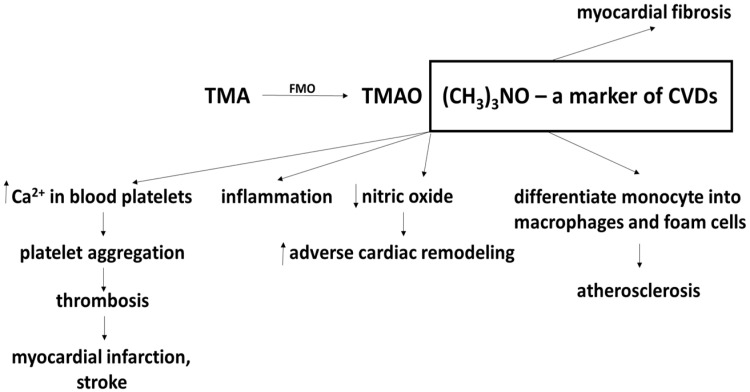
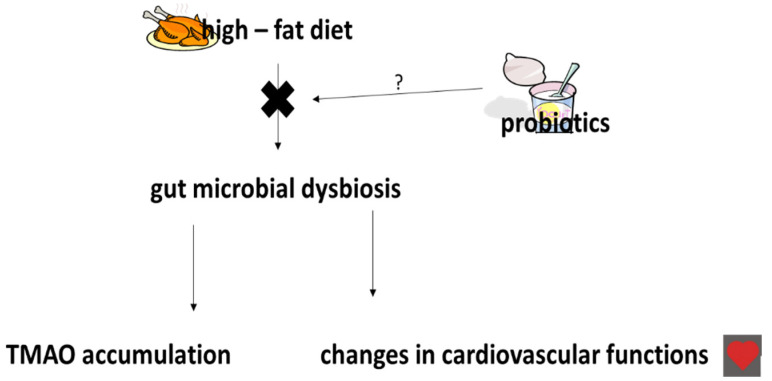
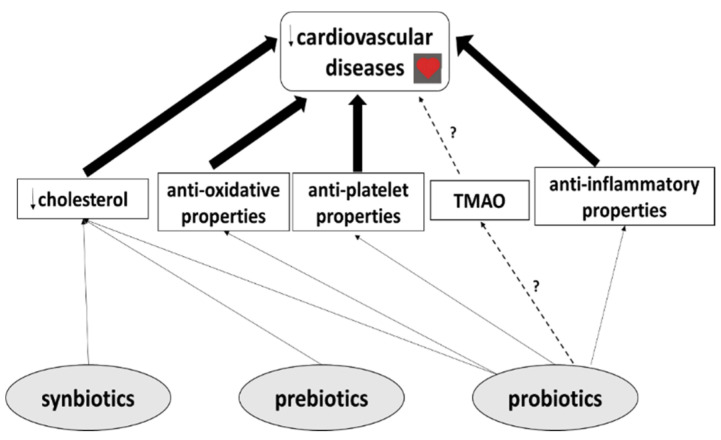
Recent evidence suggests that probiotics, prebiotics and synbiotics may serve as important dietary components in the prevention (especially) and treatment of cardiovascular diseases (CVD), but the recommendations for their use are often based on brief reports and small clinical studies. This review evaluates the current literature on the correlation between CVD and probiotics, prebiotics and synbiotics. Although research on probiotics, prebiotics and synbiotics has grown exponentially in recent years, particularly regarding the effect of probiotics on CVD, their mechanisms have not been clearly defined. It has been proposed that probiotics lower cholesterol levels, and may protect against CVD, by increasing bile salt synthesis and bile acid deconjugation. Similar effects have also been observed for prebiotics and synbiotics; however, probiotics also appear to have anti-oxidative, anti-platelet and anti-inflammatory properties. Importantly, probiotics not only have demonstrated effects in vitro and in animal models, but also in humans, where supplementation with probiotics decreases the risk factors of CVD. In addition, the properties of commercial probiotics, prebiotics and synbiotics remain undetermined, and further experimental research is needed before these substances can be used in the prevention and treatment of CVD. In particular, well-designed clinical trials are required to determine the influence of probiotics on trimethylamine-N-oxide (TMAO), which is believed to be a marker of CVDs, and to clarify the long-term effects, and action, of probiotic, prebiotic and synbiotic supplementation in combination with drug therapy (for example, aspirin). However, while it cannot be unequivocally stated whether such supplementation yields benefits in the prevention and treatment of CVDs, it is important to note that clinical studies performed to date have not identified any side-effects to use.
Keywords: cardiovascular disease; prebiotic; probiotic; synbiotic.
Conflict of interest statement
The author declares that she has no known competing financial interests or personal relationships that could have appeared to influence the work reported in this paper.
Figures
References
-
- Shanthi M., Pekka P., Bo N. Global Atlas on Cardiovascular Diseases Prevention and Control. World Health Organization in collaboration with the World Heart Federation and the World Stroke Organization; Geneva, Switzerland: 2011. pp. 3–18.
-
- GBD Mortality and Causes of Death Collaborators. [(accessed on 17 December 2014)];2013 doi: 10.1016/S0140-6736(14)61682-2. Available online: - DOI
-
- Katsi V., Didagelos M., Skevofilax S., Armenis I., Kartalis A., Vlachopoulos C., Karvounis H., Tousoulis D. Gut microbiota—Gut dysbiosis—Arterial hypertension: New horizons. Curr. Hyperten. Rev. 2018;12:1–14. - PubMed
Publication types
MeSH terms
Substances
LinkOut - more resources
Full Text Sources
Other Literature Sources
