


Obstacles and Considerations Related to Clinical Trial Research During the COVID-19 Pandemic
- PMID: 33425945
- PMCID: PMC7785796
- DOI: 10.3389/fmed.2020.598038
Obstacles and Considerations Related to Clinical Trial Research During the COVID-19 Pandemic
Abstract
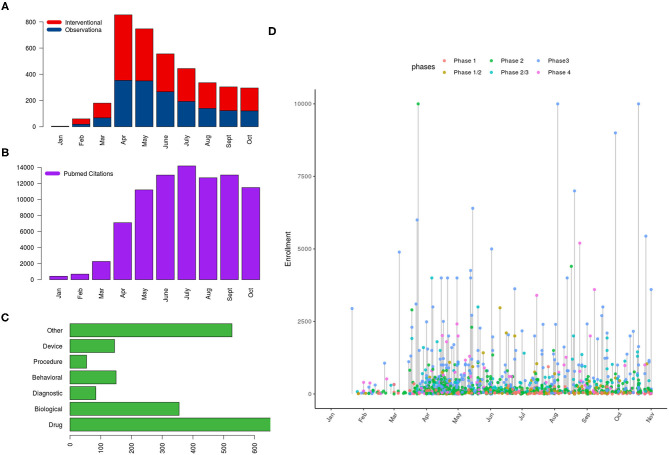
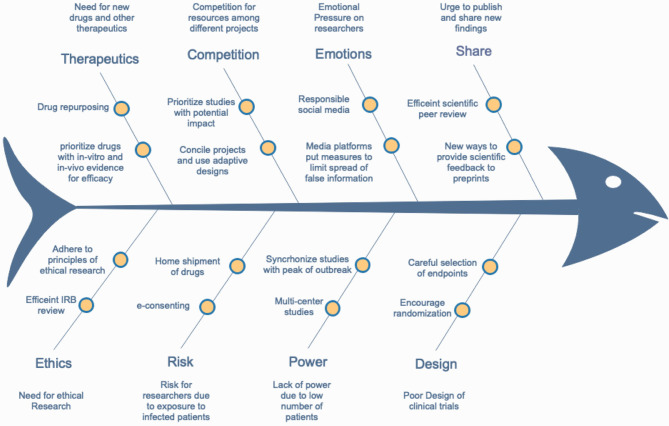
The response to the COVID-19 pandemic from the research and science community has been vigorous, with information being released faster than that of any other event in human history. Articles related to the virus were being rapidly published by January 2020. A small fraction of these publications comprised reports of prospective clinical trials (0.25%), and many of these trials have imparted conflicting conclusions, leading to confusion among the public and the scientific community. Additionally, the pandemic has raised many serious scientific and ethical concerns related to clinical research. In this review, we divided the conduct of clinical research trials into three steps and critically reviewed each step, along with the challenges and obstacles arising amid the ongoing crisis. The clinical research steps we reviewed include (1) clinical trial design factors such as social and scientific value, feasibility, single vs. multicenter trials, randomization, control groups, endpoints, off-label and compassionate use of medications, data analysis, and verifying the integrity of data; (2) ethical issues such as committee approvals, efficiency, virtual visits and remote monitoring, informed consent, shipping investigational products, and external monitoring and audits; and (3) publication and sharing of preprints, press releases, social media, and misinformation. The COVID-19 pandemic is adversely affecting existing clinical trials for other ailments and diseases, including cancer, with most trials being delayed or deferred. Although urgency is needed to communicate effective treatment and prevention strategies for COVID-19, research efforts should maintain the same high-quality core ethical principles that governed human subject research before the pandemic. Despite the catastrophic devastation caused by the pandemic, the adoption of more flexible, cost-effective methods of conducting clinical trials (without compromising ethical conduct, safety, or data integrity, while maintaining research efficiency) represents a potential silver lining. Streamlining clinical research will help to congruently address other important health issues, despite the ongoing COVID-19 crisis.
Keywords: COVID-19; SARS-CoV-2; clinical research; clinical trials; ethics; misinformation.
Copyright © 2020 Hashem, Abufaraj, Tbakhi and Sultan.
Conflict of interest statement
The authors declare that the research was conducted in the absence of any commercial or financial relationships that could be construed as a potential conflict of interest.
Figures
References
Publication types
LinkOut - more resources
Full Text Sources
Miscellaneous
