


Dining Tables Divided by a Border: The Effect of Socio-Political Scenarios on Local Ecological Knowledge of Romanians Living in Ukrainian and Romanian Bukovina
- PMID: 33430148
- PMCID: PMC7827627
- DOI: 10.3390/foods10010126
Dining Tables Divided by a Border: The Effect of Socio-Political Scenarios on Local Ecological Knowledge of Romanians Living in Ukrainian and Romanian Bukovina
Abstract
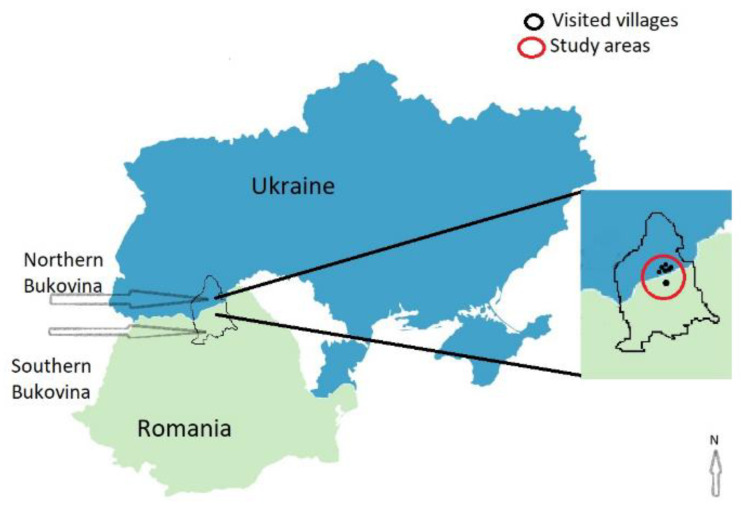
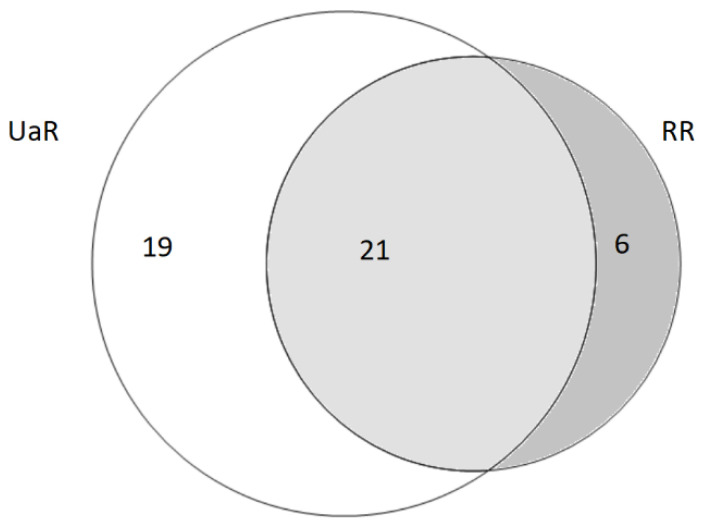
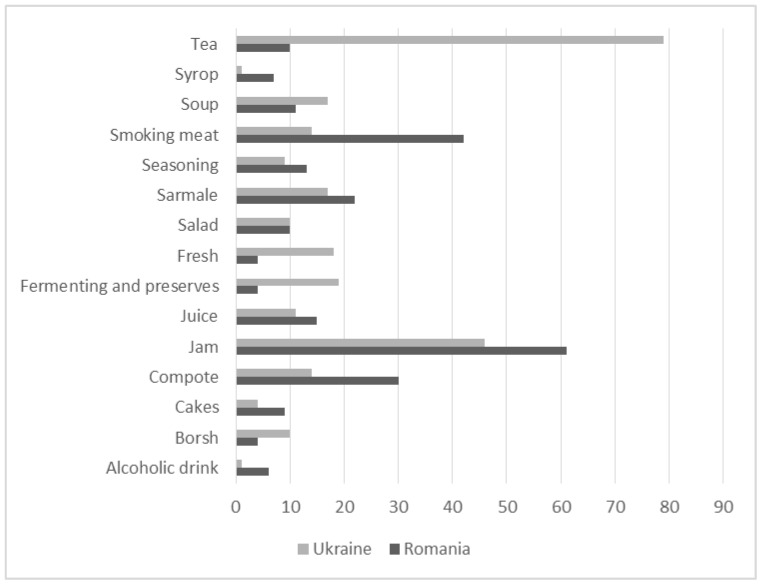
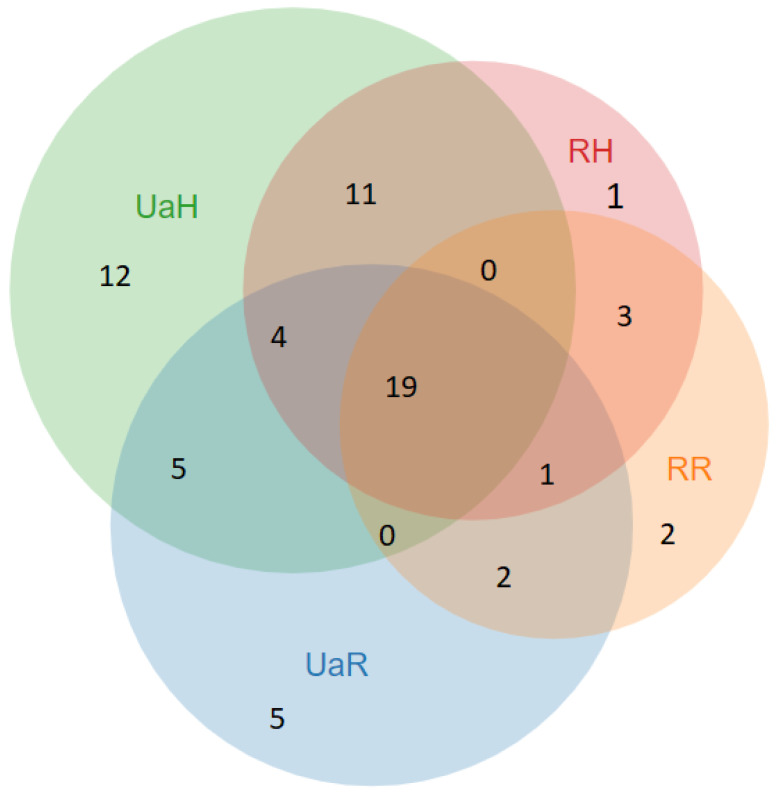
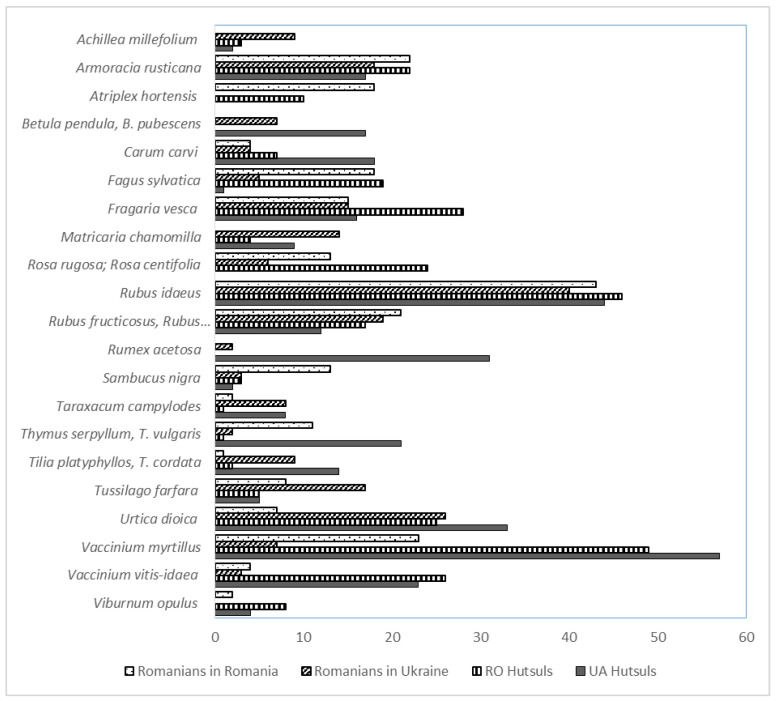
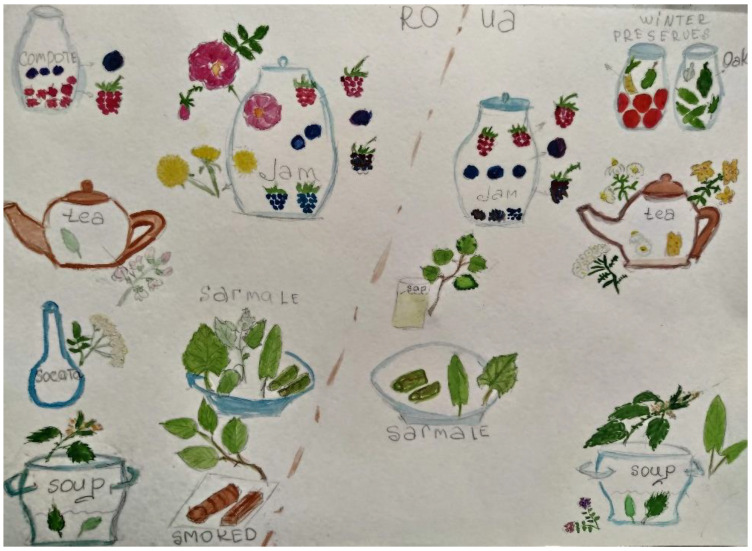
Local cuisine is an important reservoir of local ecological knowledge shaped by a variety of socio-cultural, economic, and ecological factors. The aim was to document and compare the current use of wild and semi-cultivated plant food taxa by Romanians living in Romania and Ukraine. These two groups share similar ecological conditions and historically belonged to the same province, but were divided in the 1940s by the creation of a state border. We conducted 60 semi-structured interviews with rural residents. The contemporary use of 46 taxa (plus 5 cultivated taxa with uncommon uses), belonging to 20 families, for food consumption were recorded. Romanians in Romanian Bukovina used 27 taxa belonging to 15 families, while in Ukraine they used 40 taxa belonging to 18 families. Jams, sarmale, homemade beer, and the homemade alcoholic drink "socată" are used more by Romanians in Southern Bukovina, while tea, soups, and birch sap are used more in Northern Bukovina. We discuss the strong influence of socio-political scenarios on the use of wild food plants. Cross-ethnic marriages, as well as markets and women's networks, i.e., "neighbors do so", may have had a great impact on changes in wild food use. In addition, rapid changes in lifestyle (open work market and social migration) are other explanations for the abandonment of wild edible plants.
Keywords: cultural landscapes; marginal rural areas; non-wood forest products; rural livelihoods; wild food; wild plants.
Conflict of interest statement
The authors declare no conflict of interest.
Figures
References
-
- Pieroni A., Sõukand R., Amin H.I.M., Zahir H., Kukk T. Celebrating multi-religious co-existence in Central Kurdistan: The bio-culturally diverse traditional gathering of wild vegetables among Yazidis, Assyrians, and Muslim Kurds. Hum. Ecol. 2018;46:217–227. doi: 10.1007/s10745-018-9978-x. - DOI
-
- Pieroni A., Sõukand R. Are borders more important than geographical distance? The wild food ethnobotany of the Boykos and its overlap with that of the Bukovinian Hutsuls in Western Ukraine. J. Ethnobiol. 2017;37:326–345. doi: 10.2993/0278-0771-37.2.326. - DOI
Grants and funding
LinkOut - more resources
Full Text Sources
Other Literature Sources
Miscellaneous
