


Evaluation of cardiovascular risk factors in patients with familial hypercholesterolemia from the North-Eastern area of Romania
- PMID: 33430859
- PMCID: PMC7798287
- DOI: 10.1186/s12944-020-01428-y
Evaluation of cardiovascular risk factors in patients with familial hypercholesterolemia from the North-Eastern area of Romania
Abstract
Background: Familial hypercholesterolemia(FH) is one of the most frequent and important monogenic cholesterol pathologies. Traditional and non-traditional cardiovascular risk factors increase the prevalence of atherosclerotic cardiovascular disease(ASCVD) in this population. The aims of the study were: (a) to identify FH patients in the North-Eastern part of Romania and to analyze demographic, clinical and paraclinical data (b) to evaluate the risk of new cardiovascular events at follow-up in FH patients stratified by lipid-lowering agents.
Methods: This first prospective study in the North-Eastern part of Romania was carried out between October 2017 and October 2019; out of 980 patients with dyslipidemia evaluated with the Dutch Lipid Network(DLCN) and Simon Broome(SM) scores, 61 patients with DLCN score above 3 and possible/probable FH(SM score) were included.
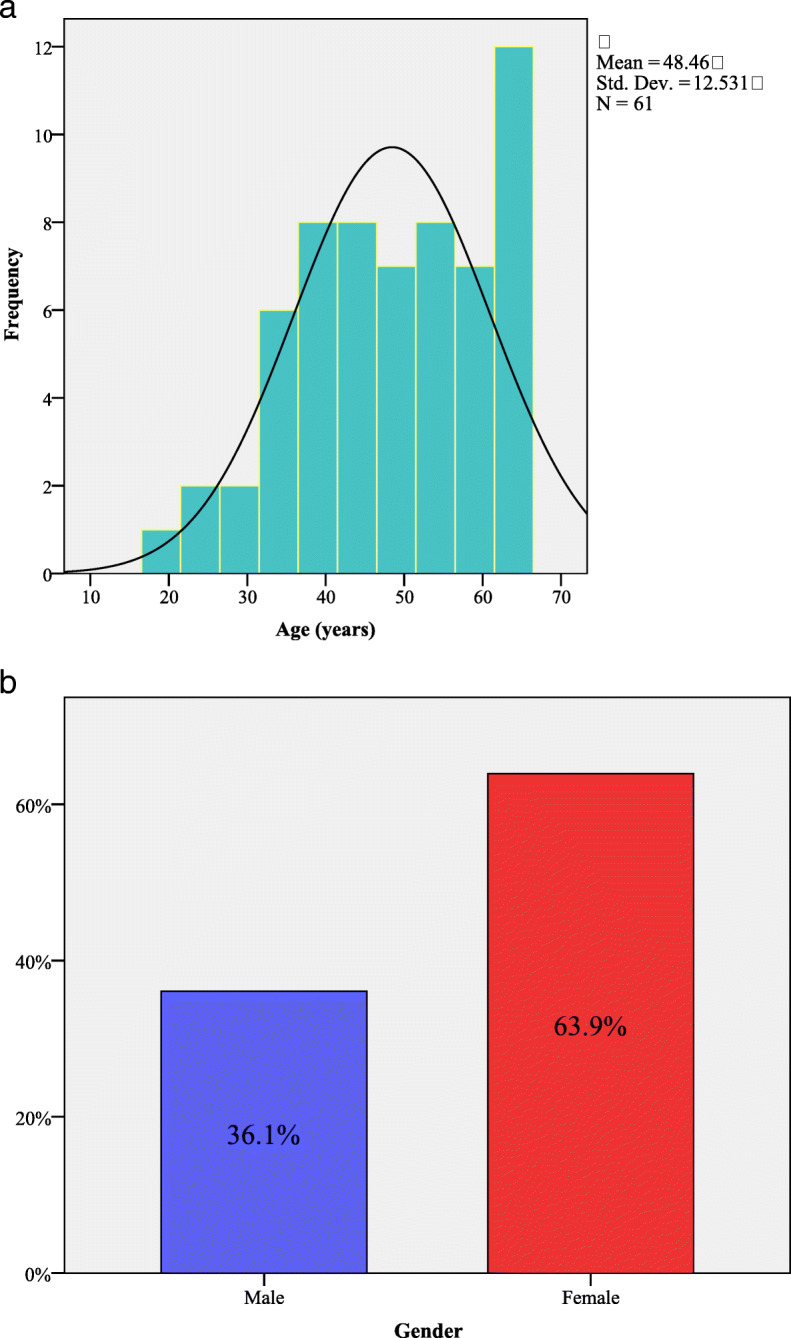
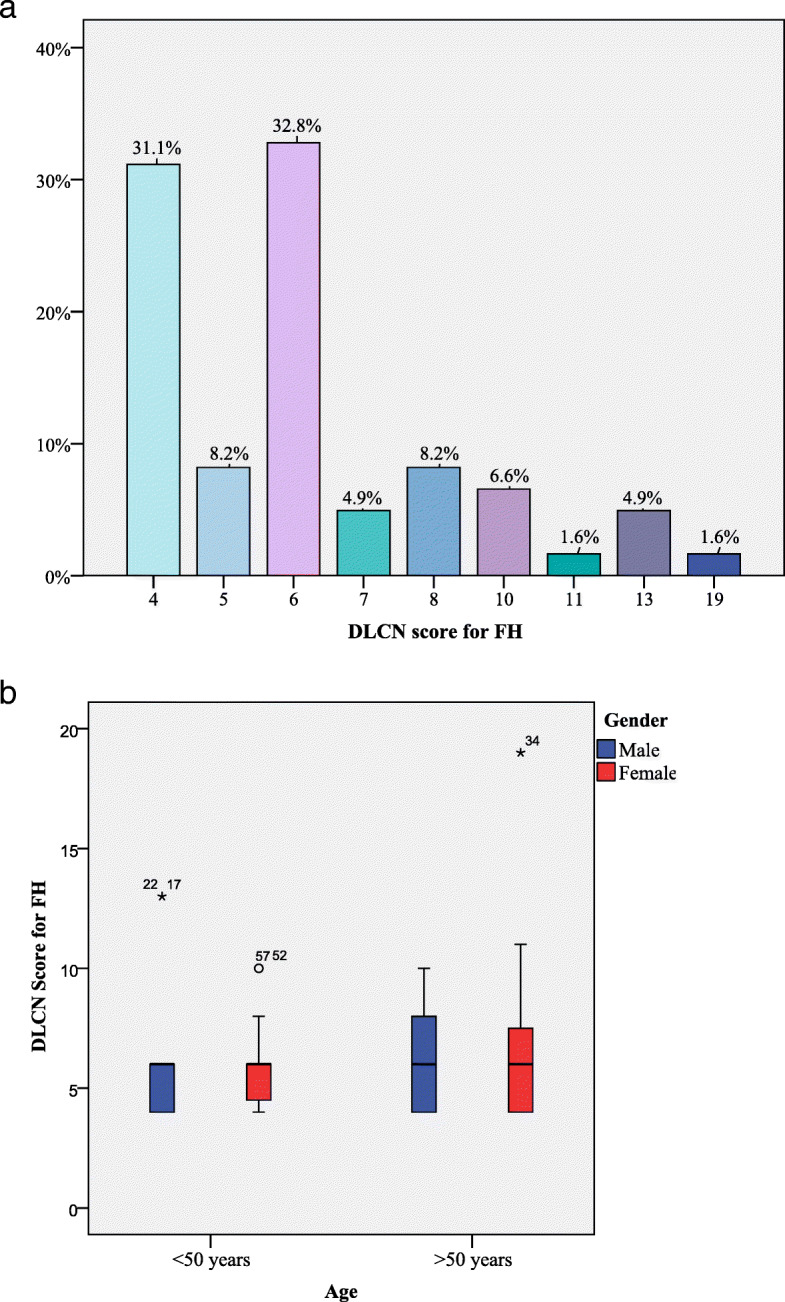
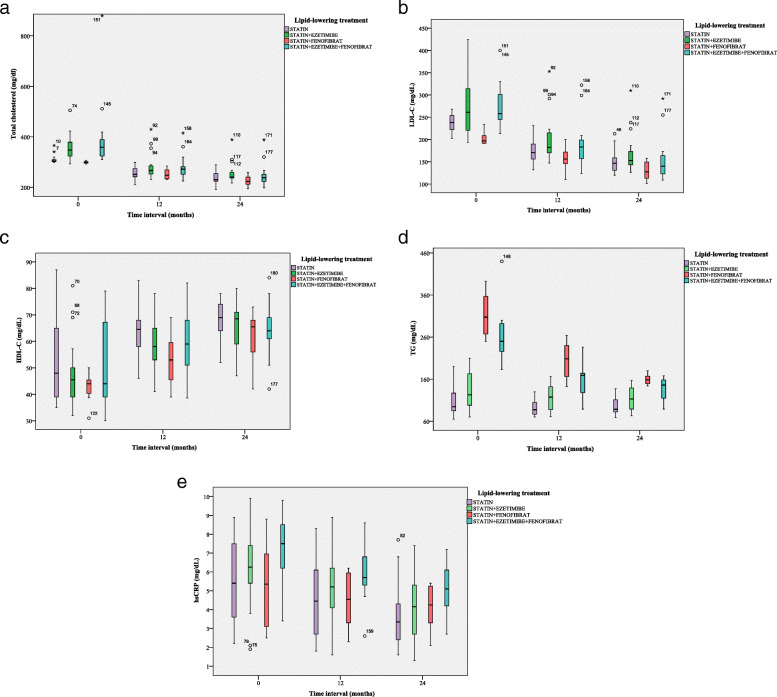
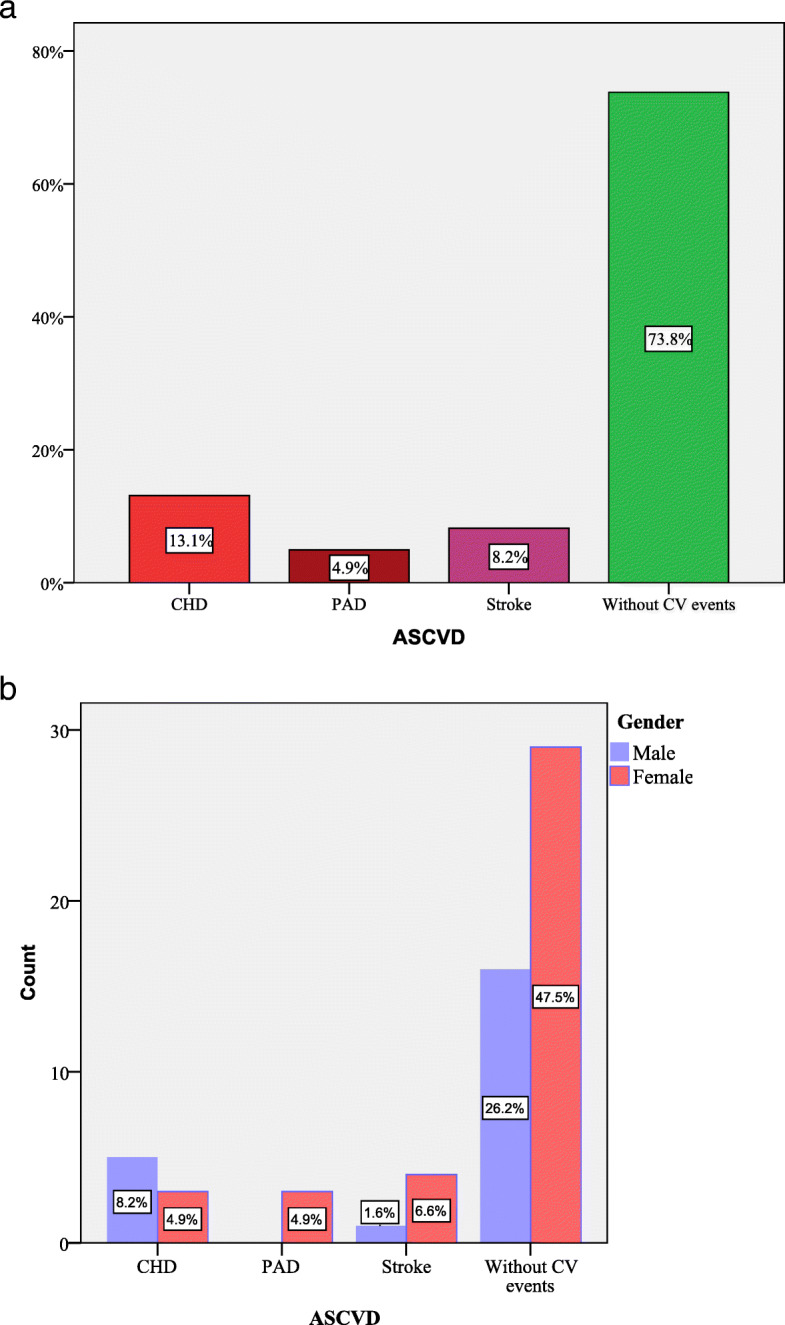
Results: Nine hundred-eighty patients were examined and 61 (6.2%) were received the clinical diagnosis of FH. The mean age was 48.5±12.5 years, with more female patients than male patients (63.9% versus 36%). Hypertension was the main cardiovascular risk factor for both genders, followed by physical inactivity and obesity for the female group and active smoking for the male group. The measured DLCN score recorded: "possible" FH identified in 39.4%, "probable" FH in 45.9% and "definite" FH in 14.7%. The effective lipid-lowering drugs used were statin alone and statin in association with fenofibrate, which improved both the lipid profile values and the subclinical atherosclerosis markers (ankle-brachial index, carotid intima-media thickness and high-sensitivity C-reactive protein). New ASCVDs that emerged during the study were most commonly represented by coronary heart disease and stroke. At the same time, the new cardiovascular events were delayed in patients receiving the lipid-lowering drugs, without significant differences between them.
Conclusions: In patients with suspected FH, the lipid-lowering agents during the follow-up period delayed the new cardiovascular events, yet failed to reach the goals proposed by the guidelines.
Keywords: Ankle-brachial index; Atherosclerotic cardiovascular disease; Cardiovascular risk factors; Carotid intima-media thickness; Familial hypercholesterolemia; Low density lipoprotein cholesterol.
Conflict of interest statement
The author(s) declare(s) that there is no conflict of interest regarding the publication of this paper.
Figures

References
-
- Gragnano F, Calabro P. Role of dual lipid-lowering therapy in coronary atherosclerosis regression: evidence from recent studies. Atherosclerosis. 2018;269:219–228. - PubMed
-
- Watts GF, Gidding SS, Mata P, Pang J, Sullivan DR, Yamashita S, et al. Familial hypercholesterolaemia: evolving knowledge for designing adaptive models of care. Nat Rev Cardiol. 2020;17(6):360–77. - PubMed
-
- Gidding SS, Champagne MA, de Ferranti SD, Defesche J, Ito MK, Knowles JW, et al. The agenda for familial hypercholesterolemia: a scientific statement from the American Heart Association. Circulation. 2015;132(22):2167–2192. - PubMed
MeSH terms
Substances
Grants and funding
LinkOut - more resources
Full Text Sources
Other Literature Sources
Research Materials
Miscellaneous
