


Analysis of the polyester clothing value chain to identify key intervention points for sustainability
- PMID: 33432280
- PMCID: PMC7787125
- DOI: 10.1186/s12302-020-00447-x
Analysis of the polyester clothing value chain to identify key intervention points for sustainability
Abstract
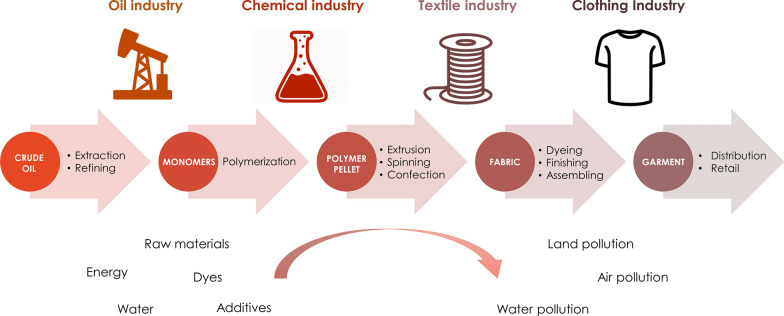
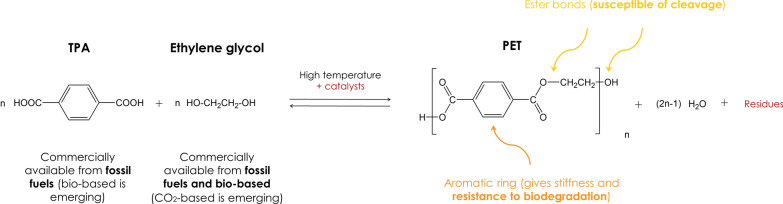
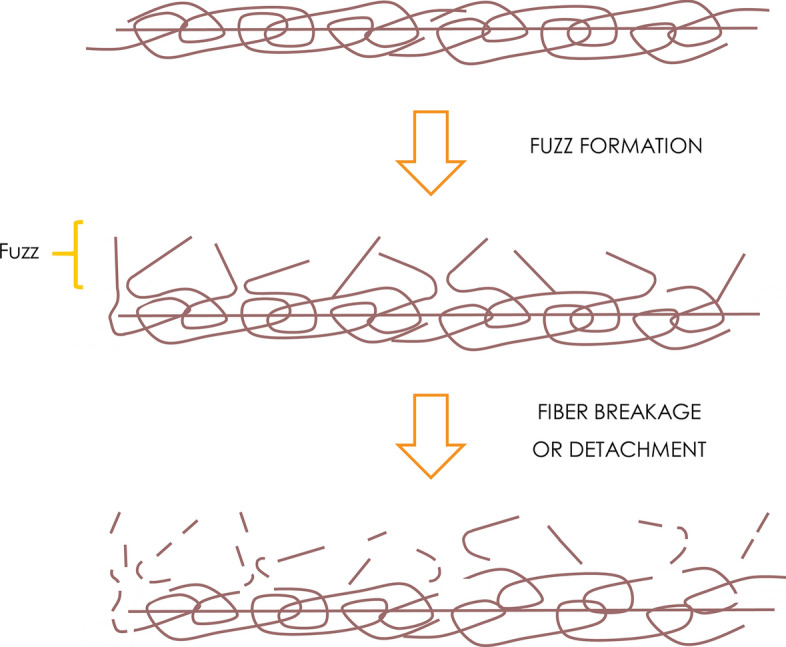
Clothing is one of the primary human needs, and the demand is met by the global production of thousands of tons of textile fibers, fabrics and garments every day. Polyester clothing manufactured from oil-based polyethylene terephthalate (PET) is the market leader. Conventional PET creates pollution along its entire value chain-during the production, use and end-of-life phases-and also contributes to the unsustainable depletion of resources. The consumption of PET garments thus compromises the quality of land, water and air, destroys ecosystems, and endangers human health. In this article, we discuss the different stages of the value chain for polyester clothing from the perspective of sustainability, describing current environmental challenges such as pollution from textile factory wastewater, and microfibers released from clothing during the laundry cycle. We also consider potential solutions such as enhanced reuse and recycling. Finally, we propose a series of recommendations that should be applied to polyester clothing at all stages along the value chain, offering the potential for meaningful and effective change to improve the environmental sustainability of polyester textiles on a global scale.
Keywords: Environmental sustainability; Life cycle; Microfibers; PET; Pollution; Recycling; Textiles; Value chain.
© The Author(s) 2021.
Conflict of interest statement
Competing interestsThe authors declare that they have no competing interests.
Figures
References
-
- The Fiber Year (2019) The Fiber Year: World Survey on Textiles and Nonwovens.
-
- European Commission (2018) Circular Economy: New rules will make EU the global front-runner in waste management and recycling.
-
- Roser M, Ritchie H, Ortiz-Ospina E (2019) World Population Growth. https://ourworldindata.org/world-population-growth Accessed 26 April 2020
-
- European Parliamentary Research Service (2019) Environmental impact of the textile and clothing industry: What consumers need to know.
-
- ECAP European Clothing Action Plan (2019) Driving circular fashion and textiles.
Publication types
LinkOut - more resources
Full Text Sources
Other Literature Sources
Miscellaneous