


The prevalence of post-traumatic stress disorder related symptoms in Coronavirus outbreaks: A systematic-review and meta-analysis
- PMID: 33433382
- PMCID: PMC7831964
- DOI: 10.1016/j.jad.2020.12.188
The prevalence of post-traumatic stress disorder related symptoms in Coronavirus outbreaks: A systematic-review and meta-analysis
Abstract
Background: Infectious disease outbreaks affect physical and mental health of humans worldwide. Studies showed that the prevalence of post-traumatic stress disorder (PTSD) symptoms increased in these conditions. This systematic-review and meta-analysis aimed to assess the prevalence of PTSD related symptoms in coronavirus outbreaks.
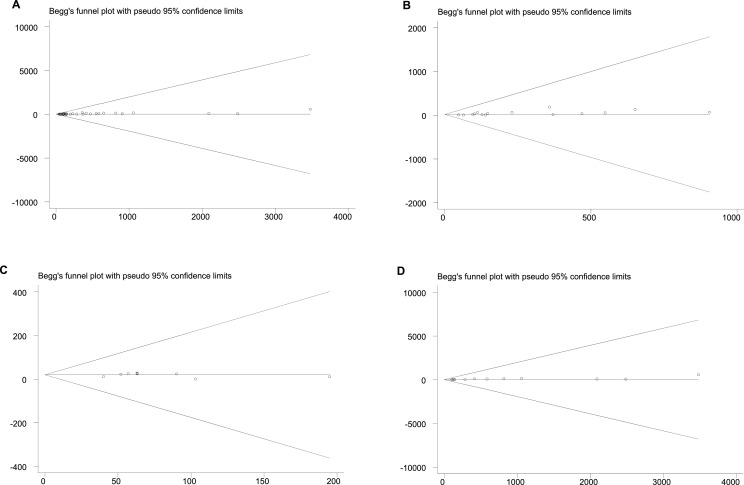
Methods: Systematic search of literature was conducted in Scopus, Embase, PubMed, and Web of Science. Google Scholar and Grey literature including conference proceedings were also checked. Published articles from November 1, 2012 until May 18, 2020 were searched. Subgroup analysis, meta-regression and sensitivity analysis were also conducted to assess heterogeneity.
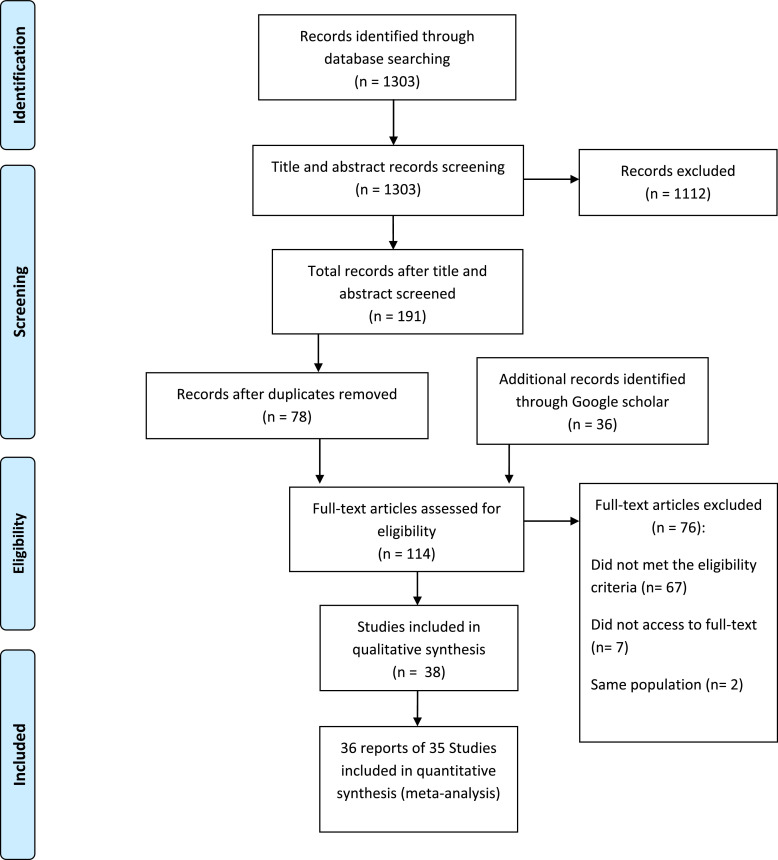
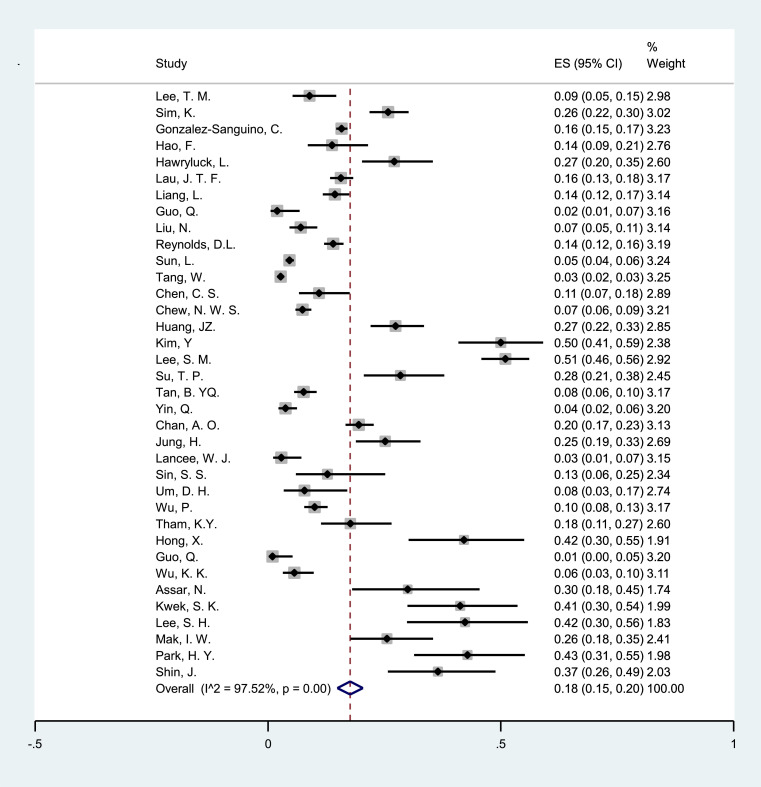
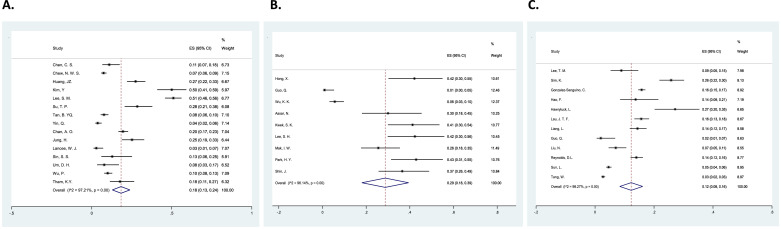
Results: We found 38 articles with 19,428 individuals met the eligibility criteria. Of these papers, 35 studies were included in meta-analysis. The prevalence of PTSD symptoms was estimated to be about 18% (95%CI: 15% to 20%). These symptoms were more frequent in cohort studies (29%) compared to cross-sectional (15%) and case-control (11%) studies. Prevalence rates of PTSD symptoms in MERS (36%) outbreaks were higher than SARS (18%) and COVID-19 (9%) outbreaks. Meta-regression showed that the geographical location of study was the source of heterogeneity (R2: 19.8%, P-value: 0.003). Meta-analysis reported that about three in every ten survivors of coronavirus infection, about two in every ten healthcare workers, and about one in every ten individuals of general population experienced PTSD symptoms in outbreaks.
Limitations: PTSD cannot be objectively assessed and this can lead to information bias of included studies.
Conclusion: PTSD symptoms are shown to be common in coronavirus outbreaks. Mental care should be, therefore, considered in the present COVID-19 pandemic.
Keywords: Anxiety; COVID-19; MERS; Pandemic; SARS; Systematic review.
Copyright © 2021. Published by Elsevier B.V.
Conflict of interest statement
All authors declare no conflict of interest.
Figures
Comment in
-
Reliable and comprehensive assessment of post-traumatic stress disorder is required to provide population-based prevention and treatment of PTSD during the COVID-19 pandemic.Evid Based Nurs. 2022 Jul;25(3):102. doi: 10.1136/ebnurs-2020-103388. Epub 2021 Oct 6. Evid Based Nurs. 2022. PMID: 34615671 No abstract available.
References
-
- APA . American Psychiatric Pub; 2013. Diagnostic and statistical manual of mental disorders (DSM-5®) - PubMed
-
- Assar N., Moallef P., Gardner P., Patcai J. PREDICTORS OF PTSD IN SARS SURVIVORS. International Journal of Behavioral Medicine. 2010;17:146–147.
-
- Baxter AJ, Vos T, Scott KM, Ferrari AJ, Whiteford HA. The global burden of anxiety disorders in 2010. Psychological medicine. 2014;44(11):2363. - PubMed
-
- CDC. (2014). Middle East respiratory syndrome (MERS): case definitions. Retrieved May 28, 2020, from www.cdc.gov/coronavirus/mers/case-def .html.
Publication types
MeSH terms
LinkOut - more resources
Full Text Sources
Other Literature Sources
Medical
Miscellaneous
