


Regulation of distinct caspase-8 functions in retinal ganglion cells and astroglia in experimental glaucoma
- PMID: 33434617
- PMCID: PMC10294121
- DOI: 10.1016/j.nbd.2021.105258
Regulation of distinct caspase-8 functions in retinal ganglion cells and astroglia in experimental glaucoma
Abstract
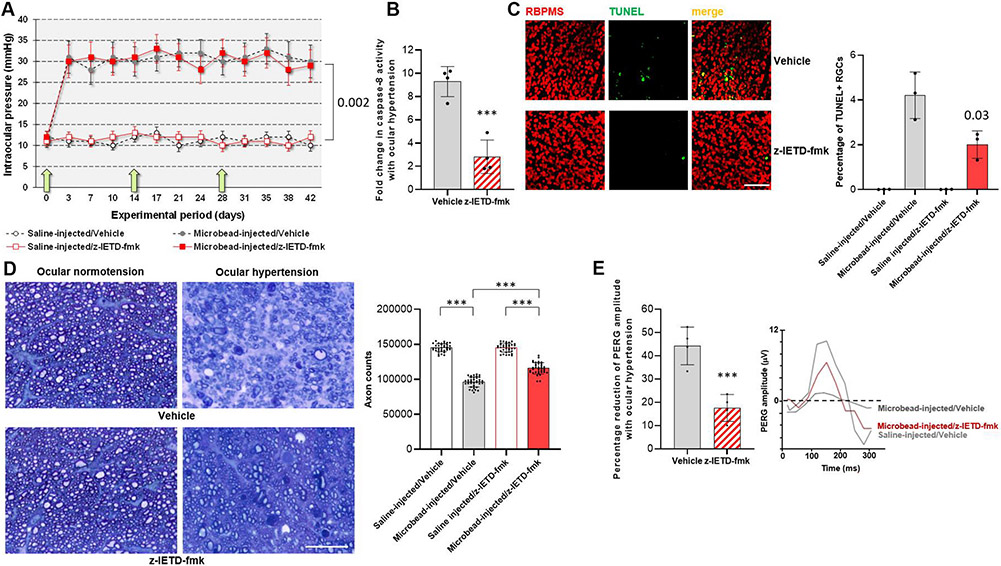
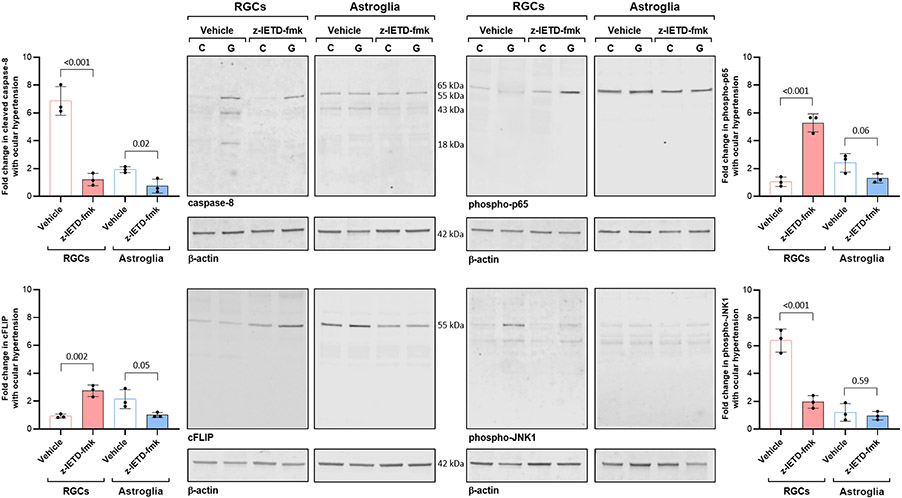
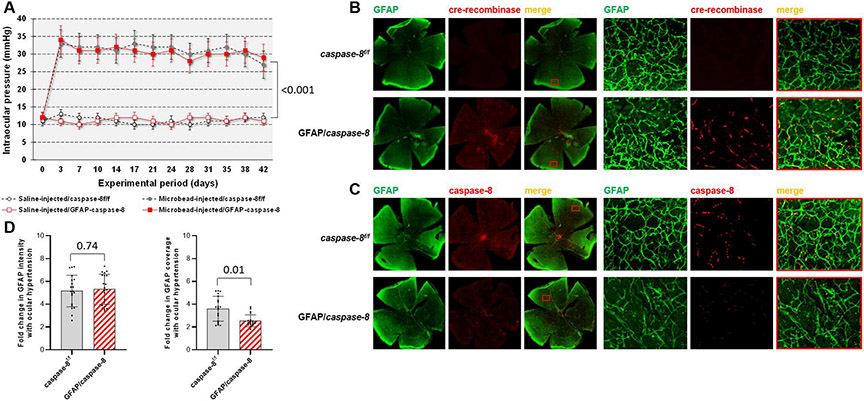
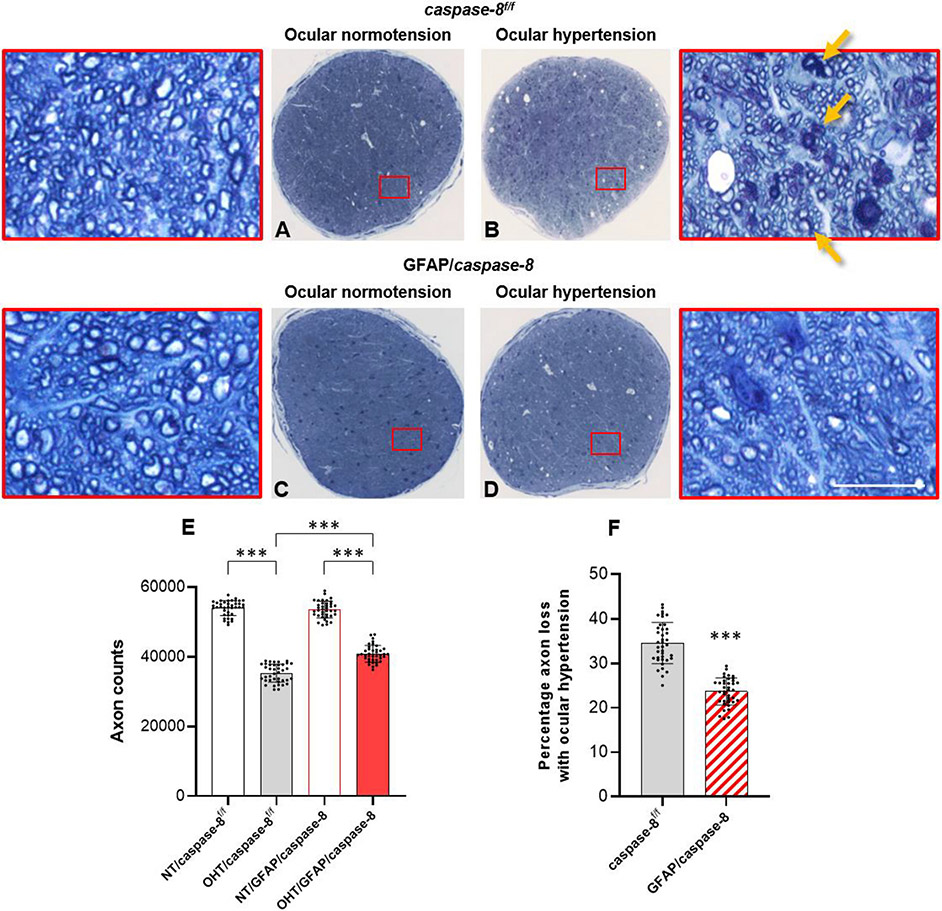
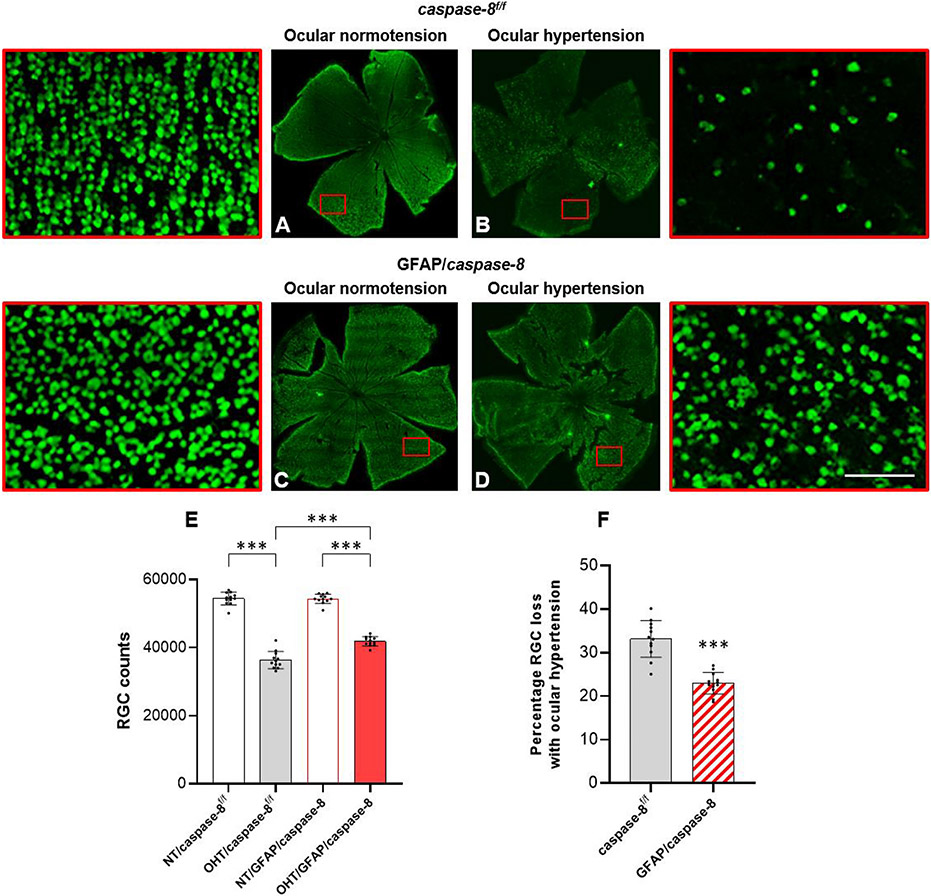
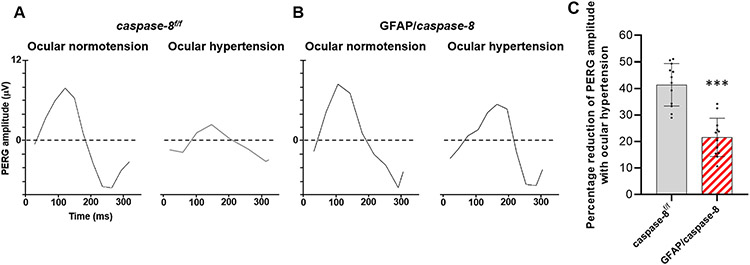
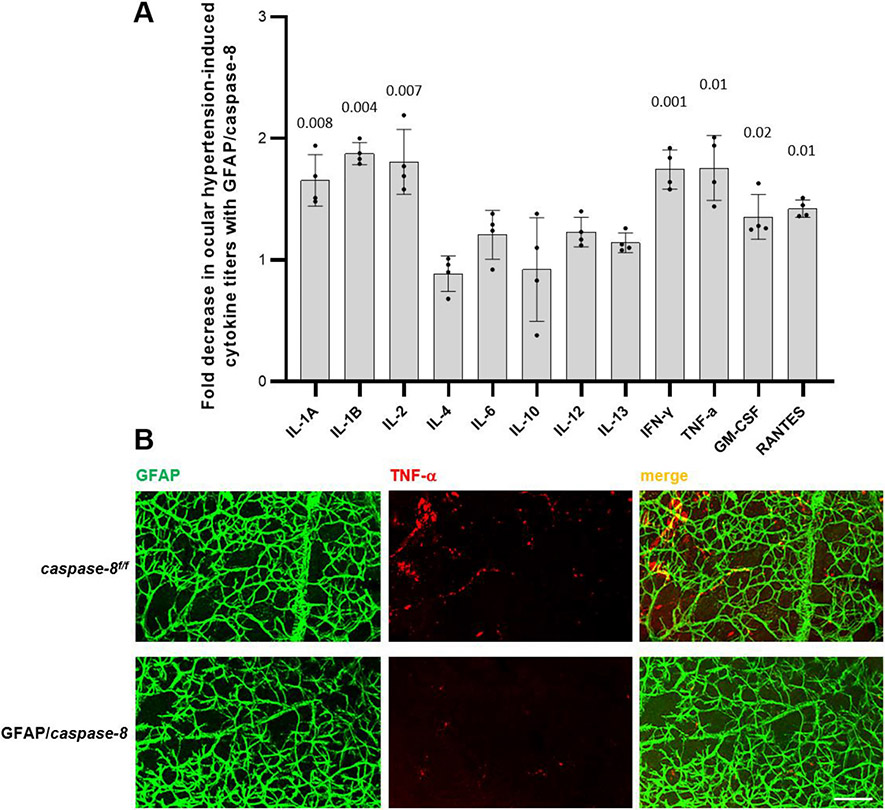
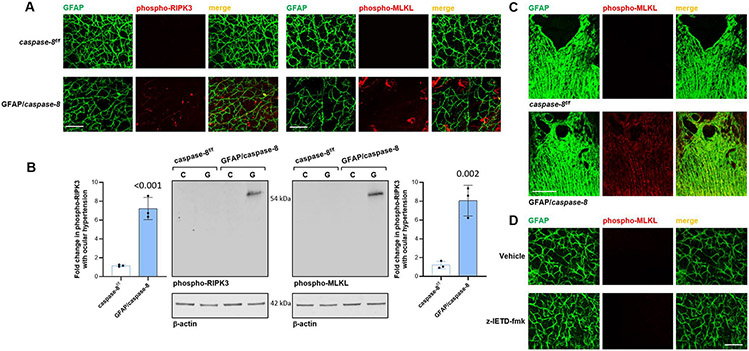
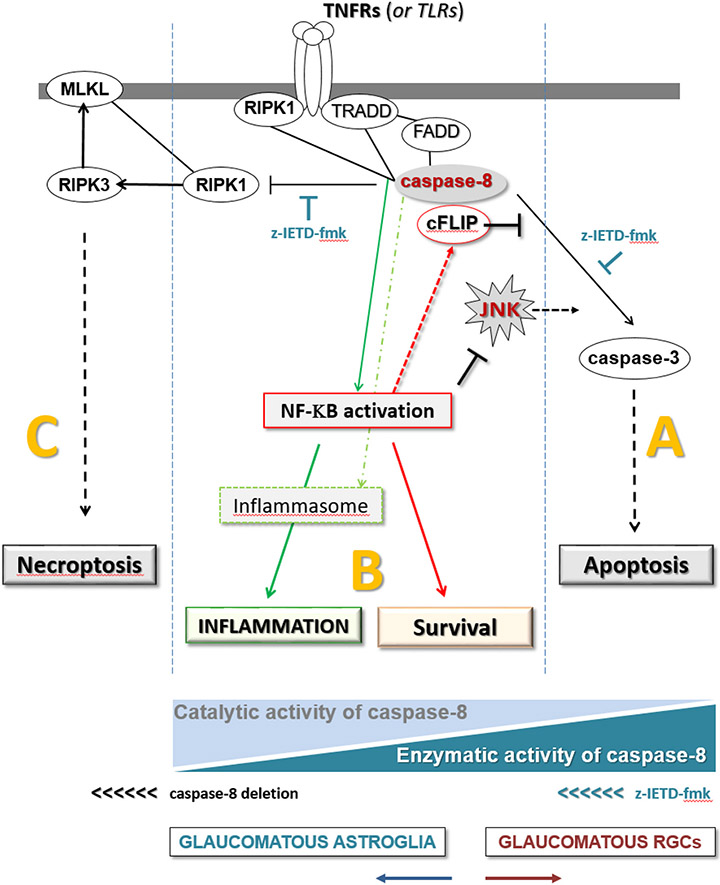
Retinal ganglion cells (RGCs) expanding from the retina to the brain are primary victims of neurodegeneration in glaucoma, a leading cause of blindness; however, the neighboring astroglia survive the glaucoma-related stress and promote neuroinflammation. In light of diverse functions of caspase-8 in apoptosis, cell survival, and inflammation, this study investigated the importance of caspase-8 in different fates of glaucomatous RGCs and astroglia using two experimental approaches in parallel. In the first approach, cell type-specific responses of RGCs and astroglia to a caspase-8 cleavage-inhibiting pharmacological treatment were studied in rat eyes with or without experimentally induced glaucoma. The second approach utilized an experimental model of glaucoma in mice in which astroglial caspase-8 was conditionally deleted by cre/lox. Findings of these experiments revealed cell type-specific distinct processes that regulate caspase-8 functions in experimental glaucoma, which are involved in inducing the apoptosis of RGCs and promoting the survival and inflammatory responses of astroglia. Deletion of caspase-8 in astroglia protected RGCs against glia-driven inflammatory injury, while the inhibition of caspase-8 cleavage inhibited apoptosis in RGCs themselves. Various caspase-8 functions impacting both RGC apoptosis and astroglia-driven neuroinflammation may suggest the multi-target potential of caspase-8 regulation to provide neuroprotection and immunomodulation in glaucoma.
Keywords: Astroglia; Caspase-8; Glaucoma; Neurodegeneration; Neuroinflammation.
Copyright © 2021 The Author(s). Published by Elsevier Inc. All rights reserved.
Figures
References
-
- Burguillos MA, Deierborg T, Kavanagh E, et al., 2011. Caspase signalling controls microglia activation and neurotoxicity. Nature. 472, 319–324. - PubMed
Publication types
MeSH terms
Substances
Grants and funding
LinkOut - more resources
Full Text Sources
Other Literature Sources
Medical
Molecular Biology Databases
