


In Vitro Human Skin Penetration, Antioxidant and Antimicrobial Activity of Ethanol-Water Extract of Fireweed (Epilobium angustifolium L.)
- PMID: 33435259
- PMCID: PMC7827182
- DOI: 10.3390/molecules26020329
In Vitro Human Skin Penetration, Antioxidant and Antimicrobial Activity of Ethanol-Water Extract of Fireweed (Epilobium angustifolium L.)
Abstract
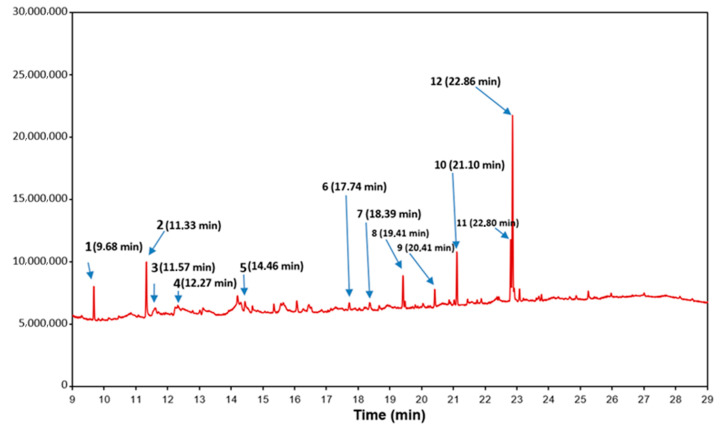
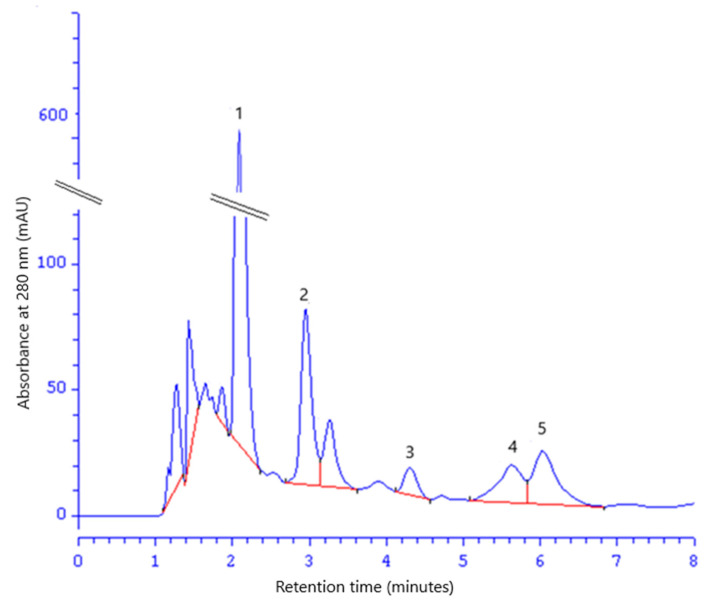
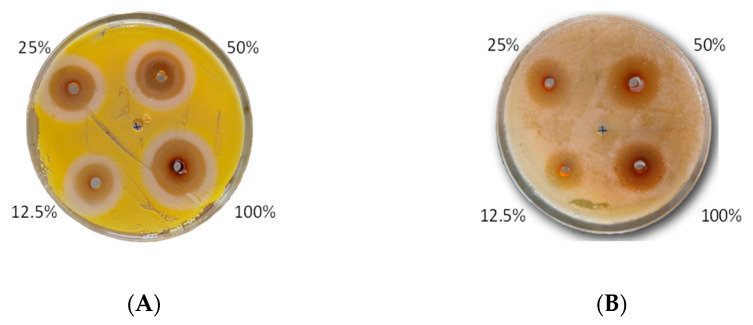
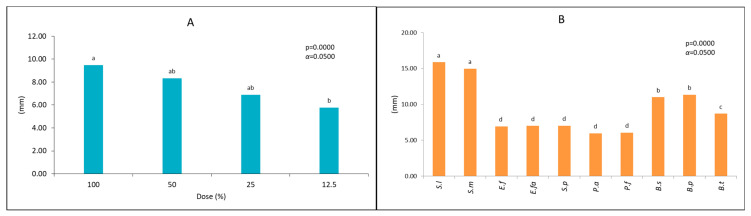
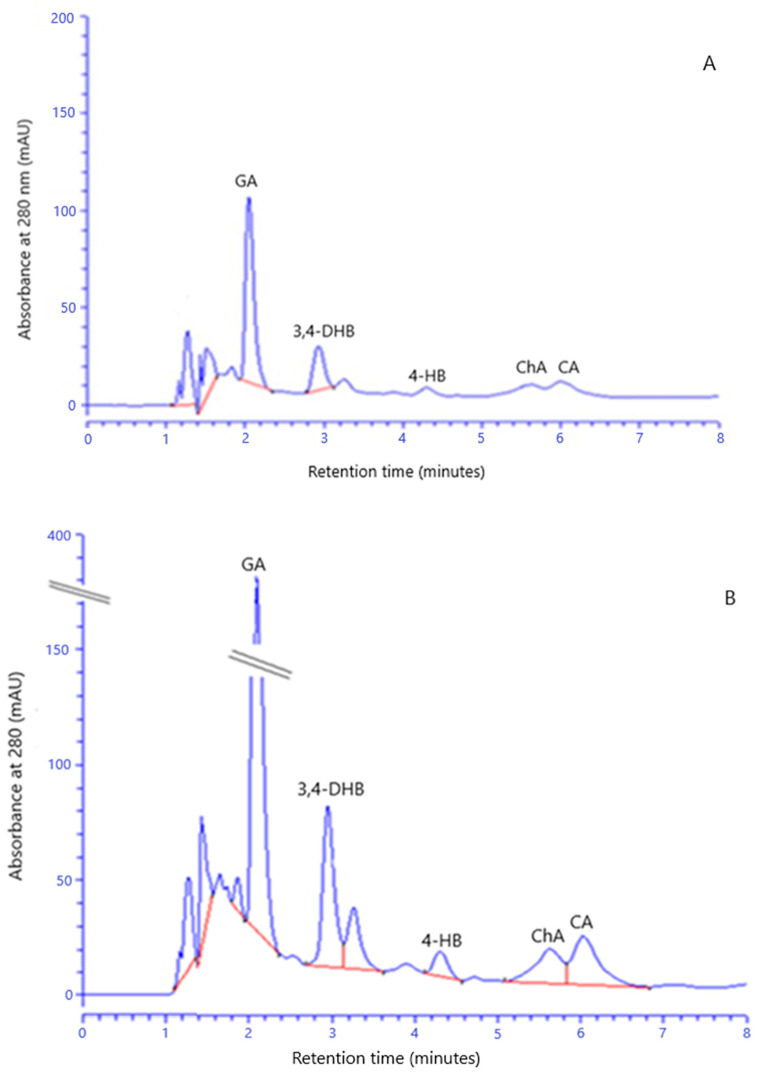
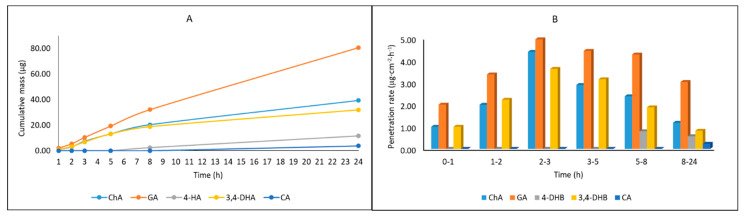
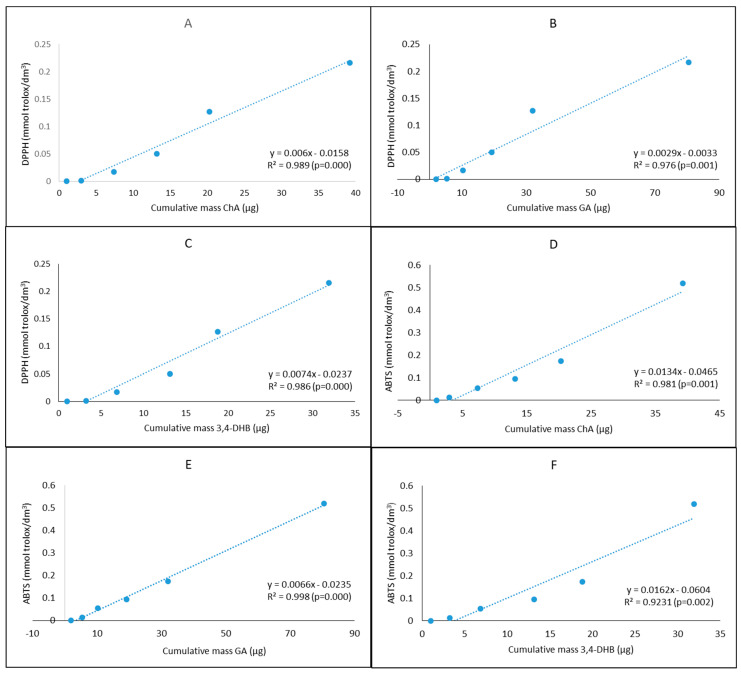
Epilobium angustifolium L. is applied as an antiseptic agent in the treatment of skin diseases. However, there is a lack of information on human skin penetration of active ingredients with antioxidative potential. It seems crucial because bacterial infections of skin and subcutaneous tissue are common and partly depend on oxidative stress. Therefore, we evaluated in vitro human skin penetration of fireweed ethanol-water extracts (FEEs) by determining antioxidant activity of these extracts before and after penetration study using 2,2-diphenyl-1-picrylhydrazyl (DPPH), 2,2'-azino-bis(3-ethylbenzothiazoline-6-sulfonic acid) (ABTS), and Folin-Ciocalteu methods. Microbiological tests of extracts were done. The qualitative and quantitative evaluation was performed using gas chromatography-mass spectrometry (GC-MS) and high-performance liquid chromatography (HPLC-UV) methods. The in vitro human skin penetration using the Franz diffusion chamber was assessed. The high antioxidant activity of FEEs was found. Gallic acid (GA), chlorogenic acid (ChA), 3,4-dihydroxybenzoic acid (3,4-DHB), 4-hydroxybenzoic acid (4-HB), and caffeic acid (CA) were identified in the extracts. The antibacterial activities were found against Serratia lutea, S. marcescens, Bacillus subtilis, B. pseudomycoides, and B. thuringiensis and next Enterococcus faecalis, E. faecium, Streptococcus pneumoniae, Pseudomonas aeruginosa, and P. fluorescens strains. In vitro penetration studies showed the penetration of some phenolic acids and their accumulation in the skin. Our results confirm the importance of skin penetration studies to guarantee the efficacy of formulations containing E. angustifolium extracts.
Keywords: Franz cell; antibacterial activity; antioxidants; herbal extract; phenolic acids; skin.
Conflict of interest statement
The authors declare no conflict of interest.
Figures
References
-
- Sõukand R., Mattalia G., Kolosova V., Stryamets N., Prakofjewa J., Belichenko O., Kuznetsova, Minuzzi S., Keedus L., Prūse B., et al. Inventing a herbal tradition: The complex roots of the current popularity of Epilobium angustifolium in Eastern Europe. J. Ethnopharmacol. 2020;247:112254. doi: 10.1016/j.jep.2019.112254. - DOI - PMC - PubMed
-
- Kalle R., Belichenko O., Kuznetsova N., Kolosova V., Prakofjewa J., Stryamets N., Mattalia G., Šarka P., Simanova A., Prūse B., et al. Gaining momentum: Popularization of Epilobium angustifolium as food and recreational tea on the Eastern edge of Europe. Appetite. 2020;150:104638. doi: 10.1016/j.appet.2020.104638. - DOI - PubMed
-
- Lasinskas M., Jariene E., Vaitkeviciene N., Hallmann E., Najman K. Effect of different durations of solid-phase fermentation for fireweed (Chamerion angustifolium (L.) Holub) leaves on the content of polyphenols and antioxidant activity in vitro. Molecules. 2020;25:1011. doi: 10.3390/molecules25041011. - DOI - PMC - PubMed
-
- Nowak A., Klimowicz A., Duchnik W., Kucharski Ł., Florkowska K., Muzykiewicz A., Wira D., Zielonka-Brzezicka J., Siedłowska A., Nadarzewska K. Application of green-extraction technique to evaluate of antioxidative capacity of wild population of fireweed (Epilobium angustifolium) Herba Pol. 2019;65:18–30. doi: 10.2478/hepo-2019-0022. - DOI
MeSH terms
Substances
LinkOut - more resources
Full Text Sources
Other Literature Sources
Medical
Molecular Biology Databases
Miscellaneous
