


Inhibition of microbiota-dependent TMAO production attenuates chronic kidney disease in mice
- PMID: 33436815
- PMCID: PMC7804188
- DOI: 10.1038/s41598-020-80063-0
Inhibition of microbiota-dependent TMAO production attenuates chronic kidney disease in mice
Abstract
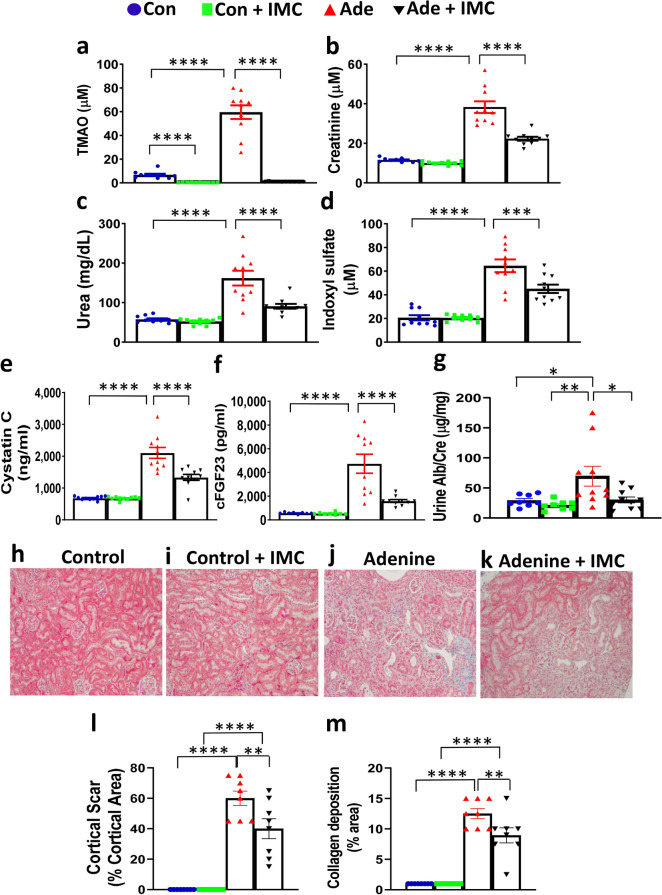
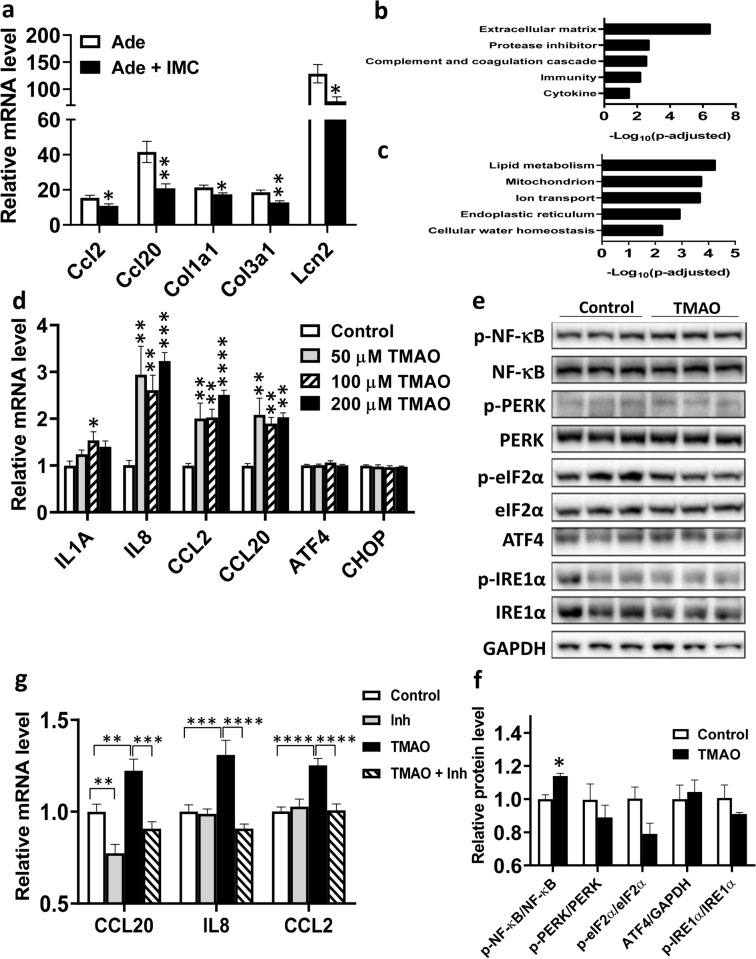
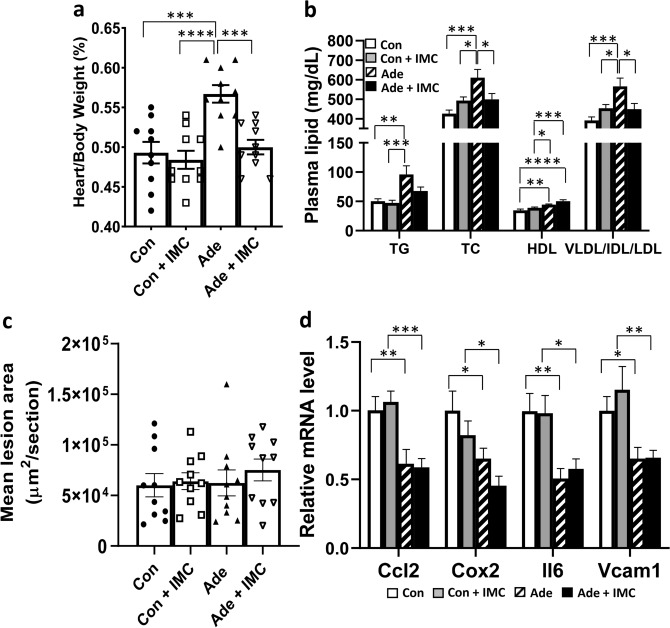
Patients with chronic kidney disease (CKD) have elevated circulating levels of trimethylamine N-oxide (TMAO), a metabolite derived from gut microbes and associated with cardiovascular diseases. High circulating levels of TMAO and its dietary precursor, choline, predict increased risk for development of CKD in apparently healthy subjects, and studies in mice fed TMAO or choline suggest that TMAO can contribute to kidney impairment and renal fibrosis. Here we examined the interactions between TMAO, kidney disease, and cardiovascular disease in mouse models. We observed that while female hyperlipidemic apoE KO mice fed a 0.2% adenine diet for 14 weeks developed CKD with elevated plasma levels of TMAO, provision of a non-lethal inhibitor of gut microbial trimethylamine (TMA) production, iodomethylcholine (IMC), significantly reduced multiple markers of renal injury (plasma creatinine, cystatin C, FGF23, and TMAO), reduced histopathologic evidence of fibrosis, and markedly attenuated development of microalbuminuria. In addition, while the adenine-induced CKD model significantly increased heart weight, a surrogate marker for myocardial hypertrophy, this was largely prevented by IMC supplementation. Surprisingly, adenine feeding did not increase atherosclerosis and significantly decreased the expression of inflammatory genes in the aorta compared to the control groups, effects unrelated to TMAO levels. Our data demonstrate that inhibition of TMAO production attenuated CKD development and cardiac hypertrophy in mice, suggesting that TMAO reduction may be a novel strategy in treating CKD and its cardiovascular disease complications.
Conflict of interest statement
SLH and ZW report being named as co-inventors on pending and issued patents held by the Cleveland Clinic relating to cardiovascular diagnostics and therapeutics. SLH also reports being a paid consultant for Procter & Gamble, having received research funds from Procter & Gamble, and Roche Diagnostics, and both SLH and ZW report being eligible to receive royalty payments for inventions or discoveries related to cardiovascular diagnostics or therapeutics from Cleveland Heart Lab (a subsidiary of Quest Diagnostics) and P&G. All other authors declare no competing interests.
Figures
References
Publication types
MeSH terms
Substances
Grants and funding
LinkOut - more resources
Full Text Sources
Other Literature Sources
Medical
Molecular Biology Databases
Research Materials
Miscellaneous
