


Dissociable effects of dietary sodium in early life upon somatic growth, fluid homeostasis, and spatial memory in mice of both sexes
- PMID: 33439766
- PMCID: PMC8238146
- DOI: 10.1152/ajpregu.00281.2020
Dissociable effects of dietary sodium in early life upon somatic growth, fluid homeostasis, and spatial memory in mice of both sexes
Abstract
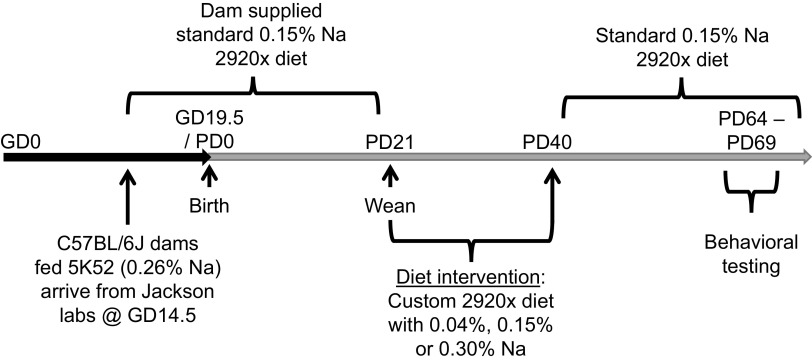
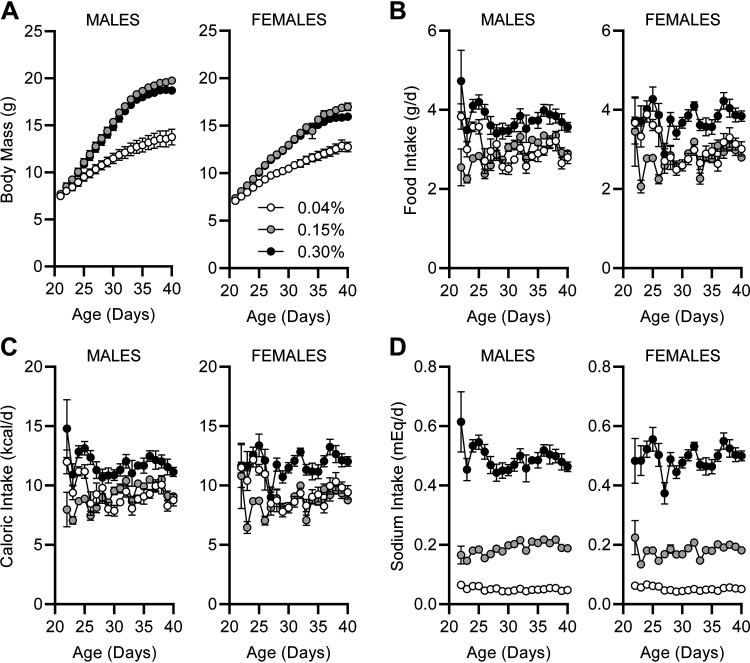
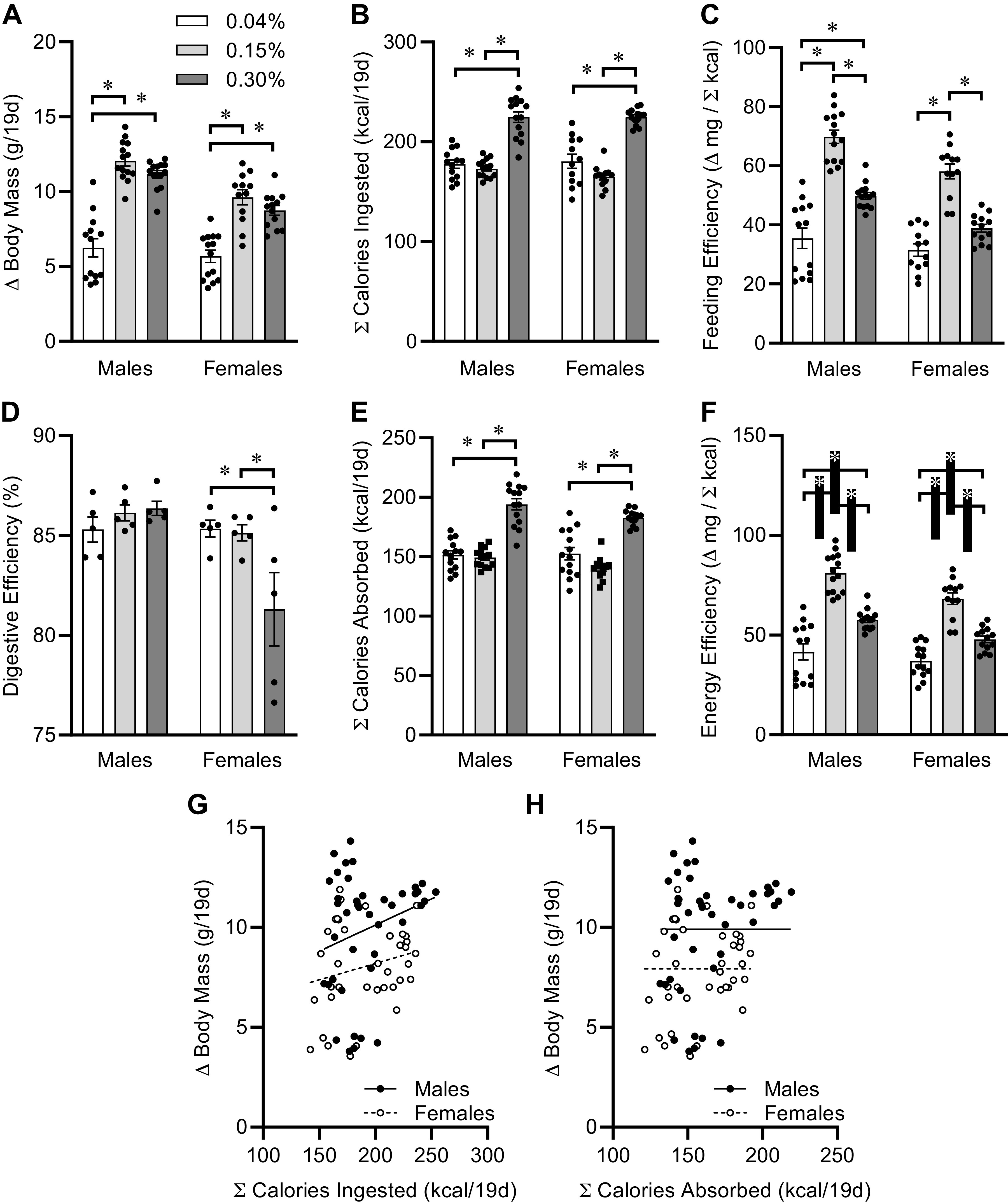
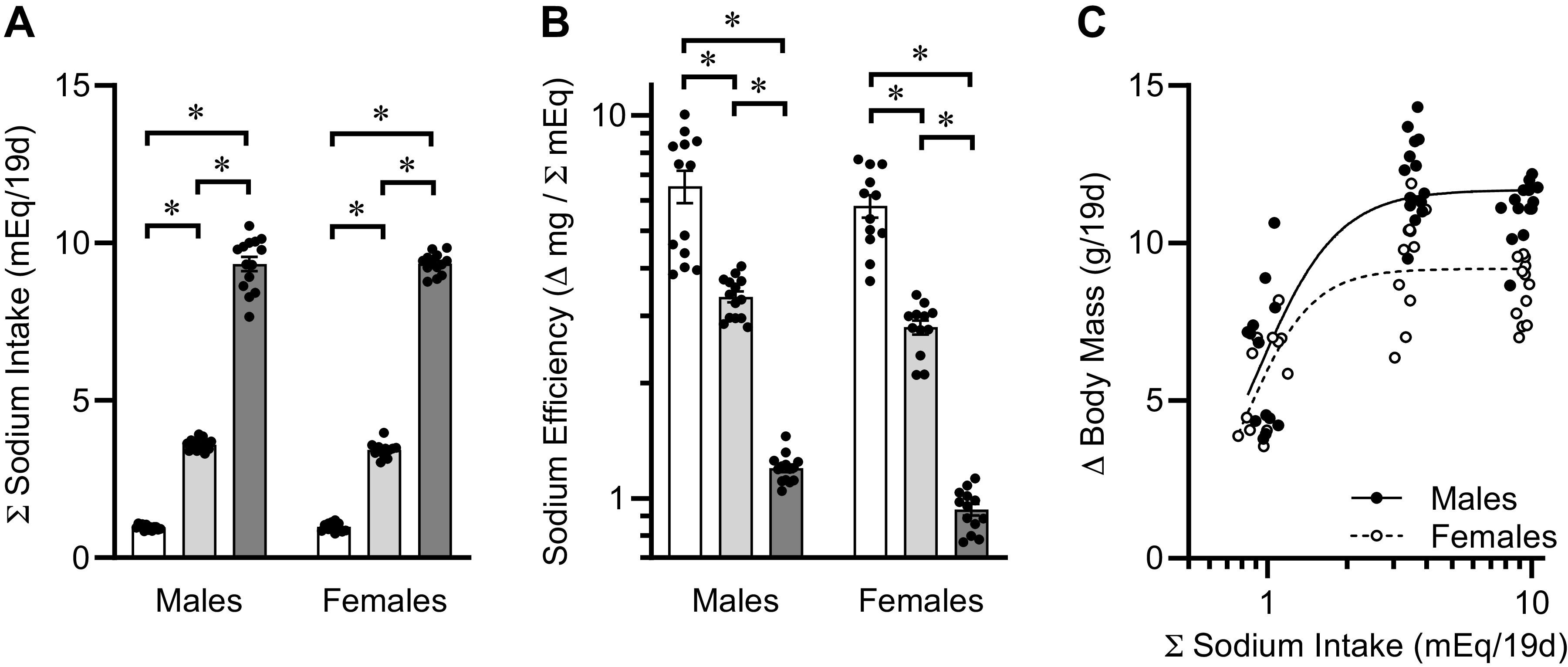
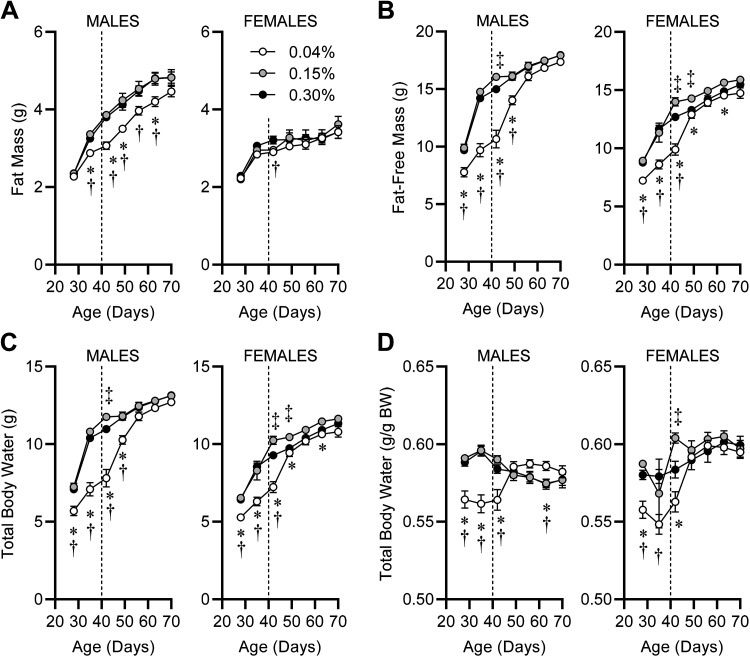
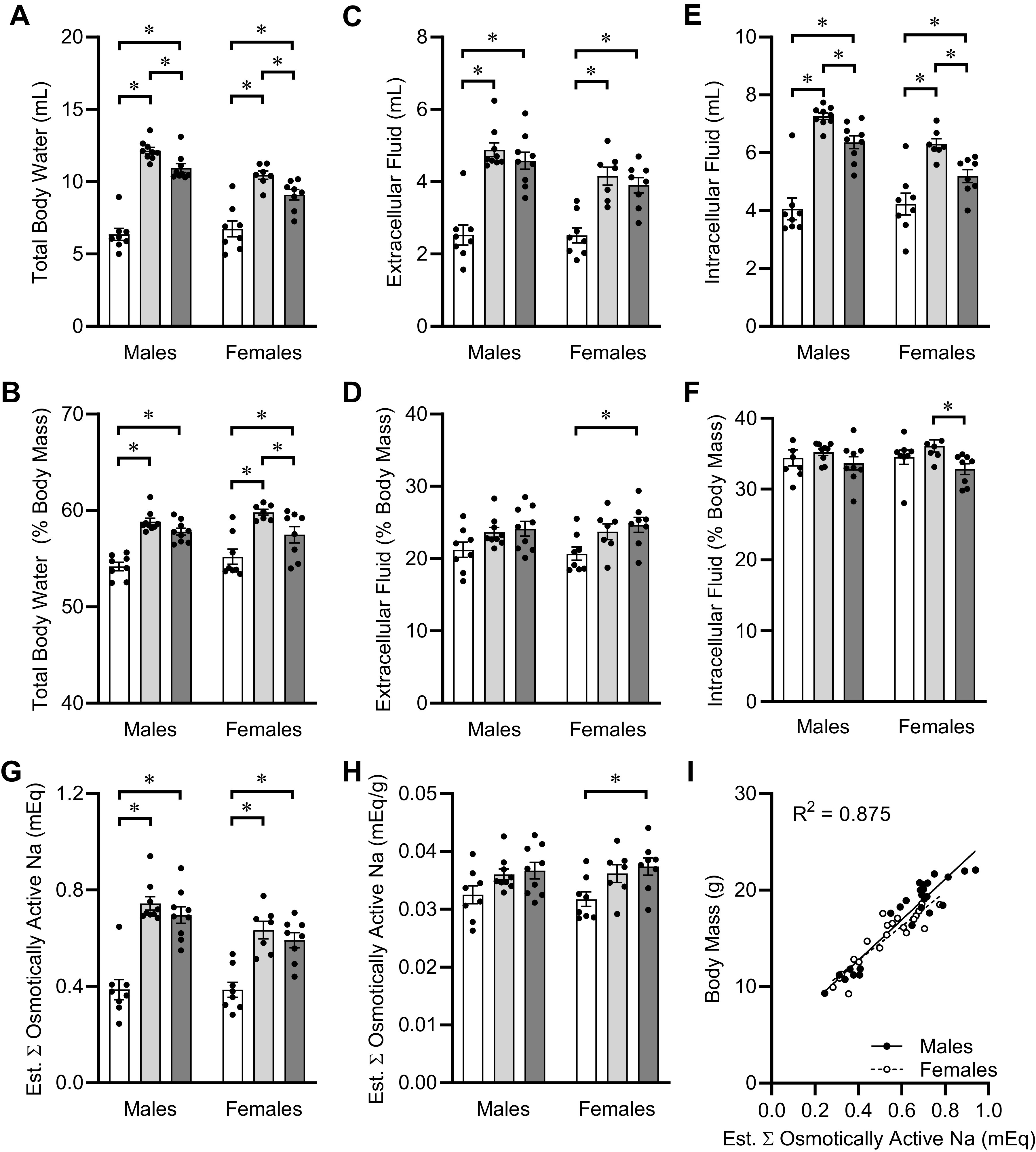
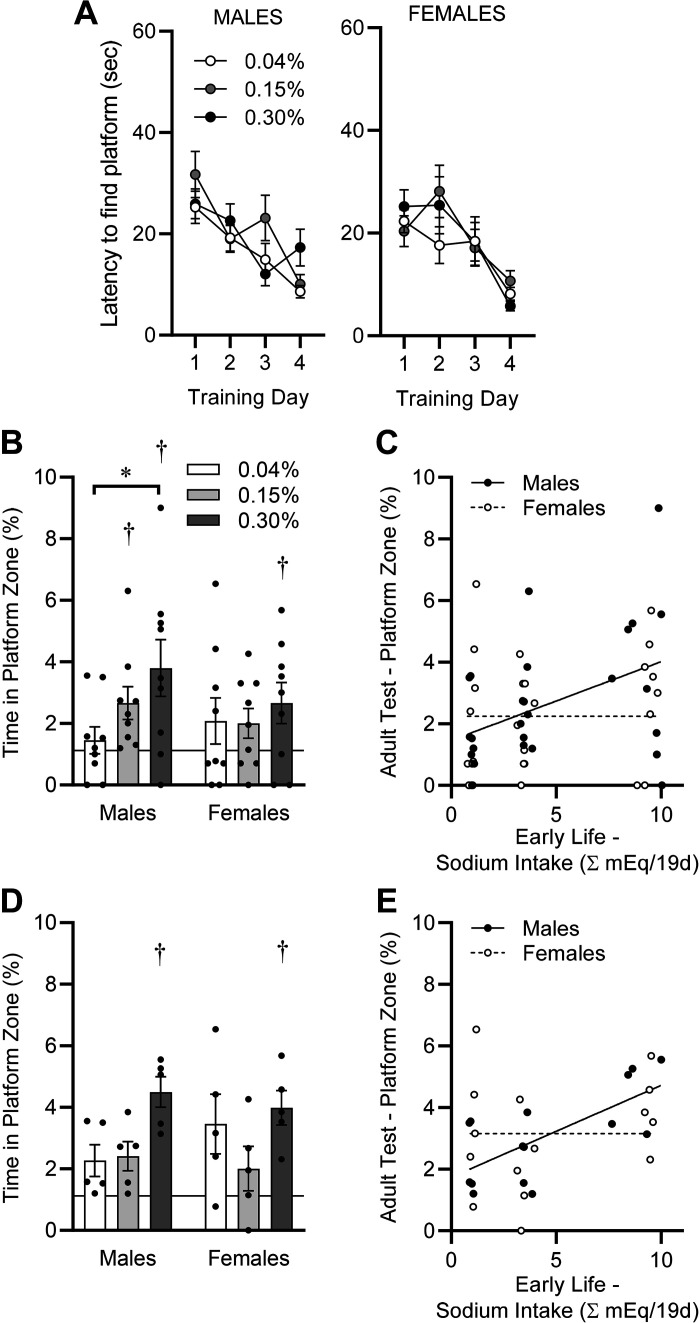
Postnatal growth failure is a common morbidity for preterm infants and is associated with adverse neurodevelopmental outcomes. Although sodium (Na) deficiency early in life impairs somatic growth, its impact on neurocognitive functions has not been extensively studied. We hypothesized that Na deficiency during early life is sufficient to cause growth failure and program neurobehavioral impairments in later life. C57BL/6J mice were placed on low- (0.4), normal- (1.5), or high- (3 g/kg) Na chow at weaning (PD22) and continued on the diet for 3 wk (to PD40). Body composition and fluid distribution were determined serially by time-domain NMR and bioimpedance spectroscopy, and anxiety, learning, and memory were assessed using the elevated plus maze and Morris water maze paradigms in later adulthood (PD63-PD69). During the diet intervention, body mass gains were suppressed in the low- compared with normal- and high-Na groups despite similar caloric uptake rates across groups. Fat mass was reduced in males but not in females fed low-Na diet. Fat-free mass and hydration were significantly reduced in both males and females fed the low-Na diet, although rapidly corrected after return to normal diet. Measures of anxiety-like behavior and learning in adulthood were not affected by diet in either sex, yet memory performance was modified by a complex interaction between sex and early life Na intake. These data support the concepts that Na deficiency impairs growth and that the amount of Na intake which supports optimal somatic growth during early life may be insufficient to fully support neurocognitive development.
Keywords: growth; neurobehavior; sodium.
Conflict of interest statement
No conflicts of interest, financial or otherwise, are declared by the authors.
Figures
References
-
- Mitchell HH, Carman GG. Does the addition of sodium chloride increase the value of a corn ration for growing animals? J Biol Chem 68: 165–181, 1926. doi: 10.1016/S0021-9258(18)84683-X. - DOI
-
- World Health Organization, International Atomic Energy. Minor and Trace Elements in Breast Milk: Report of a Joint WHO/IAEA Collaborative Study. Atlanta, Geneva: World Health Organization, 1989.
Publication types
MeSH terms
Substances
Grants and funding
LinkOut - more resources
Full Text Sources
Other Literature Sources
Medical
