. 2021 Jan 13;17(1):e1009194.
doi: 10.1371/journal.ppat.1009194. eCollection 2021 Jan.

Bacterial dormancy: A subpopulation of viable but non-culturable cells demonstrates better fitness for revival

Affiliations

Bacterial dormancy: A subpopulation of viable but non-culturable cells demonstrates better fitness for revival

Sariqa Wagley et al. PLoS Pathog. .

Abstract

The viable but non culturable (VBNC) state is a condition in which bacterial cells are viable and metabolically active, but resistant to cultivation using a routine growth medium. We investigated the ability of V. parahaemolyticus to form VBNC cells, and to subsequently become resuscitated. The ability to control VBNC cell formation in the laboratory allowed us to selectively isolate VBNC cells using fluorescence activated cell sorting, and to differentiate subpopulations based on their metabolic activity, cell shape and the ability to cause disease in Galleria mellonella. Our results showed that two subpopulations (P1 and P2) of V. parahaemolyticus VBNC cells exist and can remain dormant in the VBNC state for long periods. VBNC subpopulation P2, had a better fitness for survival under stressful conditions and showed 100% revival under favourable conditions. Proteomic analysis of these subpopulations (at two different time points: 12 days (T12) and 50 days (T50) post VBNC) revealed that the proteome of P2 was more similar to that of the starting microcosm culture (T0) than the proteome of P1. Proteins that were significantly up or down-regulated between the different VBNC populations were identified and differentially regulated proteins were assigned into 23 functional groups, the majority being assigned to metabolism functional categories. A lactate dehydrogenase (lldD) protein, responsible for converting lactate to pyruvate, was significantly upregulated in all subpopulations of VBNC cells. Deletion of the lactate dehydrogenase (RIMD2210633:ΔlldD) gene caused cells to enter the VBNC state significantly more quickly compared to the wild-type, and adding lactate to VBNC cells aided their resuscitation and extended the resuscitation window. Addition of pyruvate to the RIMD2210633:ΔlldD strain restored the wild-type VBNC formation profile. This study suggests that lactate dehydrogenase may play a role in regulating the VBNC state.


Conflict of interest statement

The authors have declared that no competing interests exist.

Figures
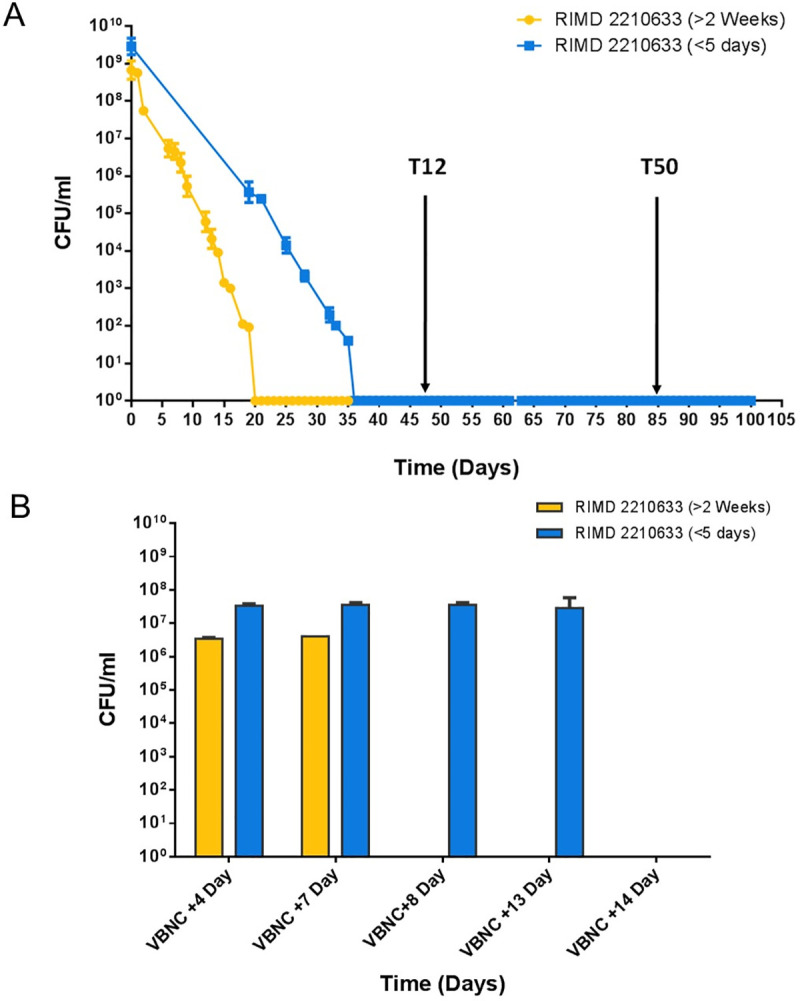
Fig 1
Fig 1. The age of the strain can affect VBNC formation and resuscitation.
A) The number of culturable cells of V. parahaemolyticus RIMD 2210633 in the microcosms over time using either fresh cultures that were ≤5 days out of the freezer or older cultures that had been on agar plates for ≥14 days. When older cultures were used to set up microcosms it took ~20 days for cells to reach unculturable while microcosms prepared with cultures that were less than 5 days old from freezer stocks took longer to become unculturable in the microcosm. The detection limit of CFU was 0.2 cells /ml. B) Resuscitation of cells was tested when all the cells in the population had turned unculturable. When older cultures were used to set up a microcosm a resuscitation window of 7 days was observed while a resuscitation window of 2 weeks could be observed in microcosms set up with fresher cultures.
Fig 2
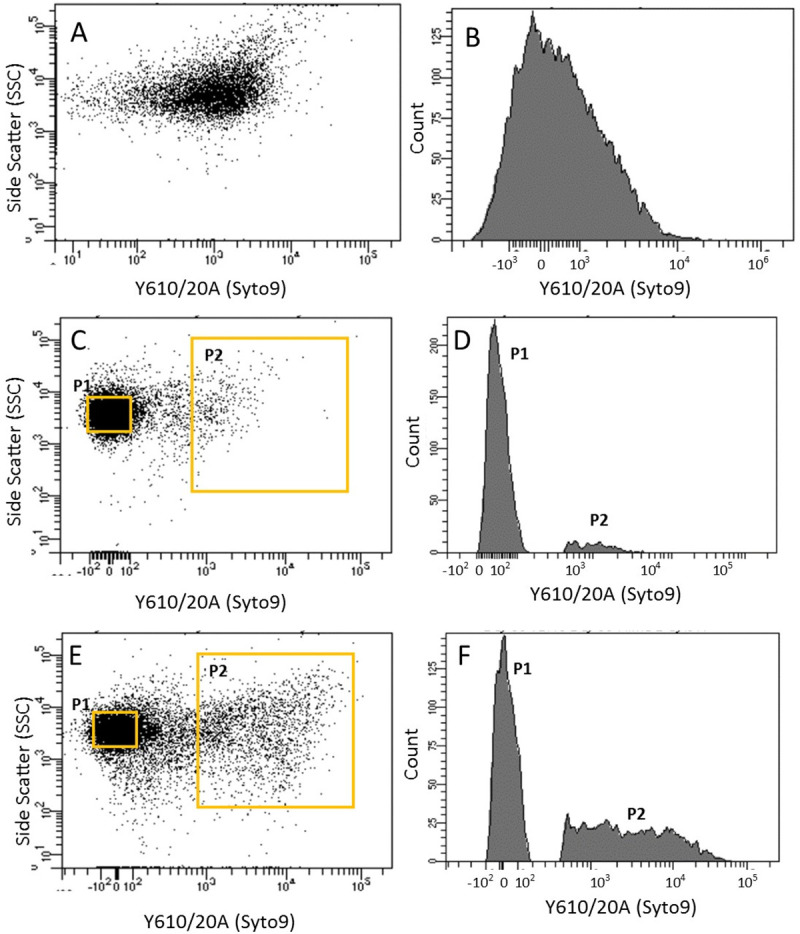
Fig 2. Flow cytometry analysis of microcosms.
Dot plots (Left) and corresponding histograms (Right) for Time point T0 (A-B), Time point T12 (C-D) and Time point T50 (E-F). Left: Dot plot of side scatter area vs. Y610/20 emission area management. Right: Line gate was used to select population P1 and P2 at T12 and T50 and plotted on a histogram of Y610/20 emission area to highlight proportions of cells in populations P1 and P2. Populations P1 and P2 became visible on dot plots and histograms once the cells in the microcosm population had turned unculturable. Intensity of fluorescence increased (as measured on the YG610/20 laser) and a peak on Y610/20 was seen which corresponded to a large side scatter.
Fig 3
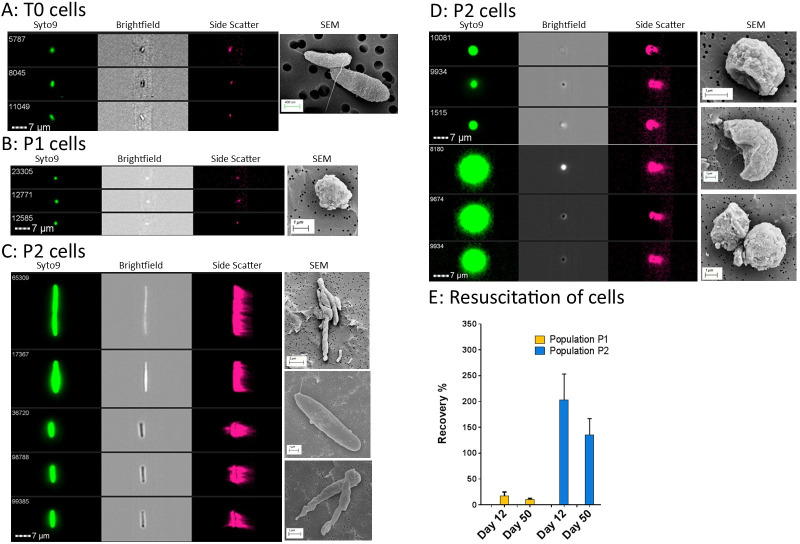
Fig 3. Analysis of the cell morphology in different VBNC subpopulations.
Cells analysed using the ImageStream Technology were stained with Syto9 stain before imaging. Examples of healthy rod shaped V. parahaemolyticus at T0 are shown in panel A, small coccoid VBNC cells from population P1 in panel B, large rods/filaments and large coccoid cells from population P2 in panel C and D respectively. Images are accompanied with representative SEM pictures. Panel E shows the percentage recovery (resuscitation) of VBNC cells stained with Syto9 in subpopulations P1 and P2. Data is from time point T12 and T50 and representative of 4 microcosms and standard deviation is shown ± SD.
Fig 4
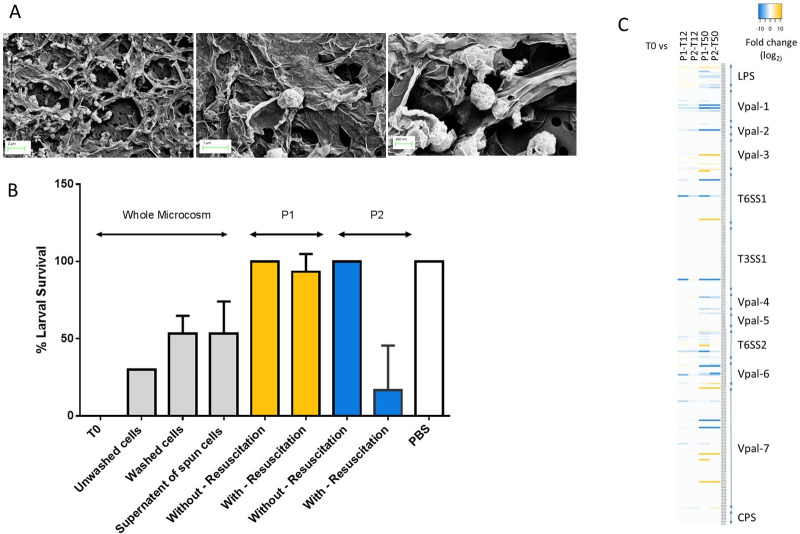
Fig 4. Virulence potential of V. parahaemolyticus RIMD2210633 cell types.
Panel A shows SEM pictures of VBNC cells with extracellular matrix attached surrounding the cells. Panel B shows survival of Galleria mellonella after 48 h when injected with different VBNC cell types. Panel C shows a heat map identifying regulation among known virulence proteins.
Fig 5
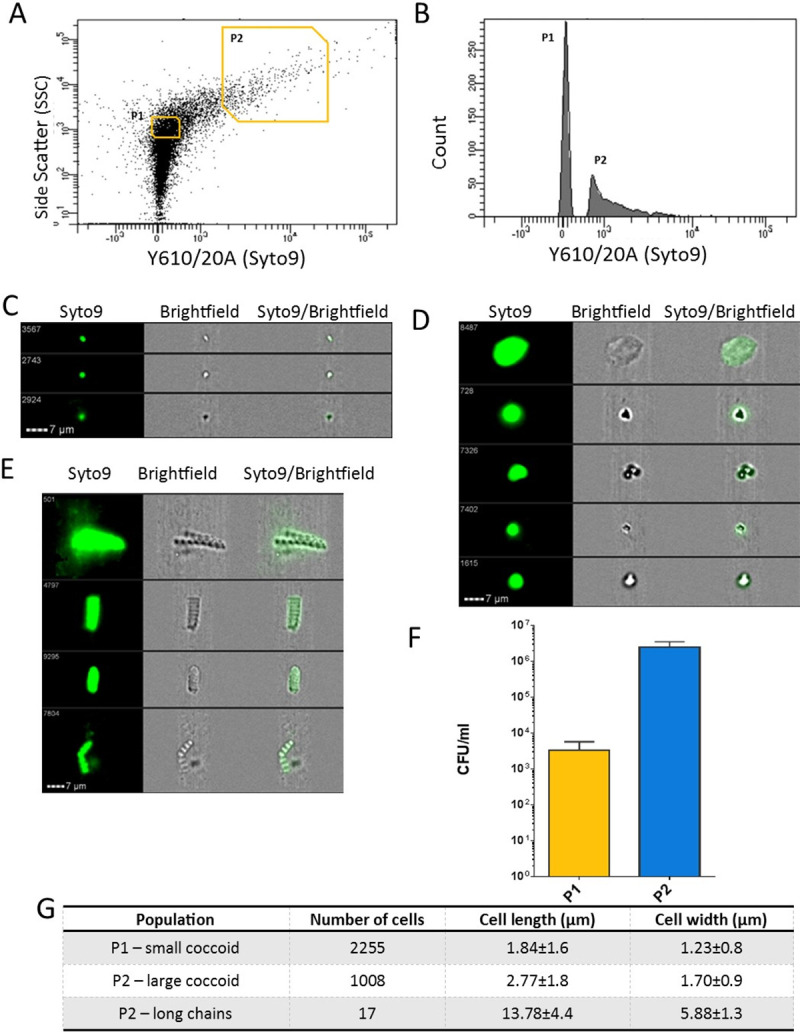
Fig 5. Analysis of the cell morphology of cells in seafood samples.
Cells were stained with Syto9 stain before imaging. Panel A shows dot plots of side scatter area vs. Y610/20 emission area management using FACS for a seafood sample that was examined. Line gates already determined were used to select population P1 and P2 from the seafood sample and are plotted on a histogram of Y610/20 emission area to highlight proportions of cells in populations P1 and P2 (Panel B). The IFC images in Panel C, D and E show Syto9 stained cells, brightfield and composite images of both syto9 and brightfield together. Examples of small coccoid cells from gated region P1 are shown in Panel C, large coccoid cells and long chains of cells present in gated regions of P2 are shown in Panel D and E respectively. Panel F shows the CFU/ml recovery (resuscitation) of VBNC cells collected from subpopulations P1 and P2. Data is representative of 3 sorts and standard deviation is shown ± SD. Panel G indicates the sizes of cells determined by the IDEAS software.
Fig 6
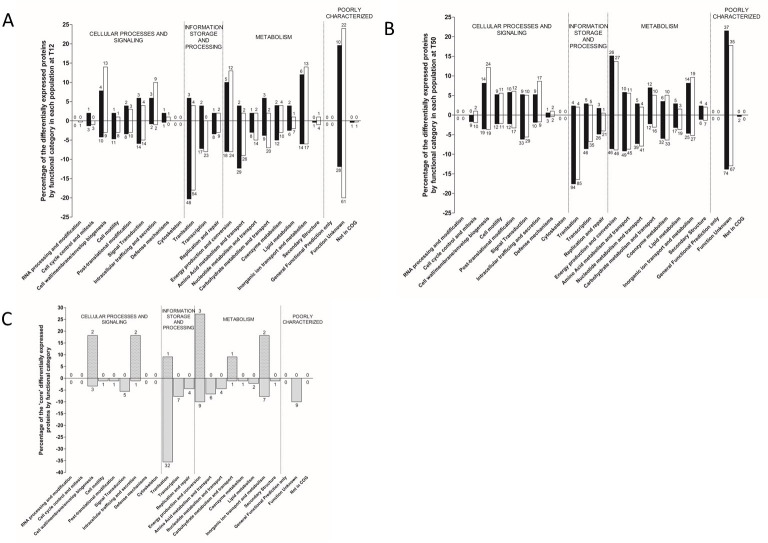
Fig 6. Functional categories of differentially expressed proteins of V. parahaemolyticus cells in the different VBNC subpopulations at each time point.
Only significant expressed proteins (q value < 0.01) with expressional changes of 3 or greater in VBNC subpopulation versus T0 are shown. Bars indicate the portion of the differentially expressed genes by functional category in each population (100% is the number of regulated proteins in subpopulations P1 or P2). The number of proteins in each category appears above the median (upregulated) or below the median bar (downregulated). A: shows proteins regulated at T12 time point B: shows proteins regulated at T50 time point and C: shows core proteins that are shared in subpopulations P1 and P2 at both time points T12 and T50. Subpopulation P1 is in solid white bars while subpopulation P2 is in solid black bars.
Fig 7
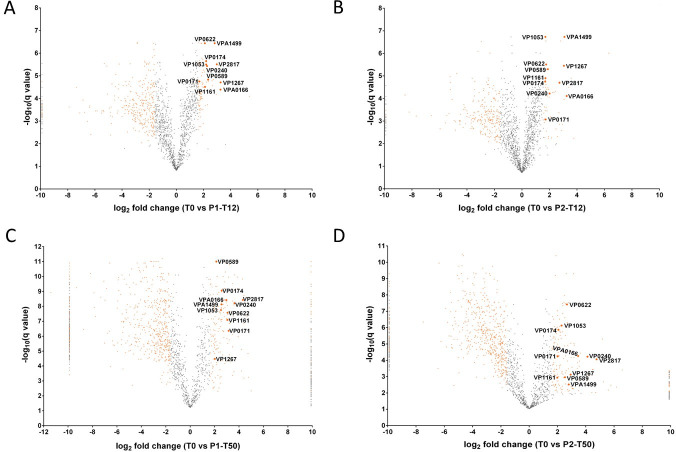
Fig 7. Quantitative cellular proteomics identifies proteins involved in VBNC state.
Using quantitative mass spectrophotometry, the proteome of VBNC populations P1 and P2, derived from time points T12 and T50, was resolved and compared to that from cells at T0 time point. Volcano plots summarising the proteomic comparison of total proteins between VBNC subpopulations P1 and P2 at time point T12 and T50 in V. parahaemolyticus. The x-axis shows the log2 of the fold change of protein expression plotted against the–log10 of the q value. Orange dots indicate the differentially expressed genes with at least 3-fold change (log2 1.585) and statistical significance (q value < 0.01 [–log10 2]). The dots at the -9.9 and 9.9 value on the x-axis (downregulated and upregulated, respectively) represent proteins that were not detected in the VBNC sample or in the T0 sample, respectively in the pairwise comparison (fold change values of -9.9 and 9.9 were added empirically). Distribution of the differential expression of proteins in VBNC cells in Panel A P1-T12, Panel B P2-T12, and Panel C P1-T50 and Panel D P2-T50 population. Highlighted dots represent the 11 proteins that were significantly upregulated in VBNC subpopulations P1 and P2.
Fig 8
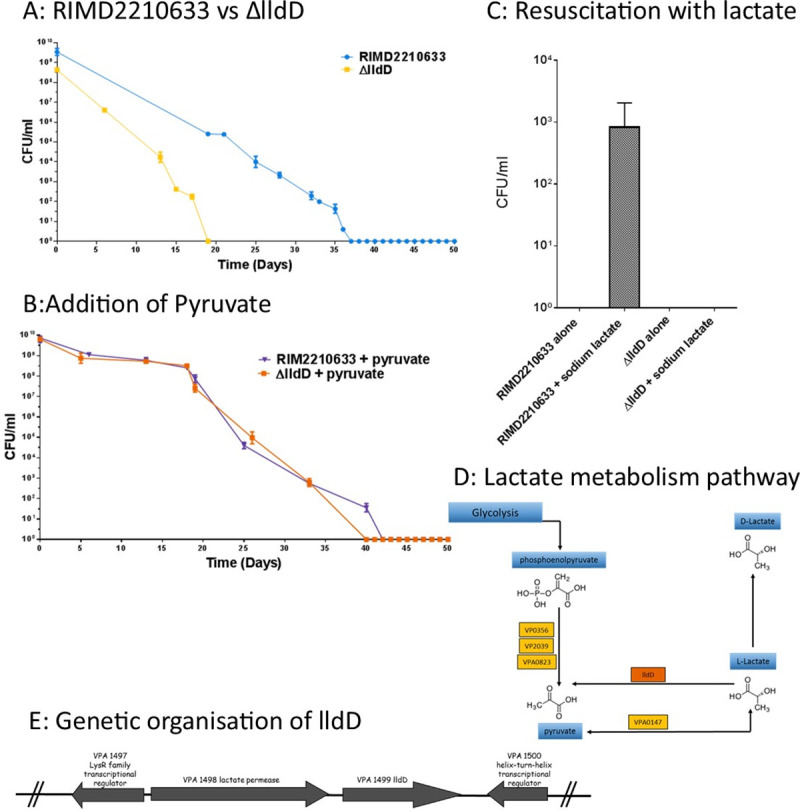
Fig 8. Resuscitation of dormant cells using sodium lactate.
Panel A shows entry into VBNC state for RIMD2210633:ΔlldD compared to wildtype RIMD2210633. Panel B shows entry into VBNC state for RIMD2210633 and RIMD2210633:ΔlldD in the presence of sodium pyruvate to the microcosm. Panel C shows VBNC cells of RIMD2210633 resuscitated with 2mM sodium lactate 37 days after entering VBNC stage (mid to late VBNC stage). Panel D shows the lactate metabolism pathway in V. parahaemolyticus RID2210633. Each rectangle stands for an enzyme in the pyruvate metabolism pathway. The yellow boxes indicate the ortholog genes in V. parahaemolyticus RIMD2210633 that are not present as proteins in the VBNC subpopulations while the green boxes are significantly downregulated VBNC proteins. The proteins in the orange box indicates genes that are upregulated in VBNC subpopulations. Panel E shows the genetic organisation for VPA1499 (lldD) in V. parahaemolyticus RIMD2210633.

References

    1. Li L, Mendis N, Trigui H, Oliver JD, Faucher SP. The importance of the viable but non-culturable state in human bacterial pathogens. Front Microbiol. 2014;5:258 Epub 2014/06/12. 10.3389/fmicb.2014.00258 - DOI - PMC - PubMed
    1. Alam M, Sultana M, Nair GB, Siddique AK, Hasan NA, Sack RB, et al. Viable but nonculturable Vibrio cholerae O1 in biofilms in the aquatic environment and their role in cholera transmission. Proc Natl Acad Sci U S A. 2007;104(45):17801–6. Epub 2007/10/31. 10.1073/pnas.0705599104 - DOI - PMC - PubMed
    1. Alleron L, Khemiri A, Koubar M, Lacombe C, Coquet L, Cosette P, et al. VBNC Legionella pneumophila cells are still able to produce virulence proteins. Water Res. 2013;47(17):6606–17. 10.1016/j.watres.2013.08.032 . - DOI - PubMed
    1. Chaiyanan S, Chaiyanan S, Huq A, Maugel T, Colwell RR. Viability of the nonculturable Vibrio cholerae O1 and O139. Syst Appl Microbiol. 2001;24(3):331–41. Epub 2002/02/02. 10.1078/0723-2020-00032 . - DOI - PubMed
    1. Darcan C, Ozkanca R, Idil O, Flint KP. Viable but non-culturable state (VBNC) of Escherichia coli related to EnvZ under the effect of pH, starvation and osmotic stress in sea water. Pol J Microbiol. 2009;58(4):307–17. Epub 2009/01/01. . - PubMed

Publication types

MeSH terms

LinkOut - more resources