


Efficacy of synthetic glucocorticoids in COVID-19 endothelites
- PMID: 33443616
- PMCID: PMC7807216
- DOI: 10.1007/s00210-021-02049-7
Efficacy of synthetic glucocorticoids in COVID-19 endothelites
Abstract
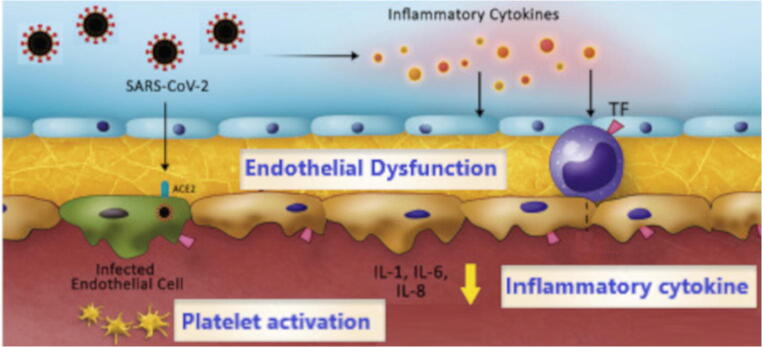
Since March 2020, the world has been fighting a global pandemic caused by a new coronavirus SARS-CoV-2 (COVID-19). SARS-CoV-2 is responsible for severe acute respiratory syndrome, an airway disease that can be severe and fatal in a percentage of cases. Patients with severe COVID-19 can develop extrapulmonary lesions, with renal, hepatic, cardiac, neurological, and tissue involvement that can cause further severe complications. On December 21, 2021, the European Medicines Agency (EMA) authorized the marketing of the first COVID-19 vaccine. However, several randomized trials are ongoing to find effective, safe, and widely available treatments. The most severe stages of COVID-19 infection are characterized by a multi-system inflammatory state induced by a cytokine storm causing multi-organ injury. Epidemiologic evidence has shown that glucocorticoids (GCs), particularly dexamethasone, are used in severe, hospitalized patients with COVID-19 with good therapeutic benefit. COVID-19 can also damage the endothelial system, causing microcirculatory disturbances and consequently leading to functional organ disorders. The combination of endothelial dysfunction with a generalized inflammatory state may contribute to the general pro-coagulative state described in patients with COVID-19 with increased risk of venous and arterial occlusions. The aim of this article is to describe the therapeutic utility of GCs in stabilizing the vascular endothelial barrier in COVID-19 infection. Indeed, we believe that the stabilization of the endothelial barrier and the anti-inflammatory effect of GCs could be the main effect underlying the therapeutic efficacy in COVID-19 patients.
Keywords: COVID-19; Desametasone; Inflammatory; Pandemic; SARS-CoV-2.
Conflict of interest statement
The authors declare that they have no conflict of interest.
Figures
References
-
- Chen N, Zhou M, Dong X, Qu J, Gong F, Han Y, Qiu Y, Wang J, Liu Y, Wei Y, Xia J', Yu T, Zhang X, Zhang L. Epidemiological and clinical characteristics of 99 cases of 2019 novel coronavirus pneumonia in Wuhan, China: a descriptive study. Lancet. 2020;395(10223):507–513. doi: 10.1016/S0140-6736(20)30211-7. - DOI - PMC - PubMed
Publication types
MeSH terms
Substances
LinkOut - more resources
Full Text Sources
Other Literature Sources
Medical
Research Materials
Miscellaneous
