


How well are we translating biofilm research from bench-side to bedside?
- PMID: 33447813
- PMCID: PMC7798461
- DOI: 10.1016/j.bioflm.2020.100028
How well are we translating biofilm research from bench-side to bedside?
Abstract
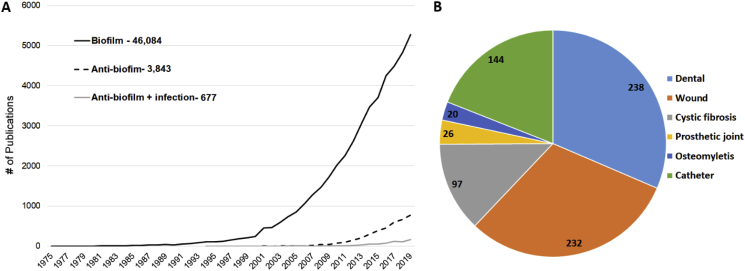
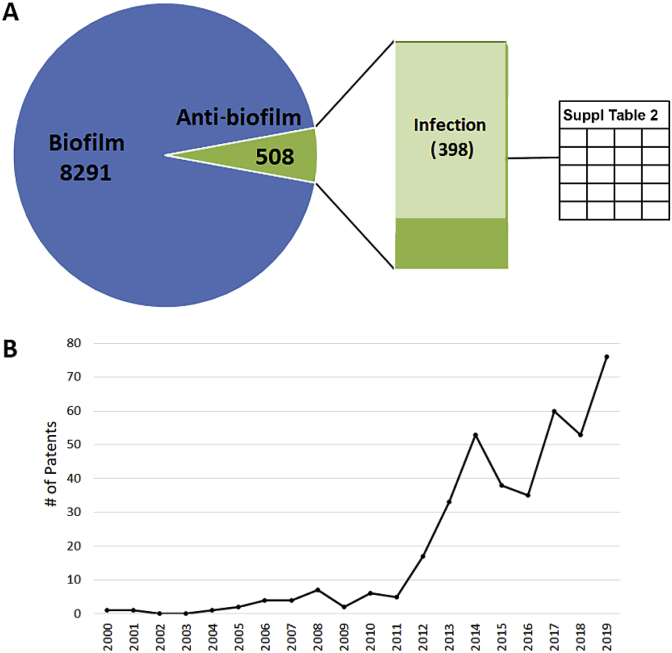
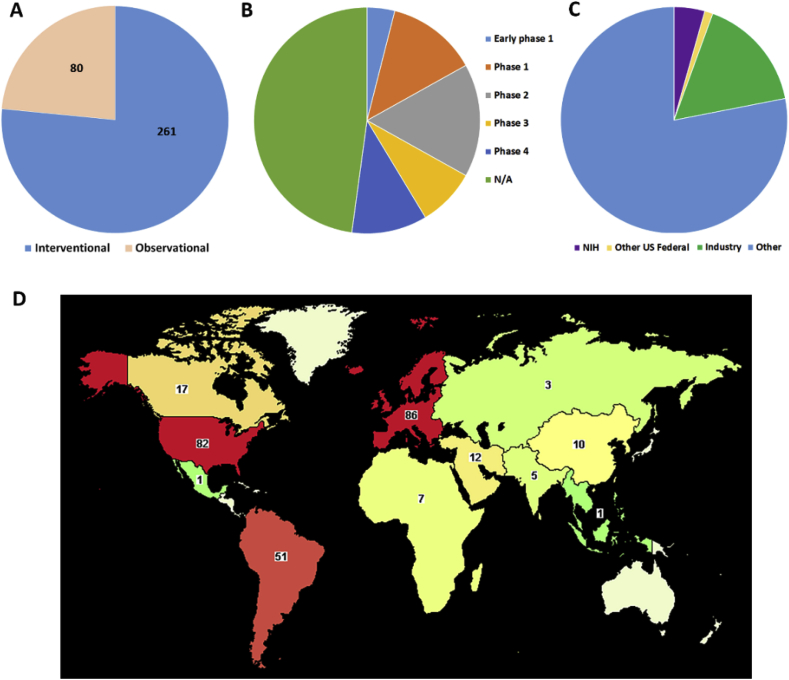
Biofilms are responsible for more than 80% of all chronic infections and represent an enormous medical challenge. In order to meet this challenge, translation research on anti-biofilm approaches is desperately needed. While biofilm research has grown exponentially over the last three decades and provided important details about the mechanisms involved in initiating, maintaining and disrupting bacterial communities, how much of this basic science knowledge has resulted in new therapeutic approaches? In this perspective article biofilm publications, patents, clinical trials and companies were surveyed to ascertain where we stand in translating biofilm research into new strategies to treat and prevent biofilm-associated infections. Overall, the survey data obtained indicate that anti-biofilm research makes up a very small percentage of the total biofilm literature, and the number of patents and clinical studies for anti-biofilm agents is relatively small. However, the forecast for the future of anti-biofilm therapeutics looks promising. Publications on translational studies are trending up and there are a large number of companies selling products marketed to fight biofilm, indicating that there is a significant commercial interest. Researchers can aid in the translational effort by collaborating with clinicians and industry to design and execute clinically relevant pre-clinical studies, which will result in more agents successfully completing clinical studies and entering the market.
Keywords: Anti-Biofilm; Biofilm; Biofilm infection; Translational research.
© 2020 The Author(s).
Conflict of interest statement
The authors declare that they have no known competing financial interests or personal relationships that could have appeared to influence the work reported in this paper.
Figures
References
-
- Nishimura M., Kumamoto Y., Sano M., Hirose T., Ohya S. [Therapeutic study on biofilm of the urinary tract using a severely complicated bladder model (biofilm model of the urinary tract)--experimental study using an automatic simulator of urinary antimicrobial agent concentration, and clinical study] Kansenshogaku Zasshi. 1994;68:386–398. doi: 10.11150/kansenshogakuzasshi1970.68.386. - DOI - PubMed
-
- Domenico, P. Metal/thiol biocides. United States Patent 6,248,371 (2000).
-
- Philip, D. Metal/thiol biocides. United States Patent 6,248,371 (2001).
Grants and funding
LinkOut - more resources
Full Text Sources
