


Spliceosome-targeted therapies trigger an antiviral immune response in triple-negative breast cancer
- PMID: 33450205
- PMCID: PMC8635244
- DOI: 10.1016/j.cell.2020.12.031
Spliceosome-targeted therapies trigger an antiviral immune response in triple-negative breast cancer
Abstract
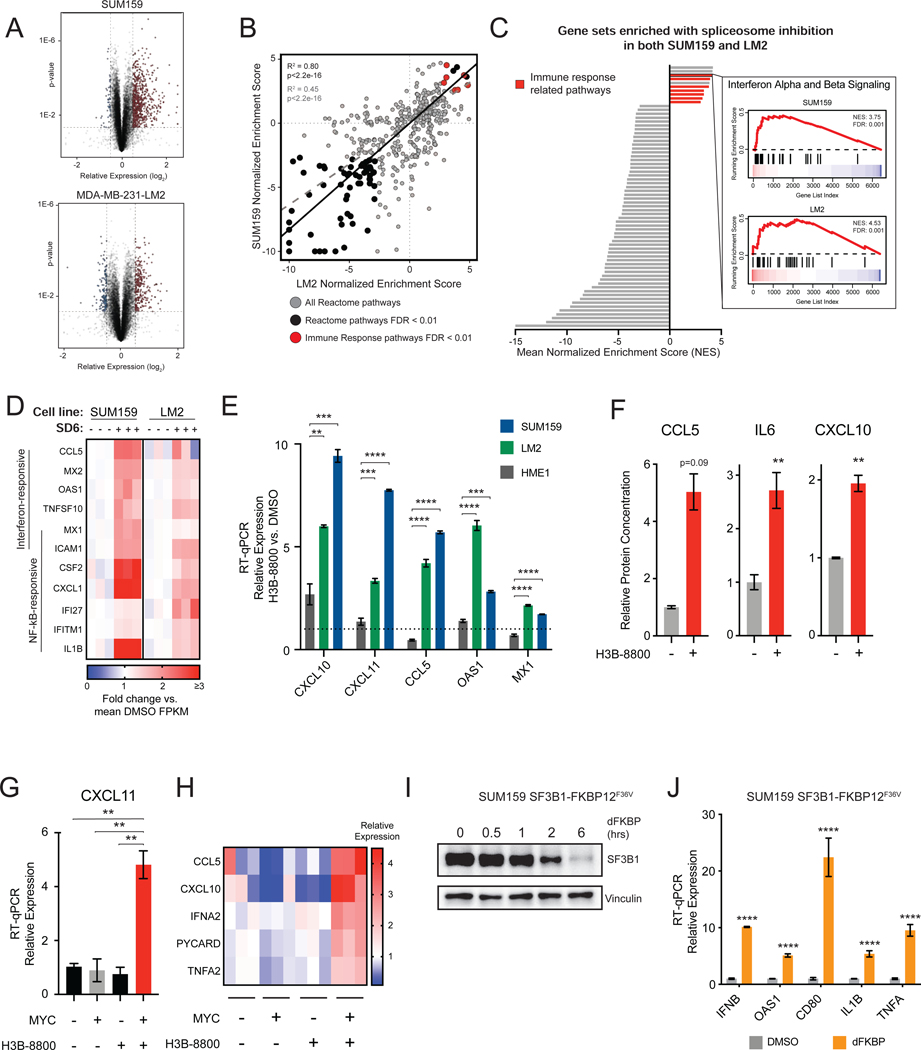
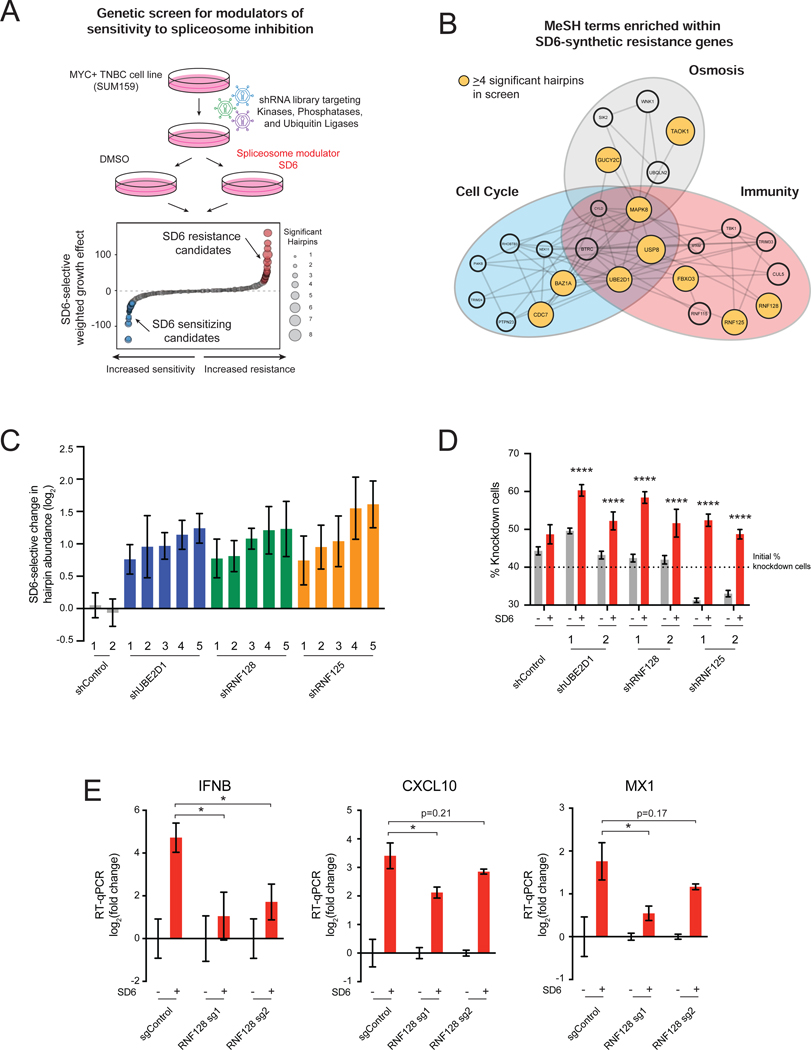
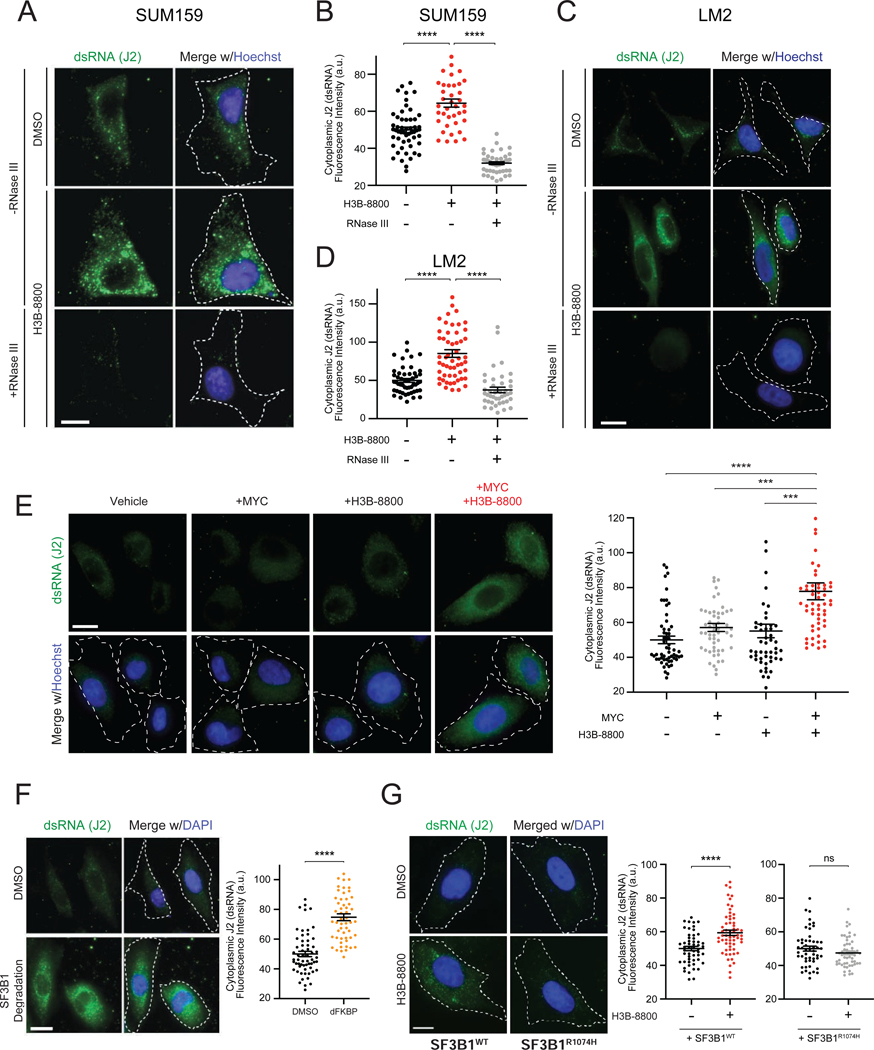
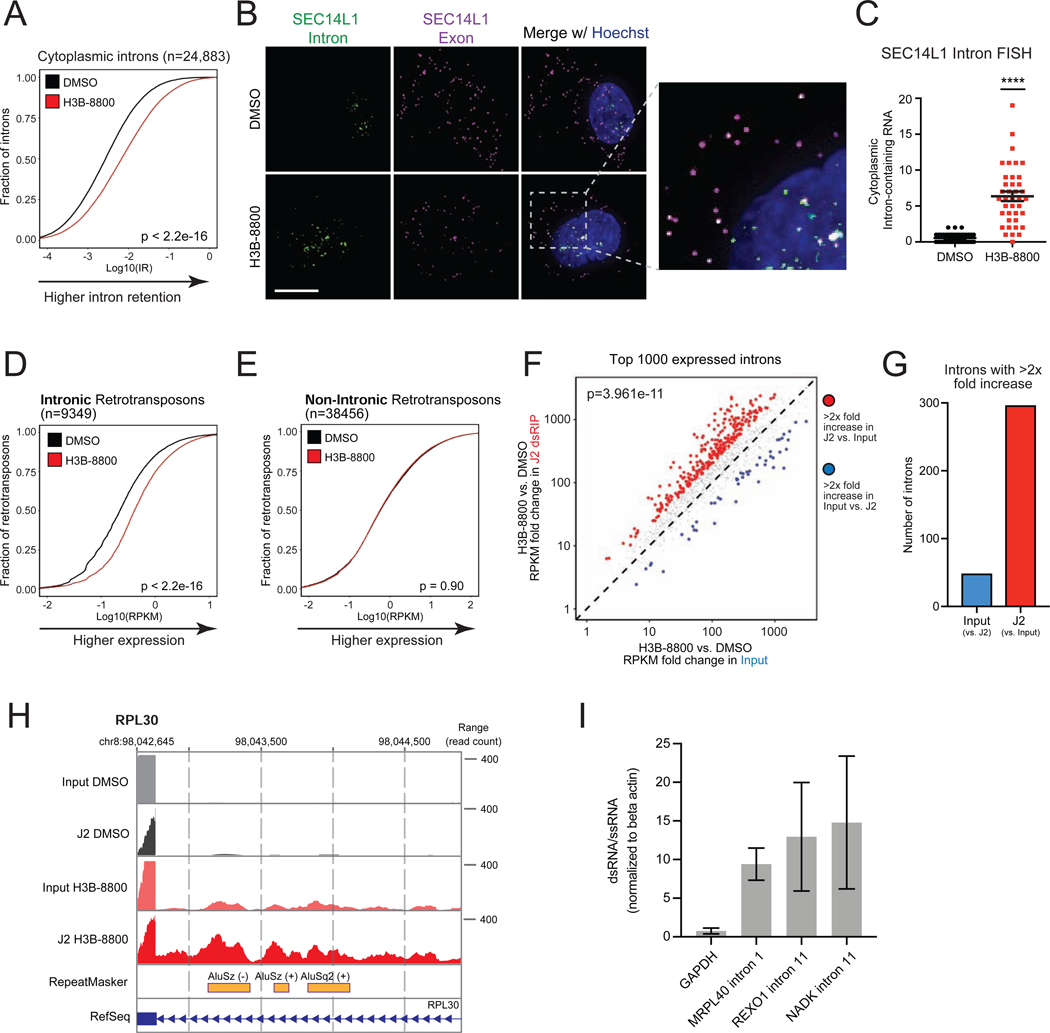
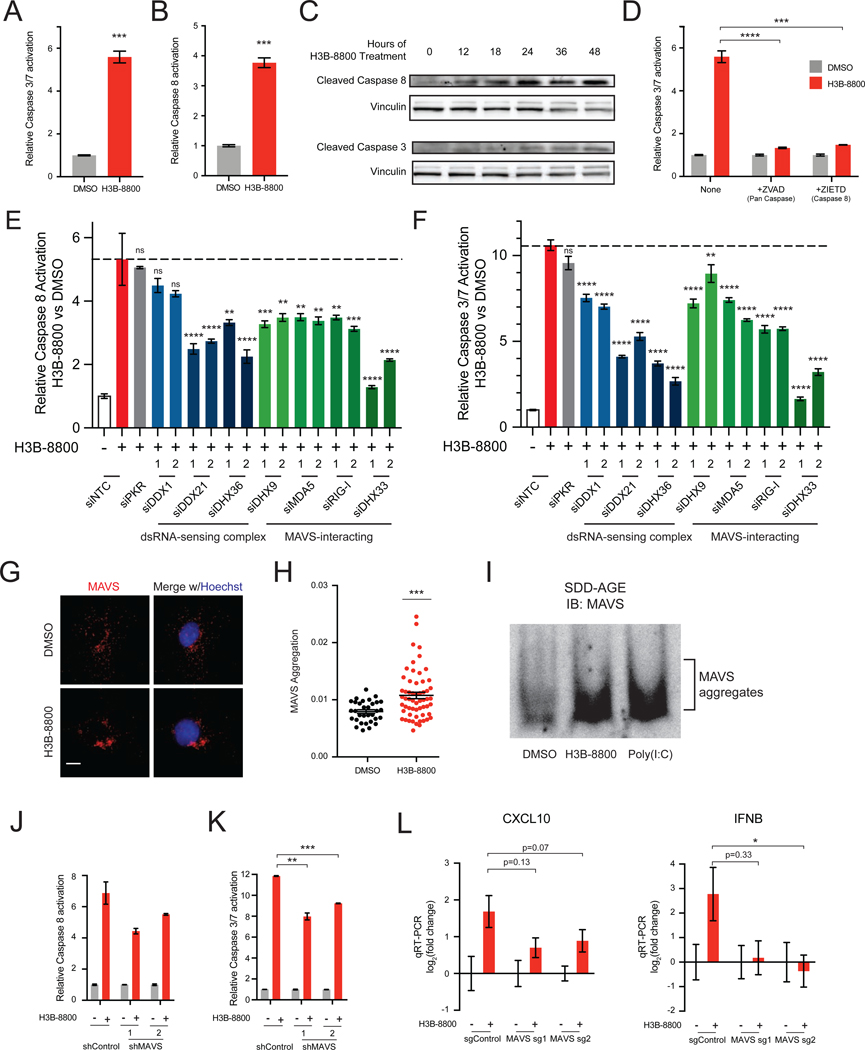
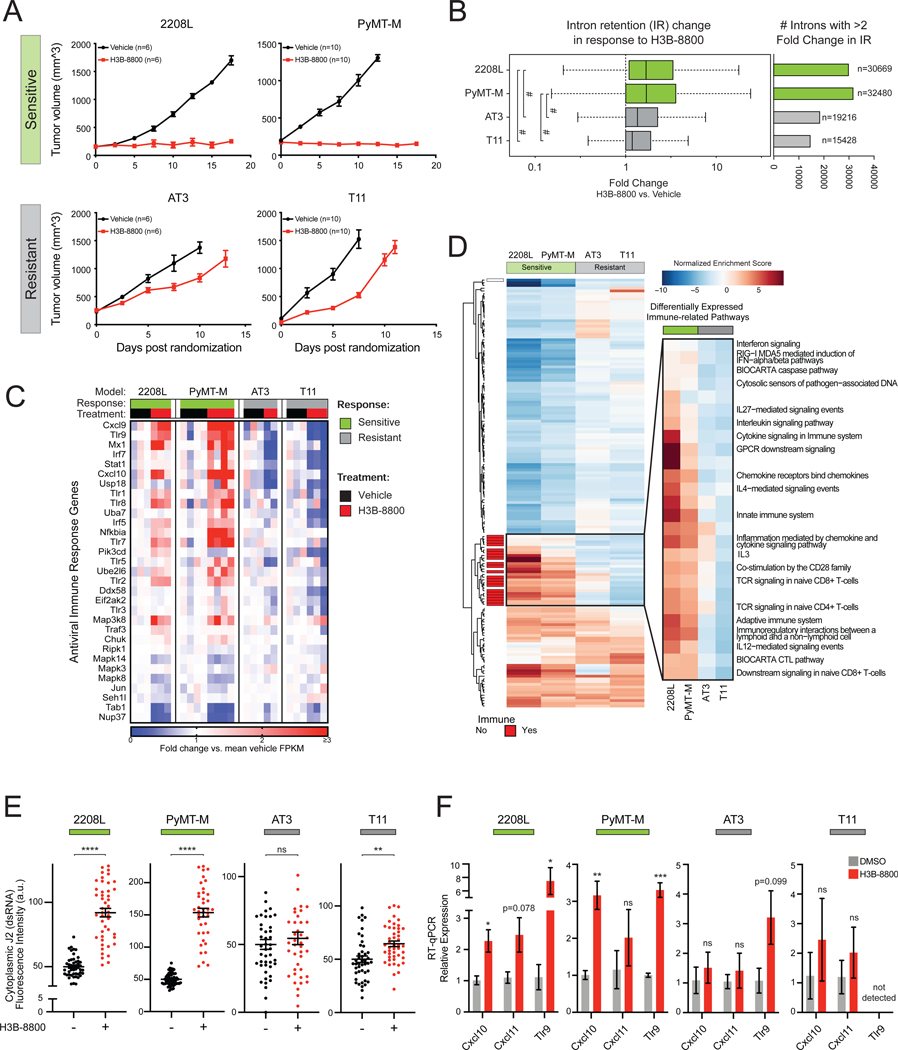
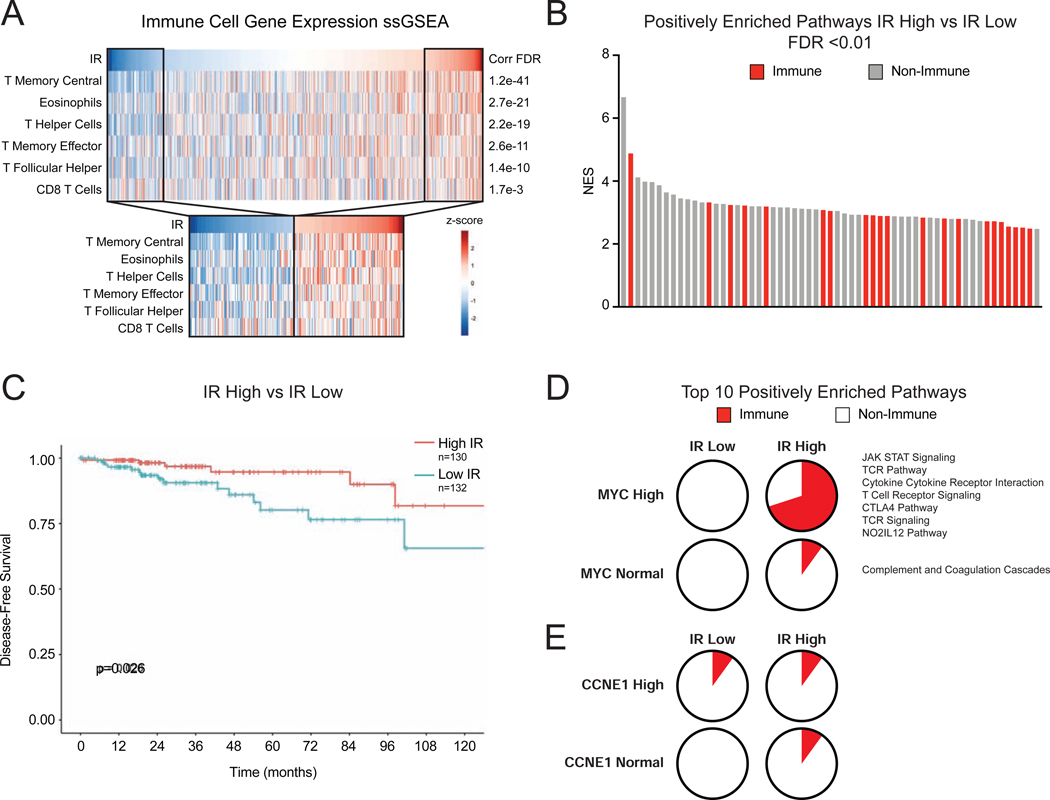
Many oncogenic insults deregulate RNA splicing, often leading to hypersensitivity of tumors to spliceosome-targeted therapies (STTs). However, the mechanisms by which STTs selectively kill cancers remain largely unknown. Herein, we discover that mis-spliced RNA itself is a molecular trigger for tumor killing through viral mimicry. In MYC-driven triple-negative breast cancer, STTs cause widespread cytoplasmic accumulation of mis-spliced mRNAs, many of which form double-stranded structures. Double-stranded RNA (dsRNA)-binding proteins recognize these endogenous dsRNAs, triggering antiviral signaling and extrinsic apoptosis. In immune-competent models of breast cancer, STTs cause tumor cell-intrinsic antiviral signaling, downstream adaptive immune signaling, and tumor cell death. Furthermore, RNA mis-splicing in human breast cancers correlates with innate and adaptive immune signatures, especially in MYC-amplified tumors that are typically immune cold. These findings indicate that dsRNA-sensing pathways respond to global aberrations of RNA splicing in cancer and provoke the hypothesis that STTs may provide unexplored strategies to activate anti-tumor immune pathways.
Keywords: MYC; RNA splicing in cancer; anti-cancer immunity; antiviral immunity; double-stranded RNA; oncogenic stress; spliceosome-targeted therapies; triple-negative breast cancer; viral mimicry.
Copyright © 2020 Elsevier Inc. All rights reserved.
Conflict of interest statement
Declaration of interests The authors declare no competing interests.
Figures
Comment in
-
Spliceosome-Targeted Therapies Induce dsRNA Responses.Immunity. 2021 Jan 12;54(1):11-13. doi: 10.1016/j.immuni.2020.12.012. Immunity. 2021. PMID: 33440135
-
RNA splicing meets anti-tumor immunity.Nat Cancer. 2021 Dec;2(12):1287. doi: 10.1038/s43018-021-00309-2. Nat Cancer. 2021. PMID: 35121911 No abstract available.
References
-
- Al-Kuraya K, Schraml P, Torhorst J, Tapia C, Zaharieva B, Novotny H, Spichtin H, Maurer R, Mirlacher M, Köchli O, et al. , 2004. Prognostic relevance of gene amplifications and coamplifications in breast cancer. Cancer Res. 64, 8534–8540. - PubMed
Publication types
MeSH terms
Substances
Grants and funding
LinkOut - more resources
Full Text Sources
Other Literature Sources
