


The role of iron in the pathogenesis of COVID-19 and possible treatment with lactoferrin and other iron chelators
- PMID: 33454595
- PMCID: PMC7836924
- DOI: 10.1016/j.biopha.2021.111228
The role of iron in the pathogenesis of COVID-19 and possible treatment with lactoferrin and other iron chelators
Abstract
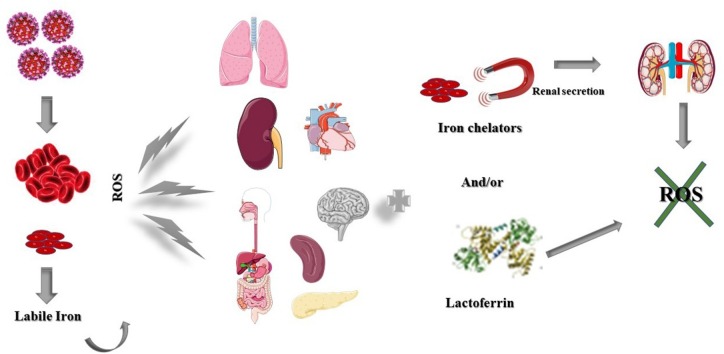
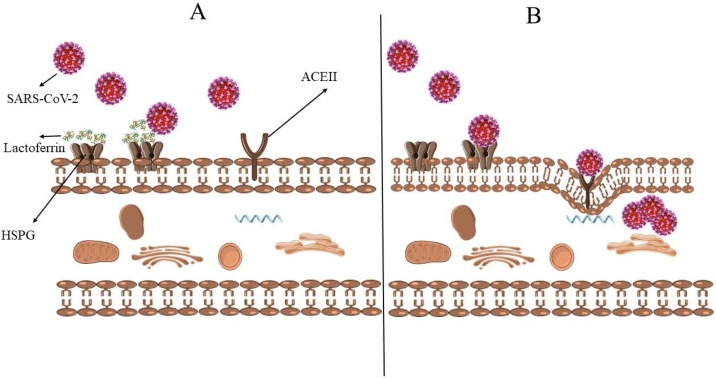
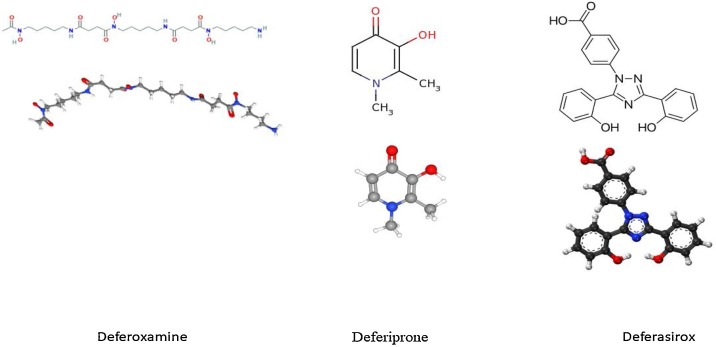
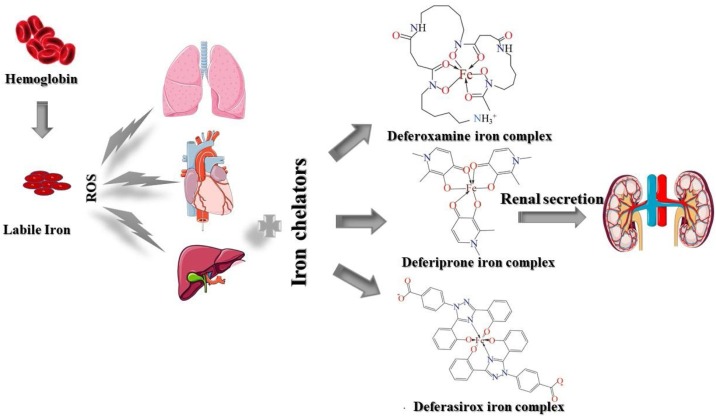
Iron overload is increasingly implicated as a contributor to the pathogenesis of COVID-19. Indeed, several of the manifestations of COVID-19, such as inflammation, hypercoagulation, hyperferritinemia, and immune dysfunction are also reminiscent of iron overload. Although iron is essential for all living cells, free unbound iron, resulting from iron dysregulation and overload, is very reactive and potentially toxic due to its role in the generation of reactive oxygen species (ROS). ROS react with and damage cellular lipids, nucleic acids, and proteins, with consequent activation of either acute or chronic inflammatory processes implicated in multiple clinical conditions. Moreover, iron-catalyzed lipid damage exerts a direct causative effect on the newly discovered nonapoptotic cell death known as ferroptosis. Unlike apoptosis, ferroptosis is immunogenic and not only leads to amplified cell death but also promotes a series of reactions associated with inflammation. Iron chelators are generally safe and are proven to protect patients in clinical conditions characterized by iron overload. There is also an abundance of evidence that iron chelators possess antiviral activities. Furthermore, the naturally occurring iron chelator lactoferrin (Lf) exerts immunomodulatory as well as anti-inflammatory effects and can bind to several receptors used by coronaviruses thereby blocking their entry into host cells. Iron chelators may consequently be of high therapeutic value during the present COVID-19 pandemic.
Keywords: Blood groups; COVID-19; Free iron; Hemoglobin damage; Hypercoagulation; Hyperferritinemia; Inflammation; Iron chelators; Iron overload; Lactoferrin.
Copyright © 2021 The Author(s). Published by Elsevier Masson SAS.. All rights reserved.
Conflict of interest statement
All authors declare no other competing interests.
Figures
References
Publication types
MeSH terms
Substances
LinkOut - more resources
Full Text Sources
Other Literature Sources
Medical
